







Unclear US tariffs complicate business for PH exporters

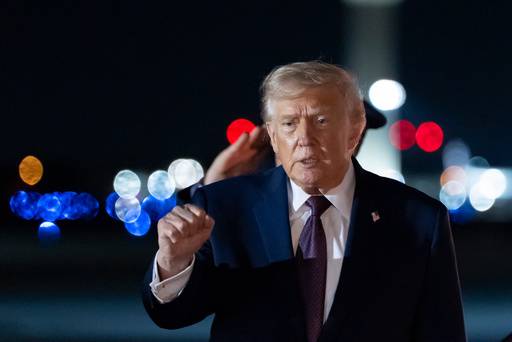
The uncertainty over shifting US tariff rates is prompting some Philippine exporters to rush shipments to the American market.
Meanwhile, others might defer decisions, such as on delivery timelines and pricing, as they wait for clarity about the final levy on US-bound Philippine cargoes.
This is according to Ma. Flordeliza Leong, vice president at the Philippine Exporters Confederation Inc. (Philexport).
Leong noted that exporters remain wary after US President Donald Trump floated the possibility of a 15-percent tariff on all imports.
This announcement created confusion worldwide. Just a day earlier, Trump said the blanket levy would be set at 10 percent.
While the 10-percent tariff ultimately took effect on Feb. 24, Leong said uncertainty about possible future adjustments has left exporters unsure how to price goods or structure contracts.
“We have a 150-day window, and that’s not enough time to plan,” she said. Leong was referring to the allowable period for a new 15-percent tariff rate under Section 122 of the Trade Act of 1974.
“Exporters to the US will either have to front-load—to rush their shipments—or to stop and wait,” Leong said.
“President Trump has already floated the 15 percent,” she added. “So, exporters don’t know what to price in—the 10 percent or the 15 percent (tariff).”
Recall that Filipino exporters also previously relied on front-loading when the United States announced a 19-percent tariff on Philippine goods last July. Companies accelerated shipments to beat the higher levy.
At the time, however, exporters had more time to prepare, as the Philippines secured the 19-percent rate in July before it took effect in early August.

By contrast, Trump announced the potential 15-percent tariff on Feb. 21, just days before new levies took effect on Feb. 24.
Leong said some exporters are negotiating with buyers to split the additional tariff costs.
Any change in US tariffs is significant for the Philippines, she said, as the United States remains the country’s largest export market. Key export products include electronics and agricultural goods, which were mostly shielded from the previous 19-percent levy.
Philippine exports still reached a record $84.41 billion in 2025, although shipments to the United States ended lower at $13.44 billion.
Asked whether the latest developments could still bode well for the Philippines, Leong said a 10-percent tariff remains a “positive development” despite the uncertainty.