







40 years of Filipino beauty: The trends and ideals that shaped us

Filipino beauty has never existed in isolation. It has shifted and reshaped itself in response to changing ideals, global influences, advances in dermatological science, and the way we understand identity.
Over the last 40 years, the Philippines has moved through distinct eras of beauty—each reflecting the aspirations, anxieties, and cultural currents of its time. What began as a pursuit of flawless coverage and uniformity has evolved into a nuanced conversation about skin health, self-expression, and a broader acceptance of individuality.

The glamour of the 1980s
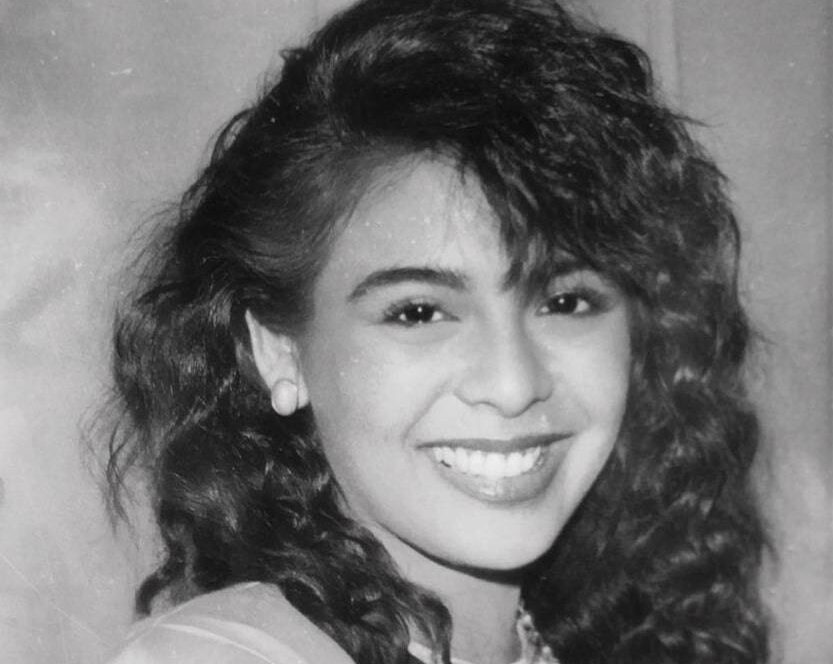
The 1980s laid the groundwork for modern Filipino beauty. It was a time of weekly salon visits, pageant inspiration, and the kind of glamour seen on television variety shows and glossy magazines. Beauty relied on discipline, and the ideal look favored matte skin, perfectly styled hair, and a mix of salon staples and homegrown remedies.
Because dermatology had not yet reached mainstream popularity, many women relied on ingredients found at home. Papaya soap was trusted for gentle exfoliation, calamansi toners promised brightness, and coconut oil masks added shine. These small rituals created some of the earliest skin routines for Filipinas.
Makeup leaned into romance. Pancake foundation created smooth, powdery skin that remained matte even under bright studio lights. Cheeks carried generous color in peach or pink, giving the lifted glow associated with beauty queens.
Hair defined the decade more than anything. Big, voluminous styles were essential, and achieving that volume required real commitment.
Maximum hold hairspray sealed everything in place and kept even the most sculpted styles from collapsing in the Manila heat. Together, these hair techniques, combined with soft pastel makeup and matte complexions, shaped a beauty identity that remains recognizable today.
The minimalist shift and the height of whitening in the 1990s
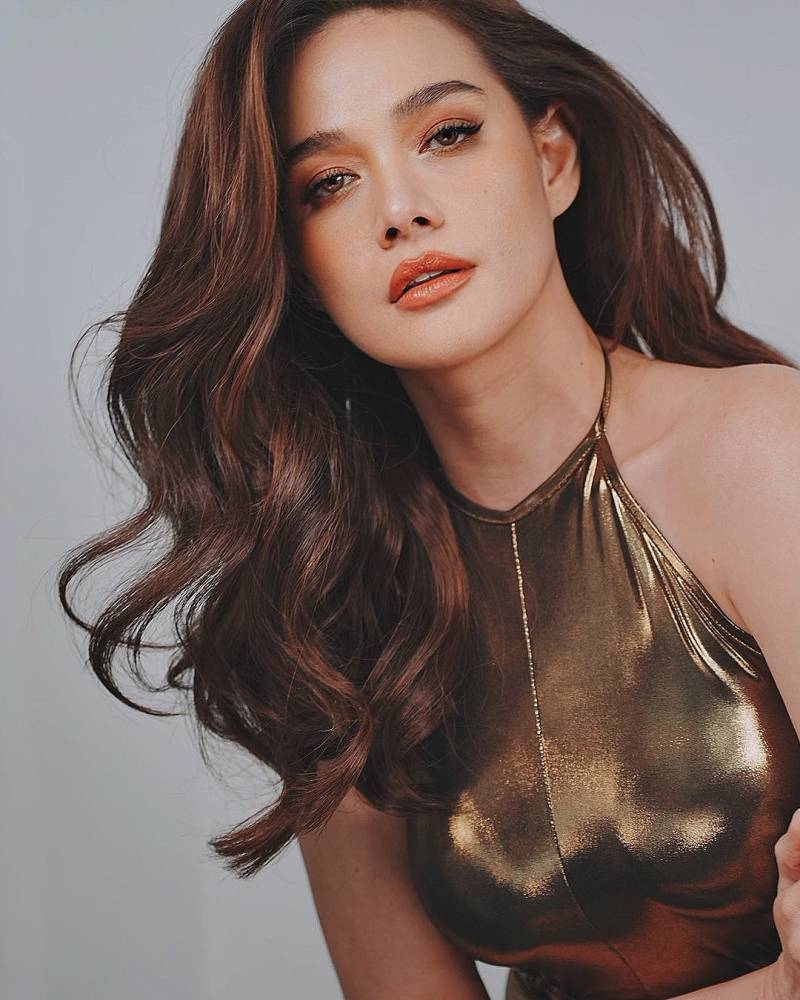
After the loud and colorful palettes of the previous decade, makeup shifted into muted pastels and neutrals. Eyeshadow often came in shimmering, icy finishes that added a gentle glow to the lids, while thin brows, brown or mauve lipsticks, and a matte complexion defined the everyday look.
More than the makeup trends, the true marker of the 1990s was its intensified fascination with fairness. This was the decade when the mestiza ideal became deeply entrenched.
Whitening products reached peak popularity during these years. Astringent sets promising clarity and lightness became household staples, soaps marketed for whitening were used religiously, and hydroquinone creams and lighter powder foundations dominated vanity tables.
Even early glutathione injections began circulating discreetly within certain circles, hinting at the emerging connection between beauty and medical aesthetics.
The rise of tech-driven beauty in the 2000s
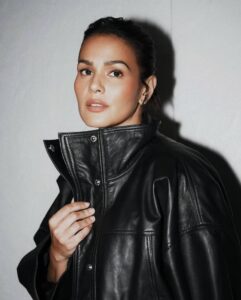
The 2000s marked a major shift in Filipino beauty—shaped by new technologies, new cultural influences, and a growing desire for transformation. Rebonding became the decade’s most achieved look.
It turned hair into sleek, pin-straight sheets that symbolized neatness, professionalism, and an updated kind of modern polish.
At the same time, beauty ideals in the Philippines were being reshaped by global currents. Western pop culture dominated the early part of the decade. Icons like Britney Spears and Paris Hilton defined a glossy, high-energy aesthetic seen in magazines and on MTV. High-shine lips, ultra-thin eyebrows, and frosted or shimmery eyeshadows became international signatures, and versions of these trends filtered into everyday Filipino makeup.
Whitening products continued to dominate store shelves, and many Filipinas centered their routines on maintaining a lighter, more even complexion.
Dermatology clinics also expanded rapidly during this decade, introducing Filipinas to a new world of science-driven beauty. Diamond peels, glycolic peels, IPL (Intense Pulsed Light) hair removal, and regular glutathione drips became popular for achieving a smoother texture and more even tone.
K-beauty, brow artistry, and skincare literacy in the 2010s
The 2010s brought a dramatic cultural transition, propelled by the Korean wave and the global rise of beauty influencers. For the first time, Filipino beauty was shaped—not primarily by local celebrities, but by a mix of international media, YouTube vloggers, and Instagram creators who reframed how people talked about skin and makeup.
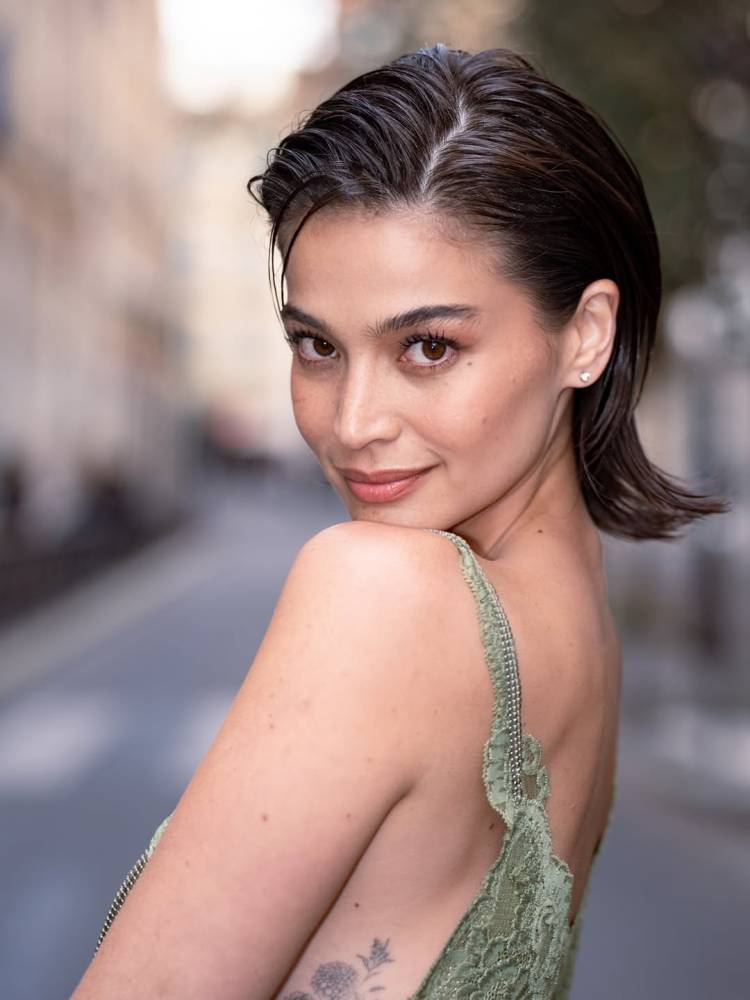
Korean beauty introduced a gentler, more skin-reverent philosophy, one centered on hydration, brightness, and prevention. The idea shifted from covering imperfections to caring for the skin itself.
The dewy, glass-skin aesthetic quickly became a local aspiration. Serums, masks, and daily sunscreen use entered the mainstream, and skincare routines expanded thoughtfully as consumers became more knowledgeable about ingredients and long-term maintenance.
Brow artistry became one of the defining movements of the 2010s. Microblading, ombré shading, and, later, brow lamination turned brows into a structural feature that shaped the entire face. Lash extensions and keratin lifts followed in the same direction.
The 2010s also marked the moment when “getting work done” quietly entered the mainstream. It was not just about injectables like Botox and dermal fillers, though these became far more accepted. It was the overall shift in mindset.
Procedures once reserved for celebrities began appearing in everyday conversations, made more accessible by dermatologists and aestheticians who built strong, educational followings online.

The 2010s laid the foundation for a new generation of beauty lovers who valued skin health, expert guidance, and the idea that improvement could be both subtle and strategic.
The skin-first and wellness-focused beauty of the 2020s
The 2020s ushered in a more thoughtful and self-aware chapter in Filipino beauty. After years of elaborate routines and high-glam transformations, the decade shifted toward simplicity and long-term skin health.
The pandemic accelerated this change, prompting many Filipinas to rethink their approach to beauty. Ceramides, niacinamide, peptides—all the mides, really—along with antioxidants and retinol became the backbone of modern routines, signaling a move toward science-backed consistency rather than cosmetic quick fixes.
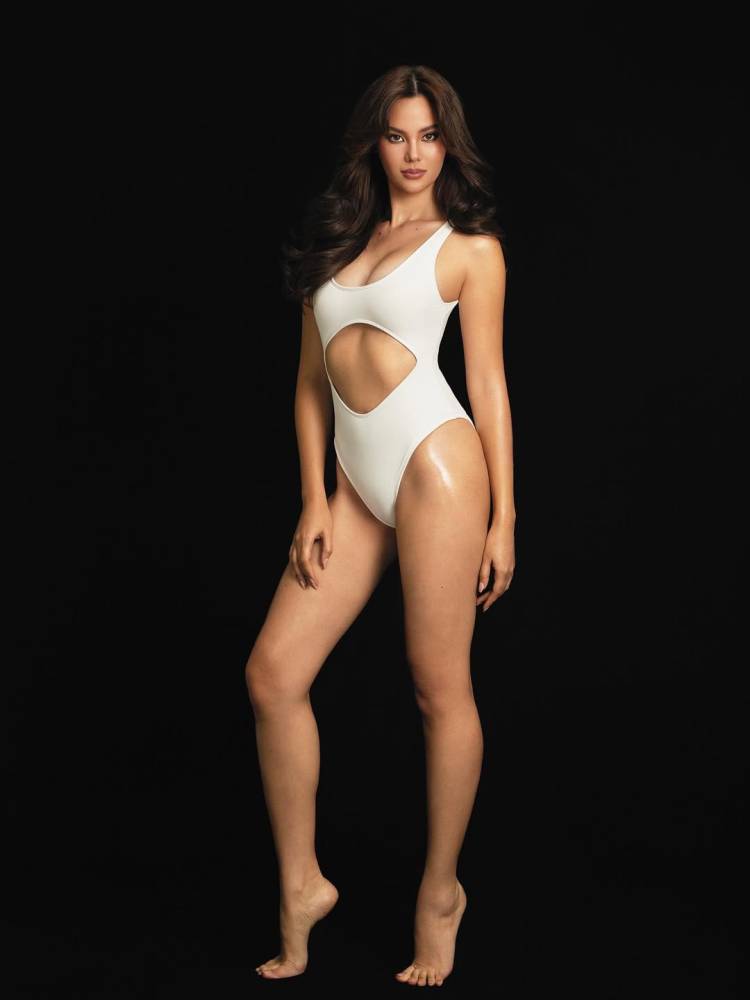
Makeup embraced the same philosophy. Fresh, natural-looking skin became the goal, and many Filipinas leaned into lightweight tints, cream blush, subtle gloss, and clean, soft-focus finishes.
The look was less about creating a new face and more about letting real skin show through. Social media played a huge role in this shift. TikTok creators, dermatologists, and skincare educators broke down routines, ingredients, and myths with a level of clarity that empowered consumers. Beauty became something to understand, not just something to apply.
Biostimulators, skin boosters, and radiofrequency microneedling became the new language of subtle enhancement. Preventive Botox also grew in popularity. The goal was to look refreshed, lifted, and well-rested, not frozen or dramatically altered.
The decade also saw a cultural shift toward celebrating natural skin tones. Morena beauty gained stronger and more confident representation, reflected in inclusive campaigns, more thoughtful shade ranges, and local brands that understood the nuances of Filipino undertones. For the first time in decades, beauty standards felt more open, more diverse, and more reflective of the many faces of the Philippines.
Just as important was the rise of wellness as a core pillar of beauty. Conversations about sleep, hormones, stress, and gut health became part of the beauty narrative, highlighting how deeply our lifestyle habits show up on the skin.
As of 2025, the shift toward intentional and informed beauty has fully taken shape. Filipino routines are guided by science, enhanced by subtle aesthetic treatments, and grounded in a broader understanding that skin health, lifestyle, and overall well-being are inseparable.
The result? A beauty identity that feels mature, intuitive, and deeply aligned with the idea that looking good begins with feeling good.