











5 traditional Chinese ingredients in modern beauty

With new launches arriving regularly and buzzwords cycling in and out of trend reports, choosing the right products with the right ingredients can be easier said than done. But in an industry that thrives on novelty, there’s reassurance in formulas built around ingredients that have stood the test of time, especially when they’ve been around for thousands of years.
This is the case with traditional Chinese medicine (TCM) ingredients. The practice of adding these ancient ingredients has been around for over 3,500 years. They have been tried and tested over and over again across generations.
Traditional Chinese ingredients that you should know about
But what exactly are these ingredients?
With the help of certified medical acupuncturist and certified traditional Chinese medicine practitioner Dr. Philip Nino Tan-Gatue, MD, we put together a quick guide on the traditional Chinese ingredients every beauty enthusiast should know about.
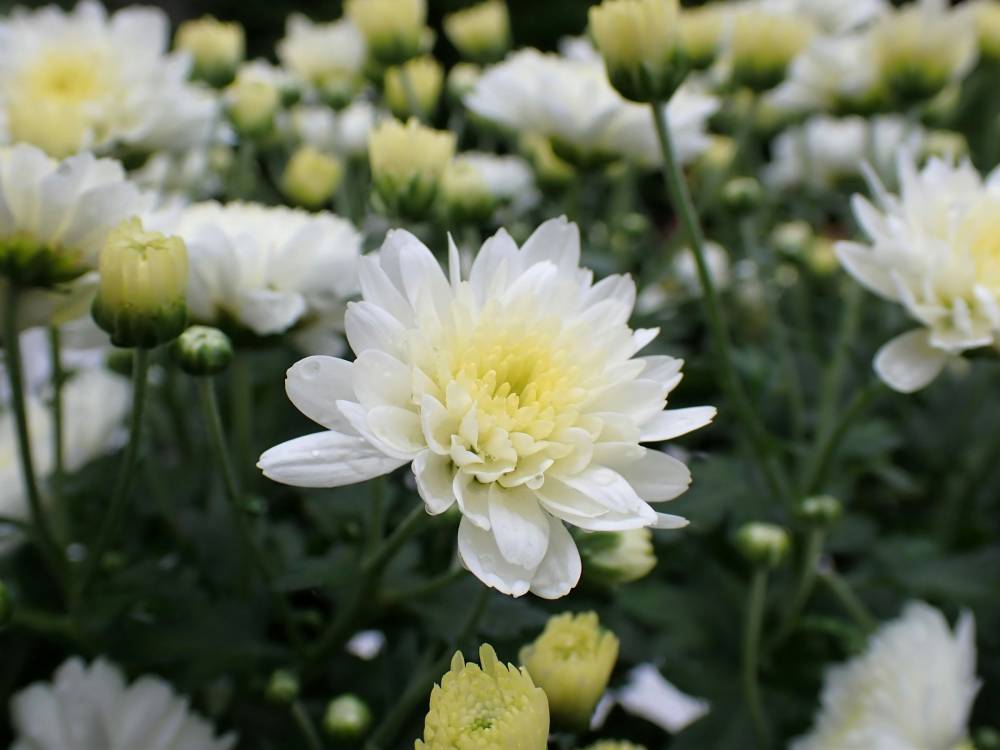
- Chrysanthemum
Also known as “ju hua,” the chrysanthemum is more than just a beautiful flower. It’s also a widely used traditional Chinese ingredient that is good for the eyes.
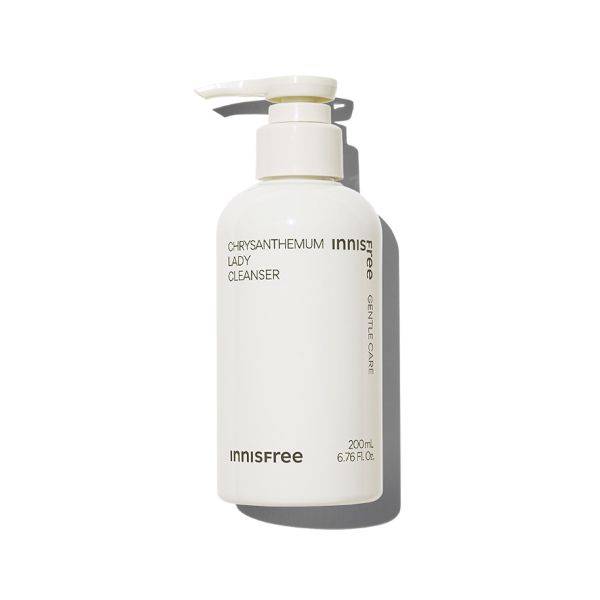
It is also said to cool or remove “toxins,” which Dr. Tan-Gatue says is a general term for inflammation-inducing materials, from the blood. “This, in traditional Chinese medicine, means it can help clear inflammation from the skin,” explains Dr. Tan-Gatue, who is also the clinical assistant professor at the UP College of Medicine and the Section of Herbal Medicine and head of the Department of Traditional Chinese Medicine at the Chinese General Hospital.
“At least one study also suggests that it can protect from the effects of UV light,” he adds.
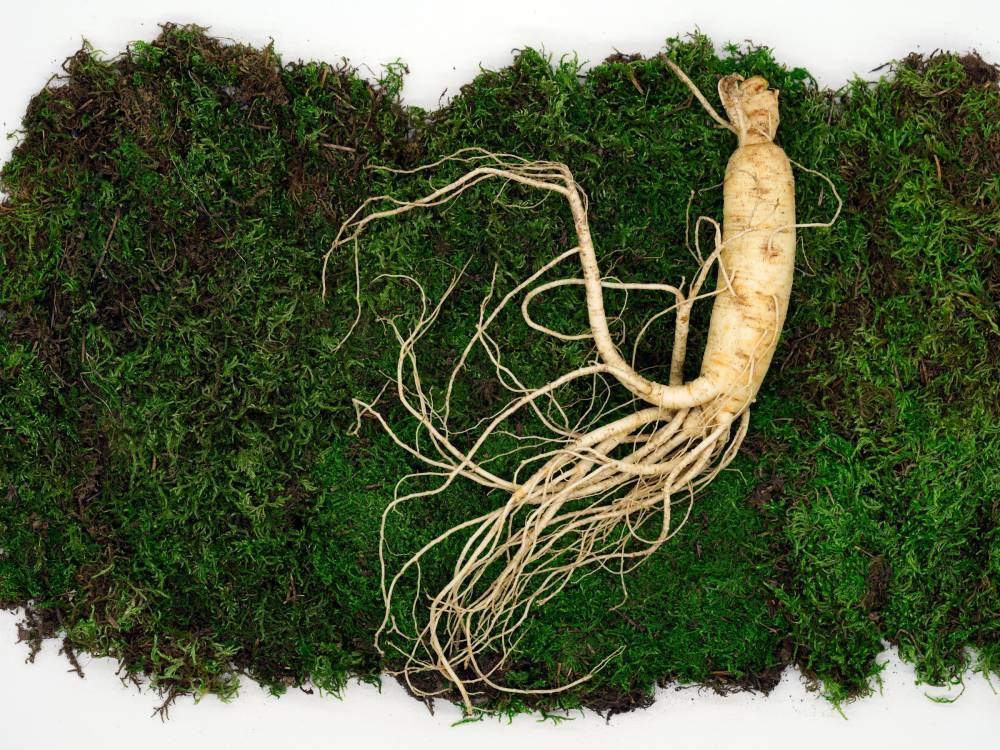
- Ginseng
A very popular Chinese herb, ginseng is traditionally used for tonifying the body’s core energy, which is known as the “original qi” or the qi that “powers” all the other organs.
Dr. Tan-Gatue also points out that it is very effective in strengthening the spleen and lungs. In Chinese medicine, he notes, the lungs “are said to manifest in the skin and body hair.”
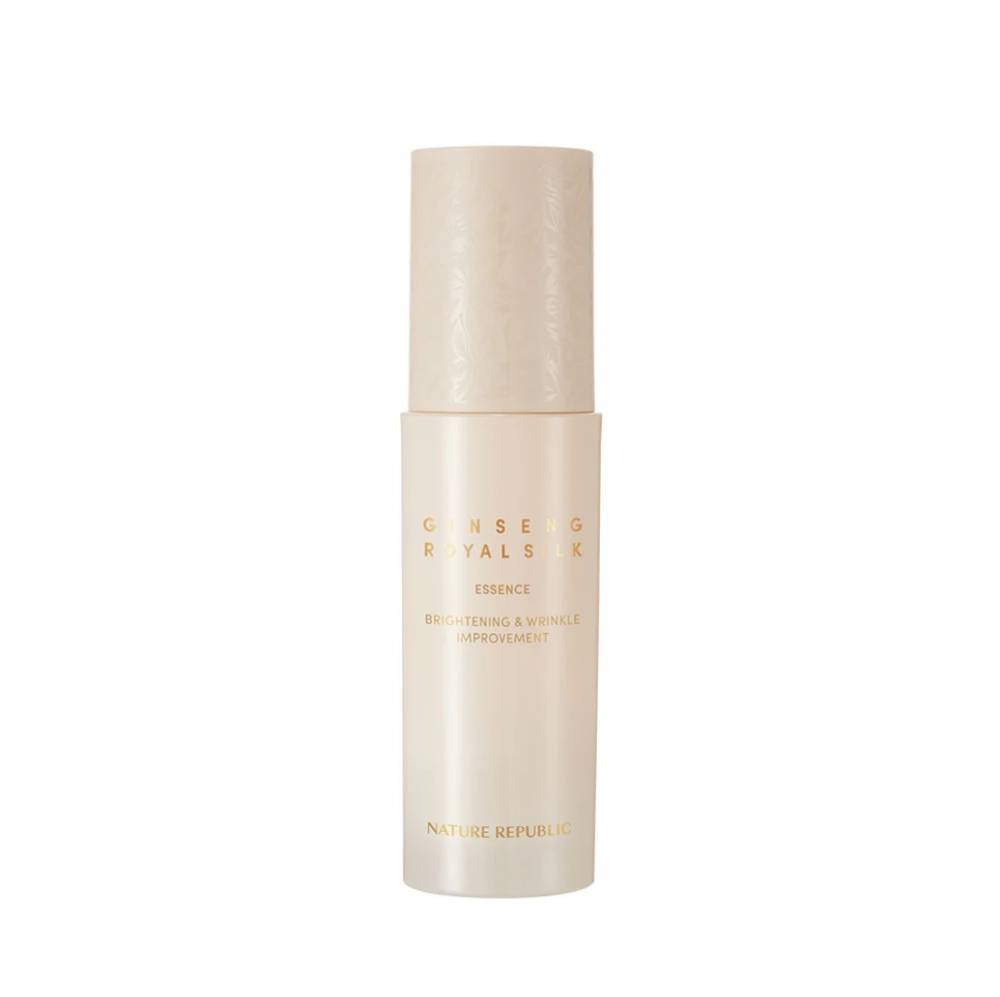
“Ginseng has thus been used in recent years for anti-skin aging, skin whitening, anti-wrinkle, and for moisturizing,” Dr. Tan-Gatue says. “The active ingredient is a recently discovered component called gintonin. Studies have also shown that it has the effect of encouraging hair growth.”
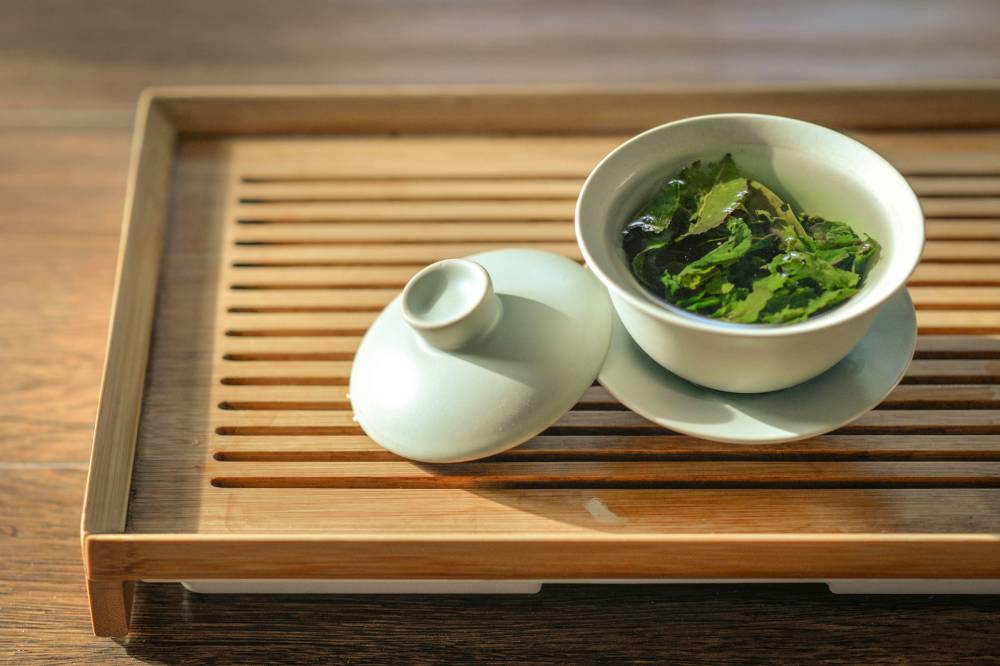
- Green tea
Not only is green tea a delicious drink, but it also has benefits for beauty, too. According to Dr. Tan-Gatue, green tea also circulates qi, manages water in the body, and promotes digestion.
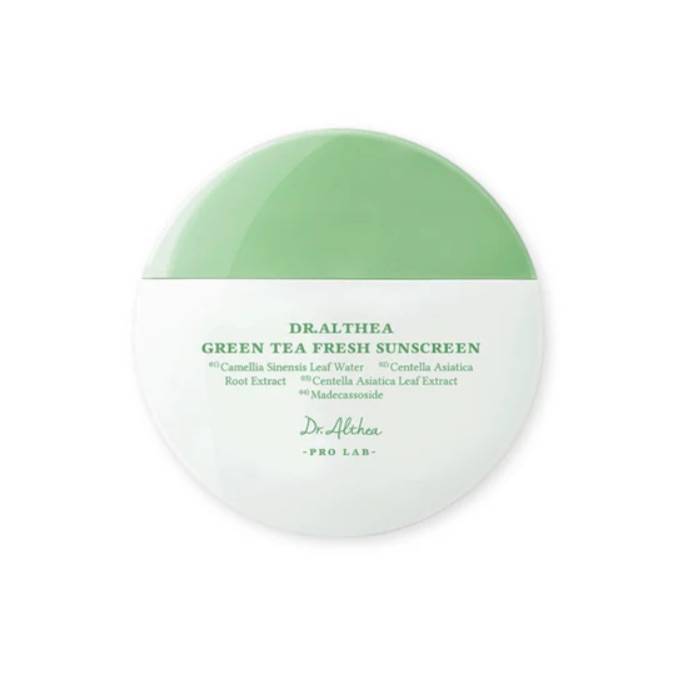
Like the chrysanthemum, it is also said to reduce inflammation. “So it is said to help reduce acne, among other things,” Dr. Tan-Gatue points out. “It is also rich in antioxidants called catechins.”
- Pearl
The pearl, which is known as “zhen zhu fen” in Chinese, is traditionally used for calming the spirit and nourishing the heart. For those looking to even out their skin tones, this is an ingredient to look for in a product.
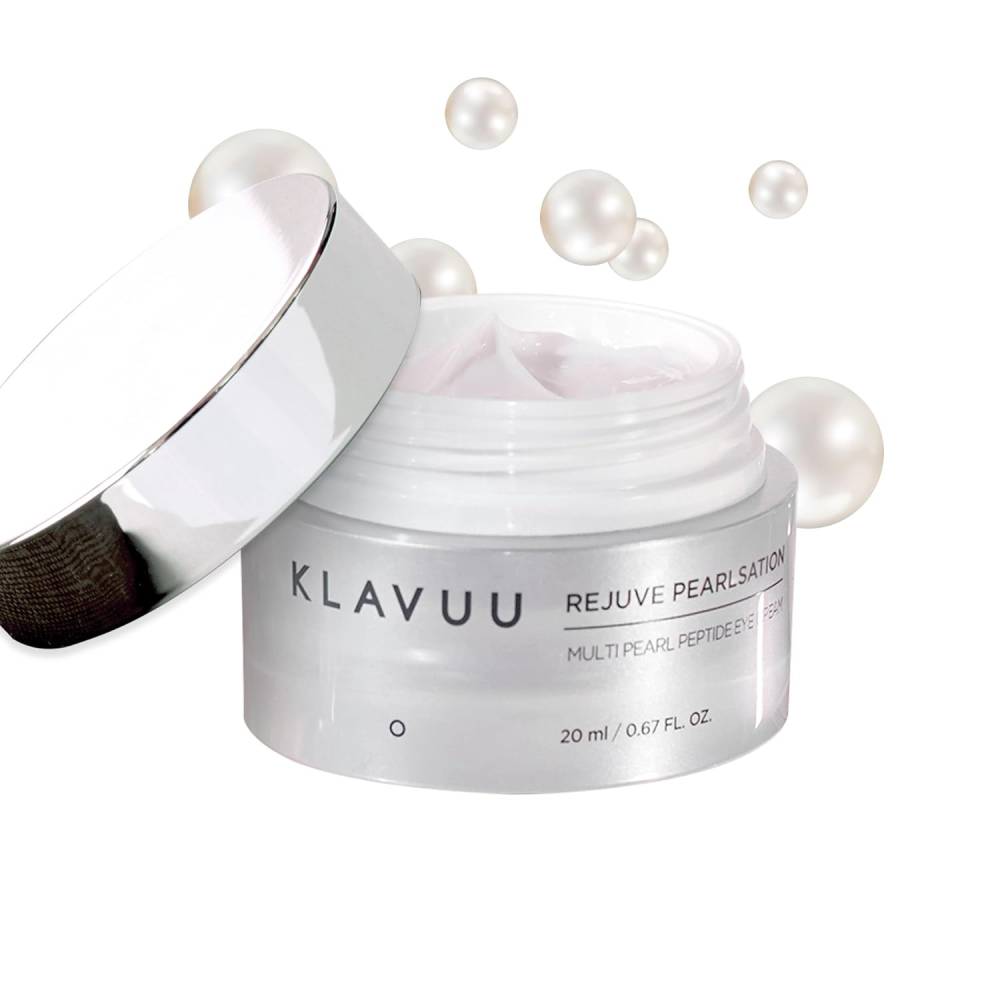
“An additional use is to try to clear skin pigmentations,” explains Dr. Tan-Gatue. “Some scientists have even studied its use for chronic skin ulcers.”

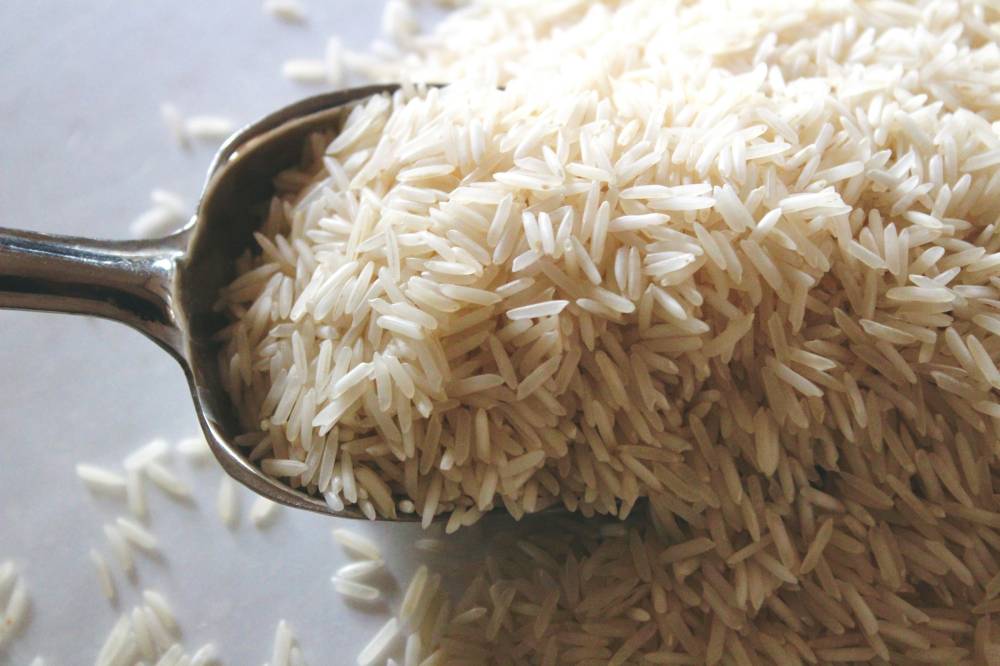
- Rice
“White rice in TCM enters the lungs and spleen, and by now, you’ve noticed that lungs can help with skin,” Dr. Tan-Gatue says of the Filipino favorite. “It moistens the yin, clears inflammation, promotes urination, and strengthens the qi.”
Dr. Tan-Gatue also quotes one particular study, which says that rice-derived ingredients “have been found to be anti-aging, anti-inflammatory, whitening, photoprotective, and moisturizing.”
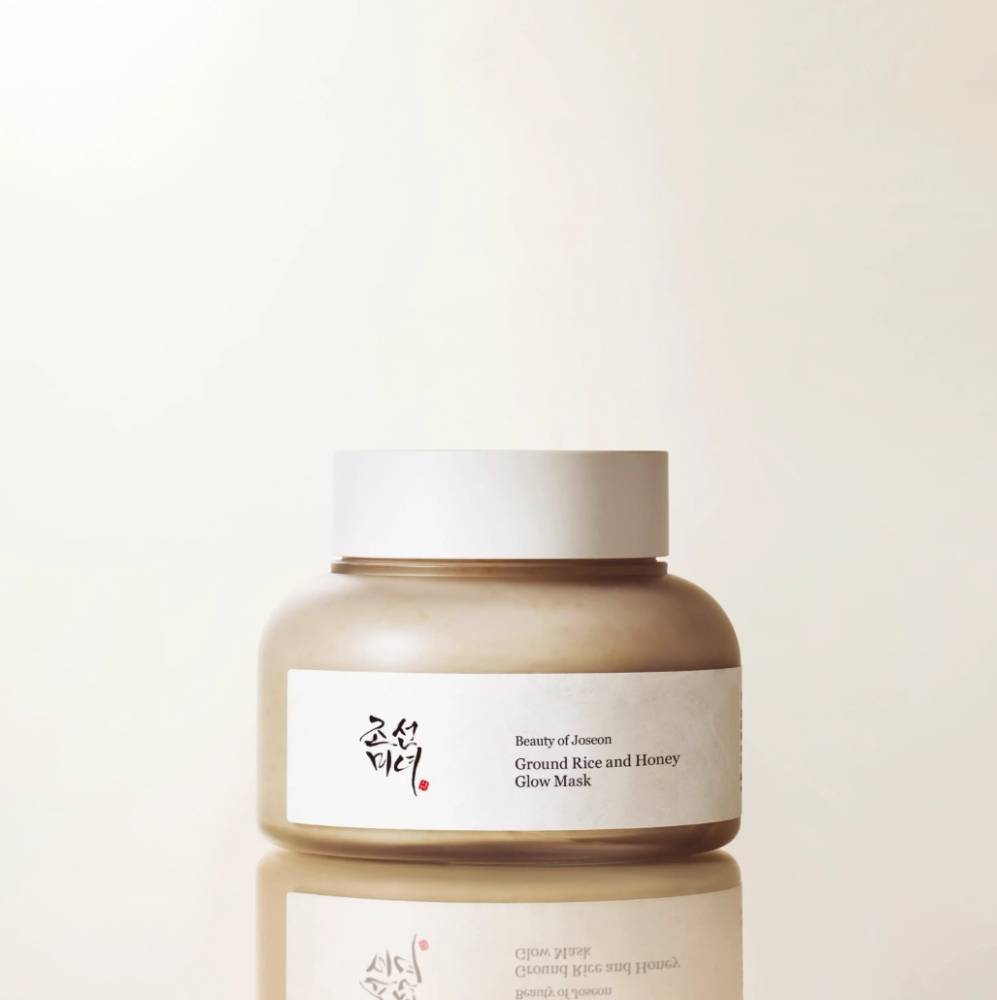
The study also notes that rice-derived ingredients have demonstrated benefits for dermatological conditions. Fermented rice bran extract and rice bran broth baths, for example, have been useful in atopic dermatitis treatments.
It also helps that medical literature has suggested that these ingredients are hypoallergenic, non-irritating, and safe.
A quick reminder before buying
The sheer variety of beauty products available can make choosing the right one a lot harder. However, when it comes to such products, it’s not usually one size fits all.
Before buying beauty products you’re unsure of, talk to a professional, like a dermatologist, first. This will help you determine which ingredients work best for your skin and the issues you want to address, and it will save you from spending money on the wrong things, too.