






‘58th’s’ call for justice rings loud in Rotterdam

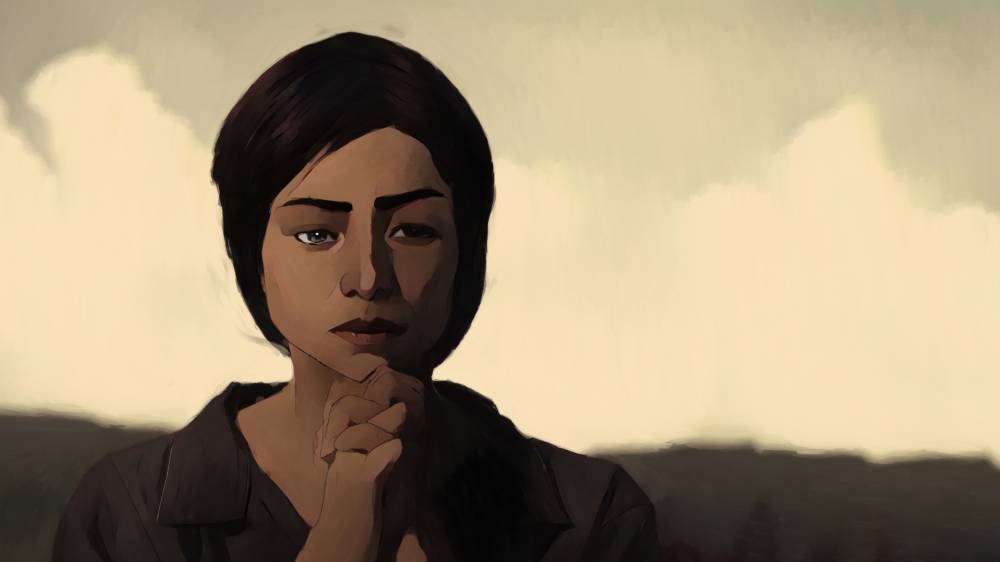
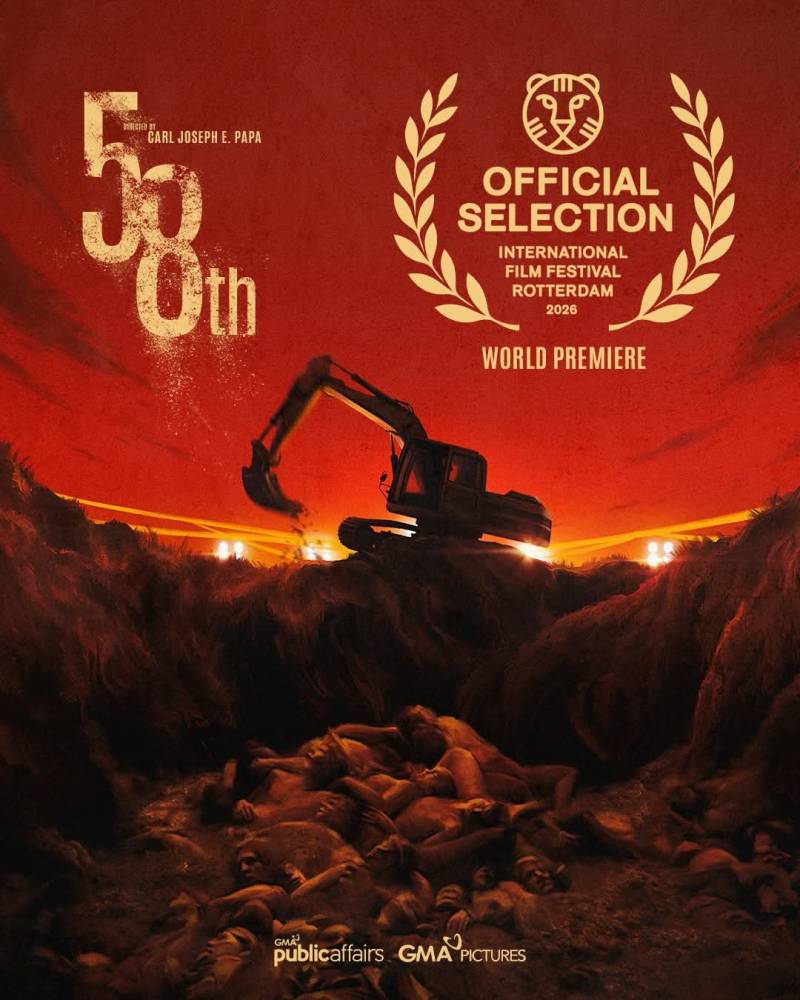
More than a decade after it was first pitched and “lived in the dreaming,” “58th” has now begun its journey on the world stage. Directed by Carl Joseph Papa, the animated documentary—a moving account of the 2009 Maguindanao massacre—recently premiered at the International Film Festival Rotterdam (IFFR) in the Netherlands to an enthusiastic response.
On its first day of screening last Jan. 31, producer Nessa Valdellon of GMA Public Affairs and GMA Pictures worried that no one would show up. It was a first for the network’s film production arm, after all. But much to her surprise, a line had already formed outside the theater 20 minutes ahead of schedule.
When the event concluded, the crowd rose to its feet and gave an “unexpected standing ovation.”
“I assumed Dutch people are just naturally warm. But then Direk Carl—who has attended many international screenings and even screened in Rotterdam before (for ‘Iti Mapukpukaw,’ 2024)—started to tear up as the audience was clapping. It was apparently a first for him as well,” she says. “What a lovely, unforgettable experience.”
Also for the Filipino audience
The film is one of the six Filipino productions featured in the IFFR, including “Moonglow” (Isabel Sandoval), “First Light” (James Robinson), “Quezon” (Jerrold Tarog), “I Grew an Inch When my Father Died” (R.R. Patindol), and “Cinemartyrs” (Sari Dalena).
“58th” is part of IFFR’s Harbour program, which “offers a safe haven to a full range of contemporary cinema.” The festival runs until Feb. 8. While it’s not part of any competition, the film rose to ninth place in the Top 10 Audience Awards after only its first screening, Valdellon reports.

Plans for local release are also in the works, she adds. “I can’t wait for the Filipino audience to see it.”
The idea for the film was first pitched over 10 years ago, but it was only after Valdellon met Papa during “Iti Mapukpukaw’s” run and campaign—renowned for its mix of rotoscope and traditional animation—that she knew exactly how this story had to be told.
A touching, creative approach
This time, Papa utilized animation and archival footage to depict the beginnings and aftermath of what’s often cited as the deadliest single-day attack on journalists in history. The story is told from a personal angle, through the eyes of the daughter of the fallen photojournalist Reynaldo Momay. While 57 bodies were recovered, Momay’s was never found and therefore wasn’t officially recognized as a victim.
“Making extensive use of TV newsreel footage, Papa transforms his accumulated research (including Skype interviews) into animation, allowing him to dramatize unrecorded events,” the festival note about the film reads. “Most touchingly, this creative approach opens the door to lyrical imagining of times past, present, and future.”
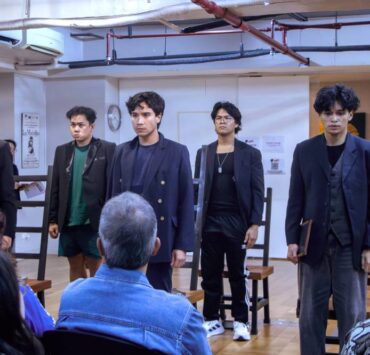
Seeing the movie come to life on the big screen, actress Glaiza de Castro—who portrays Momay’s daughter, Reynafe Castillo—couldn’t be prouder.
“We shot all of our scenes with minimal practical props and relied mostly on our imagination to envision everything,” says De Castro, who had worked with the late Ricky Davao—who played Momay—on his final project before his death last year. The supporting cast includes Mikoy Morales, Marco Masa, Zyren Dela Cruz, and Biboy Ramirez.

“But seeing it all come together—the animation, the actual footage, and the way the story was retold—made me really proud to be part of this project,” she adds.
Twofold mission
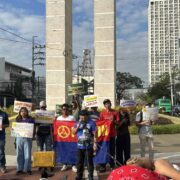
But more than technical triumph or applause, it’s the film’s advocacy that still rings loudest: truth and justice. Despite convictions and partial justice served in 2020, Momay’s absence from historical records continues to bring grief to his family, who, all the same, remain unwavering in their pursuit of proof and official acknowledgment.
“Our core mission for this film is twofold: to give voice to those who have been silenced and to stand in solidarity with those who are still fighting for justice,” Papa says.
De Castro, who has starred in other socially charged films like “Liway” (2018), feels grateful and honored “to give voice to the victims’ families and help [keep] their call for justice alive.” “It reminds all of us that we should never stop questioning and never lose hope,” she says.
Indeed, Valdellon considers the crafting of “58th” as an “act of resistance.” “Impunity in the Philippines persists because we keep allowing it to happen,” she points out. “It’s a reminder to our countrymen that forgetting is dangerous.”