










A beginner’s guide to Muay Thai

Wanting to lose the post-holiday weight is one thing, but being active is where it’s at. Oscillating from sport to sport proved futile, given that my short attention span doesn’t let me stay committed to one. Pilates and yoga, while rewarding for most, seem slow for me (no offense to them—I know how difficult it is to perfect those forms, they’re just not my thing). Running on a treadmill? Boring—because where am I even going? Running around my neighborhood? Not exactly viable, given safety concerns and the lack of proper sidewalks.
And while pickleball has caught my interest, it’s the kind of sport that needs a lot of logistics—aligning schedules, booking courts… and if I wanted to make this a more frequent thing, I needed something near me. Something I can do when my schedule magically frees up, even at the last minute.
I may sound like I’m whining, but in reality, I’m finding a sport that feels productive. Something that feels like progress. Something that teaches me new skills. Something that I could use for later.
Something with a little more punch. And kick. That’s where Muay Thai comes in.
Power with purpose
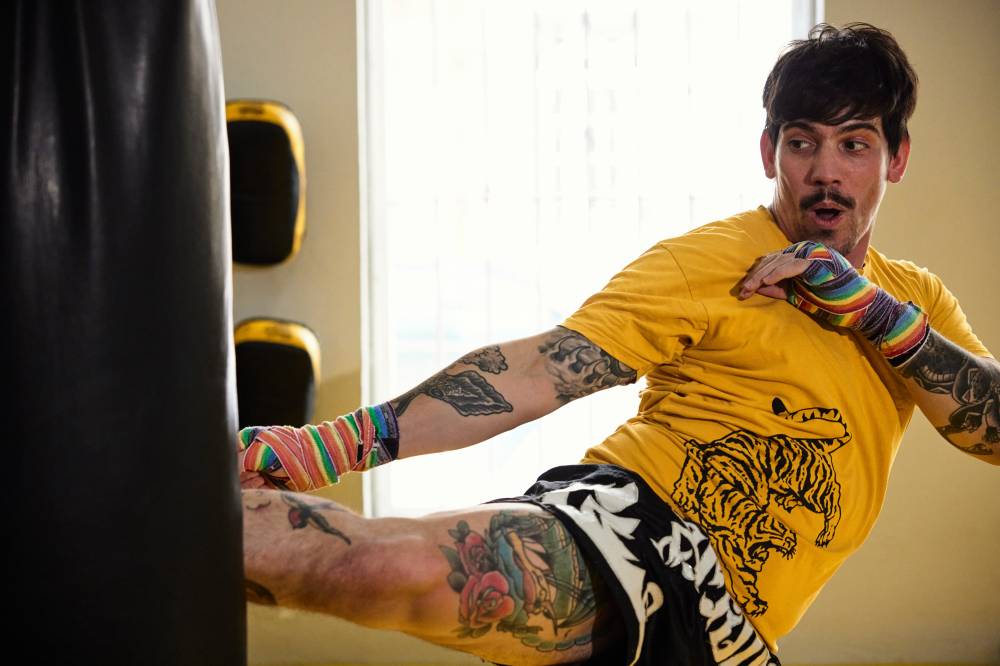
Known as the “art of eight limbs,” Muay Thai is a martial art and full-contact combat sport that uses fists, elbows, knees, and shins to deliver strikes, plus a whole arsenal of clinching techniques. Originating in Thailand, it soon found its way into mixed martial arts, and, from there, into gyms, short videos—and the collective consciousness of anyone who secretly wanted to feel like a Tekken character, or thought “That looks cool, I want to try it,” myself included.
While boxing relies solely on your fists to land blows, and kickboxing uses both arms and legs (and the occasional knee—but definitely no elbows), both sports rely on speed to land those blows. But Muay Thai uses deliberate but powerful, heavy strikes to get the job done.
Now, the myths. Muay Thai is not the barbaric, mindless, brutal violence martial art and sport you’re led to believe. There’s a lot of strategy, technique, and practice that goes into every movement and combo. Without the right skills, even those “strong” strikes aren’t as effective.
Bruising, on the other hand, is part of the process. But injuries only happen when you skip out on proper training, when you’re not wearing the right gear, or when you ignore the basics—like warming up, doing the form correctly, and listening to your coach.
More than a sport for professional athletes and fighters, Muay Thai can be adapted as a workout. These days, many gyms offer beginner-friendly classes that focus on building strength and technique (and muscle), while teaching proper form and combos through padwork drills, bag work, and even partner exercises. And from there, you can even progress into sparring.
The science behind it
Muay Thai works as a fitness routine because your whole body’s hard at work: you move your arms and shoulders to throw punches, while your hips and legs deliver devastating kicks. And to maintain stability and balance the whole time, your core needs to be constantly engaged.
Like most high-intensity workouts, Muay Thai relies on short bursts of energy. Each round of padwork drills consists of three minutes of nonstop kicking and punching, with 30-second breaks in between, for a total of six rounds per session. The same rules apply for sparring: three minutes per round, though some professional fights can go on for five minutes.
This high-effort rhythm builds up your stamina, endurance, and muscle strength. It tones your muscles, and while you won’t bulk up like a bodybuilder, you’ll notice that your arms, legs, and core will be more defined. That’s because your anaerobic system kicks in, and your body uses stored energy for those explosive movements, tapping into carbs and fat, while your aerobic system is engaged during those 30 seconds of rest to help you recover.
And because it’s a high-intensity interval training workout, your metabolism stays elevated even after training, thanks to the excess post-exercise oxygen consumption effect—meaning, your body will still keep burning calories for a period of time.
More than just kicks and punches
Padwork drills and sparring may form the foundation of Muay Thai workouts, but priming your body is just as important. Before or after training, coaches will usually let you do a series of circuit exercises and ab workouts to build up your body, whether that’s your core strength, endurance, stamina, or flexibility.
This includes weight training and resistance exercises on top of pre-game warm-up and cooldown exercises. Some even make you run a few laps around the gym or do jump rope drills to build up your stamina and footwork. Meanwhile, bag work lets you practice and improve your form.
Together, these exercises prime your body while sharpening your technique, which helps you land those punches and kicks with power and precision.

When the results speak for themselves
Productive, challenging, but empowering, Muay Thai isn’t just a workout. It can help you burn calories, which sounds great if you’re looking to lose weight, but you also get muscle and strength building out of it. This means that you won’t necessarily see the numbers on your scale dropping just yet—but you will notice your body getting stronger, leaner, and more capable with every session.
You’ll notice that you don’t get tired as easily, that you can carry heavier things, and that your sense of balance is better. You may even be surprised by how flexible you’ve become.
But it’s also a lesson on discipline and patience (and even self-defense). I saw the pounds drop, but it eventually plateaued because building muscle translates to the scale. But my arms and legs were more defined. And that was only from twice-a-week sessions across a few months. What more if I did it often?
While I don’t claim to be an expert at Muay Thai (I’m still learning, after all), I find that it’s pretty easy to get into. Yes, you’ll need to invest in the gear—gloves and wraps being the most basic—but with a can-do attitude and a willingness to learn, you’re good to go.
And if you feel lightheaded, weak, sore, or tired after the first few sessions, that’s okay. It’s all part of the fitness journey. You’re still starting out, and you’ll get better at Muay Thai the more you do it.
Muay Thai starter pack
Whether you’re a seasoned fighter or a beginner, you can’t do Muay Thai without these essentials:
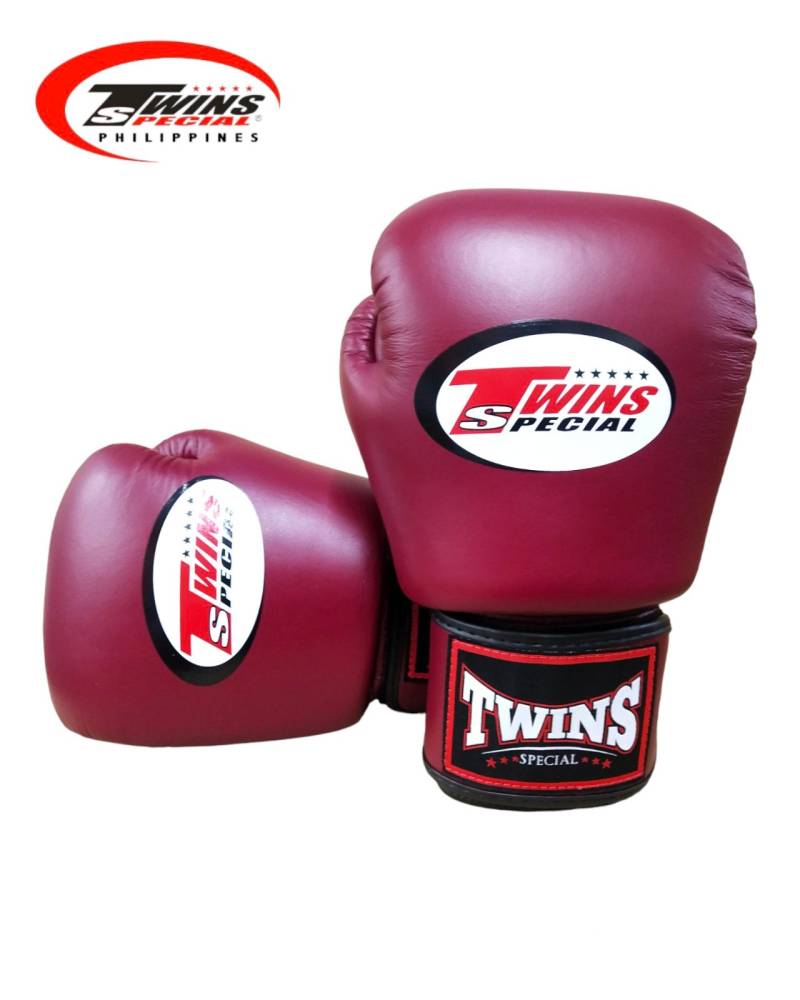
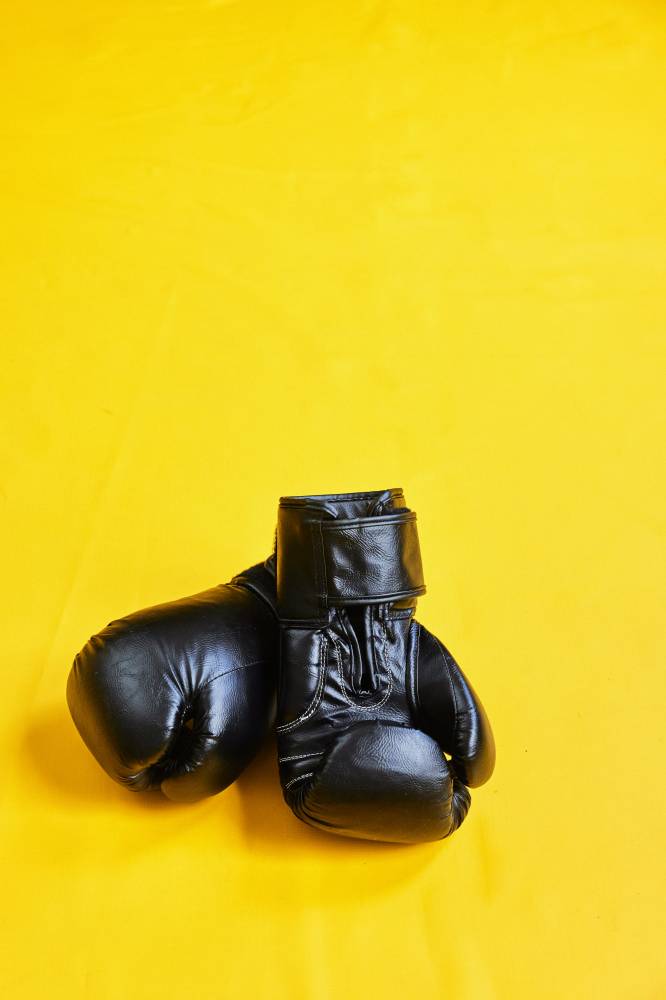
- Gloves: Twins Special, Fairtex, or Venum
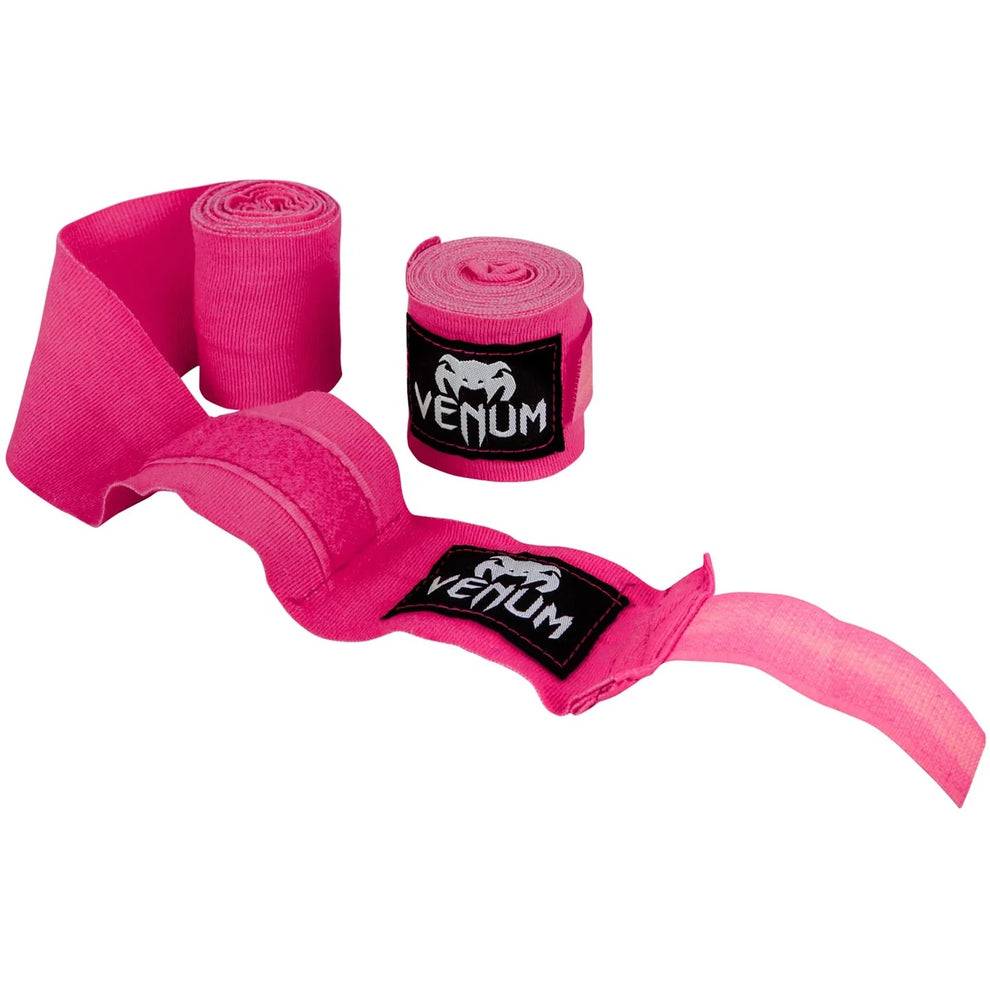
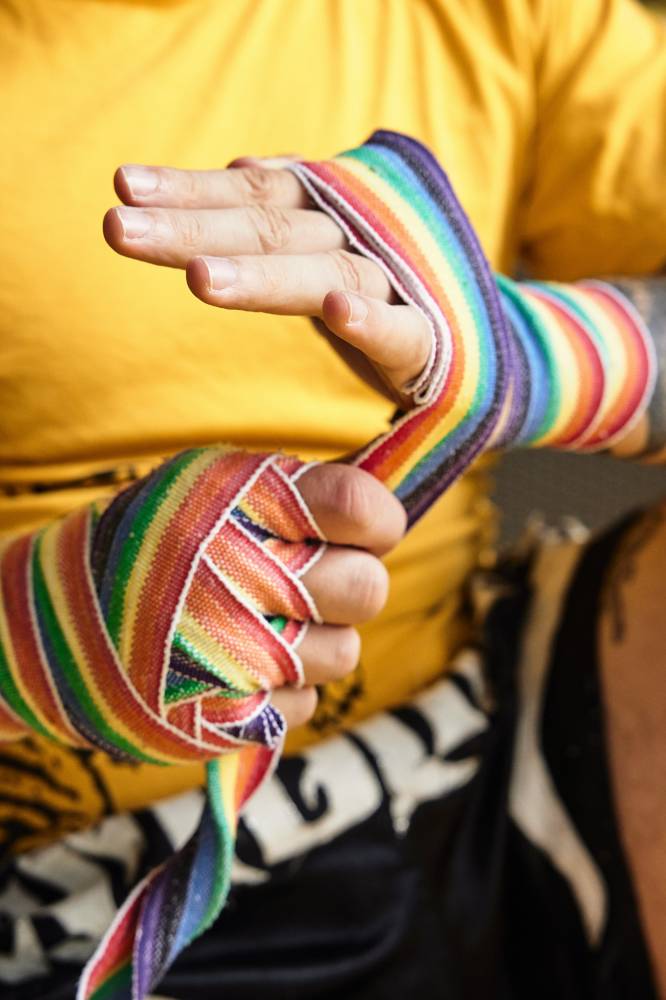
- Hand wraps: Twins Special, Everlast, or Venum
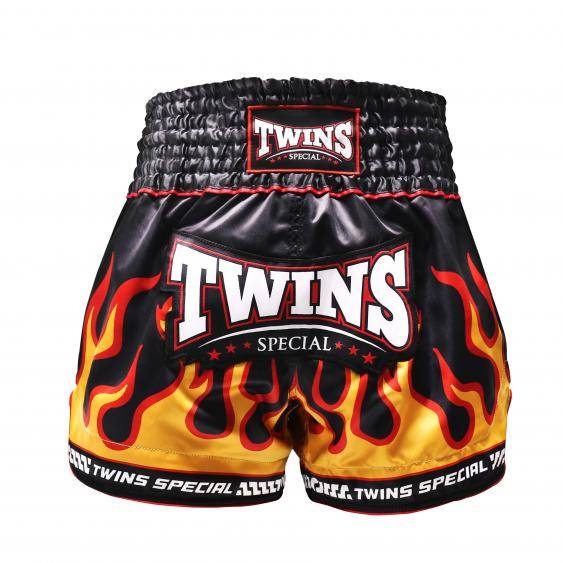
- Muay Thai shorts: Twins Special, Fairtex, or Venum
- Sports towel: Adidas, Speedo, Decathlon, or Aquazorb

- Water bottle: Sunnies Flask, Owala, Corkcicle
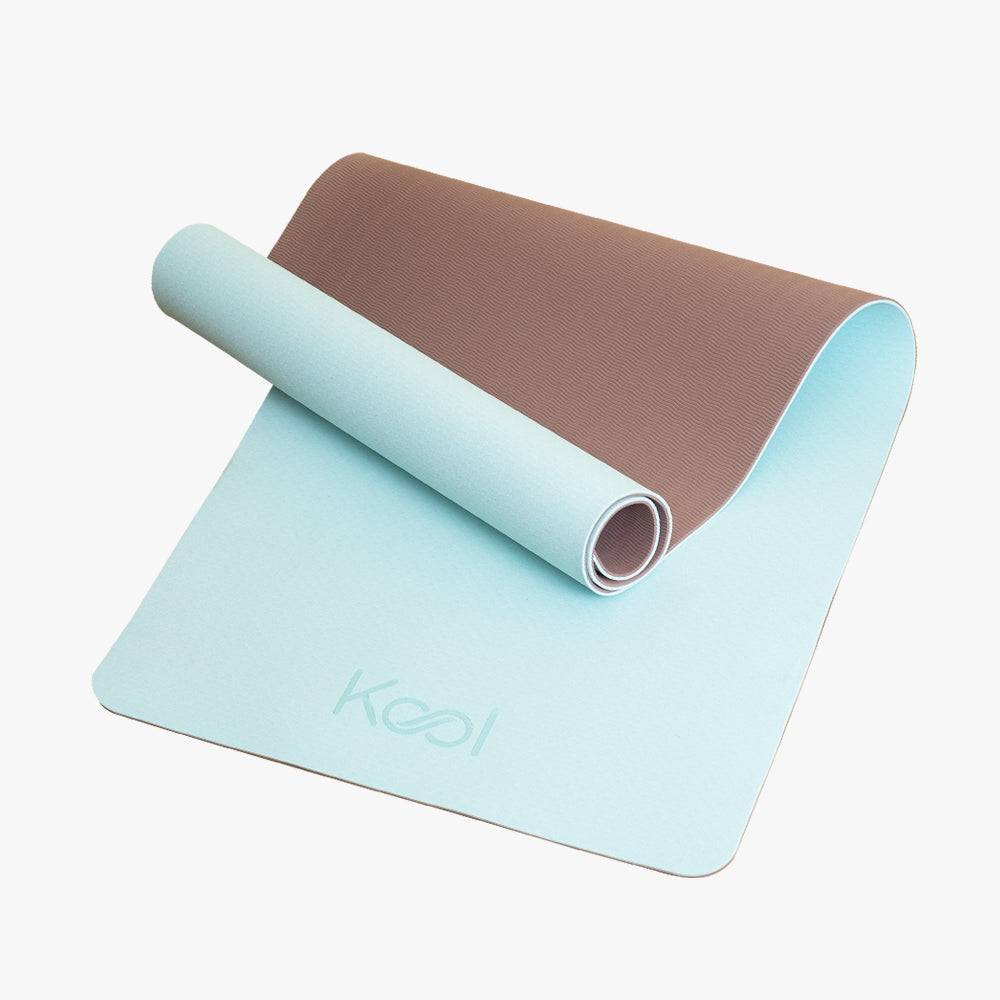
- Exercise mat: SKLZ, Seva, Manduka, Kool
Grip socks (optional): Grippies, Cheak, Happy Movement Club