









A Filipino twist on a Middle Eastern classic

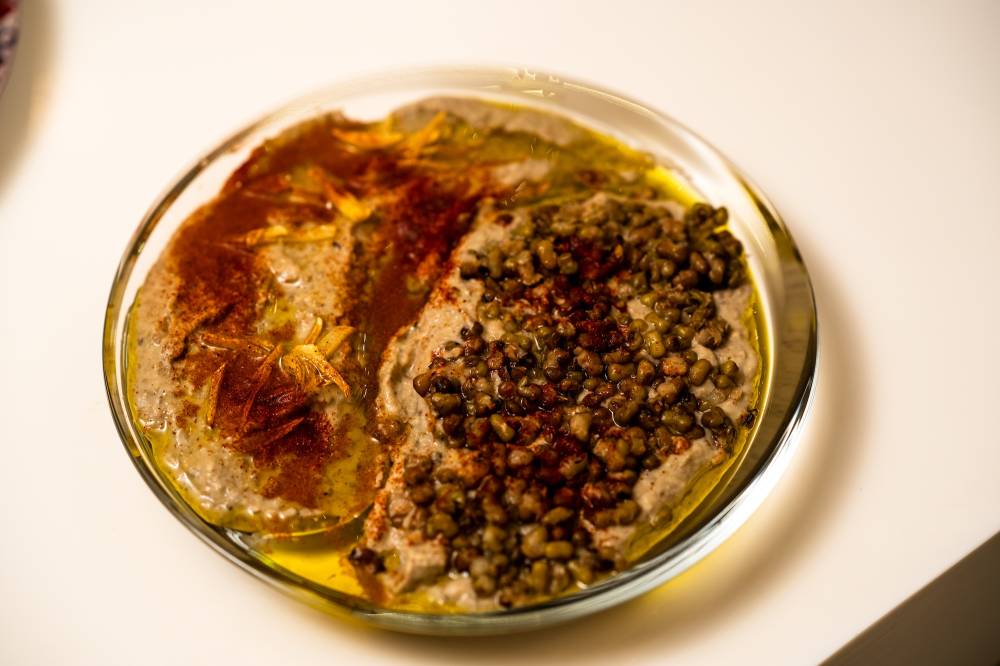
In Filipino kitchens, monggo (mung beans) are synonymous with comfort. Simmered into hearty stews with malunggay, garlic, and sometimes tinapa or pork, monggo is a Friday staple in many households.
Meanwhile, in the Middle East, chickpeas are transformed into silky, lemony hummus—one of the region’s most beloved dishes. My husband’s first baby steps into plant-based eating was brought on by a love for hummus. Our fridge is stocked with hummus at any given moment. To lower the calories brought by olive oil, I use aquafaba or water that the beans are soaked in to add to the liquid, with the oil providing its taste instead of relying on it for texture and creaminess.
What happens when these two culinary traditions meet? You get monggo hummus—a vibrant, protein-rich spread that blends Filipino ingredients with Middle Eastern technique. The result is familiar yet new: earthy, creamy, and bright with citrus.
Monggo is the most researched Filipino legume, and for good reason. Its high protein content and year-round availability make it an affordable protein source. Most of us are used to eating monggo in the most common form: monggo guisado, topped with pork, fish, or served alongside paksiw.
Monggo was the first dish I used in creating my dishes for Mesa ni Misis—monggo Bolognese. Just like Bolognese recipes, the flavor varies from Filipino party spaghetti, which is sweet, to a more sophisticated version that uses red wine. The main point is to use the monggo, which is so versatile, in other dishes that are also familiar to us.
Monggo hummus proves that comfort food can cross borders. By blending the humble Filipino mung bean with the time-honored structure of Middle Eastern hummus, we create something nourishing, accessible, and culturally rich.
At first glance, swapping chickpeas for mung beans may seem unconventional. But from a culinary perspective, it makes perfect sense.
- Similar texture
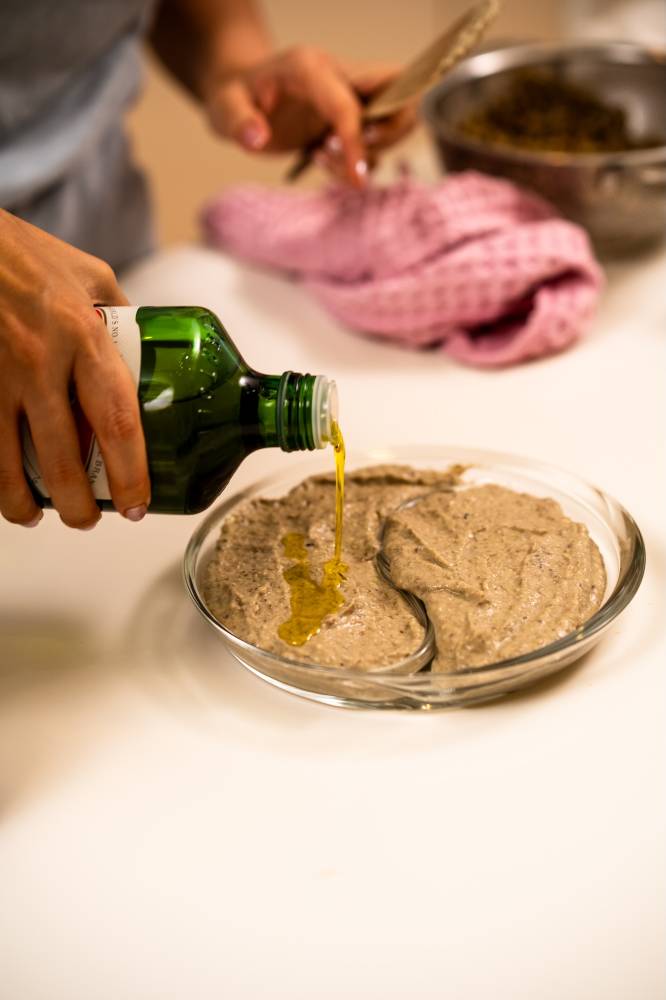
When cooked until tender, monggo becomes soft and creamy—ideal for blending into a smooth paste. Like chickpeas, they hold structure while still breaking down easily. There are two kinds of monggo—monggo kintab, or shiny—which stays more firm even with soaking and boiling, and monggo labo, which is softer and murkier. For this hummus dish, look for the ‘labo’ variety, as you will want it as creamy as possible.
- Nutty, earthy flavor
Mung beans have a mild, slightly sweet earthiness. This pairs beautifully with tahini (sesame paste), garlic, olive oil, and lemon or calamansi.
- Local, affordable, sustainable
In the Philippines, monggo is more accessible and budget-friendly than imported chickpeas. Choosing locally grown legumes reduces food miles and supports local farmers.
- Nutritional benefits
Mung beans are:
*High in plant-based protein
*Rich in fiber
*Packed with folate, magnesium, and antioxidants
*Naturally low in fat
Traditional hummus from the Middle East often features a creamy chickpea base, richness that comes from tahini, lots of lemon, garlic, and olive oil. Monggo hummus on the other hand is a little gentler on the palate—sweeter and less heavy. For extra kick, I’ve added cumin but also feel free to try curry powder. I also added some serving suggestions for interesting takes on it.
Ingredients
*1 cup dried monggo (mung beans), soaked and cooked until soft
*1 to 2 cloves garlic
*Juice of 1 or 2 calamansi (or half a lemon)
*2 to 3 tablespoons olive oil
*Salt to taste
*Cooking water from monggo (as needed for blending)
*Pinch of cumin

Instructions
- Cook soaked monggo until very tender. Drain, reserving some cooking liquid.
- In a food processor or blender, combine monggo, garlic, citrus juice, salt, and olive oil.
- Blend until smooth, adding cooking water gradually for desired consistency.
- Taste and adjust seasoning.
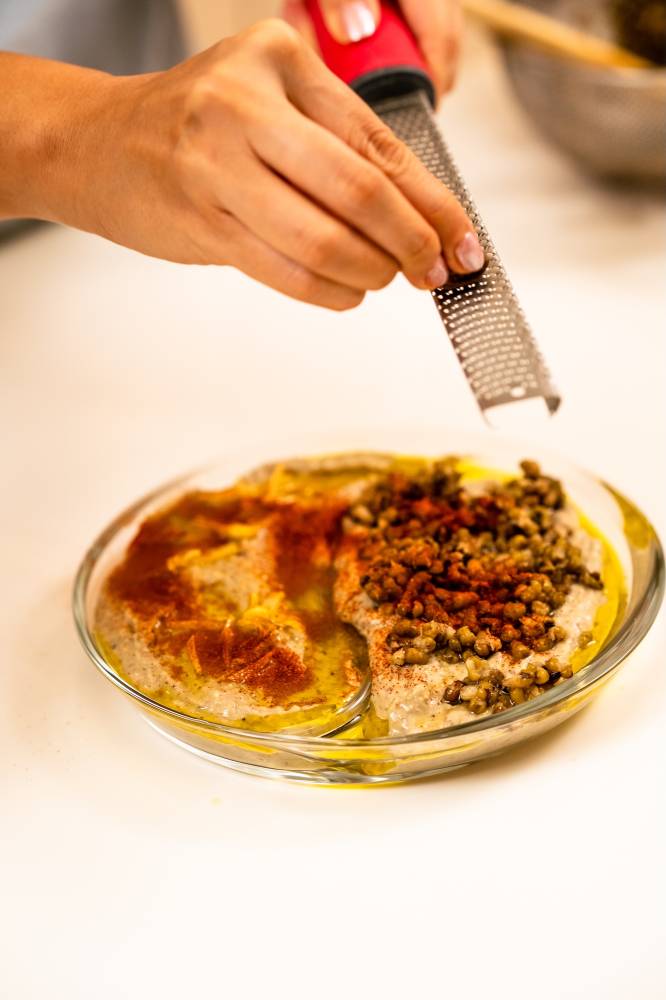
- Serve drizzled with olive oil and topped with paprika, toasted sesame, or chopped herbs.
Monggo hummus is versatile. Here are some serving suggestions to create your own twist for your desired occasion.
- Malunggay boost
Blend in fresh malunggay leaves for added nutrients and a deeper green color. Monggo is often served with malunggay, but this time, it takes on a different form.
- Smoked tinapa version
Incorporate flaked smoked fish for a savory, umami-forward spread—perfect with pandesal.
- Spicy sili kick
Add chopped red chilies or chili oil for heat.
- Coconut-lime fusion
Swap part of the olive oil with a small amount of coconut oil for a subtle tropical aroma.
How to serve monggo hummus
Monggo hummus bridges cuisines effortlessly. Try it:
*As a dip with pita, flatbread, or pandesal
*Spread on whole-grain toast with tomatoes and cucumbers
*As a sandwich base instead of mayonnaise
*Paired with grilled vegetables or chicken
*As part of a mezze-style platter with olives and pickled vegetables
*It also fits beautifully into modern wellness-focused diets—whether you’re eating plant-based, high-protein, or simply trying to incorporate more whole foods.