









A tale of three love stories

Valentine’s Day was last weekend, and I was quite surprised that Metro Manila cinemas didn’t have romantic comedies (rom-coms) populating the screens. What was noticeable, and probably the most high-profile movies, were Emerald Fennell’s adaptation of “Wuthering Heights” and Irene Emma Villamor’s romantic drama “The Loved One.”
The two were the most prominent films tackling that subject matter, while Chloe Zhao’s “Hamnet” was given an early screening on the day of hearts, in advance of the film’s actual wide-screen release, which was yesterday.
Love, but not really
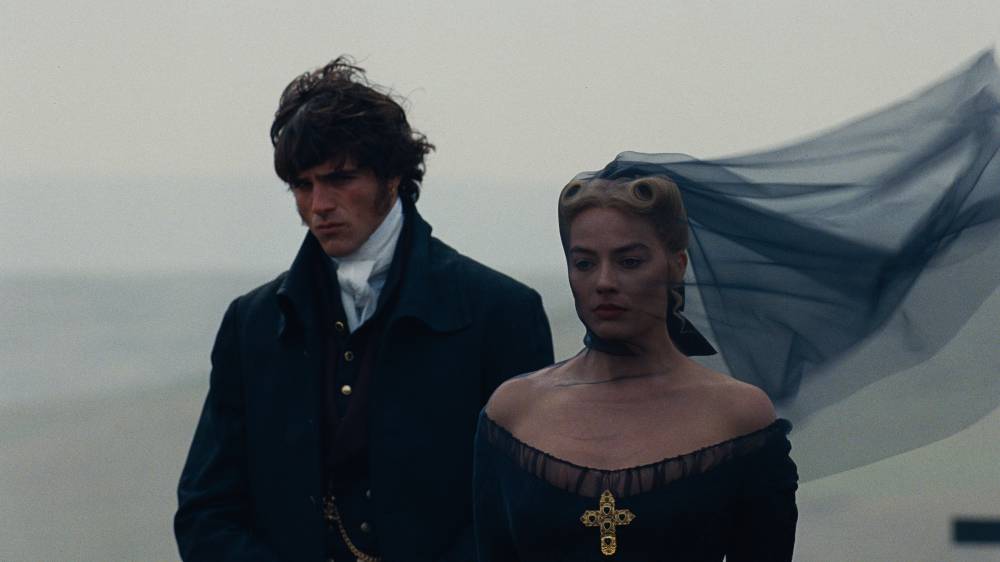
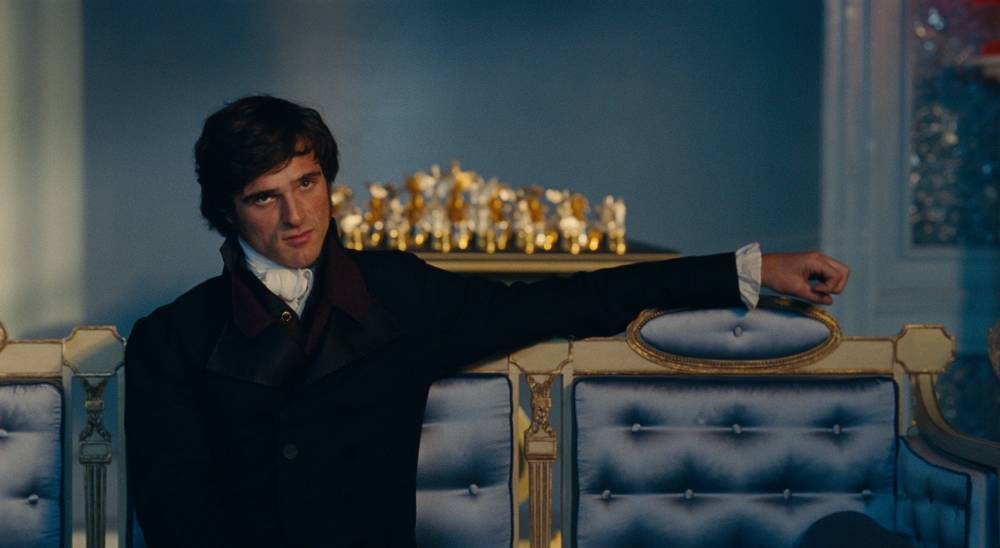
If you have seen all three movies, you’d realize that none of them really tackle the joys of love. Fennell’s adaptation is a tragedy that manages to highlight the toxicity of the main characters’ attachment to each other (played by a fiery Margot Robbie and a seemingly undermotivated Jacob Elordi, who has done better work before), which destroys everyone around them, including themselves.
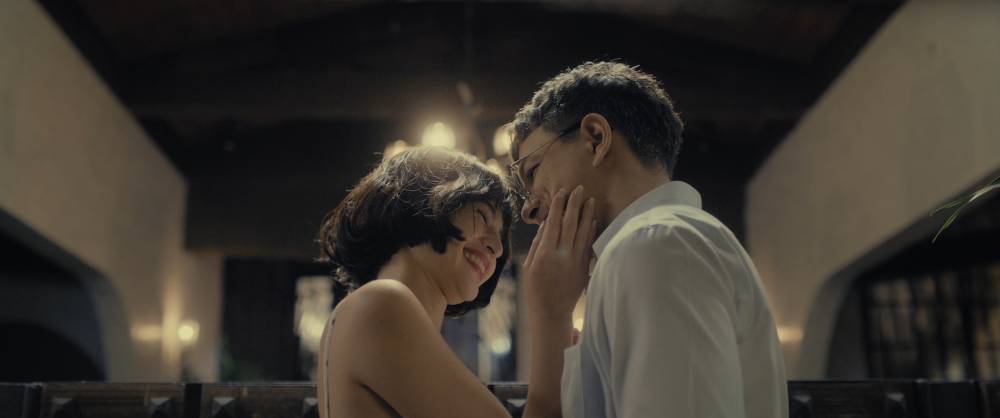
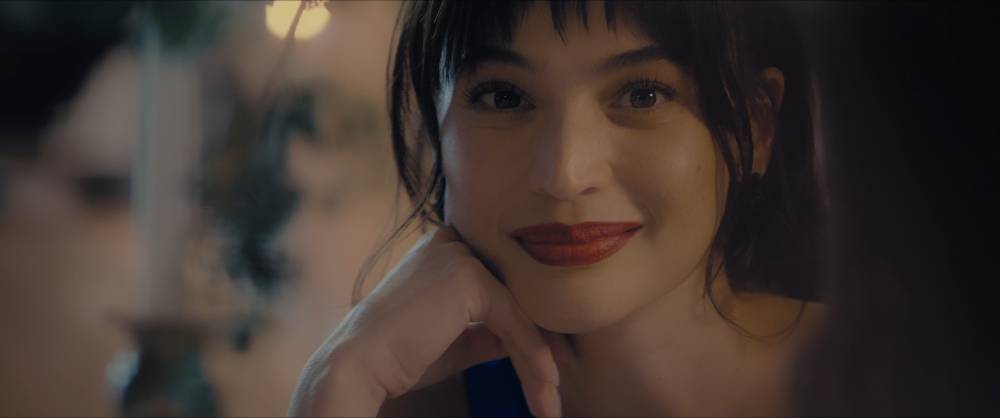
Meanwhile, Villamor’s “The Loved One” reunites her with Anne Curtis (they previously worked together in “Sid & Aya: Not a Love Story”), and they bring Jericho Rosales into the mix—creating a rather insightful look at the power of perspective and memory in a movie that dissects a break-up of a ten-year relationship.
It’s a moving work that takes the narrative shape of a recollection, and remembrance is never linear. We see the highs and lows of Curtis and Rosales’ characters’ relationships and all that is hidden when taken from a singular point-of-view.
On the other hand, Zhao’s “Hamnet” is a maelstrom of emotions that lead star Jessie Buckley embodies in her performance of Agnes Hathaway, the wife of William Shakespeare (played by Paul Mescal), in an adaptation of the book by Maggie O’Farrell, who co-wrote the script with Zhao.
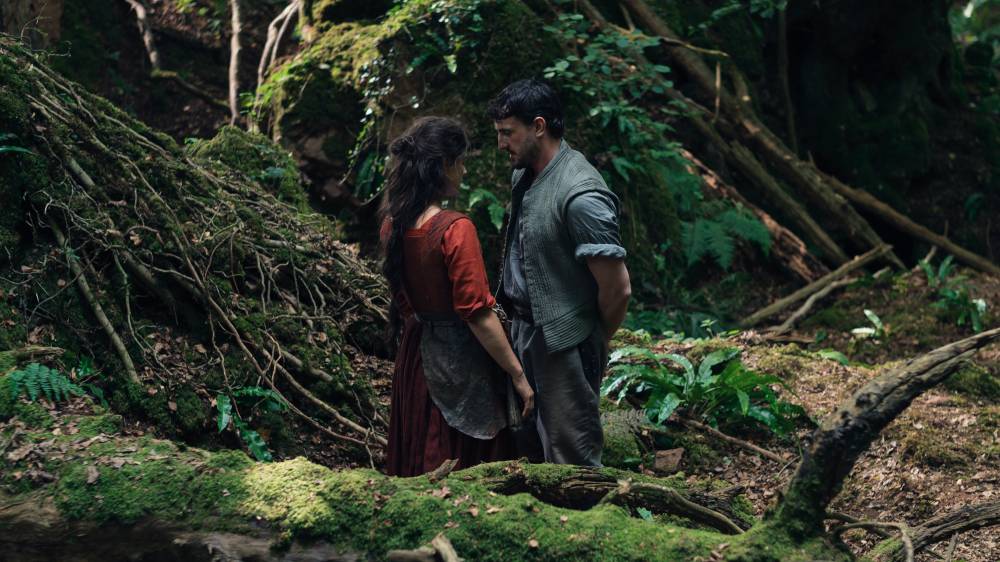
Yes, it does show the love story between Agnes and William, but it goes further than that as it tracks the emotional journey of the couple as they experience joy and grief when a tragedy befalls their beautiful family (and inspires William to write one of his most revered tragedies). This is a love story, but it also shows how love is connected to grief when loss is added into the equation.
It’s not a romance film, when analyzing the genre, but a story about a woman, motherhood, and grief.
Grounded, real love stories
I have not taken the time to really sit down and trace the moment Philippine films leaned more towards the darker side of romance and love stories. Yes, we still have a great deal of rom-coms and love teams, but some of the more culturally significant films finding success and becoming part of the zeitgeist have been films that navigated the complexities of love.
Many movies that have become part of the landscape have shown the harsh realities and struggles that come with that emotion. Two blockbusters that have shattered records—Mae Cruz-Alviar’s “Rewind” and Cathy Garcia-Sampana’s “Hello, Love, Goodbye”—reportedly broke the box office, garnering over nine-digit returns. And these stories do not have the happiest of endings.
Other films that are often talked about have the main characters looking for themselves outside of their relationships, like Antonette Jadaone’s “Never Not Love You,” Irene Emma Villamor’s “Sid & Aya: Not a Love Story,” JP Habac’s “I’m Drunk, I Love You,” Petersen Vargas’ “Un/Happy For You,” amongst many more. Even last year’s Metro Manila Film Festival (MMFF) had one real rom-com, Mae Cruz-Alviar’s “Love You So Bad”—and that ended with the love triangle of Bianca De Vera, Will Ashley, and Dustin Yu not realized as a couple, as De Vera’s character chooses herself at the end.
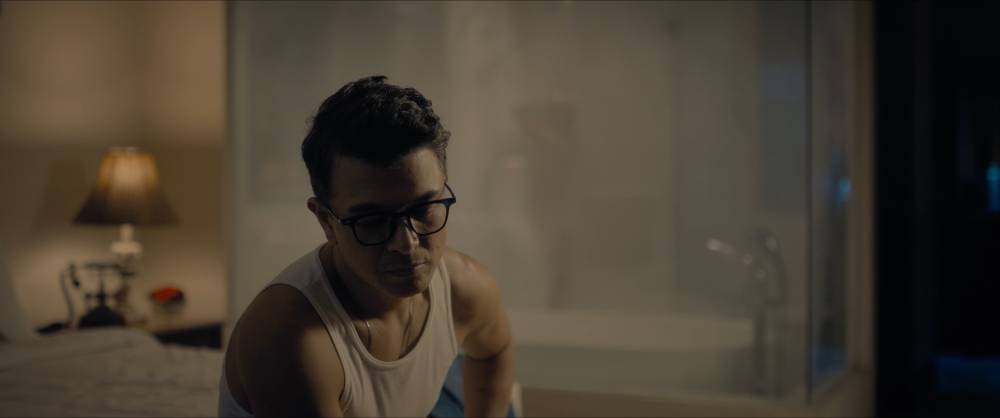
Even the films set for Film Development Council of the Philippines’ (FDCP) Sine Sinta, which runs until Feb. 20, has films that show the more challenging aspects of love like Jade Castro’s “Endo,” Dwein Balthazar’s “Third World Romance,” Jonathan Jurilla’s “Love Child,” the aforementioned “I’m Drunk, I Love You,” and Antonette Jadaone’s “That Thing Called Tadhana.”
In fact, when I think about that shift in tone and approach to the genre, it’s Jadaone’s “That Thing Called Tadhana” that I feel is where our films, and the audience’s demands for it, began to shift their focus.
Hugot and kilig at their peak
Jadaone’s “That Thing Called Tadhana” was an indie hit, a true independent film success story, reaching both commercial and critical success. The strengths of Jadaone’s writing, coupled with the chemistry of Angelica Panganiban and JM De Guzman, brought the audience to the cinema. And its insights about love, expectations, and disappointments had gone viral online, with people quoting from the film and posting screenshots on social media.
It was the peak of hugot culture. Many films began to follow suit.
The ambiguity of the film’s ending—the will they or won’t they get together—and the way it dissected a relationship from the point-of-view of a fresh break-up allowed people to de-romanticize love and really talk about the effort it takes to find one, maintain one, and to let go of one.

I really noted that it was this era of Philippine cinema, around 2014 onwards, where romantic films focused not just on the kilig but on the cost that love demands. There were still classic rom-coms that just focused on the butterflies in the stomach, but those never really seemed to capture the social consciousness.
It was the films that allowed for discussions that really brought out the public. It seemed we didn’t just want to fall in love—we wanted to discuss the parameters that make it worth it.
Cashing that reality check
Romantic films started to demand a grounded premise. Rich-girl-poor-guy storylines (or vice-versa) had to get their politics right and not just the social class as a genre convention. You were going to bring class into it. You’d better discuss it properly and fairly. Cheating was no longer easily forgivable. Men being boys was no longer something that the public would so easily forgive, too.
As the world got darker, politics became more pronounced, the audience became more socially conscious, and rom-coms no longer felt like they had that same appeal—especially when “Crash Landing On You” became a huge hit, and the same audience flocked to K-drama for their romantic hit. We were willing to go all out, or wanted to be as realistic as possible.
Which is why it sort of makes sense that “Wuthering Heights,” “The Loved One,” and “Hamnet” are cinema’s offerings for the month of hearts. Love is not just some cutesy little ideal anymore. We won’t just simply buy something without looking at the label. It has got to be more complex now. Rooted and grounded in real-world economics and politics.
Or it could be presented as a reality show like “Single’s Inferno.” But that’s a different article altogether.
******
Get real-time news updates: inqnews.net/inqviber