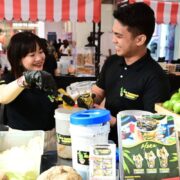











A taste of what the world has to offer

Clang Garcia has spent years telling food stories shaped by culture, travel, and memory. Her work in gastronomy tourism is guided by a simple belief: the best way to understand a place is through what it cooks and eats.
For more than 15 years, her work has taken her from palengkes and home kitchens to markets, festivals, and dining tables around the world. She hosts “DiscoverEats” on Cignal TV and curates food journeys for chefs, writers, media, and travelers who believe that food offers one of the most honest ways into a culture.
A love for food nurtured early on
When asked how her love for food began, Garcia says it started early—long before travel, television, or professional food work entered the picture.
It began in second grade, during a summer when curiosity got the better of her. She remembers asking her Lola Taba if she could tag along to the palengke. That first visit felt like stepping into another world—alive with color, texture, sound, and movement.
What stayed with her most was the culture of suki: conversations unfolding between stalls, stories exchanged alongside recipes, and the generosity of vendors who set aside the best produce for familiar faces.
Back home, she watched her grandmother turn those market finds into food that fed both family and community. What was cooked for the home was also served at her Lola’s small carinderia across the street for lunch and merienda. The menu changed regularly—native chicken tinola with liver and gizzards; pork adobo enriched with beef liver; sinigang sa sampalok; and halo-halo made with homemade components like caramelized garbanzos, macapuno, saba, and kamote.

She was especially fascinated by the handheld ice shaver—how solid blocks of ice were turned into soft ribbons, drizzled with evaporated milk, and finished with ube and leche flan. That small ritual, she says, felt magical.
After graduating from St. Scholastica’s College, Garcia worked in food and travel media, starting with “Mabuhay,” the in-flight magazine of Philippine Airlines, and later with Emphasis Media, a Hong Kong–based company.
And when asked about the food experiences that stayed with her, Garcia shared her notes from the road and pointed to six journeys she remembers most.
Food experiences from around the world
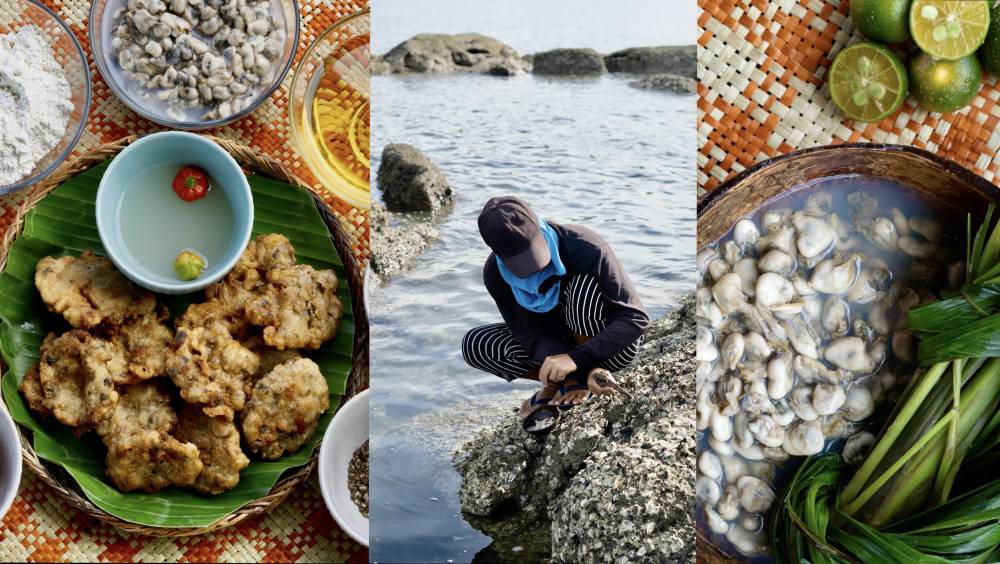
In Zumarraga, Samar, she watched women gather sisi—tiny oysters—along the bahura, prying open shells and collecting the harvest by hand. Back home, the oysters are cooked into a simple tinola, gently simmered with ginger, lemongrass, and calamansi. The same ingredient is also turned into baduya (fritters), kinilaw, or salt-fermented condiments—everyday dishes shaped by the sea and the place.
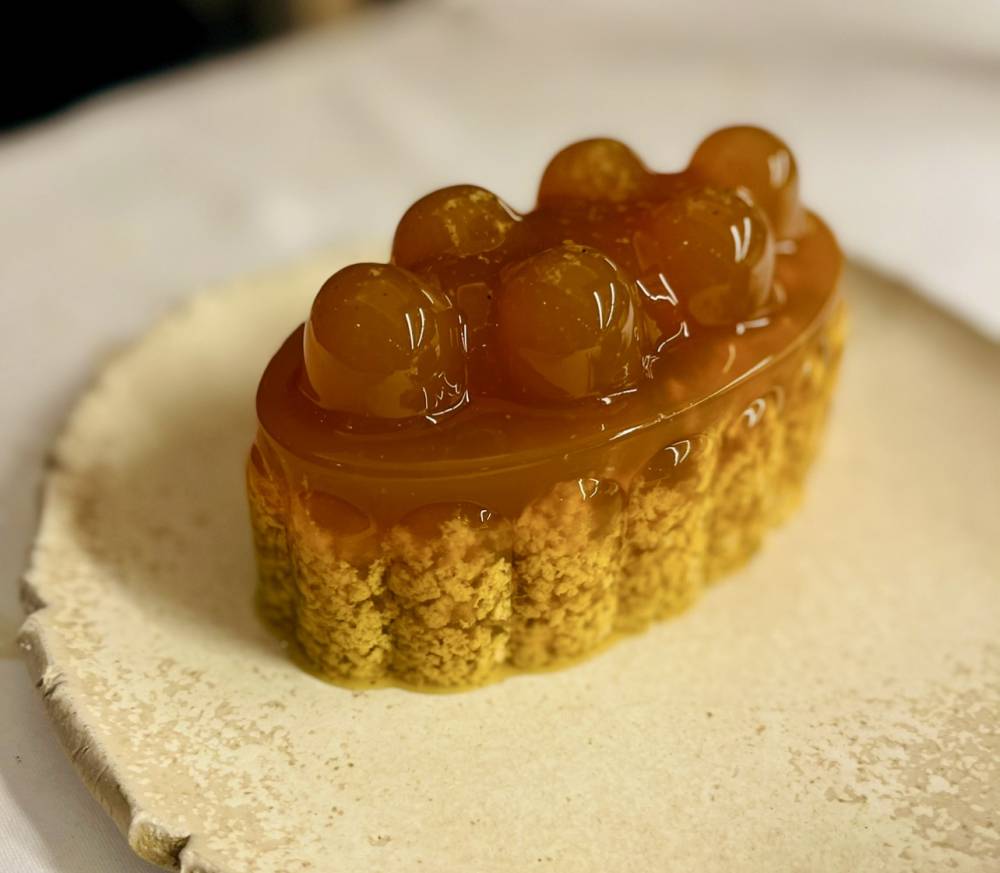
In Singapore, she recalls a dessert rooted in tradition. Drawn from Khir Johari’s “The Food of Singapore Malays,” chef Hafizzul Hashim of Michelin Green Star Restaurant Fiz presented agar-agar gula melaka dengan santan—seaweed jelly sweetened with palm sugar and coconut milk—at a dinner for Serumpun’s thought leaders. Lightly set and gently chewy, with caramel notes, a hint of pandan, and coconut curd melting on the tongue, it lingered long after the last bite.
Mexico offered a completely different experience. At Oaxaca City’s Mercado 20 de Noviembre—named for the start of the Mexican Revolution in 1910—visitors shop for ingredients before heading to the Pasillo de Humo. Meats such as tasajo, cecina, or chorizo are grilled, tacos assembled, and eaten at communal benches. It’s loud, smoky, messy, and joyful—market life at its most alive.
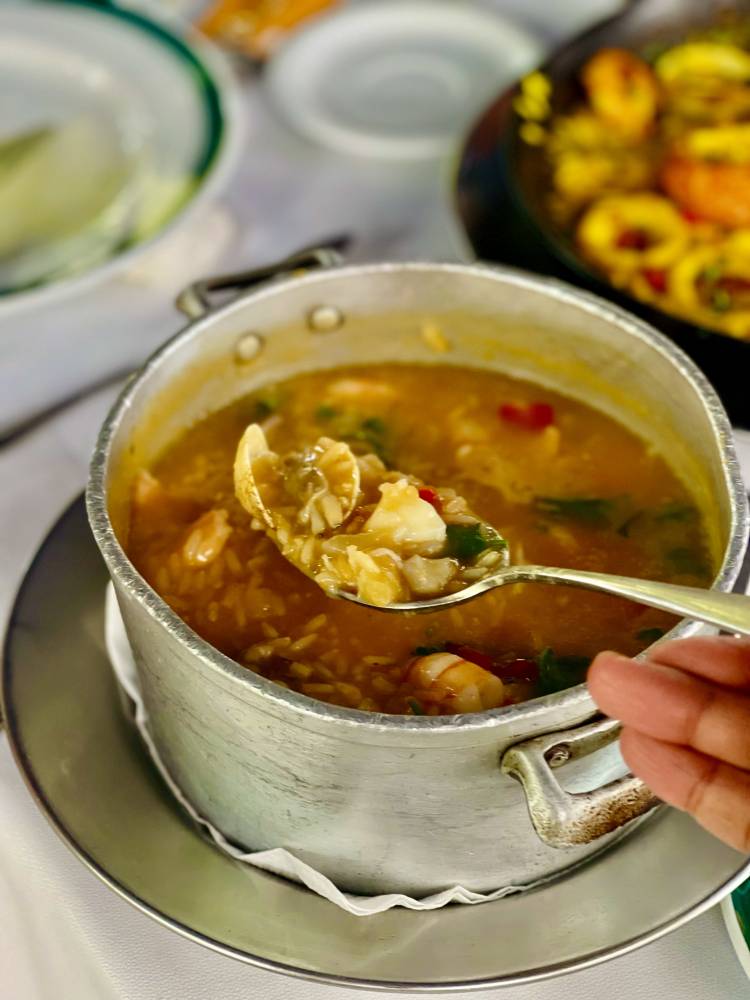
In Lisbon, at Restauradores Square, Restaurante Pinóquio is known for its Arroz de Marisco, served in a pot. The rice is soaked in a brick-red stock of tomatoes and pimentón, studded with clams, prawns, and shrimp, finished with herbs and a hint of white wine.
Spain brings her back in time. At Restaurante Botín in Madrid, where the hearth has burned since 1725, the cochinillo arrives crisp-skinned and aromatic, the meat tender and infused with wood smoke.
And in Dubai, there is kunafa—also spelled knafeh or kunafah—a beloved Levantine dessert best enjoyed warm. Made with fine strands of kataifi pastry, soaked in rose syrup and topped with crushed pistachios, it is crisp, rich, and deeply satisfying.
Wherever the tides take Garcia, her approach to food remains unchanged. It’s about people, memory, and place, and the quiet moments at the table that remind us how fascinating it is to eat our way through the world.
Baduya nga sisi (baby oyster fritters)
Ingredients
2 cups sisi, washed and drained well
1 Tbsp ginger, grated or very finely minced
1 small red onion, chopped finely

1 Tbsp salt
1 Tbsp ground pepper
1 Tbsp chopped scallion
2 1/2 cups flour, sifted
1/2 cup water
2 cups cooking oil
Procedure
1. Combine all ingredients in a mixing bowl and stir well. Gradually add the water, folding until the mixture is smooth.
2. Heat oil in a frying pan or wok. Drop spoonfuls of the mixture into the hot oil in batches and cook until golden brown for about 5 minutes. Remove and drain on paper towels.
3. Serve with spiced coconut vinegar for dipping.