








A year of well-timed travel: Where to go, month by month in 2026

The smartest travel plans are rarely driven by novelty alone. More often, they come down to timing—arriving when a place is at its most rewarding, when the weather is generous, crowds remain manageable, and daily life unfolds at its natural pace. Seen this way, the year becomes a map, with each month pointing toward a destination that makes the strongest case for being there exactly then.
Here is a travel map built around clarity and intention, where timing shapes not just where you go, but how you experience it.
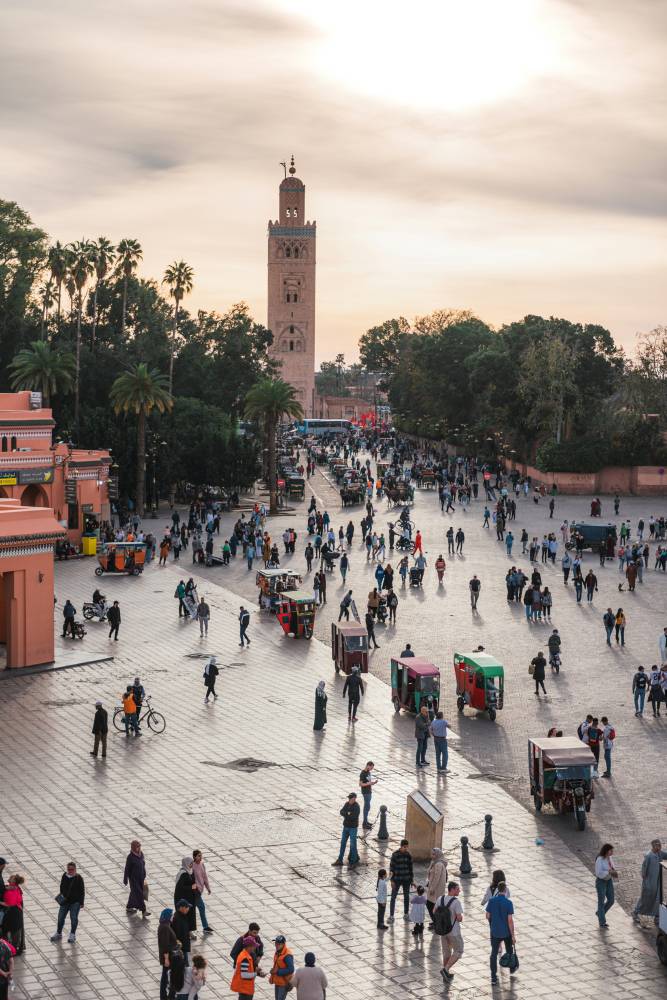
January — Marrakech
January is regarded as one of the most comfortable and practical times to visit Marrakech in Morocco, with mild winter temperatures that allow for full days of sightseeing. The Medina is best explored on foot, with Jemaa el-Fnaa shifting from a working square by day to a lively evening hub, and the surrounding souks offering a dense network of craft ateliers, spice stalls, and leather workshops. Cooler weather makes visits to El Badi Palace more manageable, allowing time to explore its expansive courtyards and architectural remains.
Mornings are ideal for Jardin Majorelle, the one-hectare botanical and artist’s garden created by Jacques Majorelle, known for its structured plantings and cobalt-blue Cubist villa. The adjacent Yves Saint Laurent Museum presents rotating exhibitions and archival material that contextualize the designer’s long relationship with Morocco. January is also well suited to excursions to the Agafay Desert, where luxury camps offer private tented suites, curated dining, camel rides, and stargazing in cooler, more comfortable conditions.
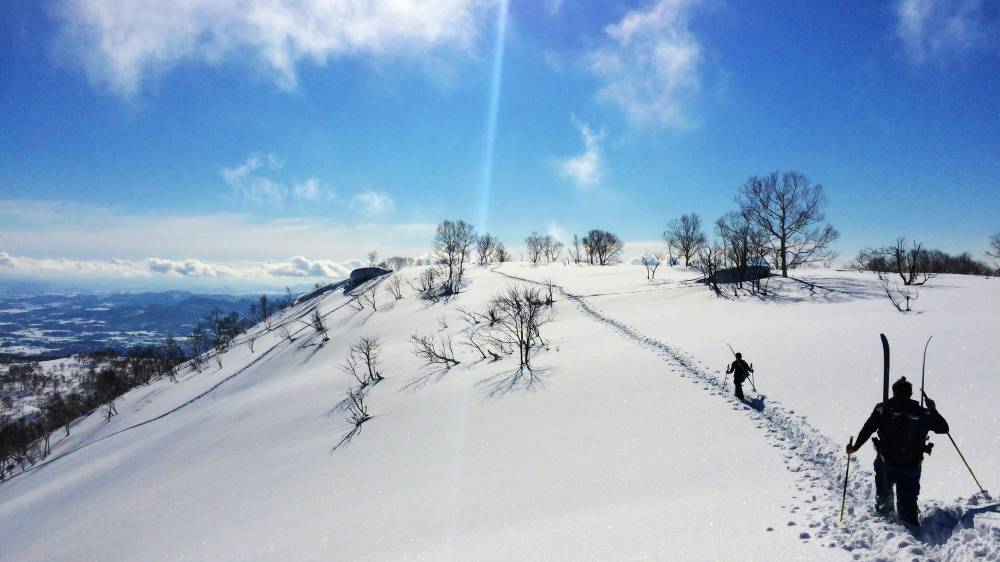
February — Hokkaido, Niseko
February is the height of winter in Hokkaido and the most reliable month for snow-focused travel in Japan. Sapporo anchors the season with the annual Snow Festival, where large-scale ice and snow sculptures fill Odori Park and surrounding districts, alongside winter markets and seasonal food stalls. The city remains active despite the cold, making it an easy base for winter sightseeing.
Niseko is the region’s premier ski destination, known for its consistent powder conditions in February. Skiing and snowboarding operate at full capacity, with night skiing, guided backcountry routes, and snowshoeing available throughout the resort area. Onsen visits are an essential part of the experience, particularly outdoor hot springs set against snow-covered landscapes. Beyond skiing, Hokkaido also offers winter seafood at its peak and nearby onsen towns such as Jozankei for a quieter retreat.
March — New Zealand
March marks the transition into early autumn in New Zealand and is well suited to travel centered on the country’s natural landmarks rather than its cities. With peak summer crowds easing, movement between regions becomes more efficient, allowing itineraries to focus on large-scale landscapes and outdoor sightseeing under stable conditions.
Milford Sound is best experienced in March, when scheduled cruises travel the full length of the fjord and bring visitors close to its vertical rock walls and seasonal waterfalls. Inland, a stop at Aoraki Mount Cook National Park introduces glacial lakes, alpine plains, and the presence of the country’s highest peak, with key lookouts and scenic roads remaining easy to access at this time of year. Access to key lookouts and scenic roads remains uncomplicated at this time of year, while nearby Lake Tekapo offers clear night skies suited to stargazing and expansive, uninterrupted views. For those continuing on to the North Island, the Waitomo Caves provide a contrasting experience, where guided cave tours and glowworm displays shift the focus from open terrain to subterranean landscapes.
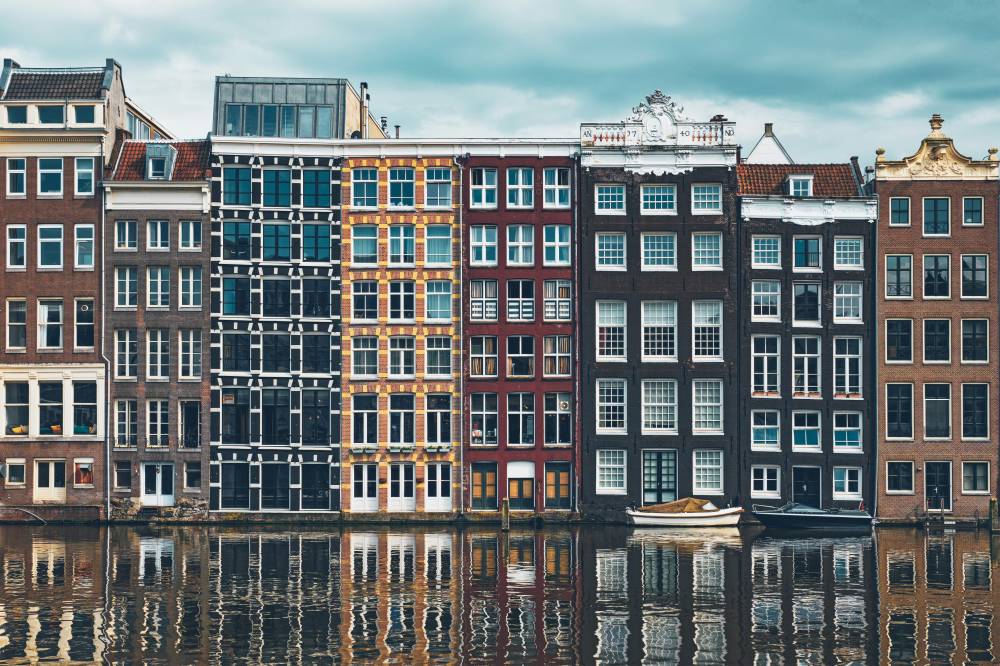
April — Amsterdam
April is defined by tulip season, when fields outside Amsterdam come into full bloom and shape travel itineraries around color, timing, and access. Keukenhof Gardens operates at peak capacity during this month, and day trips to Lisse and the surrounding bulb-growing regions are a priority, with rows of tulips stretching across the countryside in tightly ordered patterns. Within the city, improving weather supports canal cruises and cycling routes, making it easier to move between neighborhoods without relying solely on public transport.
Walk through the Museum Quarter to see the Rijksmuseum and its extensive Dutch Golden Age collection, while the Van Gogh Museum offers a comprehensive look at the artist’s work, including “Sunflowers” and a sequence of self-portraits. Café terraces also begin to reopen along the canals, bringing outdoor dining back into daily life as daylight stretches longer.
The month culminates with King’s Day on April 27, when Amsterdam transforms into a citywide celebration marked by open-air markets, canal parties, live music, and streets awash in orange, temporarily transforming the city into one of Europe’s most animated urban festivals.
May — Italy
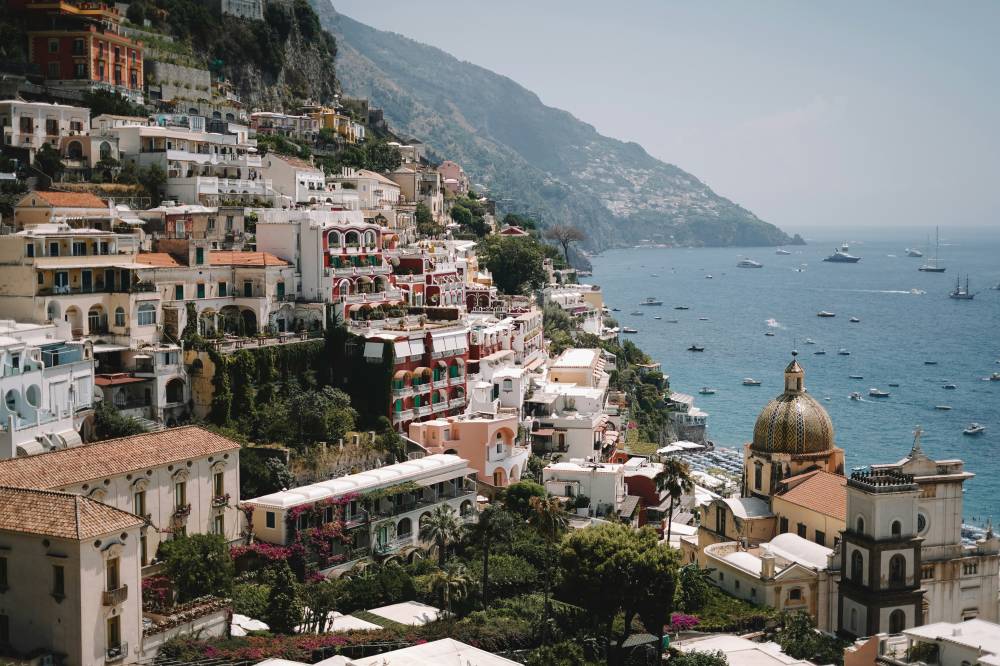
May opens Italy’s coastal and island regions at a measured pace, allowing time to move between destinations while days remain warm and crowds manageable. Along the Amalfi Coast, Positano, Amalfi, and Ravello combine town life and sea views, with shopping focused on linen clothing, leather sandals, and ceramics, and beach time centered on lidos such as Spiaggia Grande and quieter coves like Fornillo. Dining highlights seafood, handmade pasta, and citrus-driven dishes, often served overlooking the water.
On Capri, calmer sea conditions support boat rides around the island and visits to the Blue Grotto, while the Piazzetta and Via Camerelle anchor café culture and boutique shopping. Chairlift rides to Monte Solaro and walks through Anacapri offer elevated views across the Bay of Naples. Further south, Sicily supports a mix of baroque towns, archaeological sites such as the Valley of the Temples, and early beach days along the southeastern coast, with markets and street food shaping daily travel.
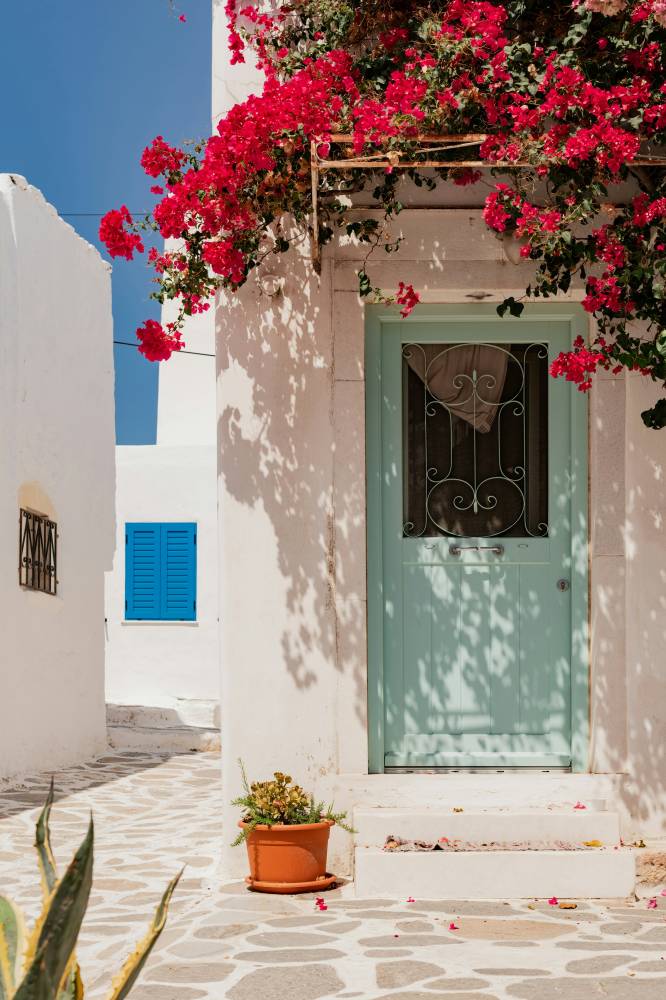
June — Greece
Traveling in Greece often begins in Athens, where the Acropolis and the Parthenon can be explored under clear skies before the height of summer heat sets in. The city’s archaeological core pairs easily with open-air dining and rooftop viewpoints, setting a cultural foundation before moving on to the islands.
For families, islands such as Naxos and Crete are especially appealing in June, offering long stretches of sandy, family-friendly beaches with shallow waters suited to children. Days are typically spent between swimming, beachside lunches, and short inland excursions to villages and historical sites, creating a balanced pace that works well for multi-generational travel.
For couples planning a romantic escape, Santorini delivers its signature experience this month. Caldera walks, sunset views from Oia, and dining terraces overlooking the sea define the stay, supported by a strong selection of adults-only hotels and boutique properties. Boat outings to volcanic beaches and nearby islets add variety, rounding out a June itinerary built around scenery, warm seas, and long evenings outdoors.
July — Tanzania
July is one of the most sought-after months for safari travel in Tanzania, aligning with the peak of the Great Migration in the northern Serengeti. Vast herds of wildebeest and zebra move across open plains and gather near river crossings, creating frequent and dramatic wildlife encounters. Game drives during this period are especially rewarding, with high concentrations of animals and increased predator activity providing consistent sightings throughout the day.
Luxury safari experiences are offered with tented camps and lodges positioned close to key migration routes. These properties are designed for immersion rather than transit, offering guided game drives, private viewing decks, and open-air dining overlooking the savannah. Days follow the rhythm of the wildlife, with early-morning and late-afternoon drives framed by time spent at camp, where service, privacy, and landscape take precedence.
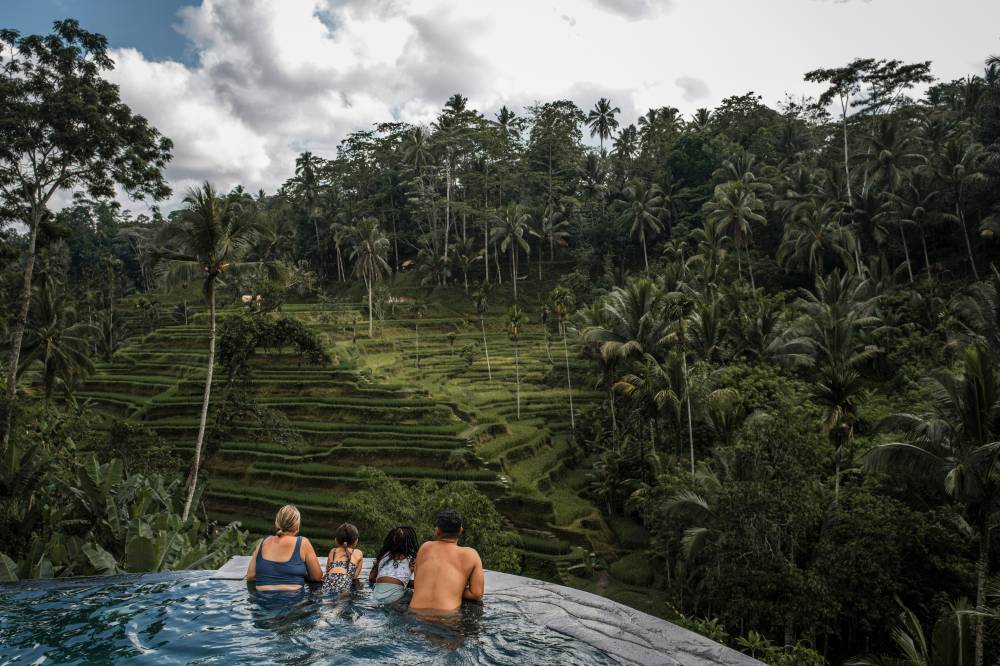
August — Indonesia
August falls in the heart of Indonesia’s dry season, shaping travel around outdoor and coastal experiences across the archipelago. In Bali, days are typically split between inland and shoreline. Ubud remains a focal point for temple visits such as Tirta Empul, walks through Tegallalang Rice Terraces, and time spent in cafés and galleries, while coastal areas like Uluwatu and Canggu center on surfing, swimming, and sunset views from clifftop beaches. Sea conditions are generally calm, supporting boat trips and snorkeling excursions.
For a quieter alternative, Lombok offers less-developed beaches and a slower pace, with coastal villages, clear-water swimming, and access to nearby islands shaping shorter stays. August also coincides with Indonesian Independence Day on Aug. 17, when parades, flag displays, and community celebrations take place nationwide, adding a local dimension to travel during the month.
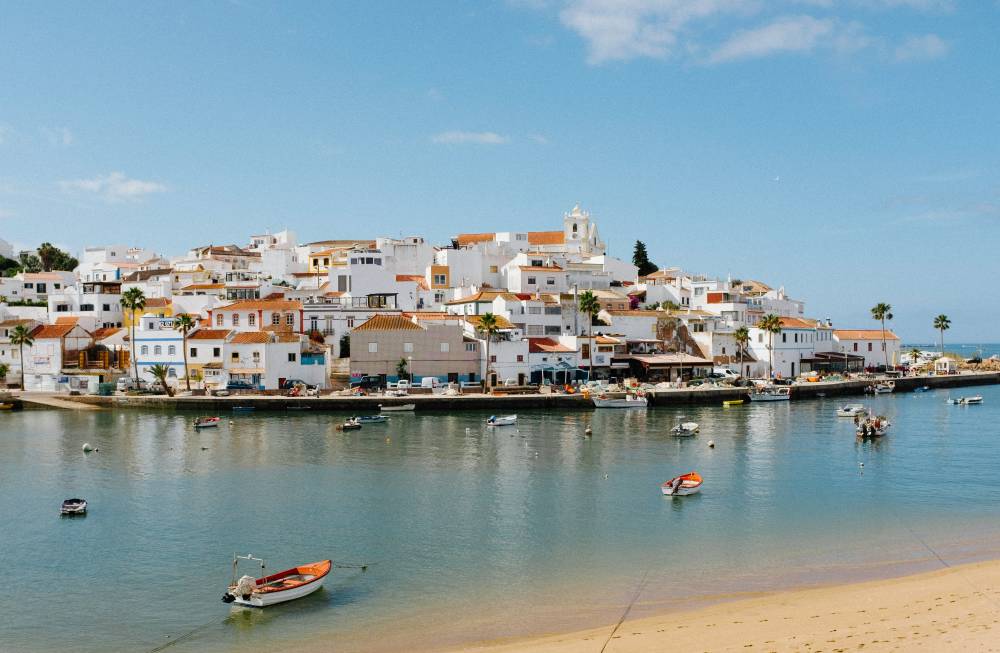
September — Portugal
September shifts Portugal into a slower, more refined rhythm, when summer heat softens and the country’s coastal and wine regions come into focus. In Lisbon, walking itineraries through cities unfold comfortably, with viewpoints, tiled façades, and riverside promenades setting the pace while café terraces and outdoor dining remain central to daily life.

Along the coast, the Algarve supports beach-led days shaped by swimming, boat trips through sea caves, and coastal walks along limestone while harvest season in Douro Valley begins. Bringing activity to the terraced vineyards lining the river, with grape picking, winery operations, and seasonal menus shaping the experience.
River cruises move slowly through the valley, offering close views of vineyard-covered hillsides, while wine estates open their cellars for tastings centered on Port and regional table wines. Combined with long lunches overlooking the river and scenic drives between quintas, the Douro Valley offers a concentrated look at Portugal’s wine culture during its most active period.
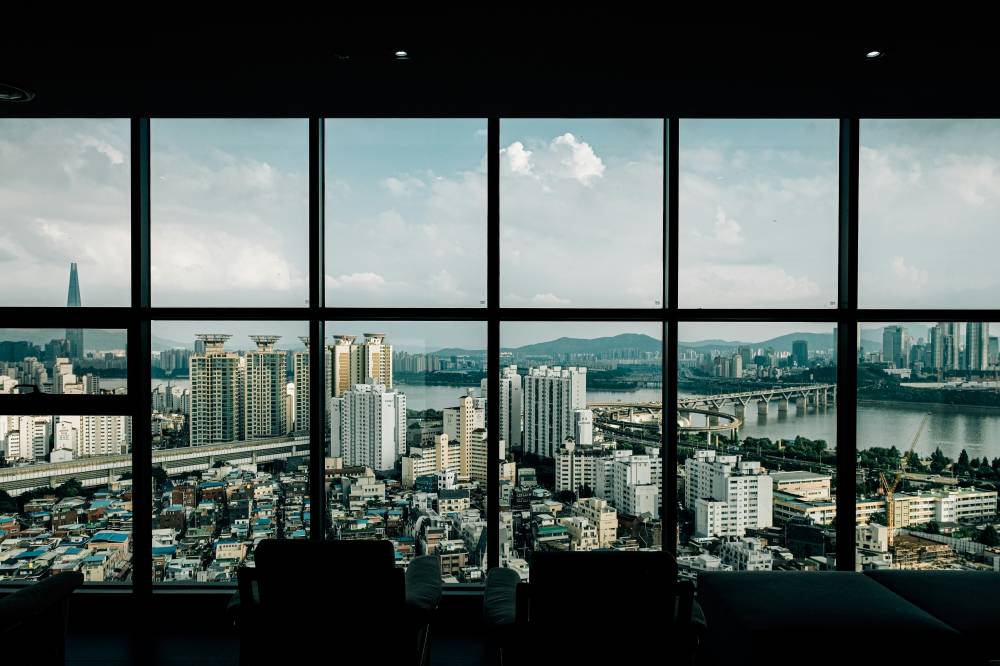
October — South Korea
October centers on autumn foliage in South Korea, when cooler temperatures and clear skies draw travel toward the outdoors. National parks such as Seoraksan National Park and Naejangsan are at their most visually striking, with leaf-viewing routes winding through forested valleys and mountain landscapes. Nami Island is also popular during this period, known for its tree-lined paths and concentrated fall color.
October is ideal for neighborhood-based exploration. Areas such as Insadong and Ikseon-dong are well suited to walking, combining traditional hanok architecture with tea houses, cafés, galleries, and independent shops. Food markets become a central part of the experience, particularly Gwangjang Market and Namdaemun Market. October also brings night markets, pop-up food vendors, and regional festivals into public spaces, making it easy to combine sightseeing, shopping, and eating into a single, well-paced itinerary.
November — Chiang Mai, Thailand
November brings Chiang Mai into one of its most visually appealing seasons, when the rains have passed and the landscape across northern Thailand turns lush and green. Cooler temperatures make it an ideal time to explore beyond the city, with drives through Mae Rim and Samoeng revealing rice fields, forested hills, and small villages, while Doi Suthep–Pui National Park offers elevated viewpoints and temple visits set against dense greenery.
Within the city, daily itineraries move between Chiang Mai’s Old City and the Nimmanhaemin area. Historic temples such as Wat Phra Singh and Wat Chedi Luang provide architectural anchors, while Nimman’s cafés, galleries, and independent shops offer a contemporary contrast. Food is a defining highlight, with northern Thai specialties taking focus like khao soi, sai oua, and nam prik, best experienced through a mix of local restaurants and night markets.
The month culminates with the Chiang Mai Lantern Festival (Yi Peng), when lantern releases, ceremonies, and cultural performances take place across temples, riverbanks, and open grounds creating one of Chiang Mai’s most visually striking events of the year.
December — Germany
December in Germany revolves around its Christmas market tradition, when cities and towns across the country shift into a seasonal rhythm centered on food, craft, and historic settings. In Munich, markets fill Marienplatz and surrounding squares with wooden stalls selling roasted chestnuts, sausages, and mulled wine, while nearby churches and historic buildings provide a dramatic backdrop. Nuremberg is particularly well known for its Christkindlesmarkt, where traditional gingerbread and handmade ornaments dominate the stalls.
Further north, Berlin offers a more varied market scene, with dozens of Weihnachtsmärkte spread across neighborhoods, ranging from classic markets at Gendarmenmarkt to more contemporary versions focused on street food and design.
Beyond the markets, December travel in Germany includes museum visits, historic old towns, and seasonal dining centered on hearty winter dishes. Short daylight hours encourage a slower pace, with itineraries built around walking through decorated city centers, stopping for warm food and drink, and moving between cities by rail, making December a month defined by atmosphere, tradition, and regional variety rather than outdoor sightseeing alone.