








Activewear goes vintage

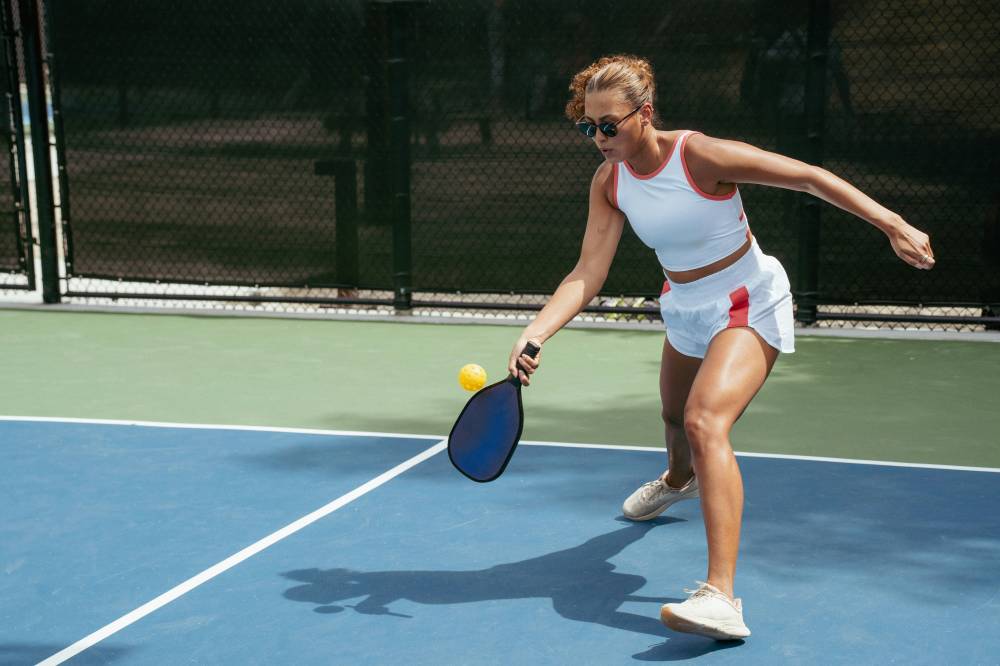
Fashion is currently obsessed with the archive. Designers dig through brand vaults like archaeologists, stylists casually name-drop “references,” and consumers have learned to treat old collections as cultural capital. Knowing when a dress debuted or who wore it first now matters just as much as how it looks.
Celebrities, in particular, have embraced this archival fixation. Recently, Kylie Jenner was seen in a vintage John Galliano dress from Fall/Winter 1995 for her family’s 2025 Christmas Eve party. And with the Met Gala 2026 already looming, it’s safe to assume that even more archival pieces will soon re-enter circulation.
Somewhere between this reverence for history and the industry’s endless hunger for novelty, vintage activewear has sprinted into the spotlight. Once functional, unremarkable, and widely accessible, old-school sportswear now benefits from the same “archival logic”—recontextualized, aestheticized, and endowed with nostalgia it never asked for.
The return of vintage activewear
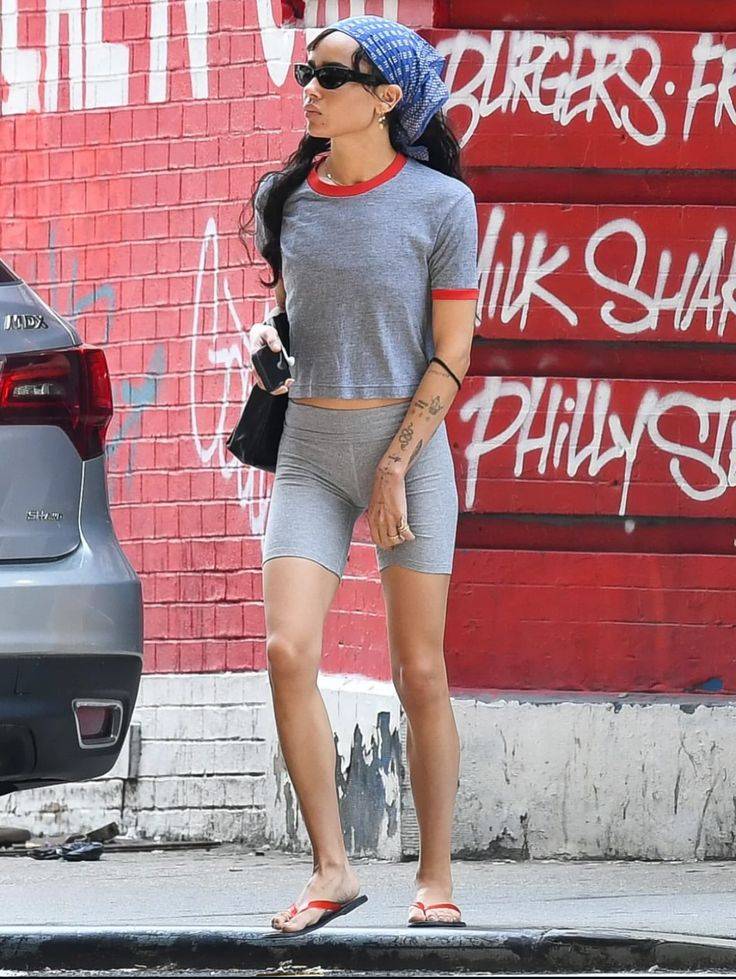
On social media, vintage activewear is going viral, as people opt for pieces with more personality over perfectly matched, beige gymwear. This includes mesh-paneled shorts, retro nylon windbreakers, retro shorts, boxy tees, cropped hoodies, and signature accessories like sweatbands. The aesthetic harks back to pre-2010s gym looks, once favored by style icons like Princess Diana, Mary-Kate and Ashley Olsen, Rihanna, and Britney Spears.
The rise of vintage gymwear is not just a stylistic choice but a statement against the homogenization of modern athleisure. Creator Natalia Spotts went viral for a video captioned, “Remembering I have free will and can wear vintage to the gym,” while other creators, like Carla, flaunt vintage Lululemon hauls.
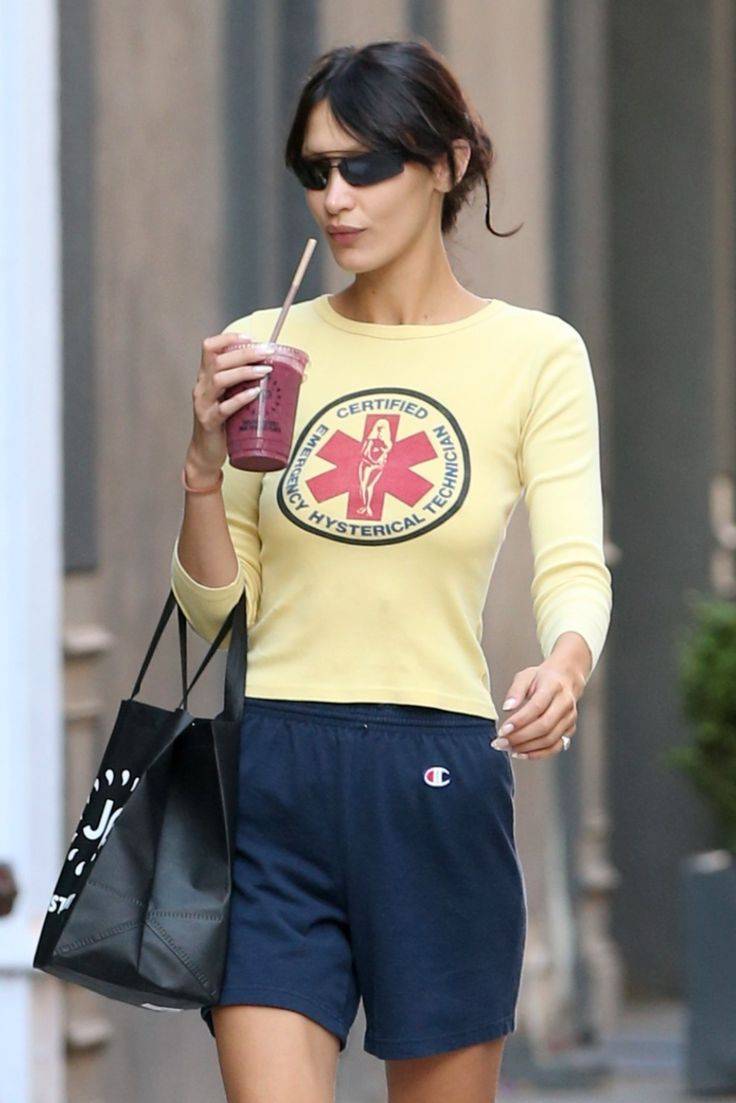
The look is also carried forward by a new generation of fashion-forward creatives and brands. Kravitz, Harry Styles, Addison Rae, and Bella Hadid have all been spotted in archival or vintage-inspired sportswear, while brands like H-O-R-S-E Sport and Made Some are reimagining retro aesthetics, channeling old-school PE kits and Princess Diana-inspired ensembles. Even Alo has released a retro activewear collection, proving that throwback fitness fashion is officially mainstream.
Vintage as value
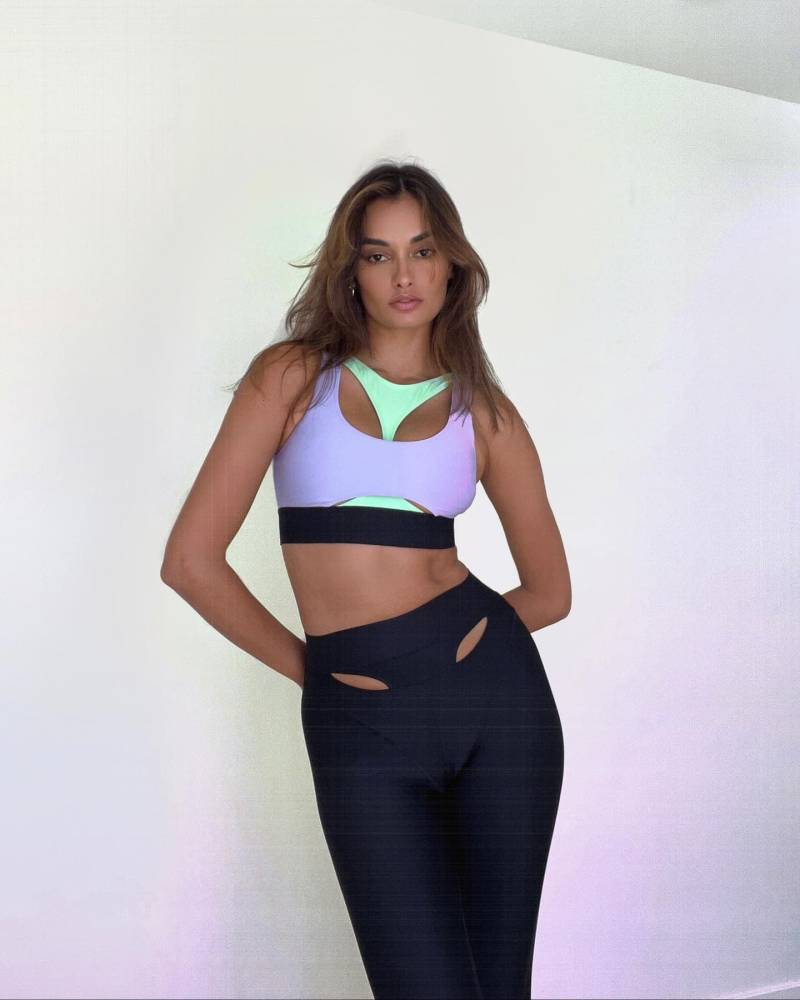
Stylist, author, editor, and fashion sustainability advocate Bay Garnett, credited with bringing “thrift store chic” into fashion, underscores another dimension of the trend: vintage clothing—including gymwear—is not just about aesthetics but about reimagining value. Elevating pieces from flea markets, charity shops, and personal closets, Garnett shows how reused garments or vintage pieces can be intentional design choices, rather than mere fallback options.
The popularity of vintage activewear is backed by numbers. According to resale platform Depop, searches for vintage activewear jumped 169 percent in October 2025, with cotton activewear searches rising 244 percent that year.

Trend forecasting firm WGSN reports that the global secondhand apparel market is growing three times faster than the overall apparel industry, with Gen Z leading the charge. Nearly 40 percent of this generation now turn to resale for everyday wardrobes, not just rare designer finds, making vintage gymwear the natural next frontier.
In fact, “vintage Lululemon” has even emerged as a breakout search term, proving that nostalgia, individuality, and sustainability are now marketable assets in the world of fitness fashion.

Reshaping purchasing decisions
But if you think about it, the resurgence of vintage activewear isn’t just a nostalgic whim—it reflects a desire for individuality and authenticity. Consumers are seeking pieces with character, rejecting the cookie-cutter performance wear that dominates most fitness aisles.
Of course, thrifting is already second nature to most versed in fashion, so it makes sense that gym clothes would follow. At the same time, there’s a growing consciousness around sustainability and materials.
In 2025, The New York Times reported rising consumer concern over plastic exposure from workout clothes, particularly as microplastics entered mainstream conversation. Surveys indicate that 72 percent of shoppers now prefer “plastic-free performance wear,” highlighting how environmental awareness is reshaping purchasing decisions.
While brands are recreating retro vintage styles, it’s important to remember that this trend isn’t just about nostalgia—like reminiscing about the vibes of 2016—it’s also a critique and rejection of fast-fashion athleisure.