









After the heat

In a tropical city like Metro Manila, the nighttime offers something different from the day—relief. By the time evening settles over Metro Manila, the city has spent a full day in the heat and traffic. By mid-afternoon, the temperature feels heavy, and even short walks feel draining. But when the sun finally drops, it changes. The air is cooler and more forgiving, the sidewalks are full again, and the lights over the storefronts and street stalls light up the roads.
It’s around this time that you begin to notice some of the most active corners in the city, appearing after the long workday ends. Vendors wheel out grills and plastic stools along busy roads and smaller side streets, preparing for the second rush of customers. You’ll find crowds gathering over fishball stands, dipping skewers into sweet brown sauce, and nearby charcoal grills cooking isaw and betamax late into the night. It is a social experience as much as it is a food one, with people hanging around, chatting between bites.
Food is one of the best ways to explore Manila, and the street food scene doesn’t die down as the night continues; in fact, it gets busier. A tray of kwek-kwek—quail eggs fried in bright orange batter—sits beside a pot of vinegar sauce, while a nearby stall fries batches of squid balls and kikiam for customers waiting on the curb. These local delicacies are quick, inexpensive, and designed to be eaten standing up and in conversation.
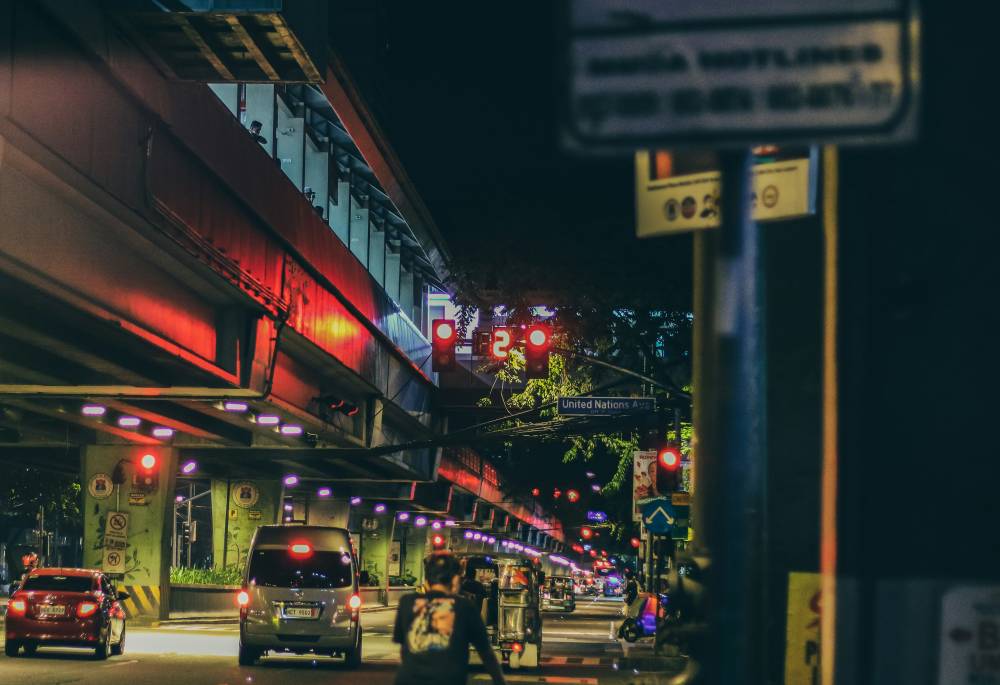
Later on into the night, our appetites crave something more substantial. Even before the clubs open, you’ll find a buzz. Among a few neighborhoods, Poblacion is one of the best places to be. This area has been known as Makati’s red light district, and its reputation stands as one of Metro Manila’s most active nightlife scenes.
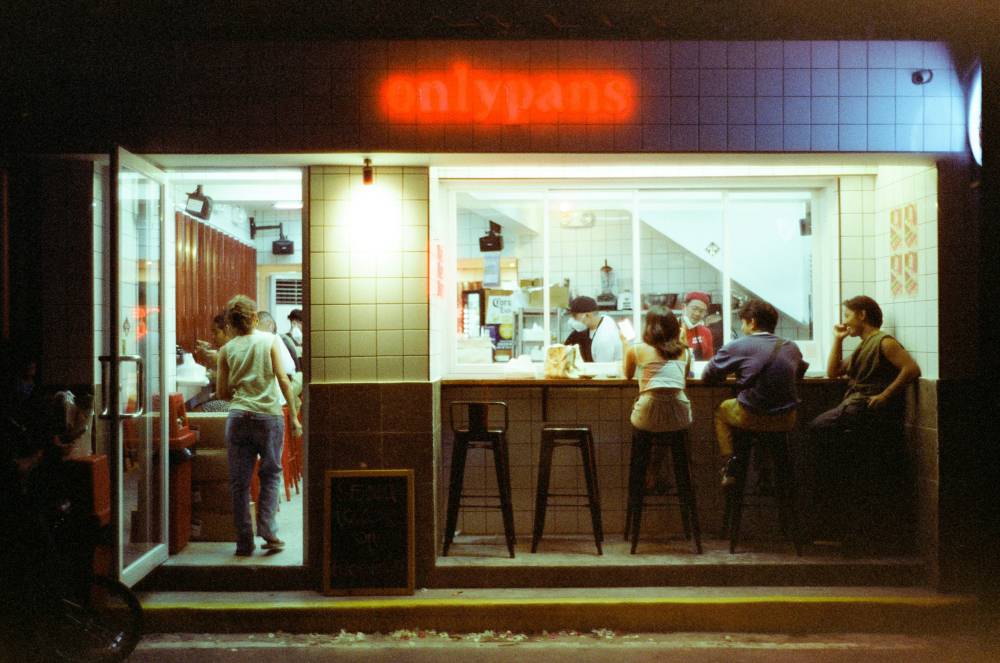
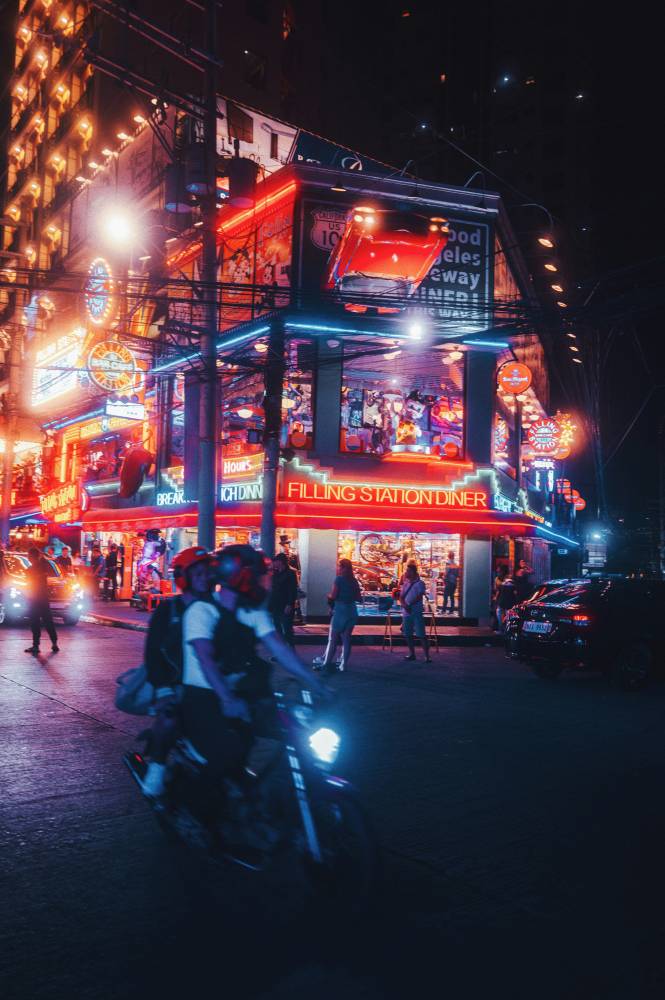
It is just as much a place to eat as it is to drink. You’ll find yourself walking through Poblacion surrounded by neon lights, small bars, and people spilling out onto the streets. It’s not just about drinking either; a lot of nights start with food. Places like OnlyPans and Krapow! have become go-to spots, usually packed with people grabbing tacos or Thai plates before heading somewhere else.
In Poblacion, you’re never far from the bars. The streets are filled with small spots from rooftop bars to hidden cocktail bars and dance floors hidden behind doors you’d usually miss if you weren’t looking for them. Walking through means hearing everything at once—music spilling onto the street, a crowd talking or singing or reacting somewhere, people stepping in and out of places trying to figure out where to go next. Most nights here are like this: You go wherever feels right.
And although nightlife commonly surrounds bars and clubs, in Manila, you see it in different forms. Here, karaoke is just as present. You hear it everywhere: KTV rooms, neighborhood bars, even houses down the side streets. Filipinos are known for their beautiful voices, and their passion for singing is definitely transparent. Anyone in the room can pick up a mic and deliver a full ballad. But it’s never really about how well you sing. The mic gets passed around, everyone gets a turn, and the fun is blatant.
During this time of the evening, I noticed the popularity of convenience stores. There’s one on almost every corner—7-Eleven, FamilyMart, Uncle John’s, Lawson—all open late, all with people sitting outside. You’ll see groups of friends out there with drinks, instant noodles, or just snacks, conversing. It’s a calm setting, simple and with not much of a plan set, just good conversation with better company, and a good time.
It also brings back a certain kind of nostalgia. As kids, we’d often stop by for something cold after a long school day for slushies and snacks. And sometimes you still see carts nearby selling ice scramble, that bright pink shaved ice piled into a paper cup with powdered milk, chocolate syrup, marshmallows, whatever you want on top. It’s messy, overly sweet, and hard not to associate with childhood.
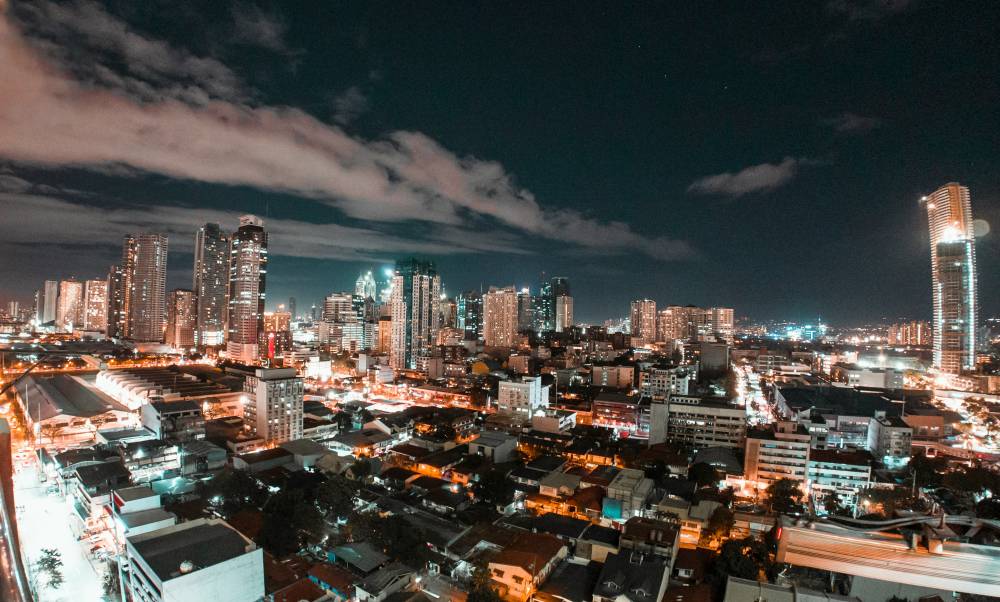
By now, I think it becomes clear that Manila at night isn’t defined by just one kind of scene. It moves and changes between different experiences from street food to karaoke bars and convenience store stops, all happening at once. The city doesn’t shut down after dark; in fact, it does the opposite. It settles into a more open, more social version; one that makes it much easier to move through once the heat finally fades.
And even then, this is only a small part of it. Across the city, there are many different pockets of nightlife. For example, in BGC, the night is more polished, surrounded by clubs, rooftop parties, and long lines outside venues that stay busy all throughout the night.
There’s always a happening scene, even if it isn’t immediately obvious. But that’s the best part; the city keeps extending itself, hidden behind its walls.