









Ben&Ben’s Toni Muñoz on the subtle art of freezing time


Toni Muñoz is best known as one of the percussion backbones of Ben&Ben, the Filipino folk pop band whose songs have become stirring anthems for a generation. Away from the many stages where she performs, Muñoz moves with a disciplined attentiveness through viewfinders and behind lenses.
Like the yin to her yang, her practice as a lens-based visual artist is guided not by folk melodies, iconic lyrics, or passionate fandoms, but by light—and her gift for capturing moments that are charged yet fleeting.
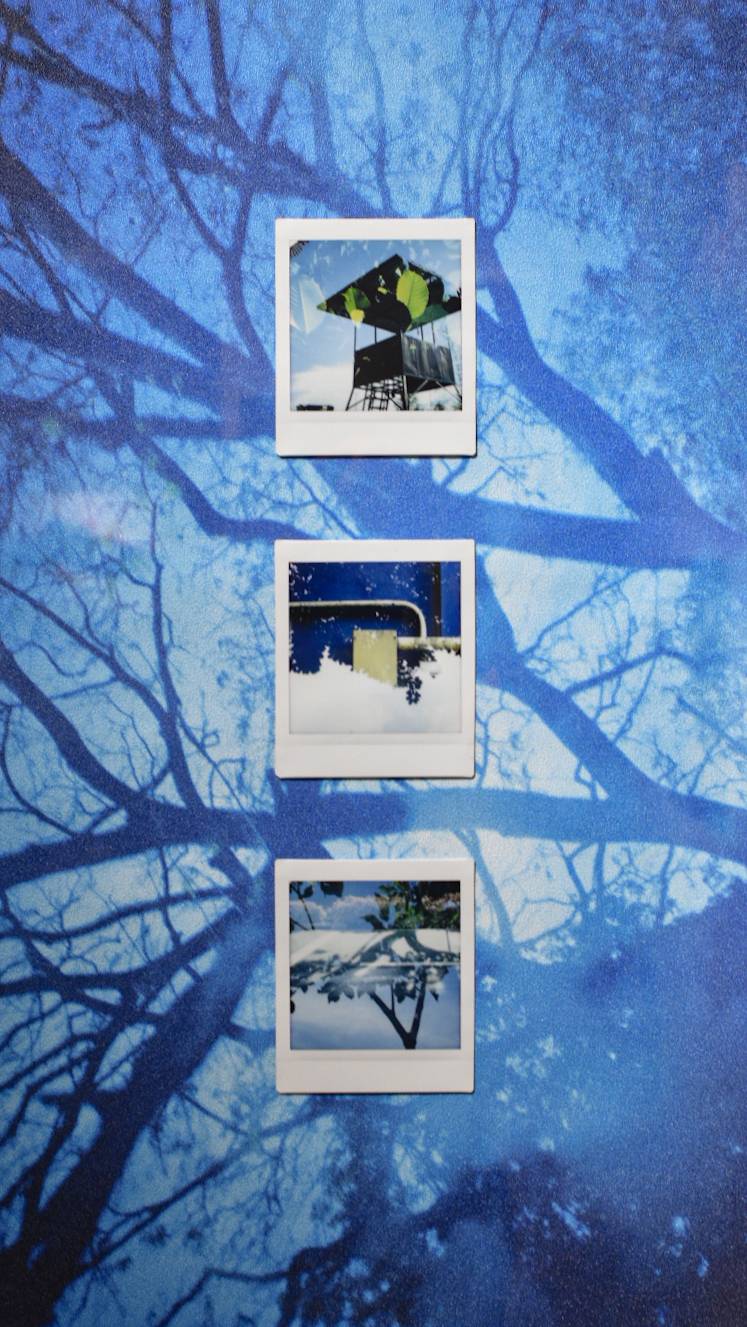
Before sold-out arenas and anthemic hits, she trained at an arts high school as a music major, with a minor in photography. The two disciplines have never fully separated. Music made time palpable to her, allowing her to experience its passing and unfolding through melodic lines, rhythmic structures, and harmonies, while photography taught her to negotiate the fleeting nature of time. Together, they form the aural and visual languages of her creative life.
In conversation, Muñoz speaks about her one-woman show “Dalawang Mundo, Isang Panaginip” (“Two Worlds Make a Dream”) at Sunny 16 Studios, the difference between taking a photograph and making one, and how creating is ultimately an act of agency and care.
As a teenager, how did music and lens-based art shape the way you related to yourself and the world around you?
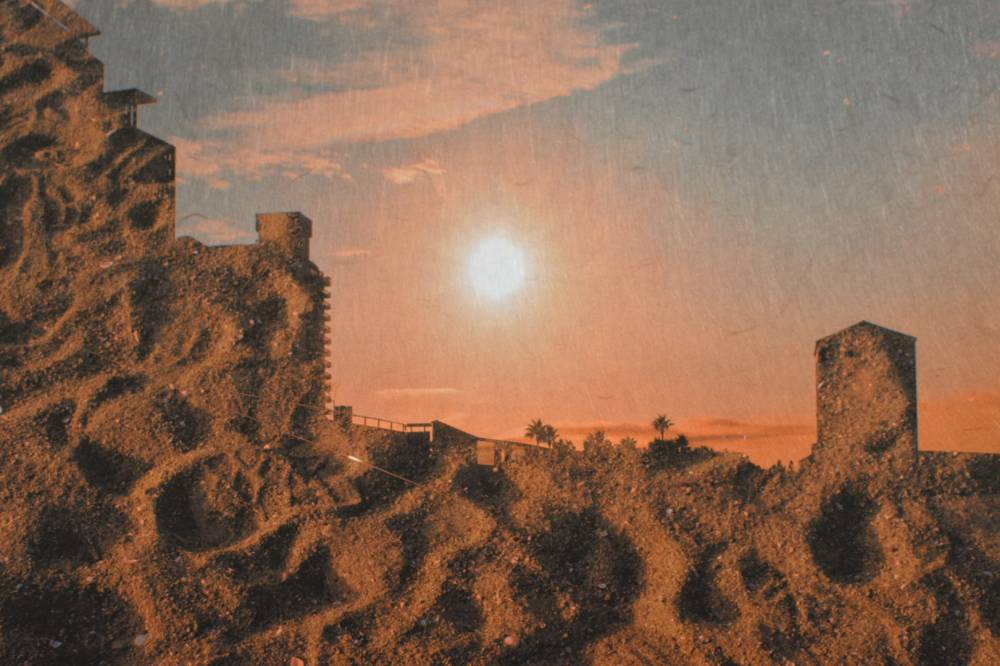
Toni Muñoz [TM]: One of the most challenging things for me as a teenager was getting to know myself. Being in a school with kids from different regions all over the country—each with different values and beliefs—made me realize how much bigger and more complex the world is than I had imagined. At that point, the only thing I was sure of was that I had a gift for understanding music—that I could ideate and create through sound. Discovering my deep connection with photography helped me rediscover myself by giving me a new way of seeing. It showed me what needed a closer look, and what truly mattered to me.
Do you see a parallel between how a song emerges from sound and how a photographic image emerges from captured light?
TM: Kung paanong magkakaiba tayo ng paraan ng pakikinig o pagsusulat ng mga kanta, ganoon din sa pagkuha ng litrato. Even if we’re telling the same story, each of us has a different way of crafting it and presenting it to our audience.
You’ve once said that there is a difference between taking a photograph and making one. What does that distinction mean to you?
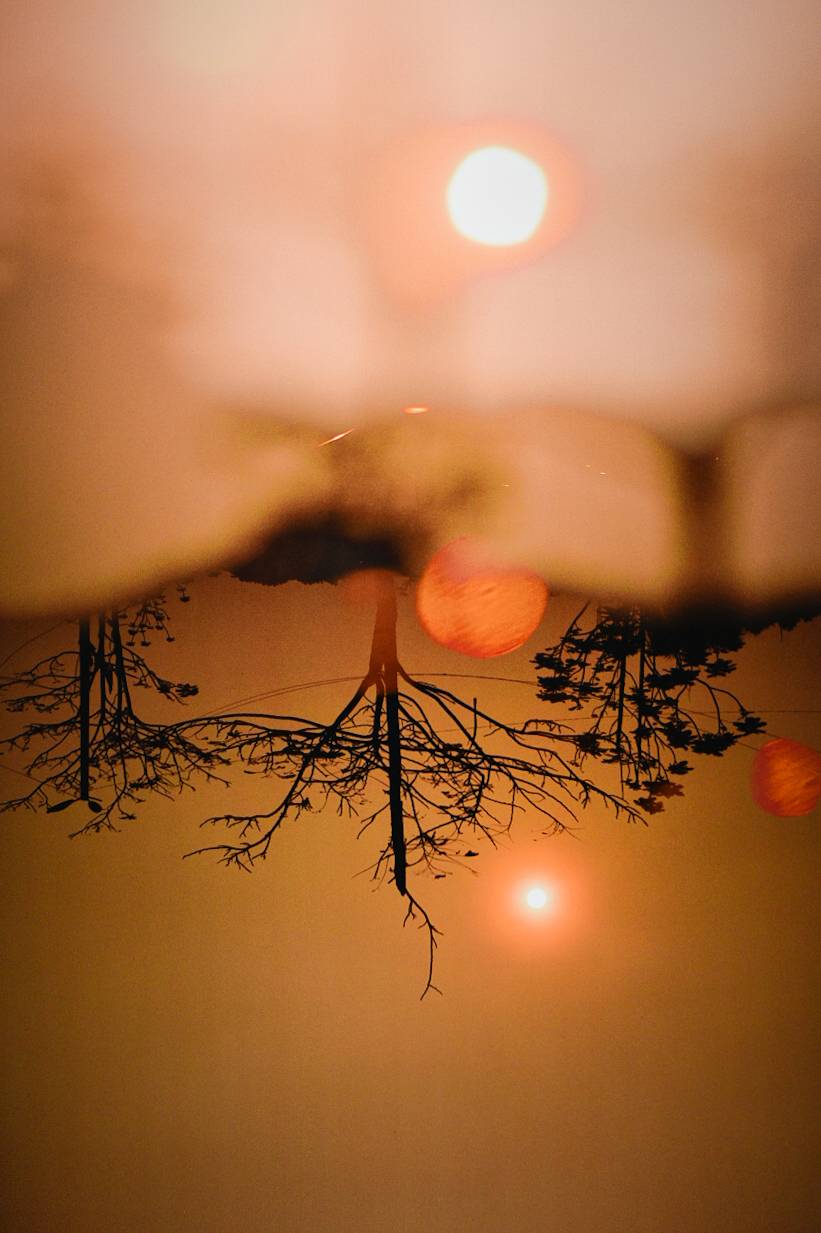
TM: Taking a photograph feels like documentation—keeping a record of our human experience, almost like a visual journal entry. Making a photograph is about intention: being deliberate with everything in the frame and with what I want to show, painting a picture with my camera instead of a paintbrush. That’s where light, color, camera techniques, post-processing, and other creative tools come in.
Much of your work involves observing, capturing, and reimagining reality through a lens. How do you navigate the tension between documenting what’s there and shaping what you want the viewer to experience?
TM: Sometimes, a renewed appreciation for everyday things comes from making the familiar unfamiliar—giving viewers a reason to take a second look, to notice what’s always been there. That’s why I layer my photos with elements that either complement the scene or create dissonance. I hope people take time to see daily life differently and still find beauty in the ordinary.



Musicians shape time through rhythm; photographers freeze it through shutter speed. How does your relationship with time influence your work?
TM: When we take photos, we freeze time and immortalize it in a frame. That’s how you know something matters—you chose to stop time for it. Music does the opposite. Whether listening or playing, you allow time to pass, and that’s how you know a song has done something to you. Hindi ko alam kung anong point ko, pero sa tingin ko ganoon din sa buhay. We all use time differently—sometimes speeding it up, slowing it down, or stopping it altogether. Time plays a huge role in both creation and consumption.

If you could borrow one principle from music and embed it into your photographic practice, what would it be?
TM: Harmony—two or more pitches played at the same time. In music, it creates tension or resolution and shapes a song’s identity. I apply this idea to my double exposures. The layers I choose depend on how I want the image to feel and be perceived.
If you were to choose a Ben&Ben song to inspire a photographic series, which would it be?
TM: There’s a song I co-wrote with my percussion-mate Andrew that says, “On the click of a shutter, I see no other but you.” Someday, I’d love to create a series honoring my father—photographing things and places that remind me of him.
Annie Leibovitz once said of her relationship with nature, “Nature is so powerful, so strong. Capturing its essence is not easy—your work becomes a dance with light and the weather. It takes you to a place within yourself.” If you were to leave us with a quotable quote about your practice as a photographer, what would it be?
TM: We’re given this incredible tool that lets us freeze time, keep memories, and witness how people across the world experience the complex gift of living—all in a tiny box that captures light. May we never take it for granted.