










Blue jeans, old records, and the Japanese obsession with Americana

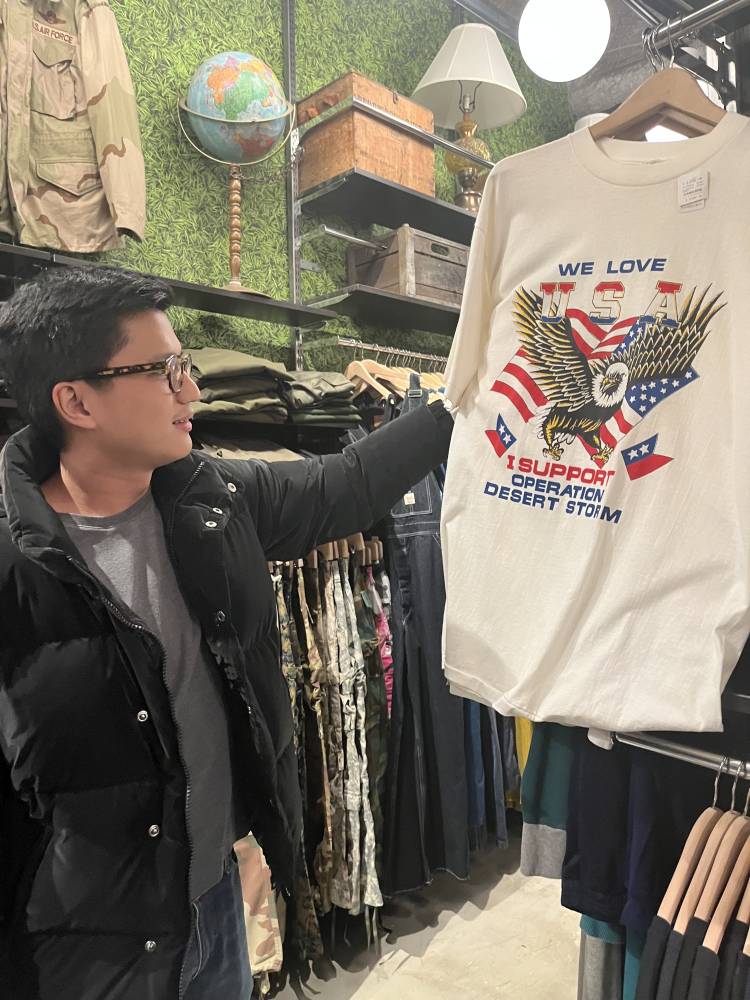
“USA We Support Operation Desert Storm,” the text read in red, white, and blue. Behind the words, a bald eagle stretched its wings. Patriotic to the point of parody, the extra-extra-large tee fell to my knees. We laughed, wondering if the locals knew exactly what the words implied.
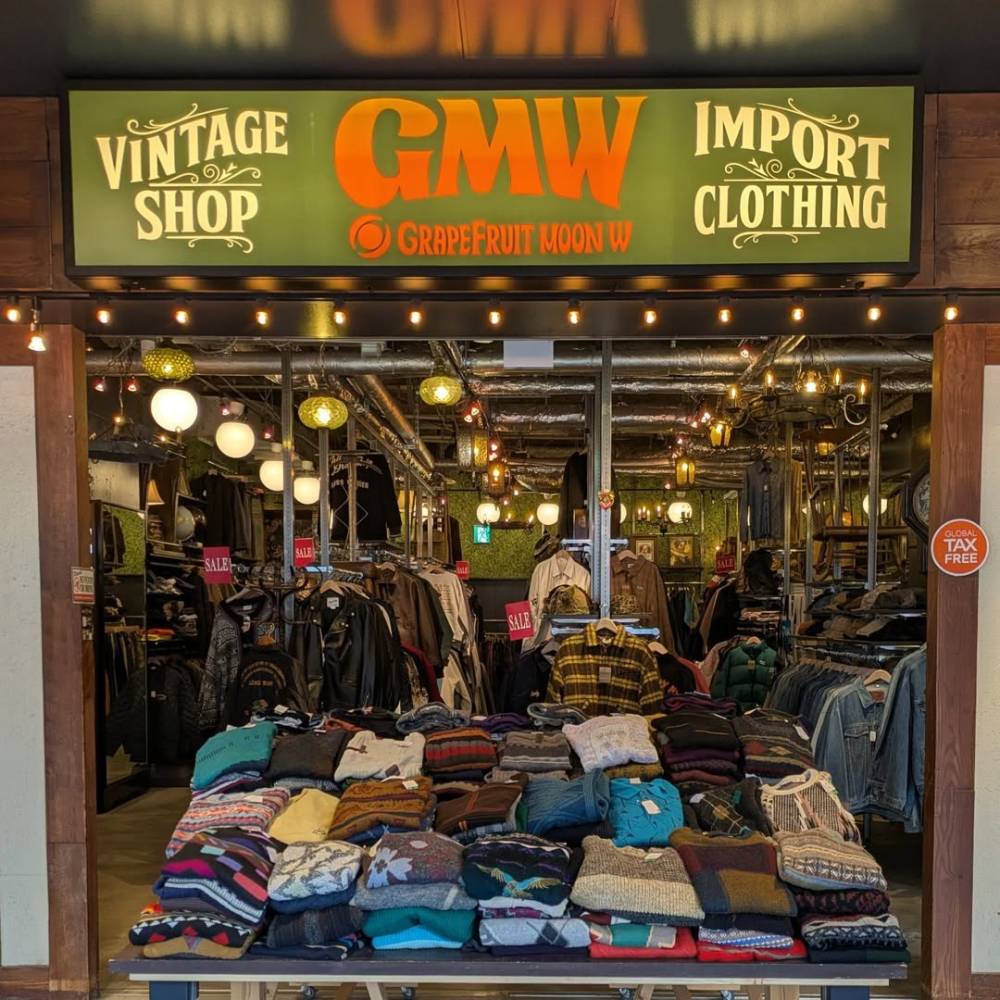
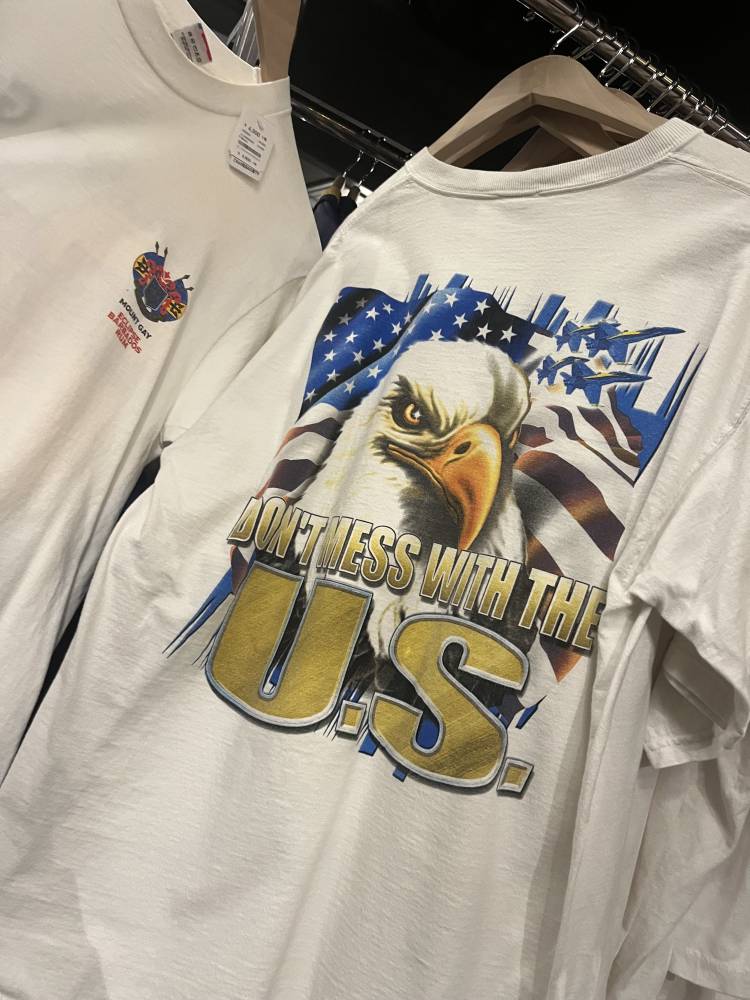
Rifling through the stacks, it became clear this wasn’t a one-off. Fading, oversized American tees from the ’90s filled the racks (Don’t mess with the US!), each one professing a love for the nation across the Pacific. We were in Fukuoka, inside one of the many thrift stores, the scent of dusty sweaters and old leather wafting through the shelves.
Walk through Harajuku or Omotesando in Tokyo, and you’ll find vintage shops stocked with Ralph Lauren from every era, from Ivy League prep to full cowboy fantasy.
In other stores, newly pressed records line the shelves. Japanese city pop sits comfortably beside American rock bands like the Eagles and Steely Dan. While there are shelves upon shelves of American jazz legends, too, with Chet Baker, Louis Armstrong, Duke Ellington, Charlie Parker, Miles Davis, John Coltrane, Billie Holiday, Ella Fitzgerald, and more.
Americana love affair with food
The affection extends beyond clothing and music when you look at food culture. The Japanese approach cuisine with meticulous care, yet they’ve adopted American fast food in uniquely local ways, from KFC as a Christmas tradition to Kit Kats as exam-season talismans.
Wander into a konbini like 7-Eleven or Lawson, and you’ll find Doritos dusted with wasabi or Pringles flavored with takoyaki or curry. Pair it with a bottle of Fanta, perhaps infused with Okinawan shikuwasa, a native Japanese citrus fruit.
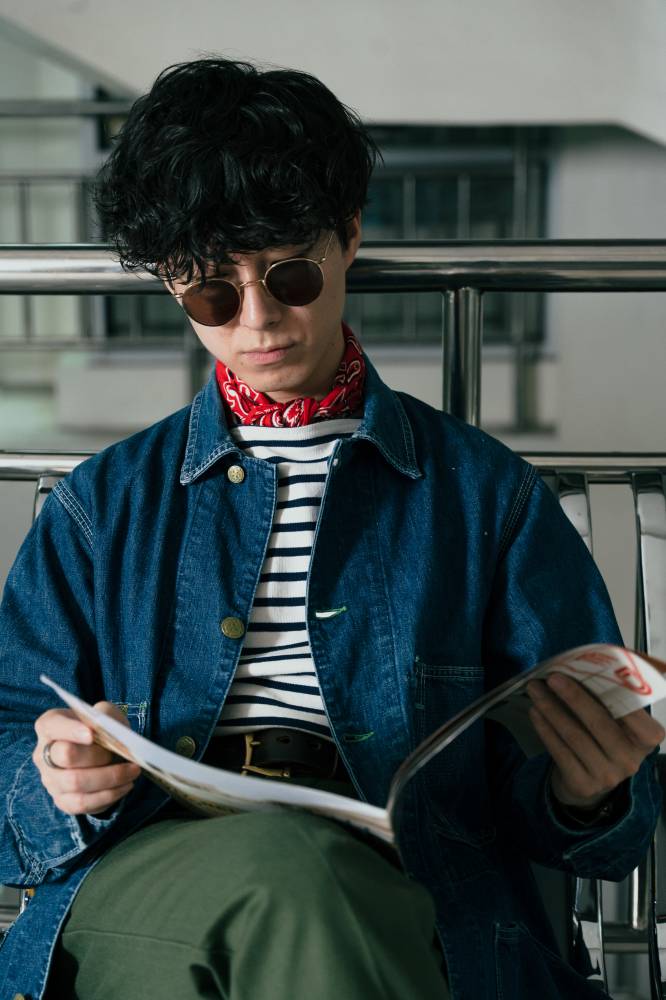
Then there’s contemporary Japanese fashion, where Americana is elevated through the brands. Niche luxury labels like Momotaro are revered for their denim with exceptional quality, distinctive fading, and the ability to hold indigo dye. The Real McCoy’s, arguably one of the finest Americana reproduction brands in the world, thoughtfully recreates vintage American jackets, updating original garments for modern wear.
Without a doubt, Japan has a devotion to all things vintage, especially American vintage. This often goes with an approach that feels more considered than that of Americans themselves. The Japanese are, after all, a culture known for obsessive attention to detail.
The rise of Americana in Japan
But how exactly did American style take such a firm hold in Japan?
A lot of it boils down to history. In postwar 1950s, Japan entered a period of rapid modernization and industrialization. The US-led military occupation from 1945 to 1952 brought sweeping democratic and economic reforms. Dare it be called a colonial mentality or not, Japan did not hesitate to absorb aspects of this new way of life.
After the occupation, Japanese initially returned to pre-war norms with suits for adults and uniforms for students. By the mid-1960s, Ivy League style arrived through brands like Van Jacket, which helped shape a distinct youth fashion culture and sparked a widespread fascination with denim. By the 1980s, Japanese stockists were importing American vintage and deadstock. And by the 1990s, these pieces had become staples rather than curiosities.
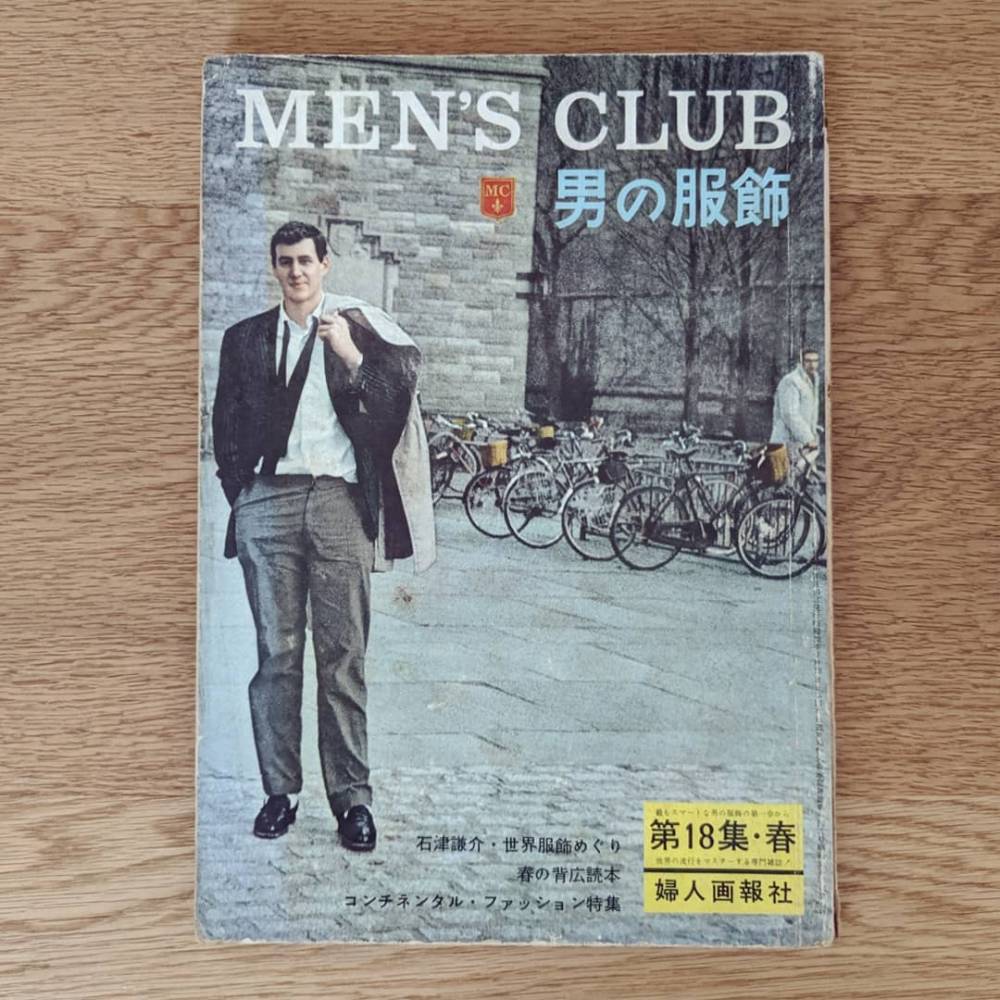
Ivy League culture was further reinforced by Japanese students who studied in the US after the war, contributing to an idealized vision of America. “Take Ivy,” published by Shosuke Ishizu, Toshiyuki Kurosu, and others, captured this obsession through photographs of American collegiate style. The book, created by four Japanese sartorial enthusiasts, sold out almost immediately upon release in Japan.
Cultural historian David Marx explores this phenomenon in “Ametora: How Japan Saved American Style.” The term “ametora” is short for “American traditional.” Marx explores how brands such as Uniqlo, Kamakura Shirts, Beams, and Kapital built their business identities on high-quality reinterpretations of classic American garments.
And we’re not far behind. Amekaji, the Japanese fashion style that translates to American casual, has built a strong Amekaji community in the Philippines.
An approach of respect
While always keeping a strong sense of culture, the Japanese are culturally fond of appropriation. They are known for excellent French food, from fine dining to the most delicate crepe cakes. Tokyo is known for having some of the best Neopolitan pizzas in the world, combining Italian tradition with Japanese precision, specifically with pizzas by Susumu Kakinuma of Seirinkan. Japan also adopted the British way of driving on the left side of the road, originating from their railway system in the 19th century.
So when it comes to Americana style, be it preppy staples or rugged workwear, the Japanese do it well. And with an added layer of cool.
In Japan, Americana isn’t worn as nostalgia or irony, either. The aesthetic is studied and refined, and in typical Japanese fashion—approached with respect.
What began as a postwar influence has evolved into careful preservation of American style, even in moments when America itself has moved on. In loving Americana so intently, Japan has gone beyond adopting the aesthetic to archiving it, finessing it, and in many ways, giving it a longer life, both in Japan and around the world.