








Chef on a mission

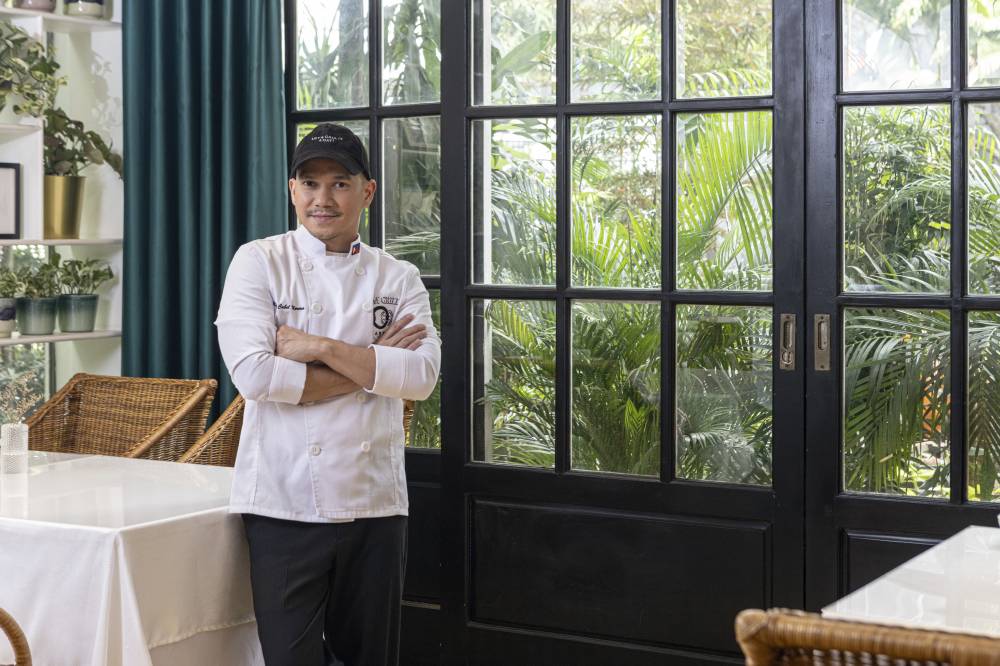
Chef Miggy Cabel Moreno is on a mission. With Michelin’s entrance into the Philippine food scene, and both his restaurants—Palm Grill and Cabel—earning a Bib Gourmand, he believes he’s getting closer to his goal. Palm Grill, located on Tomas Morato in Quezon City, is a casual restaurant that serves Southern Mindanaoan and Tausug cuisine, while Cabel took over the former Casa Roces restaurant across the street from Malacañang Palace and serves heritage Filipino food from Luzon, Visayas, and Mindanao.
“Prior to the arrival of the Michelin, before winning the award, we got a lot of customers who would come to the restaurants. We would explain the menu, and they would step out. They weren’t even willing to try it,” he explains. “[But] Michelin’s arrival became some sort of validation for the work that we’ve been doing for almost nine years.”
A stigma to disprove
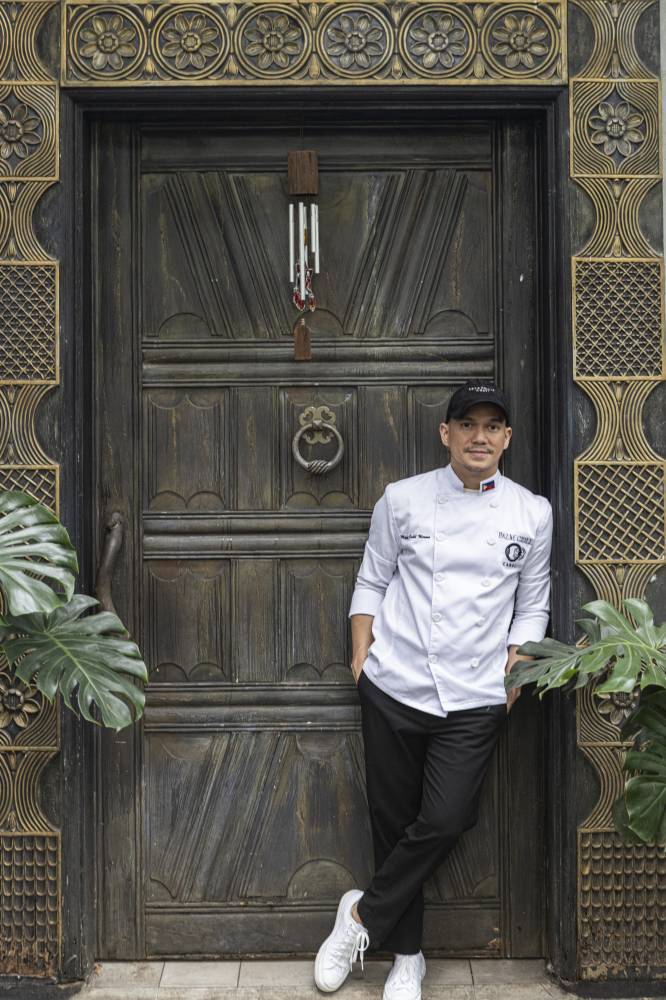
The word “validation” may raise eyebrows with many expressing that Filipino food doesn’t need Western validation. If Filipino food (and we’re not only talking about the mainstream Filipino food everyone is familiar with, like adobo and sinigang) is inherently delicious and perfect as it is, why was Palm Grill having a tough time filling their tables before Michelin?
“Filipinos are creatures of habit. There’s nothing wrong with that, really,” Moreno says. “But I think in order for us to really elevate our cuisine even further, I think we have to be a little adventurous in discovering flavors of the Philippines. I’ve been championing Southern Mindanaoan flavors, and I took a bold step of bringing regional cuisine to Metro Manila when everybody in my circle was telling me, ‘Nobody’s going to eat in your restaurants.’”
“[But] the truth is, a lot of Filipinos are hesitant to try Mindanaoan food, specifically Tausug food, because the majority of them have never been to Mindanao, let alone have tried their food,” he adds.
The southernmost parts of the Philippines have been plagued by stigma for decades. In fact, the Department of Tourism Undersecretary Myra Paz Valderrosa-Abubakar was quoted as saying at the Philippine Tour Operators general membership meeting in 2023, that, “[Locals] and [foreigners] alike have a negative outlook of the Mindanao islands. For decades, there has been a disproportionate amount of negative news about the island, painting it as a dangerous place.”
It’s this image that creates misconceptions about the food as well. “I’ve heard the food is labeled as Muslim food. I’ve also heard food for the terrorists in the past. It’s crazy. The biggest misconception I’ve heard is that it’s not delicious,” says Moreno.
And when asked why people would think that, Moreno’s curt. “Because they think that the area is primitive or sub-Saharan,” he says, referencing a viral comment by journalist Richard Heydarian about the region. “That’s why, for me, it’s really educating people through the food I serve.”
Changing perceptions, one dish at a time
Moreno wants to change the paradigm people have of Southern Mindanao. And he is determined to, one dish at a time. If people can’t travel there, he plans to take you there through his food.
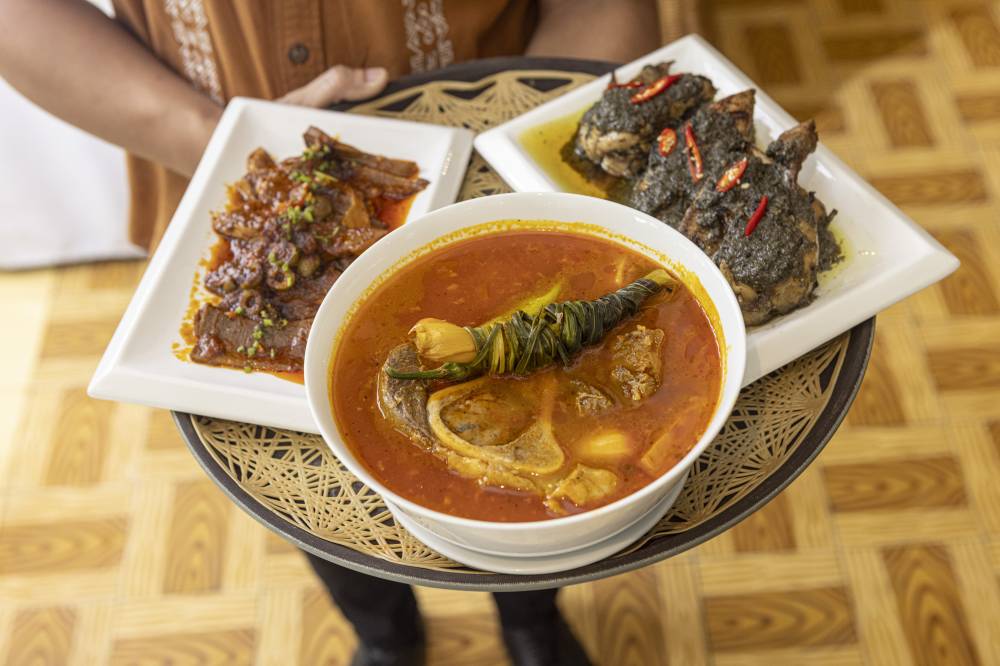
At Cabel, they serve pyanggang manok—a chicken dish with a sauce made with burnt coconut meat with aromatics called pamapa. The pamapa lends a complex smokiness and nuttiness to the chicken, adding a unique dimension to the dish. “If you dig deeper, Tausug cuisine or Southern Mindanaoan cuisine was ahead of its time. The mere fact that these pre-colonial practices of burning coconut meat and incorporating it into their cooking… that, for me, in the culinary sense of things, is advanced,” Moreno explains.
Although Palm Grill in Quezon City serves a more comprehensive menu of Tausug cuisine, such as tiyula itum—a spicy broth blackened by pamapa with torched bone marrow—Cabel serves a handful of them together with food from other regions to showcase the breadth of Filipino cuisine from north to south.
After all, Cabel—named after his mother’s maiden name—is dedicated to his Ilocano grandfather, who fell in love with his Tausug grandmother. The two met in Jolo, Sulu, and their love story sets the frame for Cabel’s menu.
On navigating newfound demand
After earning the Michelin Bib Gourmand for both his restaurants, more and more people have been keen on trying Tausug cuisine. Lines form outside Palm Grill’s door, while reservations for a table get harder to come by.

Though this is great news for Moreno, it’s also an important reminder for him to be wary of burnout for himself and his staff. “It’s been crazy because the number of diners has doubled since. The struggle is basically to maintain the quality of the food,” he says.
“I know we’ve sacrificed a little bit of the service because we’re understaffed and because we make our specialties from scratch. We’re adjusting,” he adds. “I hope for people to have more patience and understanding that we’re really trying our best to make sure that we don’t get sold out on items, to make sure that we can still execute it properly and give them the service that they deserve.”
When asked what it’s like navigating these new changes, he likens himself to a duck in a pond—gracefully gliding on water, but what people don’t see is him paddling like crazy underneath. “We’re paddling for our lives,” he laughs.
Transcending tables
It’s not only through the restaurants that he wants to educate people about Southern Mindanao cuisine. This year alone, he has co-authored two children’s books together with his partner Nelson Canlas: “Si Migoy, Ang Batang Tausug” and “Ang Kuwento ni Putli Mandi.” The books have sold over a thousand copies and have also been a part of the Frankfurt Book Fair.
“I’m not just here to put up a restaurant, cook food, and earn money. It’s even deeper. It’s teaching history, culture, and making sure that these traditions and practices don’t die down,” Moreno says. “Why children’s books? I want my work to transcend the tables of the restaurants. I want to start it with children because they will remember, they will start asking questions, and they will be curious about it.”
2025 has been a definitive year for Moreno. When asked what his plans are for next month, he laughs. “I’m just going home to the province of Zamboanga. I’m going to hibernate for a few days.”
All smiles throughout our conversation—because he knows he’ll get right back on track doing what he loves doing soon after—Moreno hopes that by gathering people around food that he grew up on, it will give them a glimpse of the uncharted beauty of the Philippines.