





Cracking down on unfair and abusive collection practices

One of the most significant commercial innovations in the modern age is the advent of online lending applications (OLA), established by financing companies and lending companies (FCLC), which have revolutionized the concept of obtaining credit in a digital manner. As a platform, OLA has done away with the complicated process of securing debt, and has conveniently allowed ordinary Filipinos to access credit with the click of a button—expanding their purchasing power with ease.
The dark side of loan collection
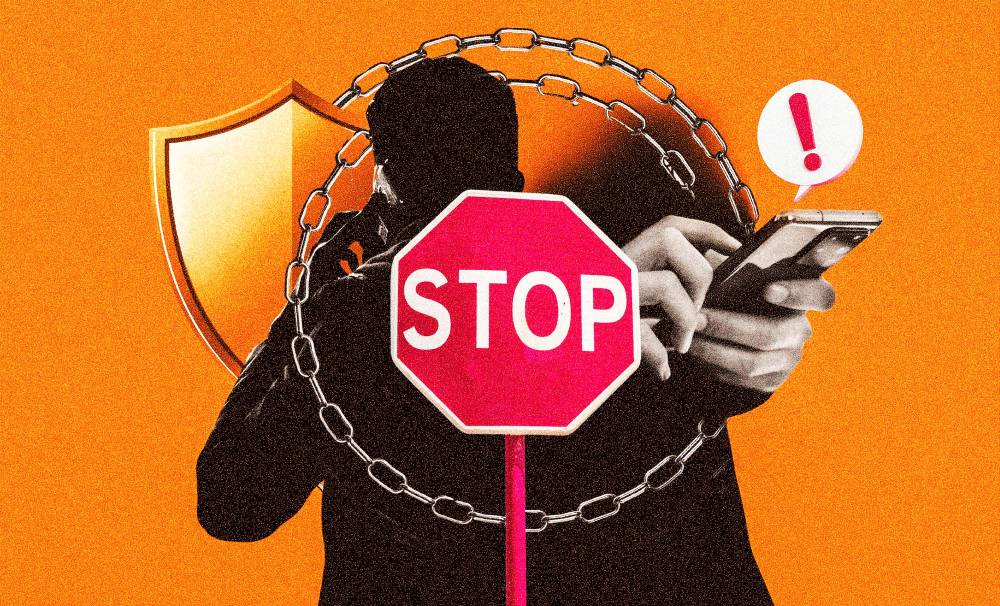
However, every development comes with a dark side. Recently, it appears that it has become the norm for FCLCs to exhaust all means to ensure that the loans are paid at all costs—even if it means resorting to unethical and abusive collection practices. These methods include employing public shaming, harassment, and threats from anonymous numbers but are obviously attributable to the FCLC due to the nature of the messages, which all demand immediate settlement of the debt.
Aside from financial burden, this vicious and predatory behavior on the part of FCLC leaves borrowers vulnerable to mental and emotional abuse. And while it seems that most borrowers from FCLCs have already accepted this as a norm, the government certainly does not condone this, and has in fact crafted measures specifically to address this phenomenon.
Unbeknown to many, the Securities and Exchange Commission (SEC) has implemented SEC Memorandum Circular No. 18, Series of 2019 (MC-18), titled “Prohibition on Unfair Debt Collection Practices of Financing Companies and Lending Companies,” to combat the unethical and abusive collection practices that unduly oppress the public.
A call for financial inclusion
Section 1 of SEC MC 18 provides that FCLCs may “resort to all reasonable and legally permissible means to collect amounts due to them under the loan agreement, provided that, in the exercise of their rights and performance of their duties, they must observe good faith and reasonable conduct and refrain from engaging in unscrupulous and untoward acts.”
At its core, this circular provides for the standard of proper conduct that must be observed by FCLCs and their agents in the exercise of the legal right to collect on the debt from their borrowers.
Additionally, Section 1 of SEC MC 18 enumerates and explicitly bans several common abusive tactics employed by FCLCs against borrowers, such as the use of profane and abusive language, public shaming and disclosure, unauthorized third-party contact, attempts to collect at unreasonable hours, and false representation—all of which subjects them to severe penalties.

For violations, the FCLCs that operate the OLAs face fines ranging from P25,000 to up to P1 million for repeat offenses. The penultimate punishment for FCLCs who violate SEC MC 18 is the revocation of their Certificate of Authority to operate, which prevents them from inflicting further abuse on their borrowers. The threat of losing their license has proven to be the most effective deterrent against persistent abuse.
The enactment of SEC MC 18 is a call, both to FCLCs and borrowers, to exercise prudence in their respective dealings, and to comply with their obligations under the law. With these measures in place, the era of unchecked, high-tech harassment by online lenders is coming to an end.
That said, SEC MC 18 is a critical step toward ensuring that digital credit remains a tool for financial inclusion and not a weapon for intimidation, affirming the Filipino borrower’s right to dignity, even in debt.