











Dilara Fındıkoğlu pulls fashion out of the archive trap

In a moment where many luxury brands milk archives, or dip into sartorial memory for another reissue capsule, the fashion world feels eerily like a record stuck on “greatest hits.” Trends filtered through decades past, safe bets for seasonal sales, and endless homage to archive codes.
If fashion today too often feels like brands rummaging through old drawers for scraps, then Dilara Fındıkoğlu is one of the designers pulling rather than repelling that conveyor belt of déjà vu.
Innovation at the heart of design
The London-based designer, originally from Istanbul and trained at Central Saint Martins, built her label outside the safety net of heritage branding and industry patronage. Early on, she was shortlisted as a semi-finalist for the LVMH Prize, a recognition that positioned her as one of fashion’s most disruptive emerging voices.
Since then, she has cultivated a fiercely independent practice, exploring mythology, gothic romanticism, punk attitude, feminine power, and social narratives as provocations for now and what’s next.
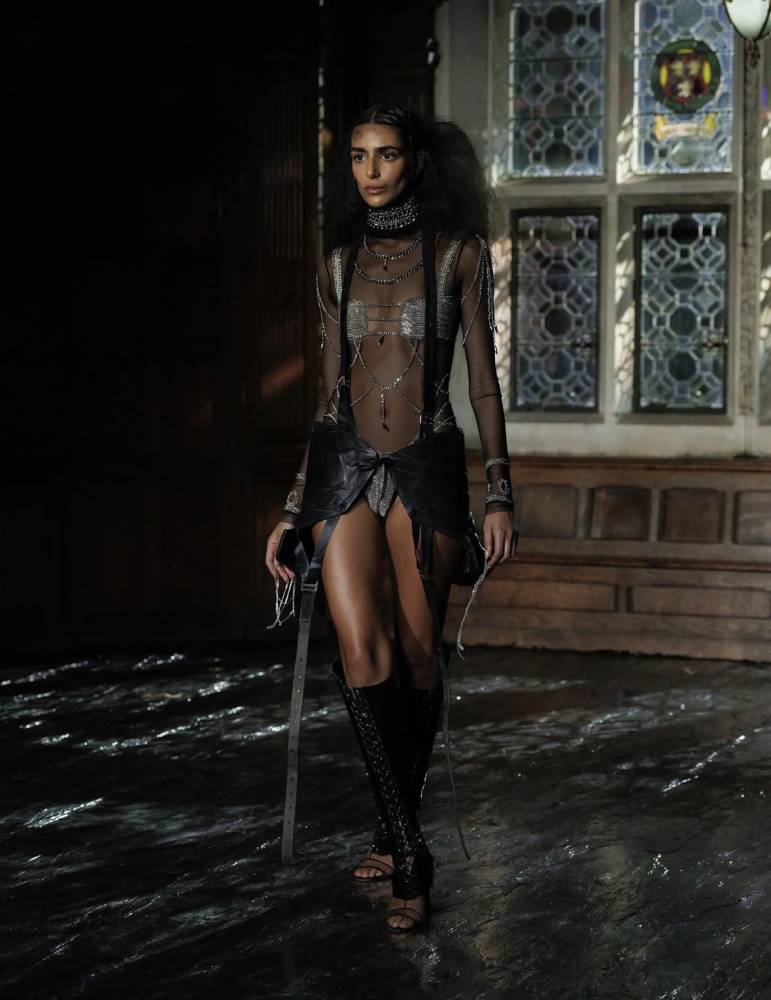
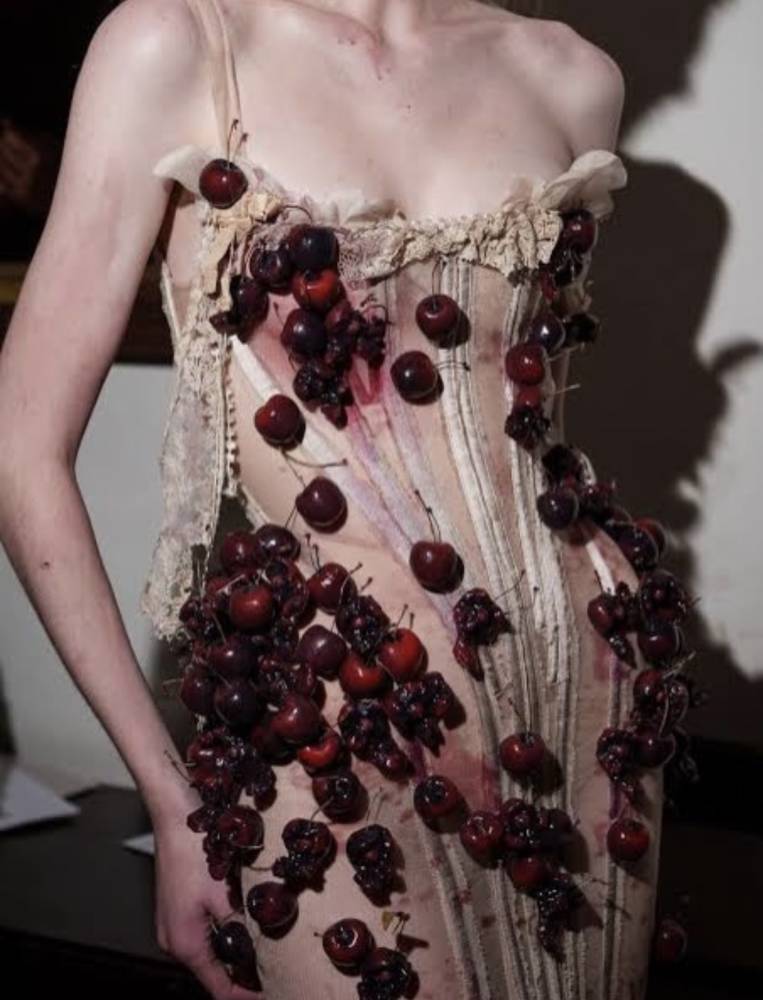
Take, for instance, her SS26 ready‑to‑wear collection, “Cage of Innocence.” It’s a body of work that takes the abstract—freedom, confinement, the heritage of womanhood as both myth and burden—and expresses it through striking techniques and materials. Slashes of alabaster white lace, boned corsetry against leather, sheer chiffon interlaced with hardware and spikes. The collection was widely seen at London Fashion Week and celebrated for its visceral storytelling on the runway.
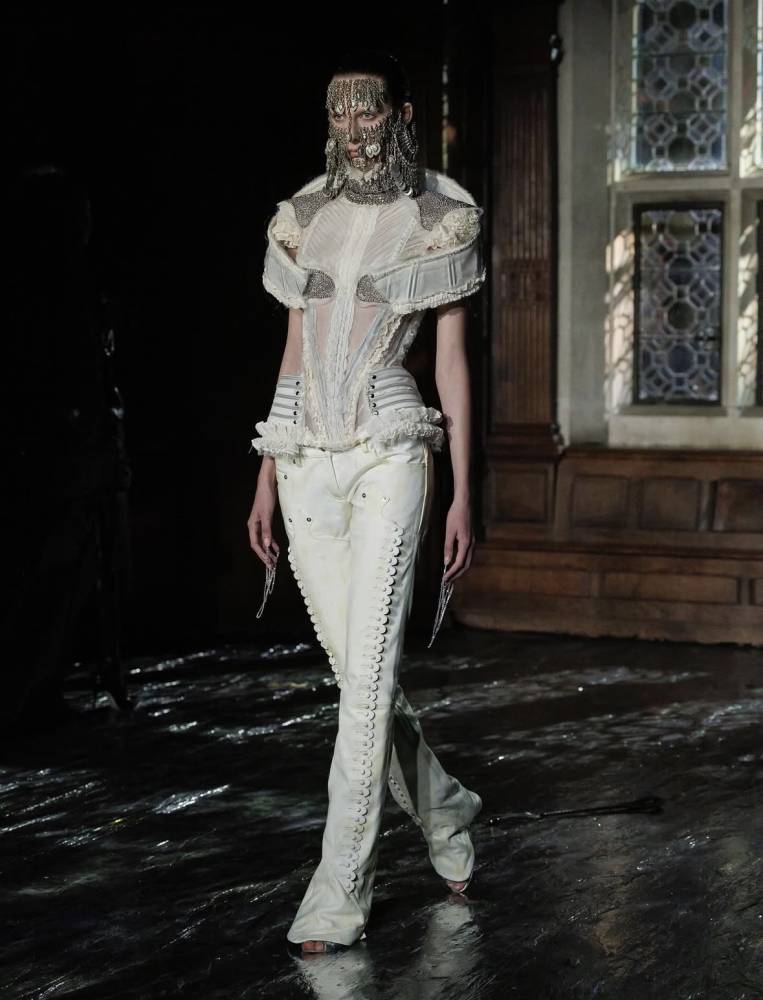
Among the most talked-about offerings was the SS26 Hysteria bag, which felt like a manifesto in miniature. Debuting in her accessories lineup, the bag features a sculpted shape that showcases Fındıkoğlu’s signature distressing technique, and is available in classic colors like black, white, and red. Crafted in Italy, it is made from textured leather and layered with distressed silk satin and organza, merging structure with a sense of worn-in, rebellious elegance.
While many luxury houses rely on nostalgia—Fendi resurrecting the Spy Bag, Balenciaga looping back to its early-2000s City Bag, or Louis Vuitton reissuing Murakami designs—Fındıkoğlu introduced an entirely new bag, one that exists as a statement in its own right.
Fashion as cultural resonance
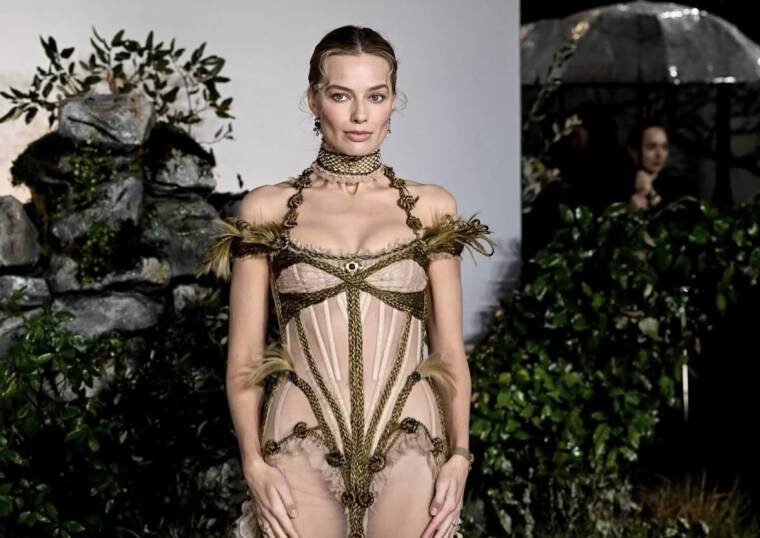
Her momentum has only intensified off the runway. One of her most viral moments to date came with Margot Robbie’s custom Dilara Fındıkoğlu look for the “Wuthering Heights” London premiere—a piece that blurred costume, couture, and literary reverence.
In an Instagram post detailing the creation, Fındıkoğlu revealed a silk tulle fantôme corseted dress with a gathered silk French chiffon train, fully boned throughout to emulate her signature sculpted feminine silhouette. Inspired by Charlotte Brontë’s mourning bracelet, synthetic hair was hand-dyed to precisely match that of Anne and Emily Brontë, then individually braided together to symbolize their connection.
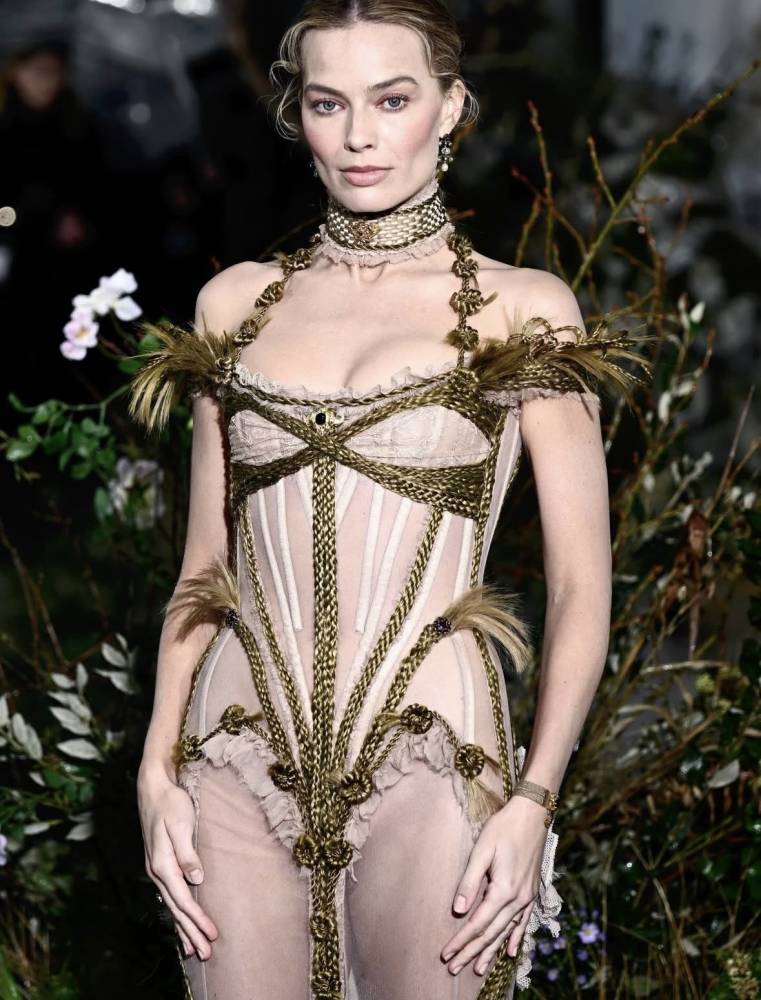
The dress was also adorned with Victorian mourning hair flowers and antique brooches, all paired with Victorian lace. Hand-dyed antique lace cascaded across the bust, while the hips were romantically ruched with falling chiffon ruffles. It was couture as narrative, not spectacle for spectacle’s sake.

Anne Curtis, a Filipino actress, also turned to Dilara Fındıkoğlu for the promotion of her film “The Loved One,” wearing the Shield Dress, a standout piece from the designer’s A/W 2025 collection. Inspired by medieval armor, the look features a waist-cinching bodice and is fully enveloped in a high-shine crimson textile that reads as both protective and provocative.
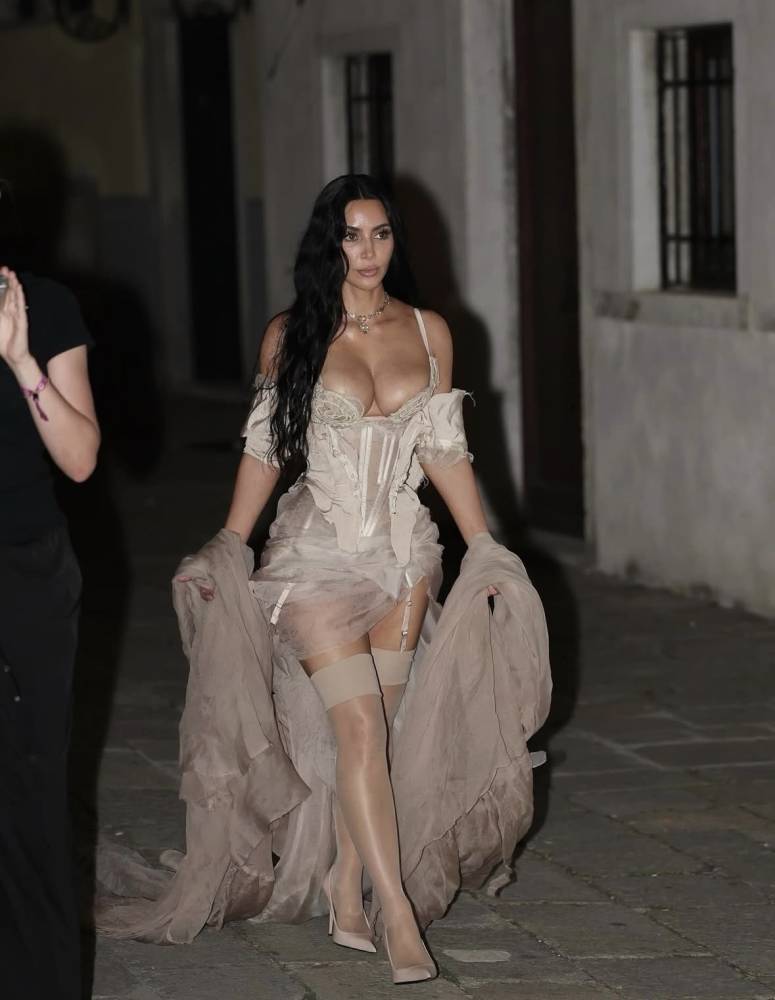
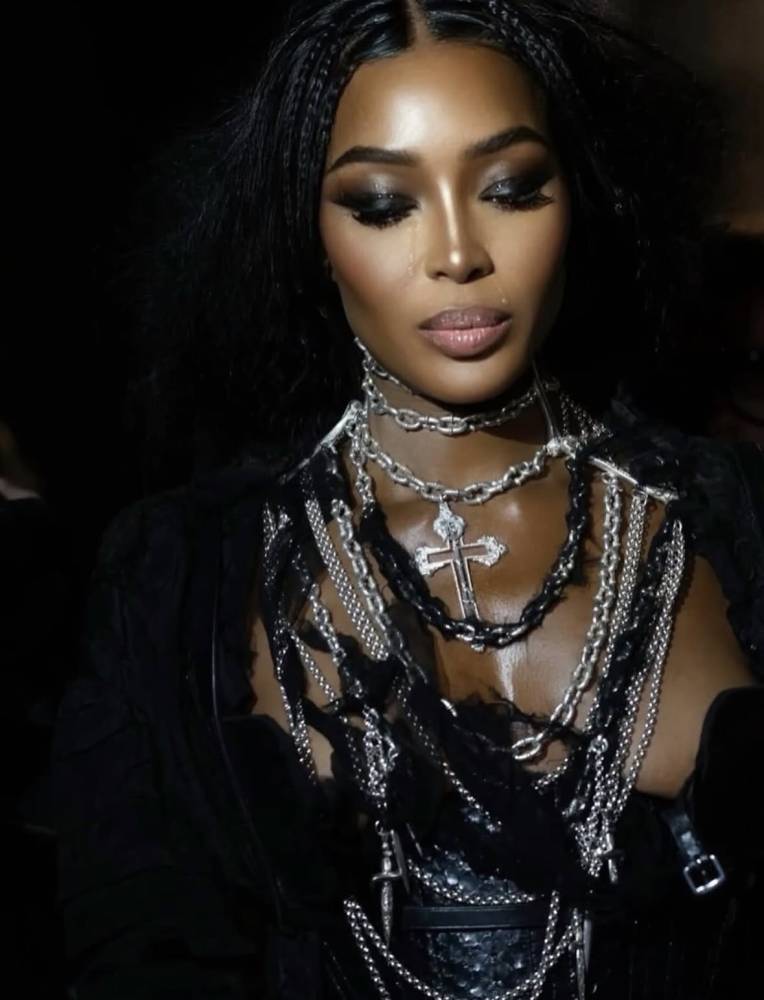
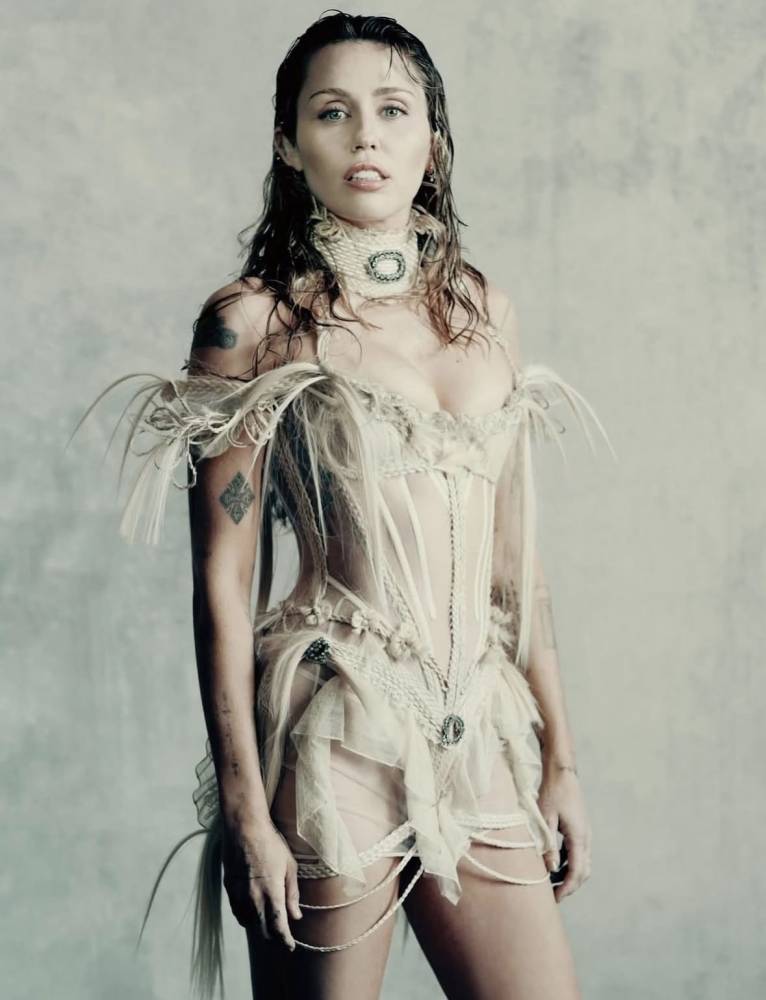
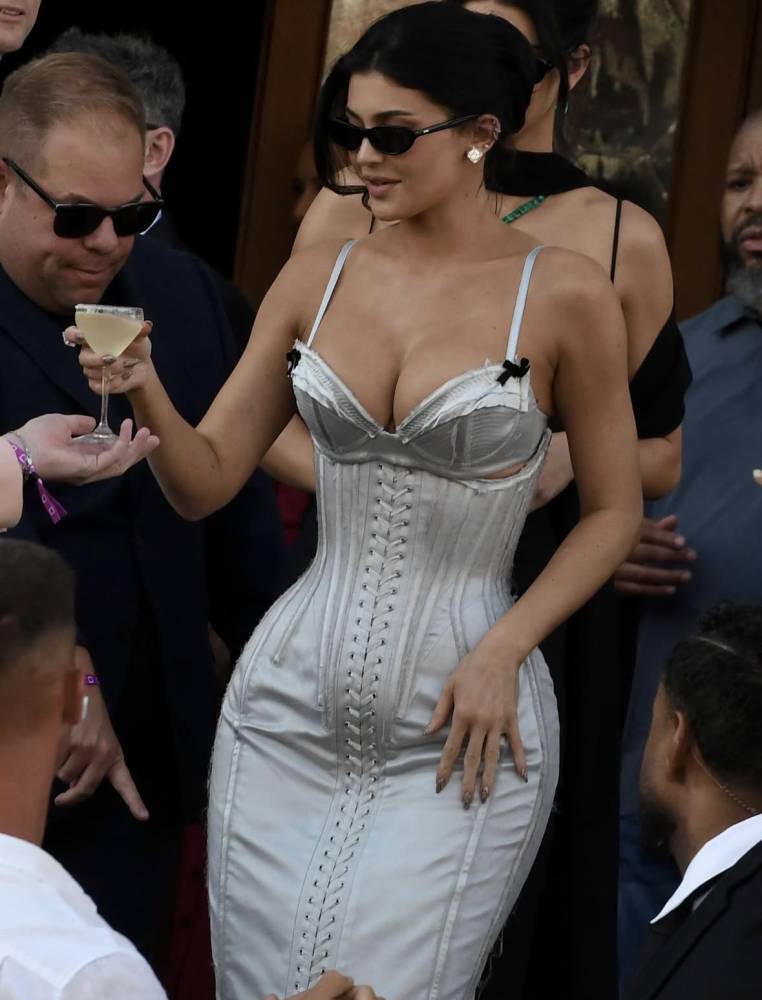
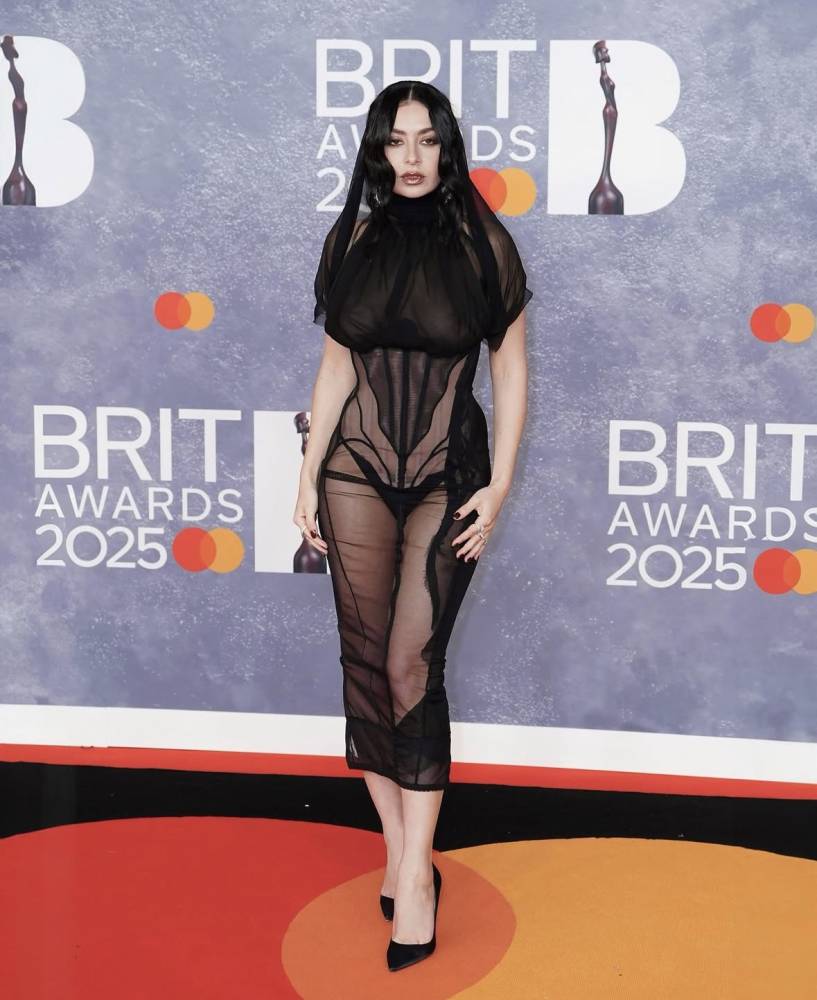
This cultural resonance is only growing. Her designs have recently been worn by Miley Cyrus, Naomi Campbell, Kim Kardashian, Kylie Jenner, Charli XCX, Jennie Kim, Lisa Manoban, and Jenna Ortega, who appeared in the SS26 Old Wounds dress at the Golden Globes.
Fashion for creativity, not just selling
The reason designers like Fındıkoğlu feel so urgent today—beyond craftsmanship—is that they are wrestling with why we want fashion in the first place. When most brands double down on archive branding to stimulate sales, her runway feels like fashion thinking, not just selling.
Style, in her world, becomes discourse: a proposition that clothes can be sites of feeling and critique, not just symbols of affluence. “I feel like women have been kept in cages of innocence and purity, being told they have to be clean and represent virginity, all this kind of stuff. What appears light and virtuous in name has, in truth, weighed heavily across generations, transforming supposed ideals into invisible walls,” says Dilara Fındıkoğlu in 10 Magazine.
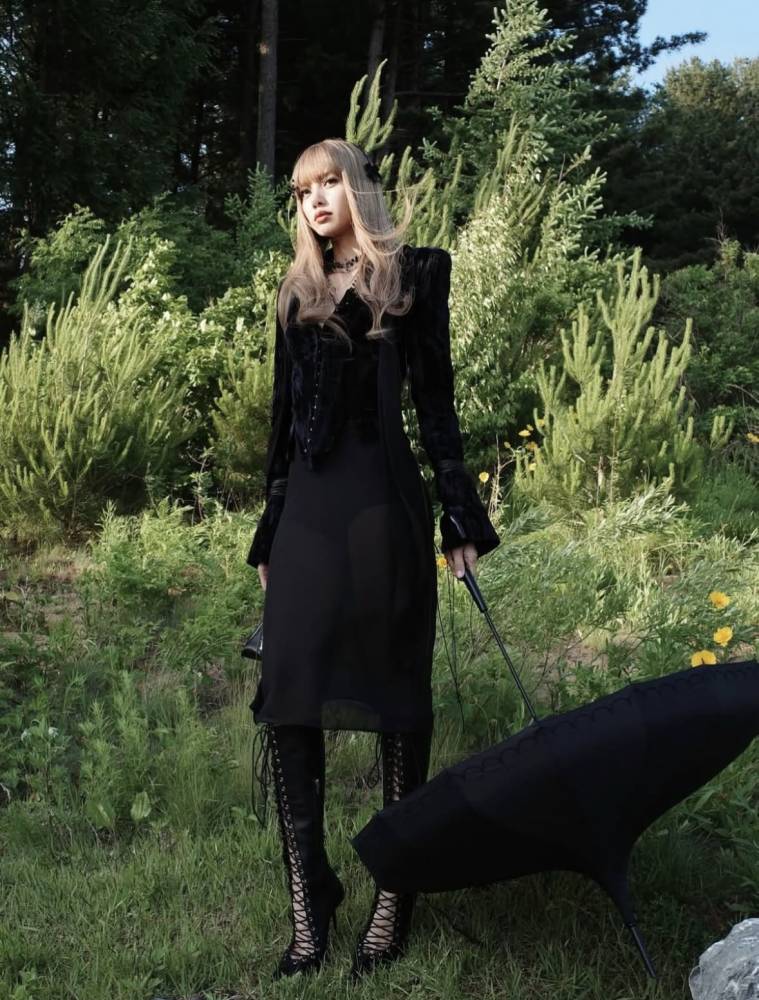
Fındıkoğlu’s work continues to push the boundaries of fashion as cultural expression. Her collections are studied by emerging designers and celebrated for balancing theatricality with wearable structure. She believes that fashion should challenge, innovate, provoke, and demand attention.
And she does so in the most disruptive way possible.