







Dissecting the Noche Buena

Cora Alvina is the museum director of the Museo ng Kaalamáng Katutubò. An anthropology graduate of UP Diliman, she was part of the founding faculty of Cultural Heritage Studies at the UST Graduate School. She conceptualizes cultural projects, writes, edits, photographs, and studies Philippine material culture, and has curated exhibitions in San Francisco, Paris, and Heidelberg. She also sits on the board of the nearly 100-year-old Manila Symphony Orchestra.
With credentials like that, it’s no surprise that Alvina looks at things with an inquisitive, searching eye—and that the beloved tradition of Noche Buena did not escape her gaze.
A historical trip down memory lane
In her recent talk “Narratives about Christmas Food” at the Museo ng Kaalamáng Katutubò, she unraveled what appears on our Christmas Eve table, tracing many dishes to history, migration, and adaptation.
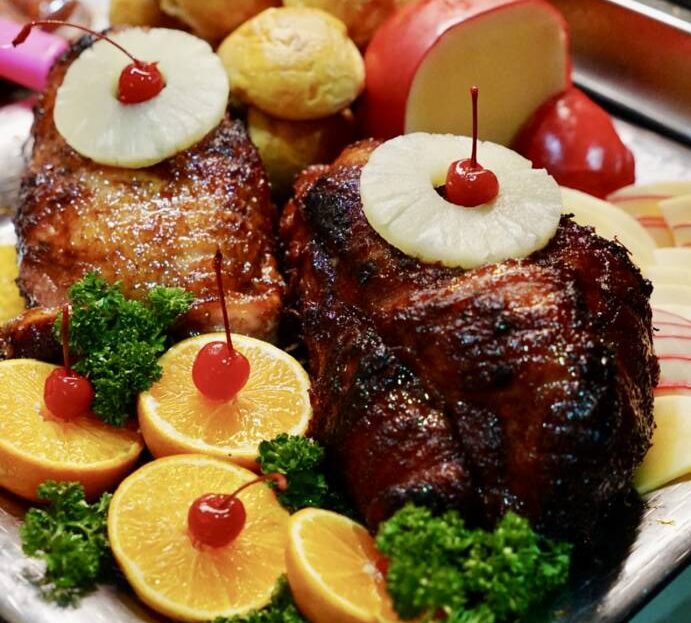
Alvina began with dishes inherited from past colonizers: jamón, from homemade de funda to imported serrano or ibérico; chicken galantina, French in technique but filtered through Spain; ensaimada from Mallorca, now far from its original form; queso de bola; and sweets like chocolate-e (chocolate a la taza), leche flan, and the ultra-rich tocino del cielo.
American influences followed—Virginia ham, roast turkey, rosy Russian salad, fruitcake, and fruit salad—long before buko pandan with gulaman and condensed milk became the finale.
But Noche Buena, Alvina pointed out, is not only shaped by what came from elsewhere. It is also built on ingredients we use every day—food that anchors both feasts and ordinary meals.
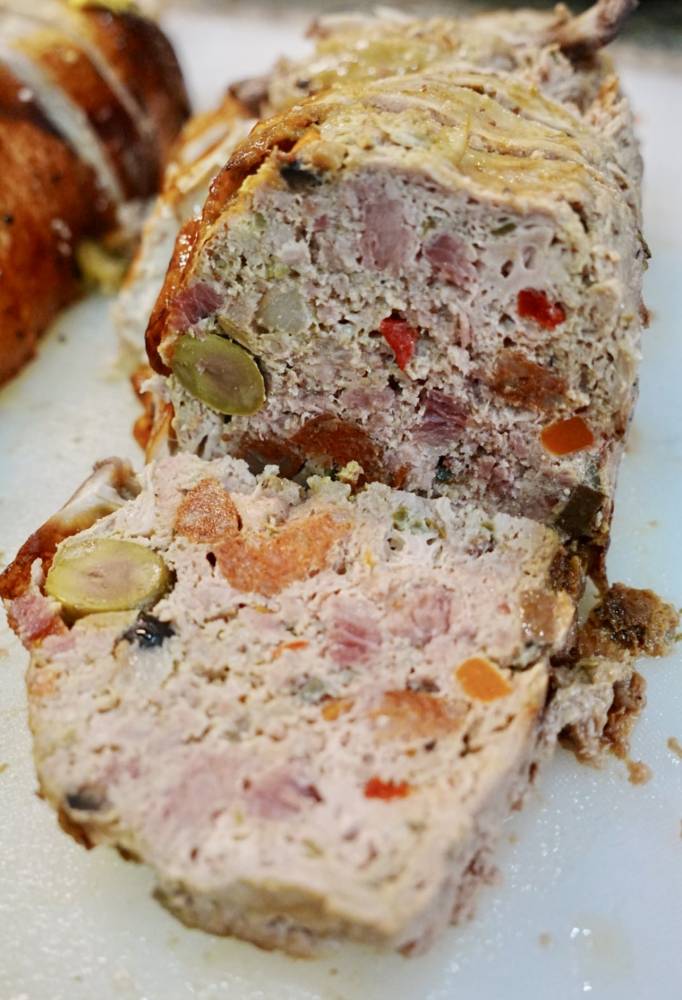
Pasko sa Nayon, or “Christmas in the nation,” paints another picture: a table of embutido, menudo, and caldereta, always paired with generous bowls of steaming rice. Sometimes, bringhe appears—malagkit na kanin cooked in coconut milk and tinged with luyang dilaw. Not an economical paella, Alvina stressed, but a Malay dish in its own right.
Meanwhile, desserts are familiar and comforting: halayang ube, buko fruit salad, suman sa ibos, and bibingkang malagkit finished with sweet coconut sauce.
Noche Buena: A tradition made Filipino
Through Alvina’s lens, Noche Buena emerges as layered and evolving—borrowed, adapted, and ultimately made Filipino. Let us delve into the ingredients that make our table uniquely our own.
At the heart of it all is rice. Long before colonization, rice shaped daily life, ritual, and community. Archaeological finds in Cagayan show it was already being grown as early as 1500 to 1400 BCE. We take pride in our many local rice varieties. For us, rice is prayer. It is planted with hope. Rice cakes are offered to both God and guests. It marks milestones—a baby’s first food, the first thing brought into a new home, a harvest saved for Christmas or a special occasion.
Then there is the pig, brought by Austronesian seafarers some 4,000 years ago. Across communities, pigs signaled wealth, figured in ritual, and fed celebrations. As jamón or lechon, the pig remains the star of festive tables—meant to be shared.
Chicken, too, has long been part of island life. The red jungle fowl, or labuyo, is native to Southeast Asia and has long existed in the Philippines. Some populations may be naturally occurring, while others were brought by early settlers. Archaeological finds show chickens were being raised and eaten by the early centuries of the last millennium. Cooked as stew, roast, or relleno, chicken belongs as much to everyday meals as it does to celebrations.
Alvina also drew attention to sugar cane and coconut—ingredients so familiar we often forget their importance. Sugar cane, carried across the islands thousands of years ago, later flourished under Spanish rule, especially in Negros and Panay. With it came indulgence in the form of leche flan, bibingka, puto bumbong, kakanin, candies, and cups of hot tsokolate. At Christmas, sweetness signals generosity.
And the coconut—hardy, generous, everywhere. Its origins may be hard to trace, but its presence is unmistakable. Gata enriches both sweet and savory dishes, turning simple food into something comforting and celebratory.
Together, these ingredients make Noche Buena more than a meal—they make memory. In every grain of rice, spoonful of sugar, ladle of gata, slice of Christmas ham, crackling lechon, or chicken relleno, we celebrate not just Christmas, but the hands that cooked before us.
With every shared dish, we honor our history and who we are as a people.
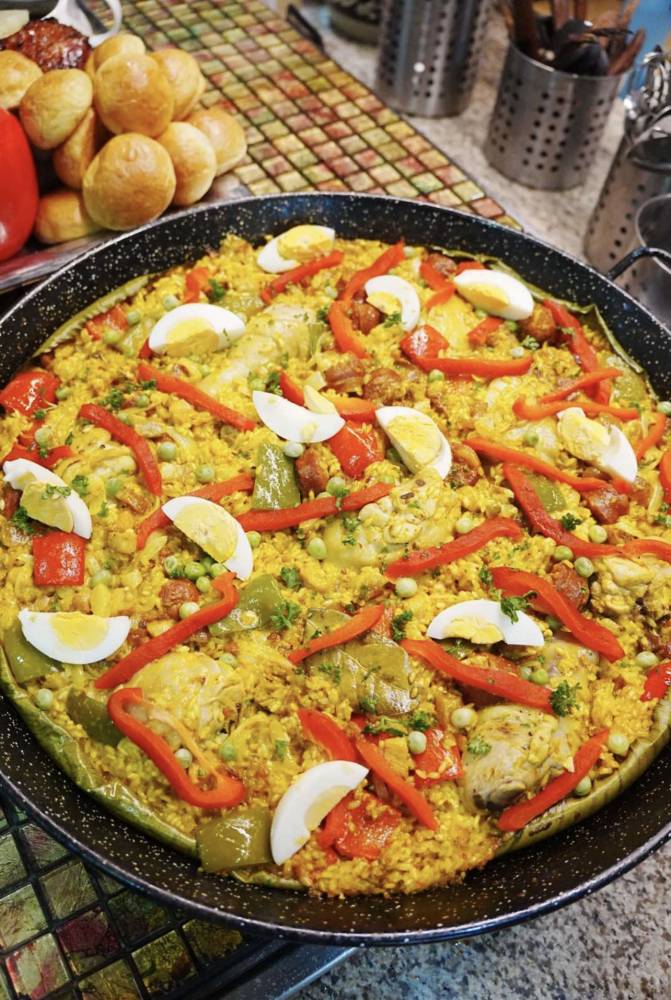
How to cook Bringhe
This is a luscious rendition of Bringhe that I taught during my Noche Buena cooking class. Enjoy!
Ingredients
¼ cup oil
1 kg bagnet, cut into 1” strips or liempo
2 chicken leg quarters, each cut into bite-sized pieces
2 pcs onions, sliced
1 Tbsp crushed garlic
1/2 cup crab fat
2 Tbsp grated luyang dilaw (turmeric) or 1 tsp turmeric powder
2 pieces Chorizo Pamplona, sliced
1 bay leaf
4 cups sticky rice
2 1/2 cups broth
3 cups coconut milk
Salt and pepper, to taste
1 red bell pepper
1 green bell pepper
1/2 frozen green peas
1/2 kakang gata

Garnish
Bagnet
Hard-boiled eggs
Red capsicum, roasted
Procedure
1.Heat up the pan and add oil, and brown the bagnet. Set aside.
2. Add chicken and cook until it changes color. Add in chorizo and cook until nicely colored. Set aside.
3. In the same pan, add in onions, garlic, luyang dilaw, and sauté until onions are soft.
4. Add half the bagnet, reserve half for garnish. Add chicken and chorizo.
5. Add in malagkit rice, bay leaf, and toast 1 minute.
6. Transfer mixture to a banana leaf-lined pan or paellera.
7. Pour coconut milk and broth into the mixture. Cook over low fire for 15 to 20 minutes.
8. Season with salt and pepper to taste and bring to a simmer.
9. Cover with foil, lower the heat, and cook until all the liquid has evaporated.
10. Stir gently and add in peppers and green peas.
11. Cover again and continue cooking until the rice is cooked. Drizzle with kakang gata and cook 5 more minutes over low heat
12. Garnish with bagnet, hard-boiled eggs, and bell peppers.