











Eat well in the city of love

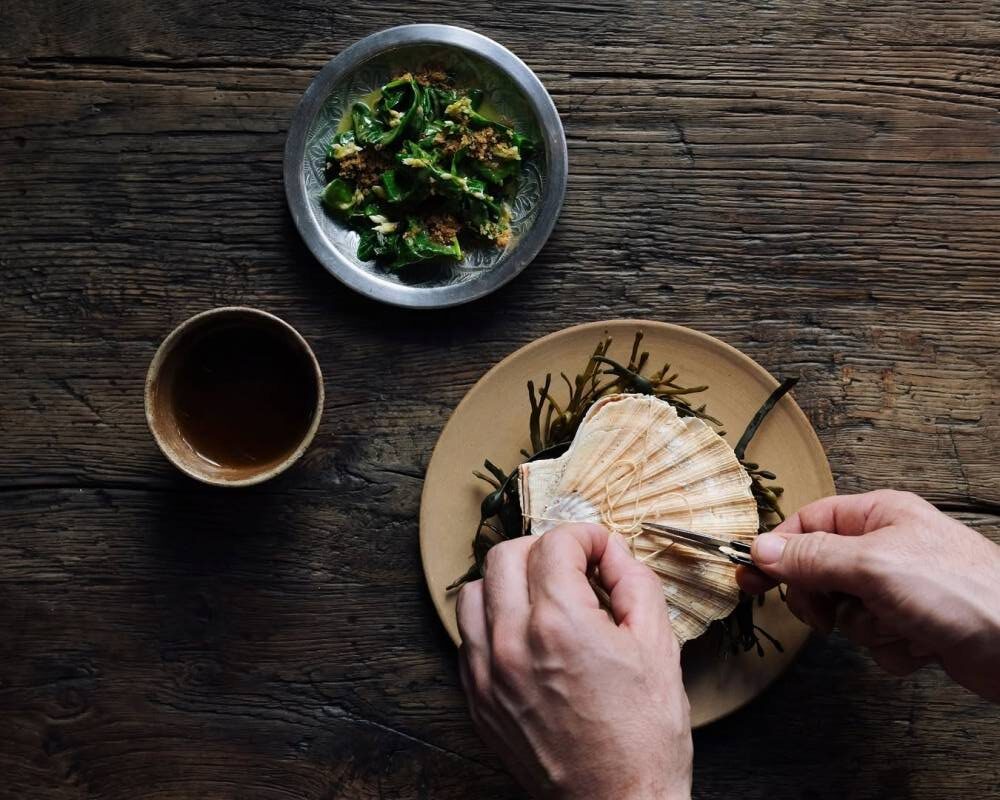
French cuisine is considered the finest in the world with its fresh ingredients and its often meticulous presentation. Historically, its rigorous techniques have standardized professional cooking, from how food is prepared, plated, and served to the structure of a proper course meal.
When you go to the home of a French person, don’t expect a buffet or family-style setup either. Instead, expect a course meal, prepared by hand, often by the hosts themselves.
You may also know French food for flaky croissants, pretty pastries as well as hard but hearty bread. Not to mention all its excellent, creamy cheeses and delicate sauces.
But the best thing about France? Wherever you walk in, you’re bound to find a good meal, often at an accessible price. Look for the “plat du jour” displayed on a chalkboard outside. These offer a starter like a soup or salad, a main dish with seasonal ingredients, and a small pastry to go with your coffee (all of which will cost you less than a burger meal in a fast food restaurant—something I wonder if the health-forward, fine-food-loving government did intentionally).
And while you can be sure any restaurant you walk into will guarantee high-quality fare, if you want places worth planning around, these are some restaurants to seek out on your next trip. From classic bistros to modern dining rooms, reservations are recommended and appetites encouraged.
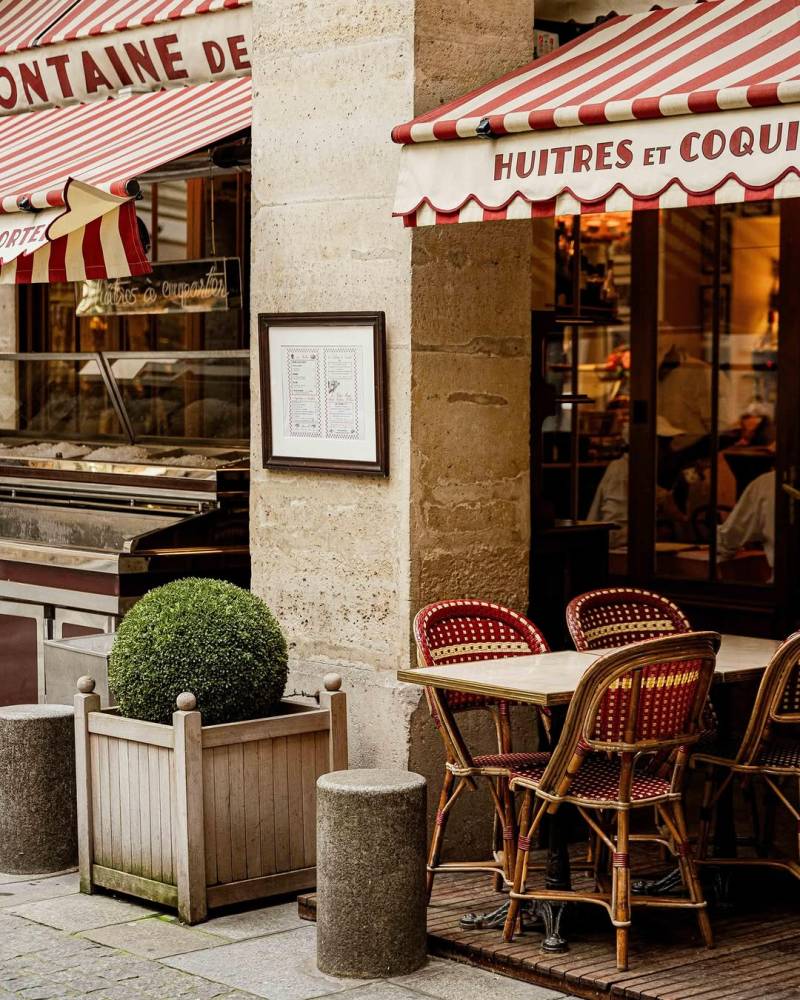
1. La Fontaine de Mars
A classic French bistro and a favorite among both tourists and locals, La Fontaine de Mars is instantly recognizable for its red checkered tablecloths and its location on the charming square of Fontaine du Gros Caillou. It’s near the Eiffel Tower and works just as well for lunch as it does for dinner.
Order traditional French fare like escargot, swimming in garlicky parsley butter with slick and earthy bites (best mopped up with bread). Or have foie gras in terrine form, which comes pressed as cool and silky rich, without being too heavy, and melting on the tongue.
The assiette de jambon du pays is a solid start with thin slices of cured ham that are slightly salty. But the standout for me is the confit de canard—duck leg cooked in fat until tender, with skin crisped to a crackle. For dessert, do not skip the pruneaux à l’Armagnac with Berthillon ice cream: plump prunes soaked in booze, paired with ice cream. This is French food at its most honest.
129 Rue Saint-Dominique, 75007 Paris
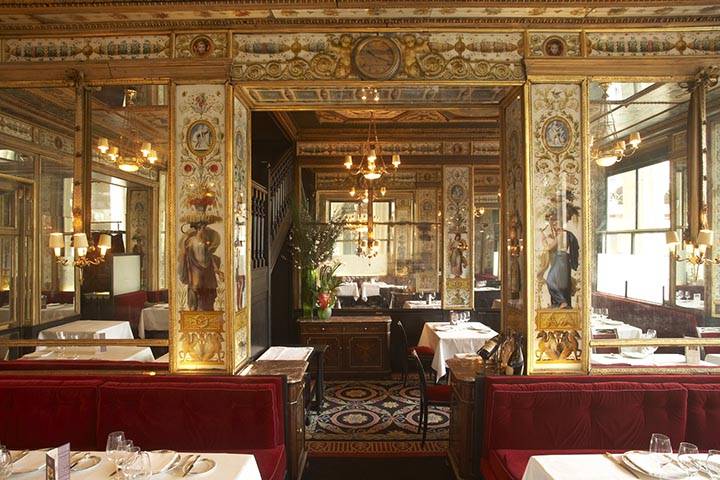
2. Le Grand Véfour
Dating back to the 18th century, Le Grand Véfour offers a more elevated dining experience with beautiful historic interiors. Near the Palais Royal, the restaurant stepped away from Michelin stars and repositioned itself more affordably, which makes it all the more appealing.
They offer a menu semainier from Tuesday to Saturday at 59 euros for two courses or 68 euros for three, with dishes changing daily. One day, a rabbit terrine might arrive, rich yet light, followed by pan-seared fish with just-set flesh and a classic sweet Mont-Blanc with indulgent chestnut cream and meringue. Another day could bring the freshest yellow beetroot salad, the unique pan-seared scorpionfish fillet, and a fruit-forward dessert. The profiteroles, warm choux buns filled with cream and drowning in chocolate sauce, are an absolute must.
17 Rue de Beaujolais, 75001 Paris
3. Septime
Ah, Septime, a neo-bistro of Paris at its best. Set an alarm when reservations open three weeks in advance because tables disappear fast. The restaurant holds one Michelin star yet remains relatively accessible, with lunch menus coming in under 100 euros, impressive given its place on the World’s 50 Best Restaurants list. Vegetables are often highlighted here, either roasted, fermented, or lightly charred to coax out depth. Sauces are also clean and precise yet never overpowering.
The space is modern and pared back, and the tasting menus focus on seasonal ingredients and thoughtful textures. Portions are small but intentional, with each dish minimalist yet full of feeling. If white asparagus is in season, I hope it makes an appearance, its delicate flavors all intact. The natural wine pairing is also something to look forward to.
80 Rue de Charonne, 75011 Paris
4. Bouillon Chartier Montparnasse
Bouillons were created at the turn of the 20th century to make dining out affordable for the general public, and they remain an essential part of Parisian food culture. These large establishments are cheerful, efficient, and steeped in history, complete with Art Nouveau interiors.
Go to the Montparnasse branch of this bouillon rather than Gare de l’Est for the full experience, as the Montparnasse branch is classified as a historical monument.
Here, you can keep it simple with chicken roasted til juicy, while seasoned just right. Or go for their straightforward yet satisfying steak made with the best cuts. You could also go for something bolder, like a dark, rich wild boar in Burgundy sauce, with meat slow-cooked until tender, steeped in wine and aromatics, warming both the stomach and the heart.
The French bouillon’s menu is classic, filling, and great value for money, considering the experience surrounded by Art Nouveau interiors.
59 Boulevard du Montparnasse, 75006 Paris
5. Early June
Located along Canal Saint-Martin, Early June is popular with younger diners and has a warmth that immediately makes you feel at home. The restaurant is small, and the service feels both personal and generous.
Expect plates that highlight seasonal vegetables, treated with care, either grilled or shaved thin, and paired with bright sauces that wake up the palate. Proteins are cooked simply but confidently, often finished with unexpected herbs or acidity.
A new chef comes in every four months, so the menu changes often, highlighting seasonal ingredients while supporting emerging culinary talent. The natural wine list makes everything taste even better, encouraging you to linger a little longer than planned.
19 Rue Jean Poulmarch, 75010 Paris

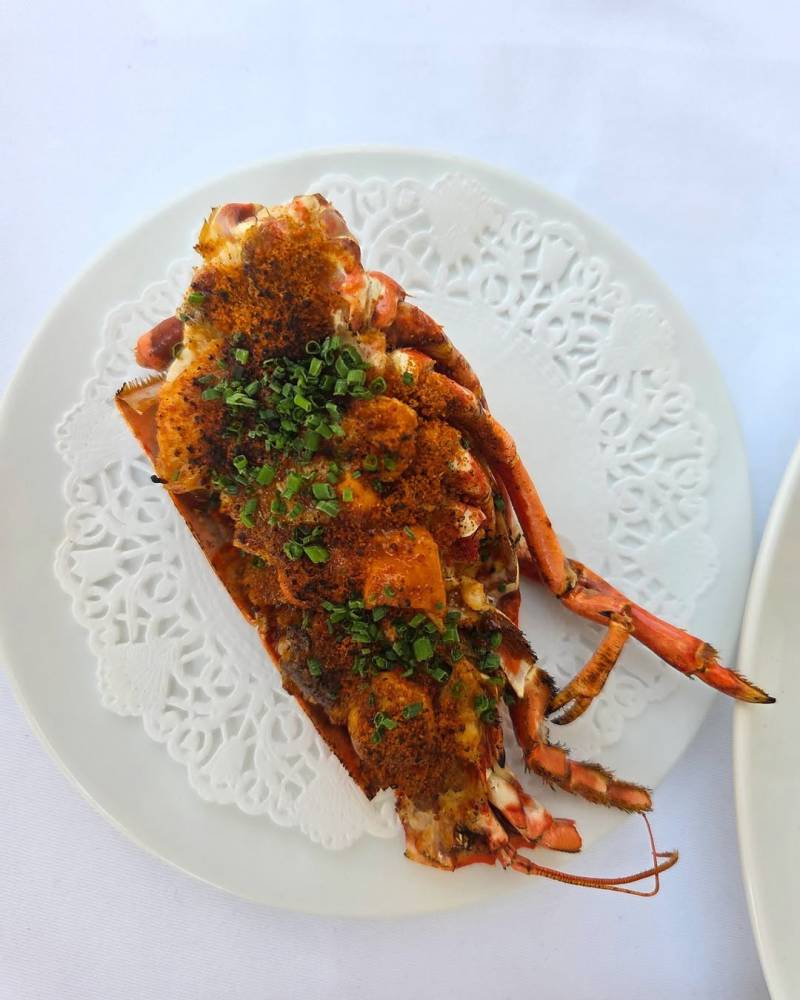
6. Le Servan
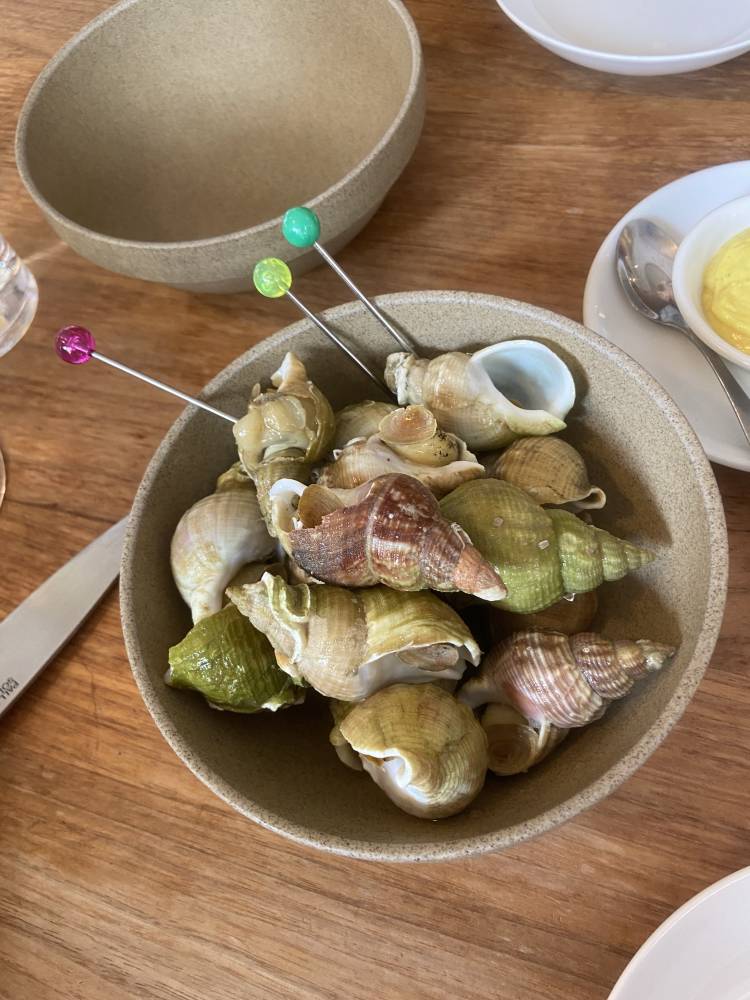
One of my personal favorites, Le Servan blends French and Asian influences in a way that feels natural rather than forced. This is where I first tried bulots—edible sea snails—and realized how good they could be. These bulots are briny and chewy, elevated with clever seasoning that removes their initial intimidating impression.
They are also known for their wontons, which are delicately filled with black pudding and finished with aromatic oils. Touches of ginger, spice, and acidity appear subtly throughout the menu without being overpowering. These are all served in the vintage yet airy space.
Look out for fresh seafood dishes and thick slivers of truffle when available, a richness that doesn’t verge on excessive.
32 Rue Saint-Maur, 75011 Paris
7. Bonne Heure Brasserie
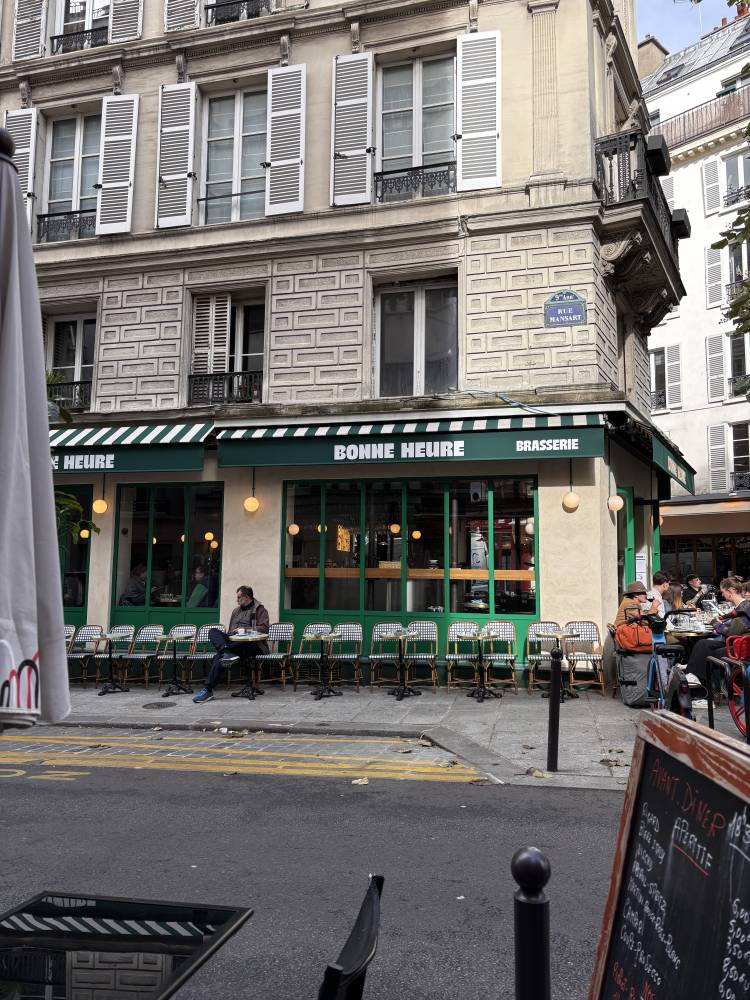
Located in South Pigalle, a younger and trendier part of the city, Bonne Heure Brasserie is an easy walk-in if nearby hotspots are full. It’s also close to Pink Mamma, one of the most popular restaurants in Paris. But I would say this brasserie holds its own.
Come for the plat du jour or settle in for happy hour. Starters include tomatoes and burrata, finished with fragrant basil. While the gravlax trout is silky and lightly cured, uplifted with dill and hibiscus. For those who like their food raw, the hand-cut beef tartare is well-seasoned and textured.
We went classic (while still indulgent) with the Bonne Heure Burger, made with red onion compote, a perfectly cooked 150-gram beef patty, violet mustard mayo, pineapple, tomato, mustard greens, and cheddar.
34 Rue Pierre Fontaine, 75009 Paris
The city of love and food
I love Paris. It’s my favorite city in the world. While some find French food too saucy, too bland, or too rich, I always return to it. I like my food buttery and with a side of wine or black coffee. I enjoy watching Parisian waiters move like the military, with just a few garçons carrying an entire room.
Paris is not just the city of love for all the lovers walking in the streets. Its romance is clearly seen in the ecosystem of restaurants, from the devotion of its restaurateurs to the care of its waiters, and the chefs clearly cooking with reverence.
In Paris, food never appears rushed. But much like love, meals are tended with time, care, and attention, all tangible in every minute spent at the table.