








Fashion’s relationship problem

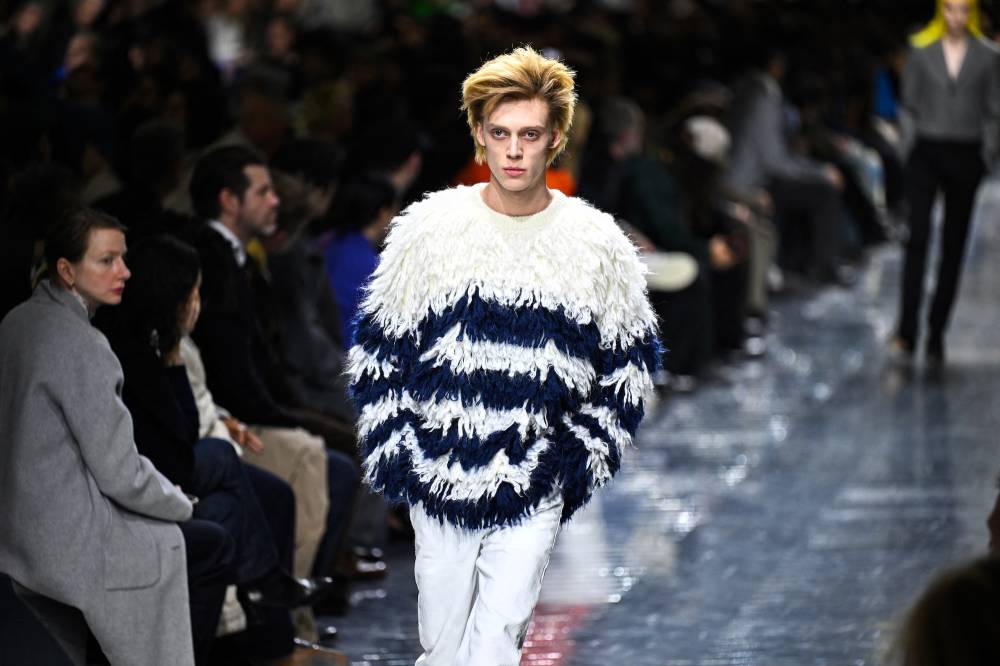
Fashion loves the idea of commitment. Heritage. Legacy. Loyalty. “Forever pieces.” Investment bags. Timeless coats. The industry builds entire mythologies around these concepts. But ask its consumers, and suddenly commitment looks a lot like a shaky open relationship with constant texting.
Every February, the world leans into romance. Roses. Grand gestures. Promises of forever. Fashion, interestingly, has always spoken the language of long-term devotion. Luxury houses romanticize craftsmanship passed down through generations. Campaigns whisper about heirloom handbags and coats that “last a lifetime.” Even fast fashion now borrows the rhetoric of timelessness.
But if we are being honest, fashion might be the worst partner of all. It says forever, but it thrives on what is next.
The thrill of the chase
Trend cycles have never moved faster. What used to shift seasonally now reinvents itself weekly. Aesthetic micro-moments—coquette, clean girl, mob wife, indie sleaze—flare up and burn out before we have fully lived in them. We fall in love quickly. We move on quicker.
Trend hopping has become fashion’s version of serial dating. We commit just long enough for the Instagram post, the dinner reservation, the soft launch. Then, we ghost.
The modern consumer is not necessarily disloyal—just oversimulated. Constant exposure to newness makes permanence feel risky. Why settle down with one silhouette, one brand, one identity, when the algorithm insists there is something better waiting to be discovered?
Brand loyalty, rewritten
There was a time when brand loyalty felt almost sacred. You were a Chanel girl. A Dior loyalist. A Margiela devotee. Your aesthetic allegiance said something about you—and it stayed consistent.
Now? Allegiance feels fluid.
Luxury shoppers mix heritage bags with emerging designers. Streetwear loyalists pivot to quiet luxury. Consumers are less interested in pledging lifelong devotion and more interested in curating dynamic identities. Loyalty has not disappeared—it has just become conditional.
We will stay… as long as you excite us.
As long as you evolve.
As long as you align with who we are today.
In a way, fashion mirrors modern relationships: emotionally invested, but unwilling to tolerate stagnation.
The burnout era
And then there is the exhaustion.
For all its flirtation with novelty, fashion is also confronting consumer fatigue. Endless drops. Collaborations stacked on collaborations. Archive revivals before the original had time to feel nostalgic. The thrill of anticipation has dulled into background noise.
When everything is a must-have, nothing truly feels essential.
Consumers today are caught between two opposing desires: the craving for constant reinvention and the longing for stability. We want pieces that define us, but we are afraid of being defined by them for too long. We want forever coats but also the freedom to reinvent ourselves next season.
That tension creates burnout. Not just financial, but emotional.
The return to meaning
Interestingly, the counter-movement is not louder marketing—it is intimacy.

Vintage shopping. Archival collecting. Repair culture. The quiet pride of repeating an outfit. These feel less like trend participation and more like relationship building. The pieces we actually keep are rarely the loudest ones. They are the ones that quietly integrate into our lives.
Maybe commitment in fashion is not about resisting change. Maybe it is about choosing pieces that can change with us.
A blazer that works at 23 and at 33.
A bag that carries different versions of you.
A wardrobe that evolves without being discarded.
So, what is fashion’s relationship status?
Complicated.
The industry still markets forever. But it monetizes infatuation. Consumers claim loyalty, but practice exploration. We oscillate between devotion and distraction.
This Valentine’s season, perhaps the question is not whether fashion can commit. It is whether we can. Because maybe the most radical thing in a trend-driven world is not buying something new. It is about keeping it.