










Fashion’s year of apologies, part 2


If 2025 proved anything, it is that fashion is no longer allowed the luxury of pretending it does not hear the noise. This was the year brands did not just miss the mark—they were forced to acknowledge it. Publicly. Repeatedly. Sometimes awkwardly. Sometimes too late.
After years of unchecked spectacle, 2025 became fashion’s reckoning year. Shows were cancelled. Campaigns were quietly pulled. Statements were issued. Instagram comments were limited. Creative decisions that once would have passed without question suddenly required explanation.
Not because audiences became more sensitive, but because they became more attentive.
Acknowledgement over distraction
Fashion’s missteps this year were not always dramatic. In fact, many of them were subtle: tone-deaf campaigns released into economically tense moments, ill-timed extravagance, creative concepts that felt detached from reality, diversity promises that rang hollow when the casting dropped. The industry did not collapse under scandal—it stalled under scrutiny.
What made 2025 different was not the existence of controversy. Fashion has always flirted with provocation. What changed was the response. Silence stopped working. Moving on did not land the same way. The audience—sharper, more online, more culturally literate—began demanding acknowledgement rather than distraction.
Apologies became part of the cycle. Not the dramatic, televised kind, but the corporate ones: carefully worded, legally safe, emotionally neutral. “We hear you.” “We are listening.” “We remain committed.” The language was familiar, almost templated.
And yet, the frequency was new. Fashion and luxury had entered an era where accountability was not optional—it was expected.
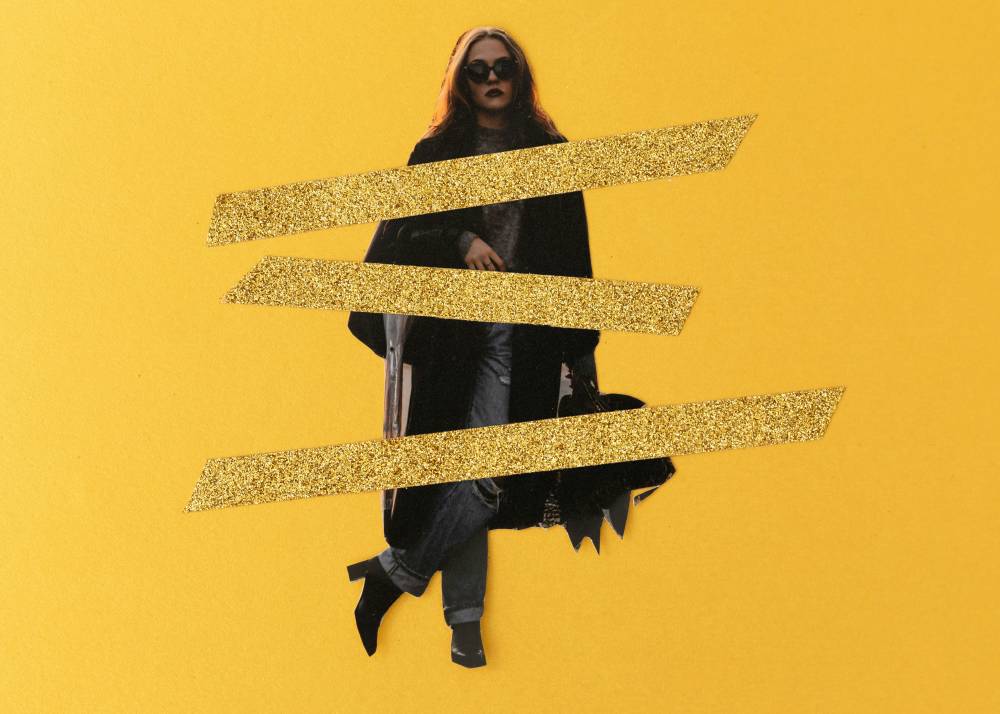
With cultural power comes great responsibility
This shift exposed something deeper: the growing gap between how brands see themselves and how they are perceived. Many still operate with an outdated sense of authority, assuming their creative vision is explanation enough.
But 2025 made it clear that cultural power now comes with responsibility. You do not get to shape taste without being questioned on values.
Canceled shows became symbolic moments. Not failures of logistics, but failures of timing, judgement, or alignment. In a year when audiences were hyper-aware of excess, spectacle without context felt careless. Some brands recalibrated quietly, opting for smaller presentations or delayed launches. Others pushed forward, only to walk things back later.
Campaigns, too, faced a harsher spotlight. Concepts that leaned too hard on irony, shock, or aesthetic detachment struggled to land in a year that demanded sensitivity without sacrificing creativity. The question was not “Is this edgy?” anymore—it was “Is this aware?” Brands learned that clever without context reads as careless.
Not cancel culture
What is interesting is that these apologies did not necessarily damage brands the way they might have a decade ago. In some cases, they humanized them. In others, they revealed how unprepared certain houses were for a more participatory fashion audience. The real damage came not from making mistakes, but from refusing to evolve afterward.

Fashion’s year of apologies was not about cancel culture. It was about consequence culture. The industry is no longer speaking into a void—it is in conversation, whether it likes it or not. Every campaign, every casting choice, every creative direction now exists within a broader cultural ecosystem that responds in real time.
This does not mean fashion has to become cautious or sanitized. If anything, it means it has to become smarter. Provocation without purpose is lazy. Silence without reflection is obvious. The brands that navigated 2025 best were not the ones that avoided mistakes entirely—they were the ones that responded with clarity, accountability, and a willingness to adjust.
In contrast to Part 1’s quiet winner, Fashion’s year of apologies reveals the other side of influence: the cost of misalignment. Where consistency built trust, inconsistency demanded explanation. Where restraint earned loyalty, excess required defense.
If Part 1 was about the power of stability, Part 2 is about the price of getting it wrong.
And as fashion moves into 2026, one thing is clear: apologies are no longer endings. They are beginnings. What comes after them—real change or recycled language—is what will define which brands actually move forward.