







For Armi Millare, music is its own reward

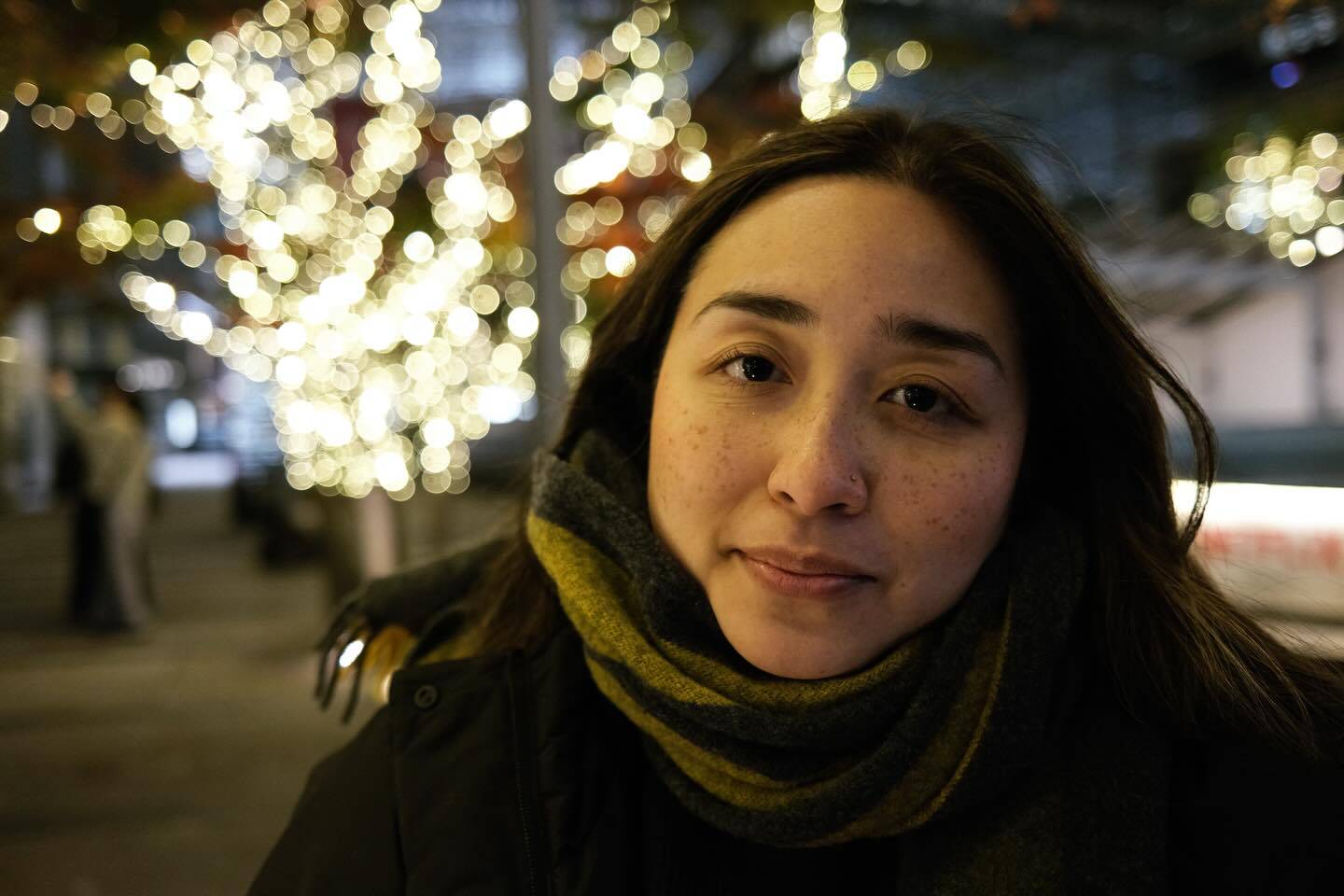
Armi Millare once read somewhere that “the artists who make it are the ones who stayed.” And after more than 20 years in the business, Millare could well be someone who did. But it wasn’t easy—for the idea of staying can entail many different things. It’s persistence when talent alone doesn’t cut it, resilience in the face of rejection, and the patience to keep the music playing even if it seems like no one is listening.
“You could be ignored. Your single could flop. And the moment you walk out is when you lose. So when you stay is basically a win,” she says. “You kind of wait it out. Whether or not you get exactly what you want, you will never know if you will. Because if you leave, then that’s it.”
This is a piece of advice she hopes to impart to young, up-and-coming artists, Millare tells Lifestyle Inquirer when we caught up with her backstage at the recent Jameson Distilled Sounds 2025 grand finals, where she sat as a judge. Because truth be told, the music industry is “such a challenging animal to deal with.” Stay long enough, and you realize that the music part is actually the easiest—the industry part is another story.
“You have to make sure that you really want to do this,” stresses the singer-songwriter, whose works—“Oo,” “Indak,” and “Tadhana,” just to name a few—have become cultural touchstones in local music.
Because if you’re here expecting a gold medal or maybe just a pat on the back, you will probably be disappointed. “I have realized that there are no rewards—the music is the reward,” Millare points out. “And if you live by those standards, I think you will have a good time.”
How would you describe this year?
It was a great time to start again, a new foundational experience for me. I’m excited for next year because of this year.
You recently posted a video of you performing a reworked version of “Sana.”
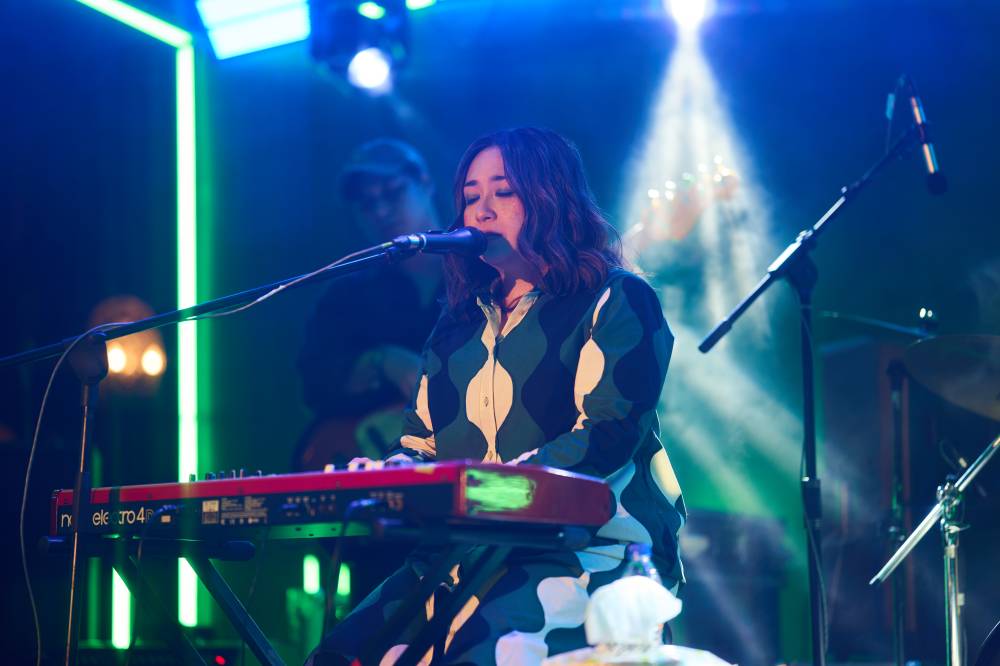
“Sana” is one of my favorites. I felt like it was a good time for the song to really shine, because when it first came out (in 2009), the window was so short. By the time we had to promote it, suddenly the gigs were gone. We didn’t know what was happening.
But now I feel like things are more stable in general, and there’s more time to digest and listen to songs.
Why do you consider it your favorite?
It was one of those songs that I didn’t feel like I wrote. The words just came out. When I finished it, I was like, “Are you sure this is me?” It really tapped into the deep recesses of my mind, if you will.
Are there other songs in your catalog you’re planning to revisit?
If I had all the time in the world to do that… There are so many songs in the four albums (from her former band, Up Dharma Down). I don’t even know what to do first.
Is it because there’s a perfectionist in you that makes you want to change things when you listen to your old stuff?
Absolutely. I have trouble listening to the first album of the old band. When I remember how certain songs used to be played, there will be times that I’m like, “Okay, this is up next on my list.” But there are songs that are okay on their own. Maybe a re-recording or a remastering is also good.
But it’s nice to experiment. Who knows, maybe I will do a full string section if that’s fun, right?
Which song best describes you now?
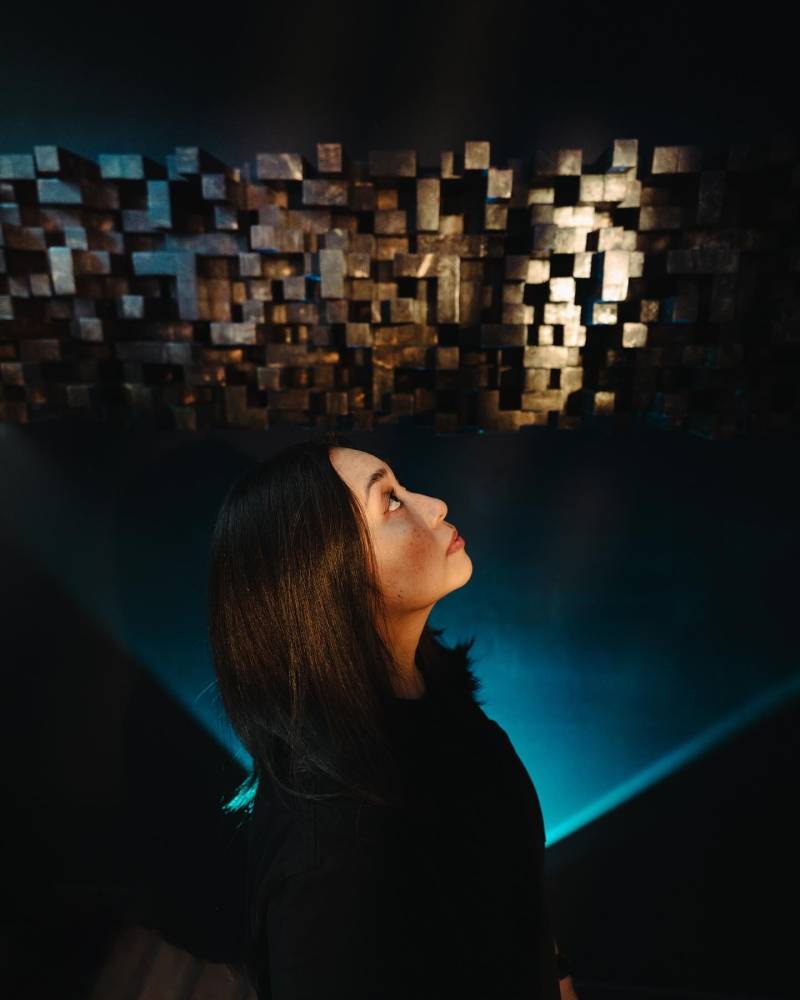
From the older set, “Oo” is speaking to me now because we have a new arrangement. I’m the kind of person who’s always open to trying new things. And the day we finished and nailed that one, I was so surprised that we could still do something different because I have been singing that song for like, what, 17 years? Not to carbon date myself!
From the current ones, it has to be “Say It Again.”
Your more recent songs like “Lykkelig” and “Say It Again” trade the lush synth-pop layers of your past for more minimalist instrumentation. But what aspect of your songwriting hasn’t changed?
I guess I still have fun with it. I’m still very interested in the process of changing things or making them better and making the whole process fun. And it’s not just songwriting and production, but also live music and seeing how people respond to it. It’s like a four-quadrant thing.
What do you think makes your music connect so strongly with people?
Empathy. Because you get to kind of move yourself around the feeling. If you know how to empathize, then you should be able to flesh it out into words. As you have that one, then I think somewhere along the way, you will find the words.

What were some of the challenges you faced starting out as a performer?
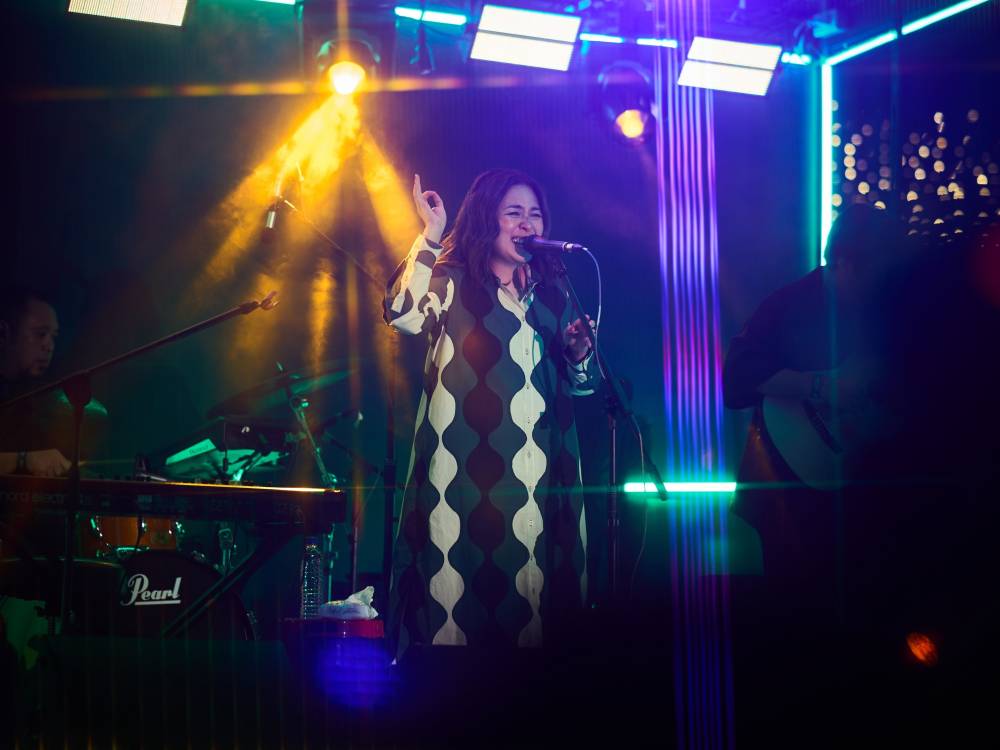
It was difficult starting out as a singer in a band, performing in small shows and bars. You can’t ask for too much; we were kids. Not all venues were created for the kind of music we wanted to play. I sing the whole set, and the songs aren’t soft. But years of doing that also strengthened my anatomy.
What other past experiences strengthened you as an artist?
You’re thrown into different situations. You always meet new people. It’s always a new environment. Though it circles around pretty much the same groups, there are people you have never met personally or have never worked with before.
You have control over your music, but how you work together requires both parties—it takes two. You always have to keep an open mind and not take anything too personally. Sometimes, people have different processes.
As a judge, what qualities do you look for in an artist?
It’s a hunger for learning and having an open mind that you don’t know everything. You will only learn if you meet people, if you work with people. And don’t be afraid to be wrong.
Humility, authenticity, and integrity are important. If there’s something that really speaks to you that you know you shouldn’t do because it violates a part of you, you can look into maybe compromising things that you may.
But we didn’t get here by compromising a big part of ourselves, I think. You have to hold onto that part of yourself to keep it sacred. Because at the end of it all, you lose everything you have in the blink of an eye. But if you have yourself together…your self-concept, then you can keep going.
What would you like to tell young artists feeling their way into the industry?
Make friends because that’s how you compare notes. And if you really want something, you have to go get it. You have to commit.
Keep your head down and do the work. Don’t trash-talk. And don’t forget to have fun!