










Fragrance layering 101

Ever wonder how some people seem to have a scent that’s uniquely theirs? Chances are, they’re mastering the art of fragrance layering. Gone are the days of wearing just one perfume—layering lets you create a personalized, long-lasting scent that evolves throughout the day.
What is fragrance layering?
Fragrance layering is the practice of combining two or more scented products to create a personalized scent experience. The goal isn’t to overwhelm the senses, but to allow complementary notes to work together—resulting in a fragrance that feels balanced and refined.
More than a trend seen on TikTok or Instagram, fragrance layering is also a practical approach to scent longevity. Some fragrances fade quickly on the skin, while others linger for hours. By layering complementary notes, you can extend wear, add depth, and create a signature scent that evolves throughout the day—something a single perfume often can’t achieve.
The base of it all
Fragrance layering works best when you build your scent from the skin up. Instead of spraying perfume right away, start by preparing a base that allows the fragrance to cling, evolve, and last longer throughout the day.
1. Start with body lotion
Apply an unscented or lightly scented body lotion immediately after showering. Well-moisturized skin holds fragrance better than dry skin, preventing scents from evaporating too quickly. If you prefer scented lotion, choose one that matches or complements the fragrance family you plan to use.
2. Follow with body oil or body oil mist
Once the lotion has been absorbed, layer a body oil or oil mist over pulse points, such as the neck, wrists, inner elbows, and behind the knees. Oils help “seal” moisture and scent, creating a richer base. Light oils work best, so they don’t overpower the perfume you’ll apply later.
3. Apply dusting powder
Next comes an often-overlooked step: dusting powder. Lightly apply powder to areas where heat and friction naturally intensify scent, such as the underarms, neck, elbows, and the backs of the knees. Let it sit for about five minutes before adding fragrance. This resting time allows the layers to settle and prevents muddying.
You can easily create a DIY version at home. Start with a base of cornstarch or unscented baby powder. Add a few drops of essential oil (lavender, vanilla, or sandalwood work well), mixing thoroughly to avoid clumps. Store in a clean container and apply sparingly with a soft brush or puff.
Styling your scent
Once your base is set, you can begin layering perfumes using the fragrance wheel, a guide that groups scents into four main families: Amber, Floral, Fresh, and Woody.
As a general rule, layer from lighter to heavier fragrances to prevent top notes from being overwhelmed. Allow one scent to take the lead while the others play supporting roles, creating balance rather than competition. And while structure helps, experimentation is essential; unexpected pairings often lead to the most distinctive signature scents.

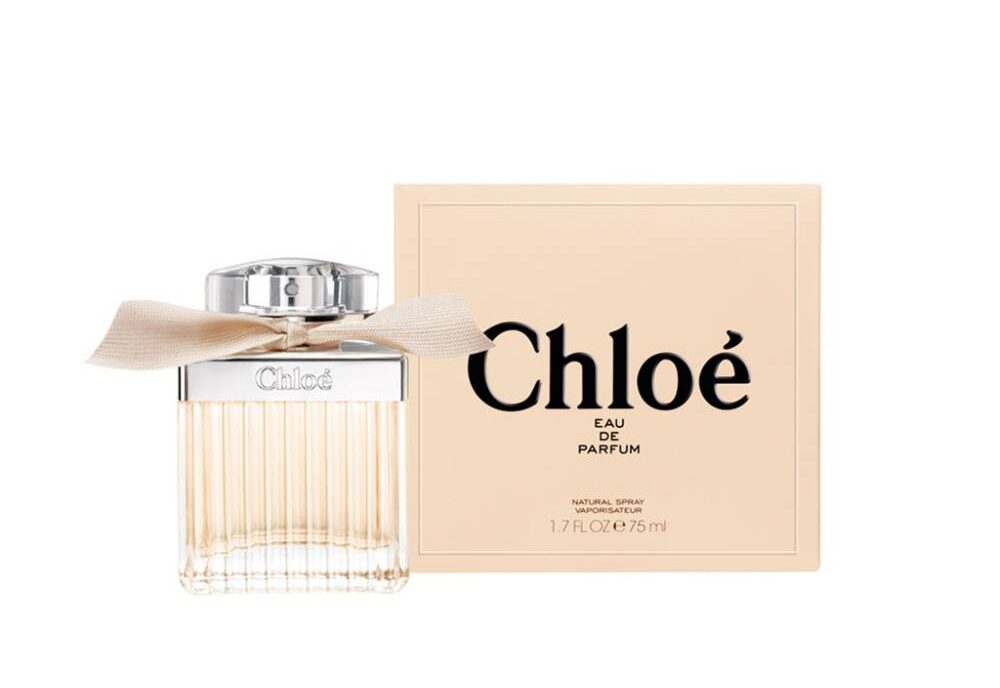
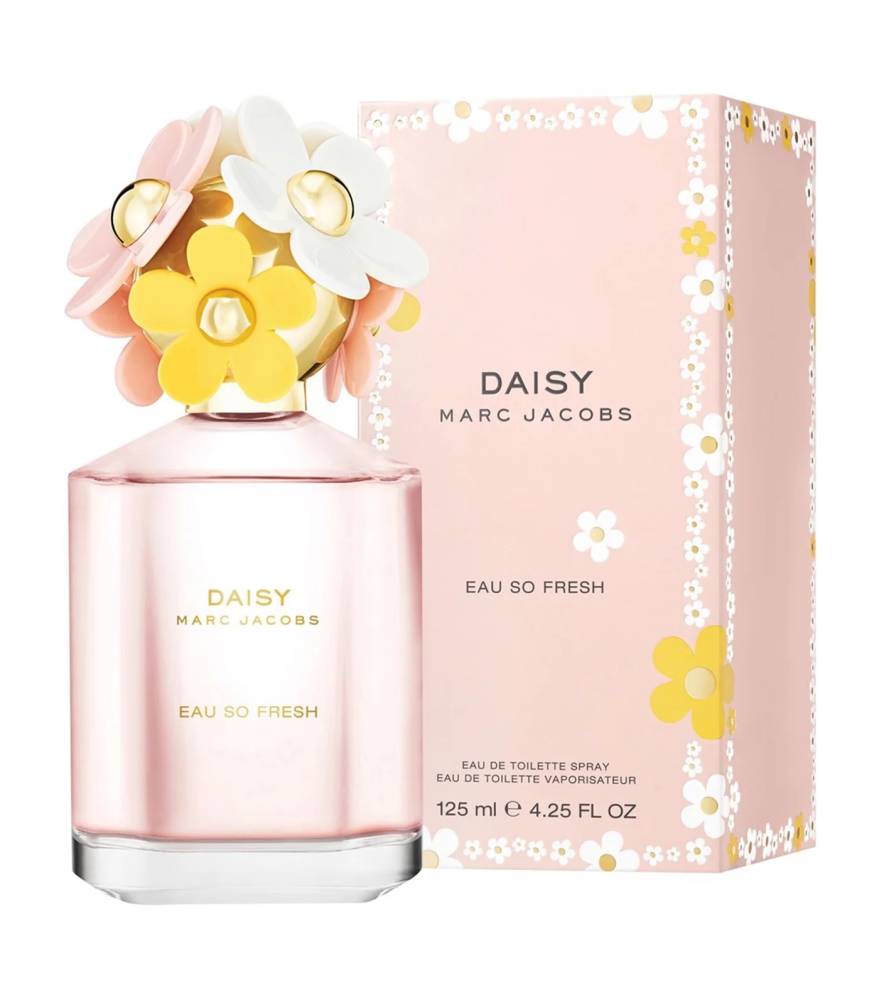
• Similar + similar: Layer fragrances from the same family for a seamless blend. For example, pairing a soft floral like Chloé Eau de Parfum with a fruity floral such as Marc Jacobs Daisy creates a smooth, cohesive scent that feels natural and polished. The shared floral notes tie the fragrances together, resulting in a harmonious aroma that’s sophisticated yet effortless.
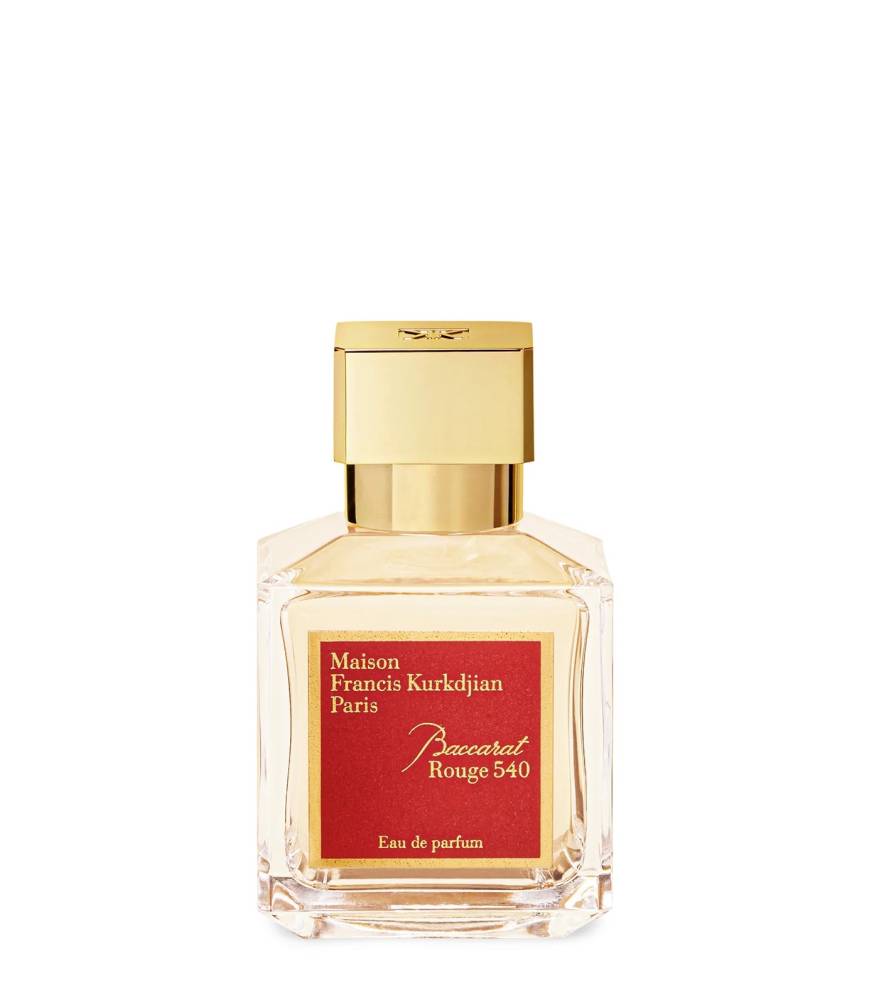
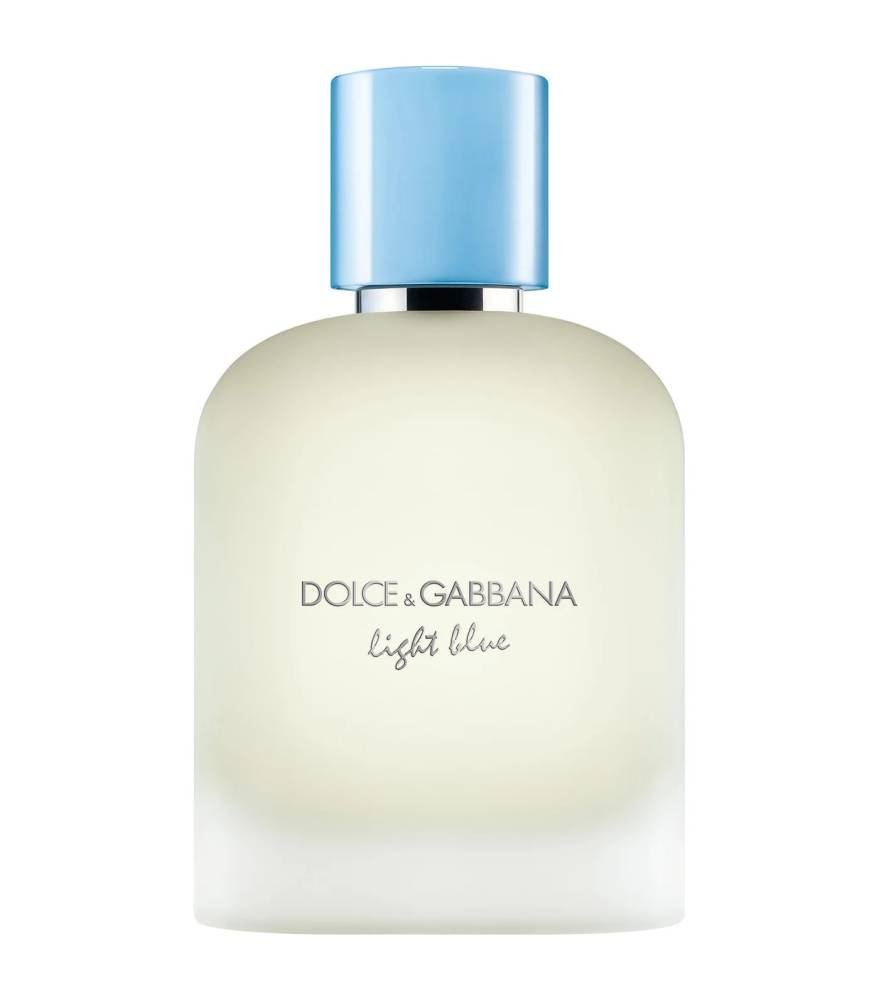
• Simple + complex: Start with a straightforward scent, like a fresh citrus or clean musk, then layer a more complex fragrance over it. For instance, spritz the crisp citrus of Dolce & Gabbana Light Blue and top it with the sweet gourmand Maison Francis Kurkdjian Baccarat Rouge 540.
One of the biggest advantages of fragrance layering is control. If a perfume already features a note you love—vanilla, rose, or musk—it can be enhanced by layering a perfume with the same note underneath. On the other hand, overpowering elements can be toned down by adding softer, creamier layers that balance sharp or heavy accords.
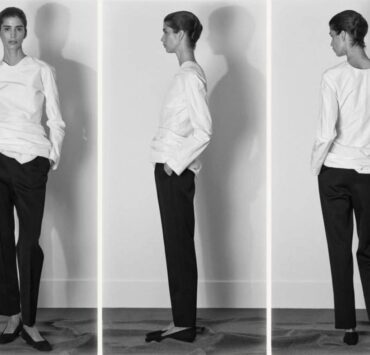
Just as styling an outfit relies on layering textures and silhouettes, scent layering builds richness through contrast and balance.
Why layering works
Fragrance layering works because scent interacts with the skin in complex, highly personal ways. Factors such as body chemistry, skin hydration, and temperature all influence how a perfume develops and how long it lasts. Layering also adds depth and dimension. A single fragrance is formulated to stand on its own, but combining complementary notes introduces complexity that feels more nuanced.
Perhaps most importantly, layering allows for customization. No two people wear fragrance the same way, and layering gives wearers control over how a scent behaves on their skin.