






From Jeolla to Seoul: South Korea’s many delicious sides

There are places that call you back, time and again. Korea entices with cosmetics, K-pop, culture, and, of course, food.
But there is another side of Korea that reveals itself with each visit. This time, it was the province of Jeolla—particularly Jeonju and Damyang.
Together with my K-drama cookbook co-author and dear friend Hansik Master Baik Jongran, we brought a group of food explorers to some of my favorite places to eat across the region, ending our journey in Seoul.
A day of tradition and a little K-drama
Jeonju, often called Korea’s food capital, was our first stop. During the Joseon dynasty, royal officials and wealthy households helped shape the city’s refined culinary culture, supported by the fertile plains of Jeolla Province.
Our first meal: bibimbap and galbi jjim at my favorite restaurant, Honamgak. Jeonju is widely known as the birthplace of bibimbap—the harmonious bowl of rice, vegetables, gochujang, and beef. Galbi jjim, soy-braised beef short ribs, is another celebratory classic.
We spent the afternoon wandering through Jeonju Hanok Village, where scenes from the K-drama “Love in the Moonlight” were filmed—a place where centuries-old architecture meets contemporary culture.
By evening, we were off to Kyochon to experience another beloved ritual: chimaek—Korean fried chicken and beer. There is a branch I particularly favor and it’s in Jeonju at Hagadeokjin. Yes, not all fried chicken is created alike.
As the sun rose on the second day of our culinary journey, we headed to Damyang.
Known as Korea’s land of bamboo, Damyang is home to Gahye Kim, a tea master whose award-winning bamboo teas come from the groves surrounding her home. Breakfast followed—simple, comforting dishes prepared by the master herself. The meal reflected the forest: banchan made from edible bamboo and tender tea leaves.
Then came music.
Pansori master Geunsub Kook filled the air with song and movement—a centuries-old storytelling tradition carried by voice, rhythm, and emotion. Soon the performance turned playful, and we found ourselves dancing along.
Later, beneath the bamboo forest, we sang “Arirang,” Korea’s beloved folk song.
With fond memories we bid the masters farewell and set off to witness how jang, Korea’s living fermentation tradition, is made.
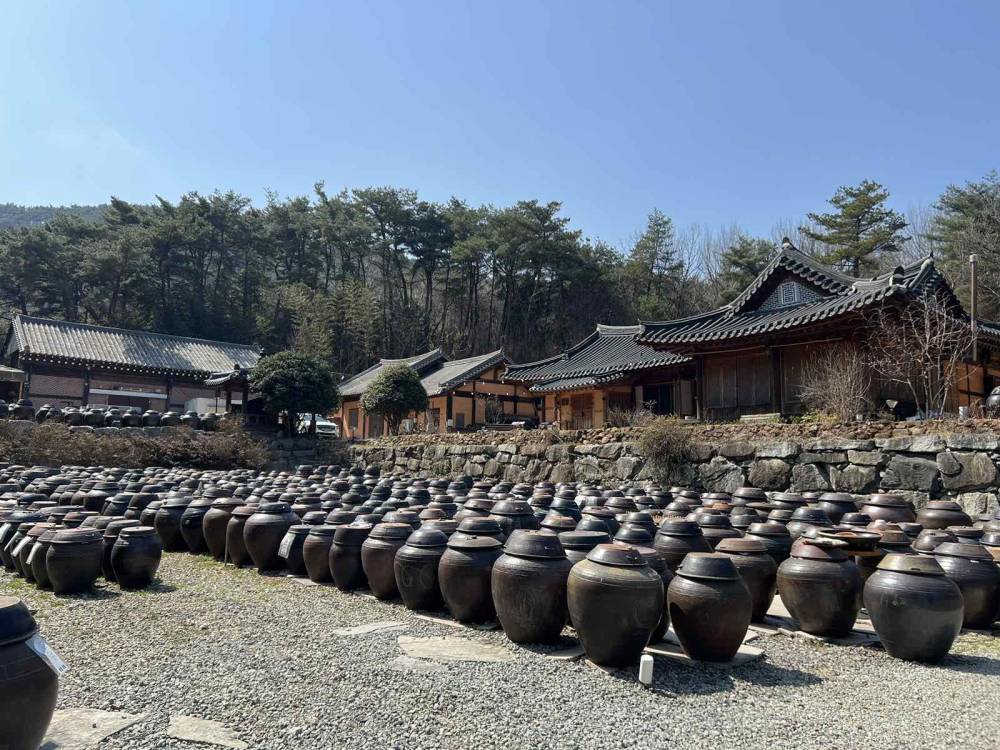
The story of Korean fermentation begins with meju—blocks of fermented soybeans that mature before becoming ganjang (soy sauce), doenjang (soybean paste), and gochujang (chili paste).
At her jang farm in Damyang, Master Ki Soon Do continues this centuries-old craft. In large earthenware jars called onggi, soybeans ferment slowly under sun, wind, and changing seasons, developing the deep flavors that define Korean cooking.
Strawberries were in season and impossible to resist. Damyang strawberries are renowned, and we happily picked and ate our fill.
We could not leave Damyang without tasting ddeokgalbi, a beloved regional specialty where finely chopped beef is seasoned, shaped onto the rib bone, and grilled over fire. And where better to enjoy it than at Deokin Ddeokgalbi, run by the children of the woman credited with creating the dish.
With happy memories and stuffed bellies, we returned to Jeonju.
The next morning we strolled through Hanok Village to experience Joseon royal cuisine—where balance, refinement, and seasonality shaped the dishes once served in the royal court. The restaurant, Yangbanga (means house of a noble family) stands near the residence of descendants of the Joseon royal family—an apt setting for a meal rooted in courtly tradition.
Across Jeolla, food, landscape, and heritage remain deeply intertwined. From there we traveled back to Seoul, where our gustatory journey continued.
My favorite dining places in Seoul
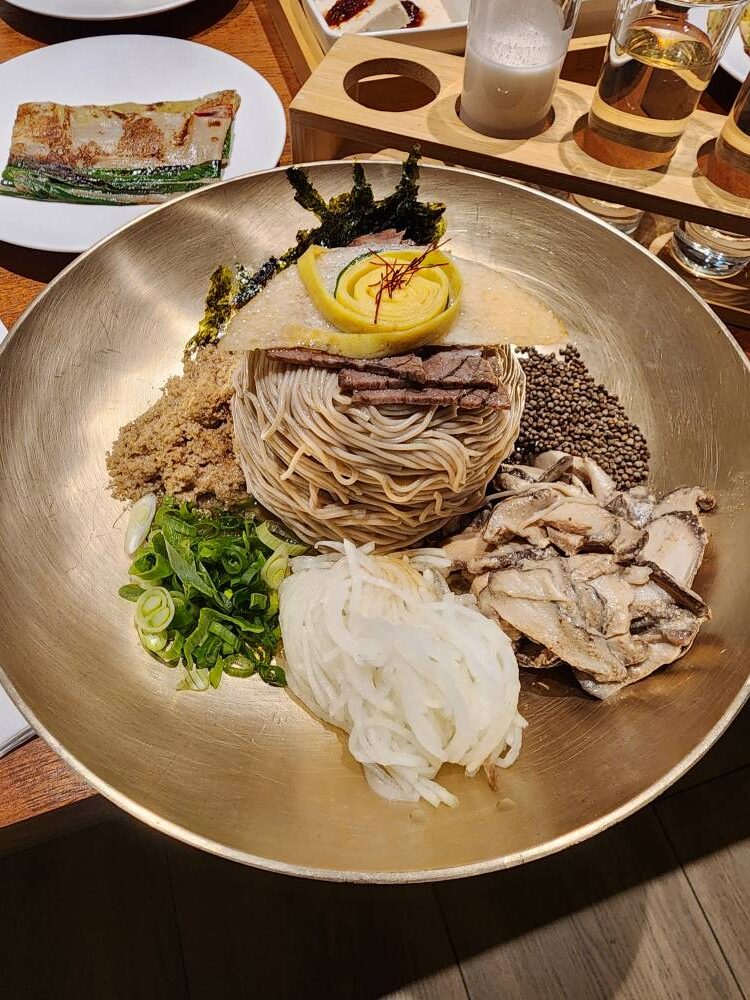
A visit to Seogwan Myeonok is a must. The way chef Heo Gyeong-man prepares his handmade buckwheat goldongmyeon is edible poetry.
The delicate noodles are accompanied by mushrooms, perilla seeds, seaweed, pear, seasoned radish, sesame powder, and thin slices of beef. Perilla seed oil and goldongmyeon sauce are added at the table, then everything is gently tossed together.
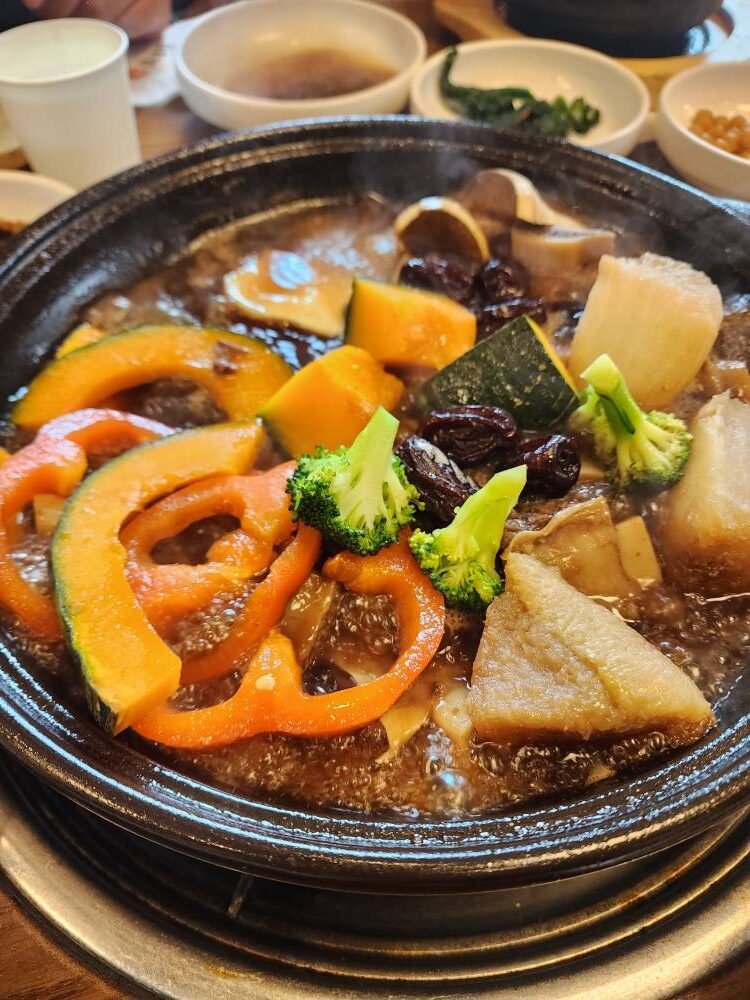
The chef’s eobok-jaengban hotpot—made with nose-to-tail cuts of beef and seasonal vegetables—captures the essence of Korean cuisine: clean, fresh, deceptively simple yet deeply comforting.
We also sampled some of Korea’s finest award-winning makgeolli, the country’s beloved traditional rice wine.
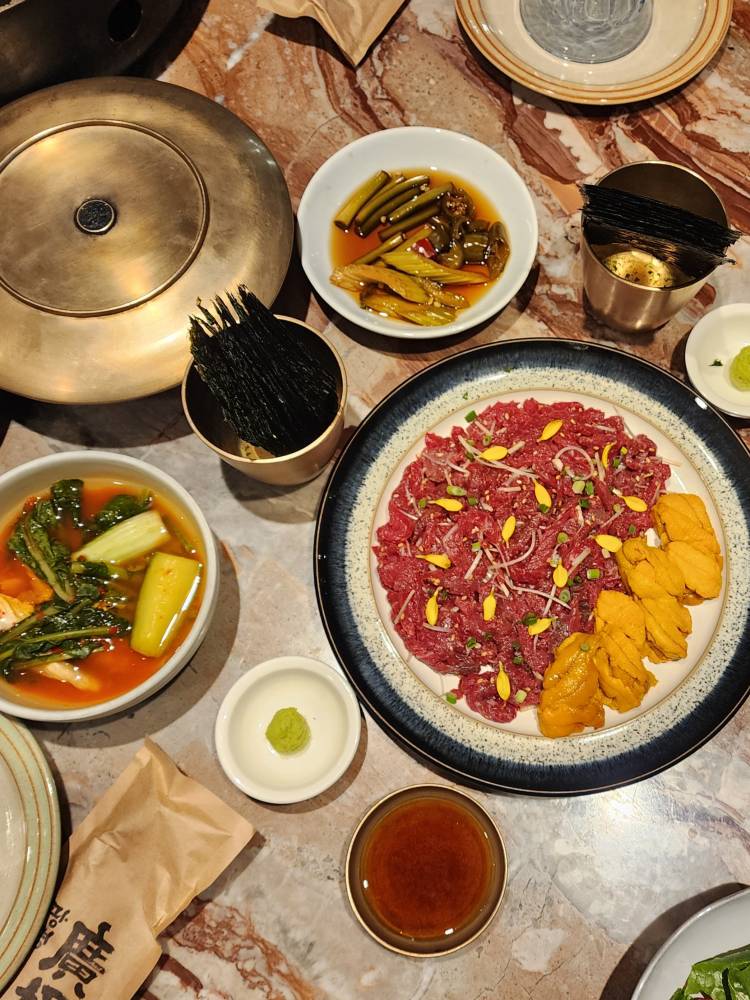
Gwangpyeong, run by our dear friend chef Kim Inbok, is my preferred destination for Jeju pork and Hanwoo. Their meljeot and abalone kimchi are unforgettable.
One dish I particularly cherish is yukhwehanwooni—raw Hanwoo beef topped with uni, wrapped in nori, and dipped in a special sauce. An umami explosion in a single bite.
Bicena, a Michelin-starred restaurant on the 81st floor of Lotte Tower, offers breathtaking views of Seoul. Here, traditional Korean cuisine is thoughtfully reimagined.
No visit is complete without the fresh seafood at Noryangjin Fish Market. There we were met by the biggest king crab distributor who helped us choose the finest catch. We dined at his restaurant Seouleidal—king crab, king crab rice, and seafood soup brimming with fish eggs. The steamed abalone and shellfish were just as memorable.
Our final evening ended with a cruise along the Han River. With our own DJ and a generous spread of Korean snacks and soju variations prepared by chef Ashley Hwang, we danced the night away as fountains and lights illuminated Seoul after dark.
For a moment, we were all dancing queens—truly a night to remember. I am penning this just as we are about to begin the final activity of Kitchens of the World, my personally curated culinary journeys with Rajah Travel—a cooking lesson to prepare the healing dish dak hanmari.
What a trip it has been; one of learning, discovery, laughter, and memories. Nourished by delicious dishes, generous company, moments of rest, and the joy of sharing the table with friends. More than a journey, it became a gentle reminder that food nourishes both body and spirit.
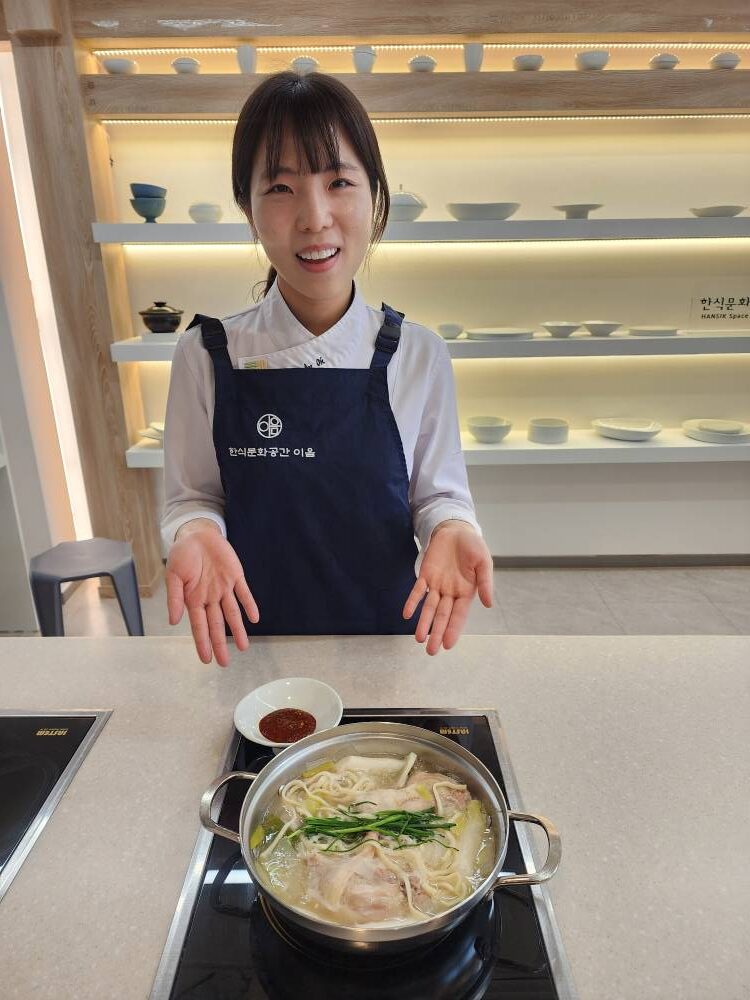
Dak hanmari (Korean chicken soup with noodles and rice cakes)
Recipe courtesy of the Korean Food Promotion Institute
Ingredients
*2 chicken drumsticks
*700ml chicken broth
*¼ onion
*⅓ stalk green onion (green part)
*3 garlic cloves
*A few whole black peppercorns
*1 small potato (about 100g)
*50g Korean rice cakes (tteok)
*½ portion of Kalguksu noodles
*15g Korean chives (buchu)

*Salt
*Guk-ganjang (soup soy sauce)
*Korean anchovy sauce
Dipping sauce
*1 Tbsp chicken broth
*2 tsp gochugaru (Korean chili flakes)
*2 tsp gukganjang (soup soy sauce)
*1 tsp minced garlic
*1 tsp vinegar
*½ tsp Korean mustard
*½ tsp ground black pepper
*5g chopped Korean chives
Procedure
1. Blanch the chicken in boiling water for three minutes.
2. Place the blanched chicken into a pot and add 700ml of chicken broth (or water). Add the onion, green onion, garlic cloves, and a few whole black peppercorns. Bring the pot to a boil and let it simmer for about 10 to 12 minutes.
3. Add the potato pieces and let it cook for five minutes until they start to soften.
4. While the soup is simmering, mix all sauce ingredients in a bowl. Adjust spice or tanginess to taste.
5. When chicken and potatoes are cooked, add the rice cakes and kalguksu noodles. Simmer until soft.
6. Season the broth with salt and a little soup soy sauce. Top with chopped chives and serve with the dipping sauce.
******
Get real-time news updates: inqnews.net/inqviber