











From racetrack to runway


For years, Ferrari has lived in garages and on racetracks—a rose-toned blur of engine noise and glory. Now it’s aiming for a place in wardrobes, too, asking: can the prancing horse move from asphalt to atelier?
Ferrari’s fashion pivot
At the heart of this audacious pivot is Rocco Iannone, the brand’s Creative Director of Brand Diversification, tasked with turning the roar of engines into runway energy. Formerly at Dolce & Gabbana, Giorgio Armani, and Pal Zileri, Iannone brings sartorial savoir-faire to a label more often associated with horsepower than haute couture.
His vision goes far beyond logo dressing. Ferrari’s fashion line is built on the careful extraction of automotive DNA—precision tailoring that mirrors engineering accuracy, fluid silhouettes that suggest motion, and a palette where signature reds and industrial neutrals act as emotional anchors.
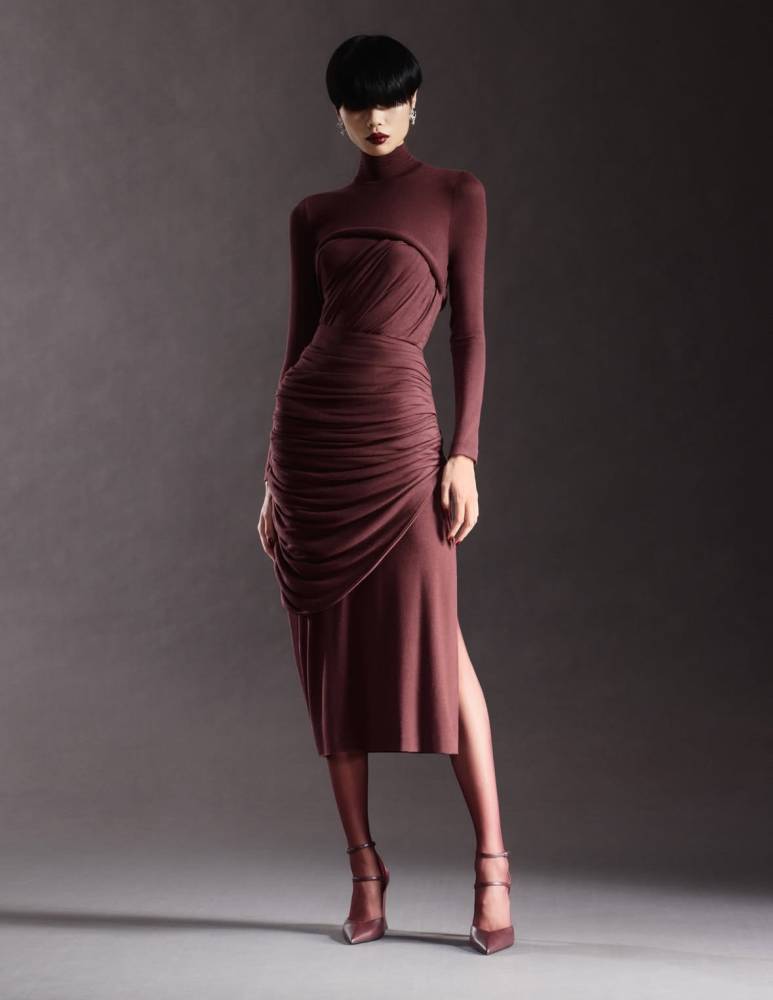
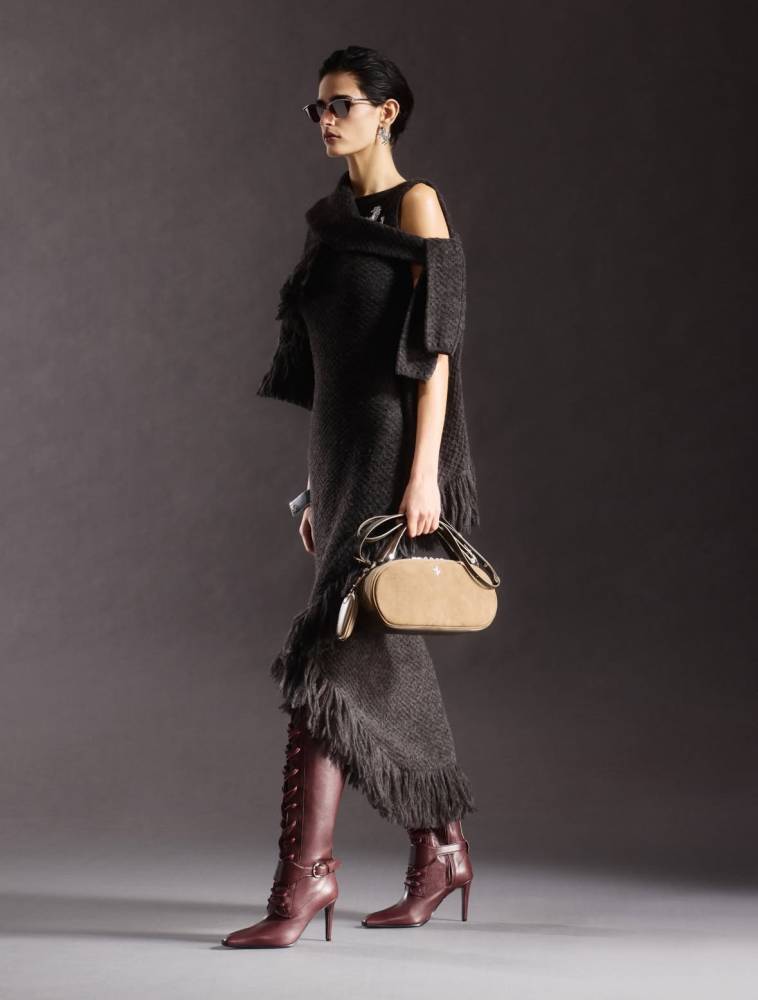
The moment that lit up social media was the Ferrari SS26 Intro Edition, showcased as a Spring/Summer 2026 capsule under the conceptual heading Ferrari Officina. The word “officina” refers to the workshop, a space where ideas are forged into reality, and this theme runs deep through the collection. Created as a tonal prelude to the more expansive FW26 season, the SS26 Intro Edition is about material intelligence, tactile quality, and architectural thinking.
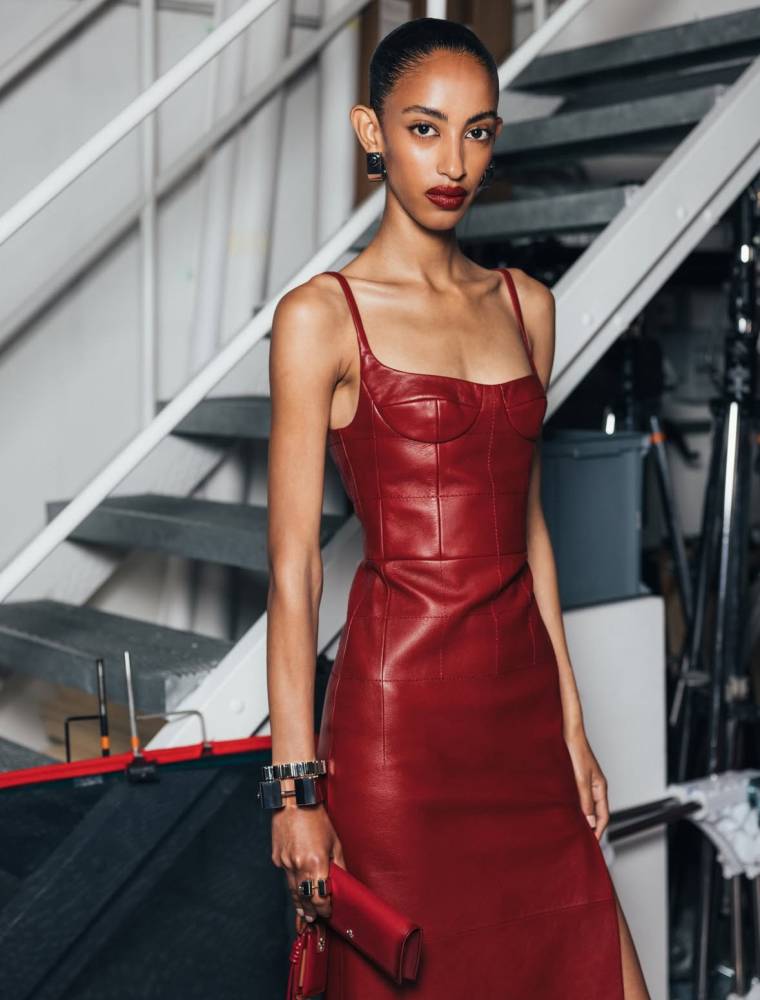
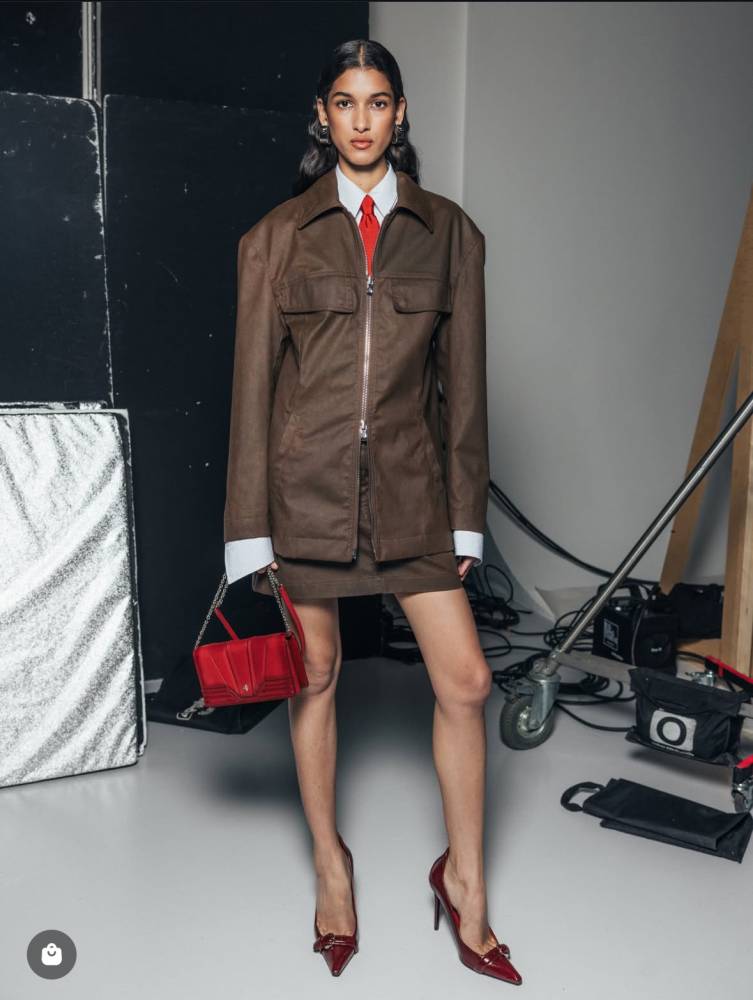
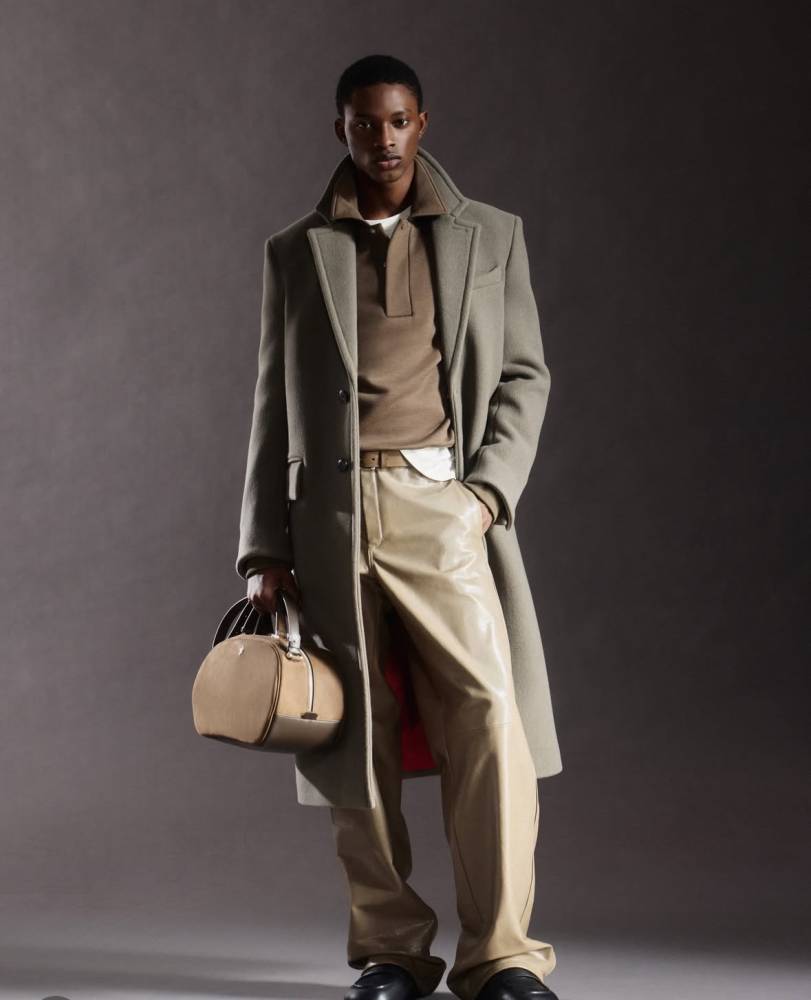
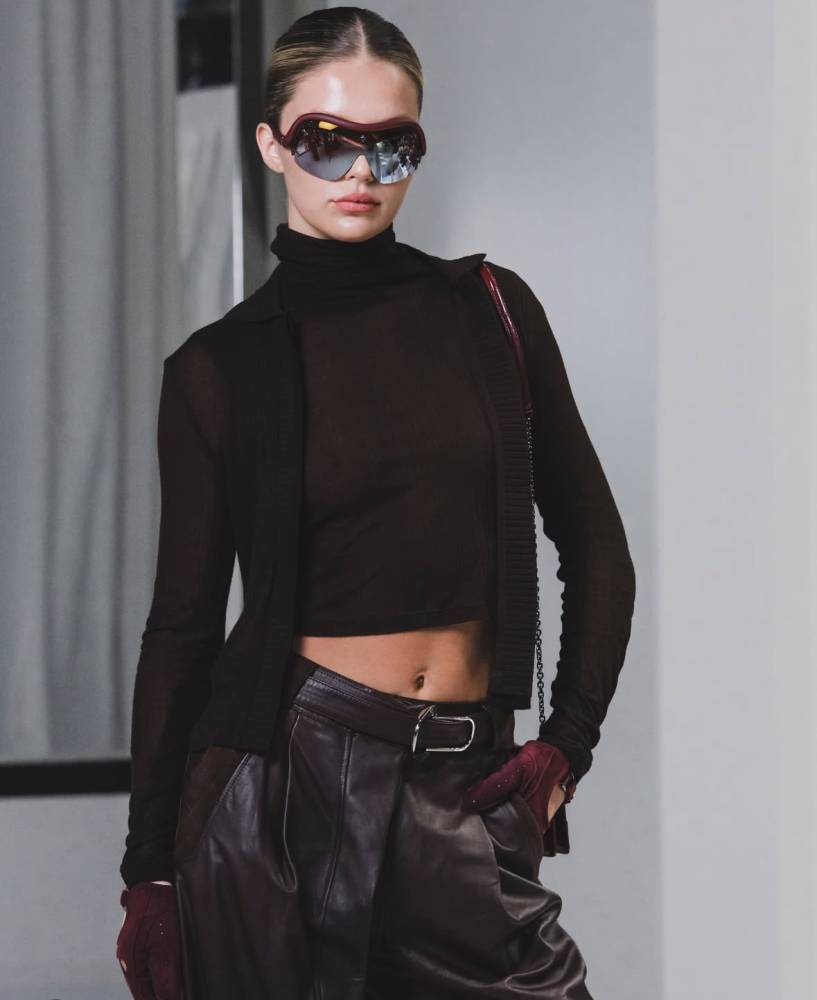
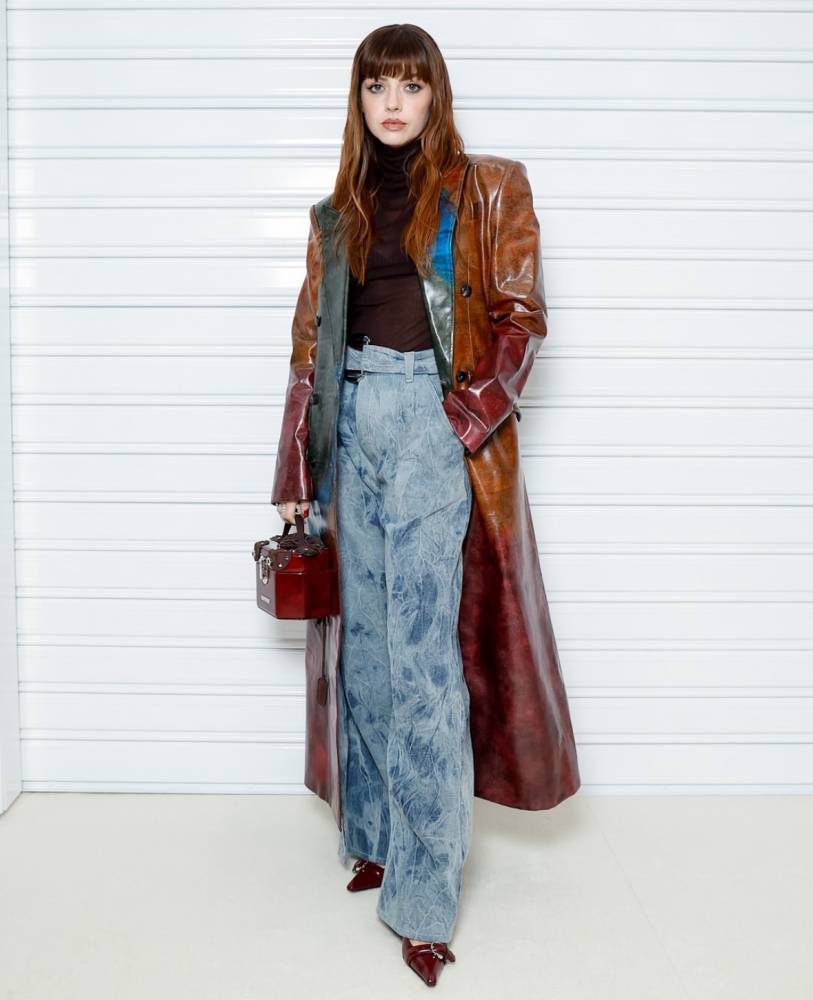
Ferrari Intro FW26 explores tailored engineering through enveloping volumes, grounded in a misted palette of deep rusty reds, burnt browns, greys, and inky blacks.
Sculpted suits, polished twin sets, and sinuous dresses articulate the season’s tension between structure and fluidity. Blurred Prince of Wales patterns, distorted gingham checks, and tactile corduroy add depth to the collection, energizing silhouettes through texture. Formal tailoring gives way to moments of irreverence, while aristocratic classicism quietly underpins every look.
Materials move seamlessly across codes: lightweight linens and silks sit alongside leather, denim, and shearling, reinforcing the collection’s dialogue between restraint and rebellion. The collection is sparked by an imagined conversation between Ferrari and the city of London—a meeting point where tradition collides with provocation. It’s a narrative built on cultural contrast, where elegance is never static, and rebellion is never careless.
Beyond logos
What makes Ferrari’s fashion direction compelling is that, unlike other luxury brands branching into apparel, it resists trend-chasing. Instead, Iannone has built a consistent visual system: hardware that feels functional rather than purely decorative, and silhouettes that prioritize movement, posture, and proportion—similar to what other houses are doing today. Take Chanel, for example: under its new creative director, Matthieu Blazy, the brand maintains its identity while shifting its collections toward a more contemporary, wear-forward direction.
Ferrari’s runway presence has also shifted perception. Once viewed as luxury merchandise, Ferrari fashion is now appearing in street-style circles, editorials, red carpets, and fashion week conversations—worn not just by car enthusiasts, but by stylists, celebrities, and tastemakers. The brand’s ability to move from Maranello to Milan without losing identity is no small feat.
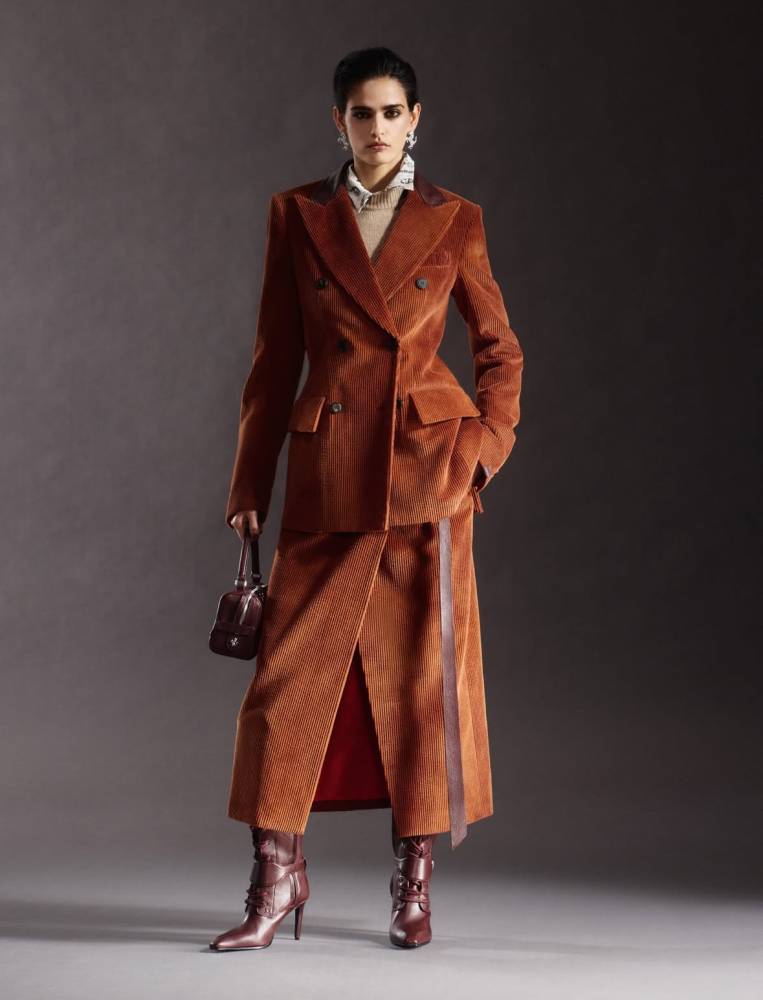

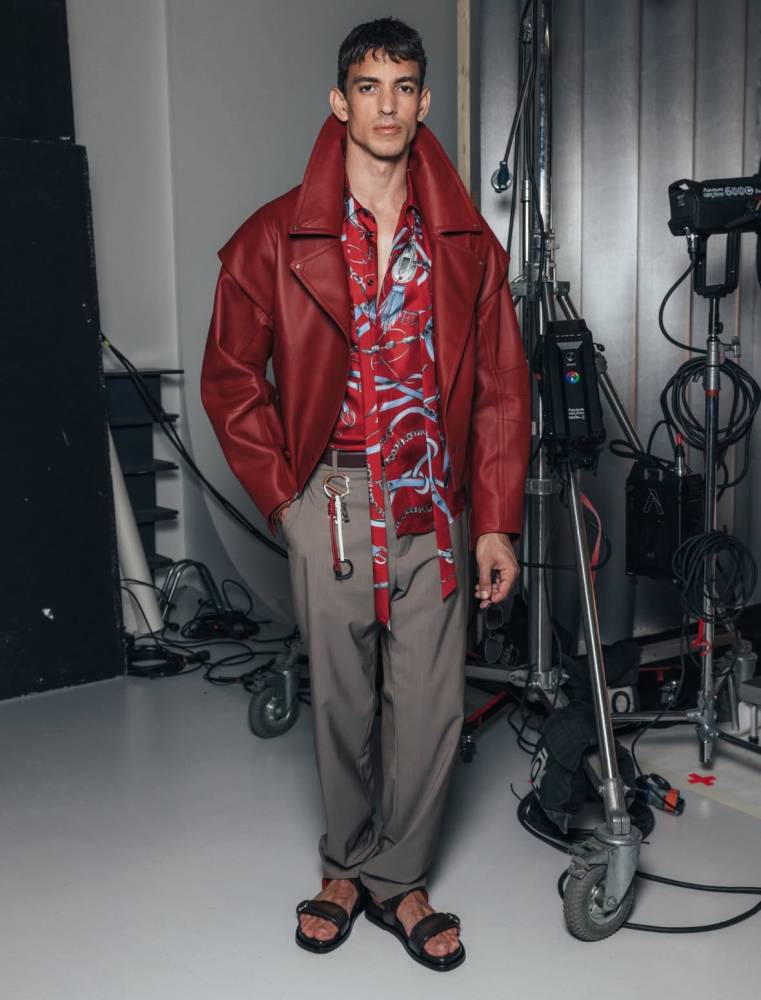
The line is mostly unisex and aims to represent both men’s and women’s wardrobes, a strategic choice to broaden appeal beyond the stereotypical Ferrari base. Ferrari isn’t just selling cars to a male demographic—it wants the lifestyle of Ferrari to feel relevant to anyone who engages with the brand.
Ferrari sees fashion as a pillar of future growth; executives have publicly stated that brand extensions, including fashion, are expected to contribute significantly to profits over the next decade.
Cracking the fashion code—but not fully
So has Ferrari cracked the fashion code? The answer is: not entirely, but it’s getting closer.
Cracking the fashion code isn’t just about making striking clothes or generating buzz. It’s about building lasting fashion credibility and identity independent of the brand’s heritage. While Ferrari’s design discipline is impressive, some pieces still rely heavily on storytelling or brand symbolism to make their impact. That raises the question: can Ferrari sustain relevance beyond novelty, hype, or Instagram feeds?
In short, Ferrari hasn’t fully cracked the fashion code, but it has laid a strong foundation. Under Iannone’s thoughtful direction, the brand is proving that a car manufacturer can create coherent, fashion-aspirational designs. What remains to be seen is whether Ferrari can develop a truly distinct identity—one that shows this is not just a sideline, but a space where it can compete with credibility and lasting relevance, if it continues to evolve.