










Geng geng? Jejemon? So be it

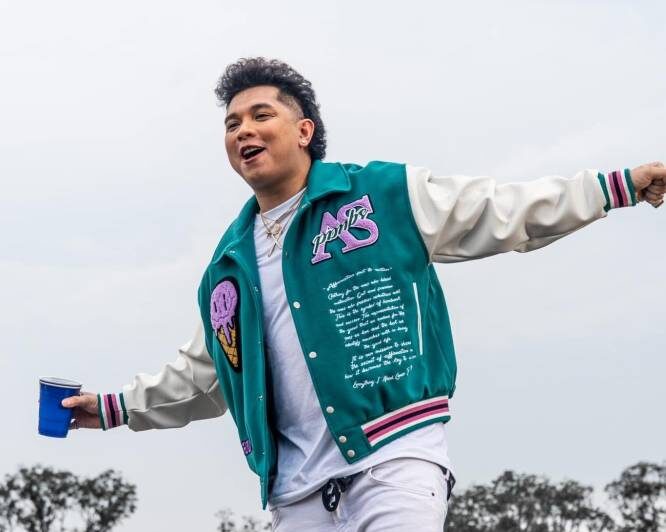
For Emcee Rhenn and King Badger, members of the renowned hip-hop supergroup Ex Battalion, the recent “geng geng” discourse is a song they have already heard before—only in a slightly different arrangement.
“Meron nang ganun dati. At ang tawag do’n…” Rhenn begins before Badger joins in unison. “Jejemon!”
Polarizing discourse
It’s not a direct comparison, but the Jejemon subculture of the late 2000s—originally a shorthand texting style—eventually evolved into a mocking label for a specific masa aesthetic that at times overlapped with hip-hop aesthetics like oversized streetwear or sideways caps. Much the same way geng geng is perceived today.
In any case, both terms were met with stigma. The look became associated with delinquency—as seen in the recent social profiling of youth groups in BGC—which polarized social media. Some argued that the issue wasn’t the fashion itself, but the wearers’ disruptive behavior. But it’s also undeniable that some of the criticism was unwittingly classist.
Fair enough—there have been instances and footage of genuine unruliness, but that’s no reason, they say, to cast a blanket judgment.
“Kung gumagawa sila ng masama o nanggugulo sila, siguro they will be viewed as hindi maganda. Pero kung wala naman silang ginagawa tapos na-i-stereotype pa rin sila, pangit naman ‘yon,” Badger tells Lifestyle Inquirer. “Don’t judge a book by its cover.”
“Which is ‘yon ang dapat,” Rhenn chimes in. “Kaso nga nagiging norm siya dahil na rin sa pinapakita ng iba. Pero siyempre ‘di naman sila lahat ganun. Wala namang pinalaki diyan na, ‘O, manggulo ka sa ganitong lugar.”
“Imposible naman na lahat ng gano’n ang damit eh manggugulo,” Badger adds.
The stigma exists and may well persist. And there’s little you can do to change people’s perceptions, the two admit as much. At the end of the day, you can only control what you can control. “Kahit pa ano suot mo, kung dadalhin mo nang maayos ‘yong sarili mo, kahit saan puwede kang makatuntong…Doon ka pa rin makikilala,” Rhenn says.
But still, he insists, “Pero bilang matinong tao, alam mo na rin na ‘di ka puwedeng mag-base lang sa hitsura ng tao.”
Reclaiming the label
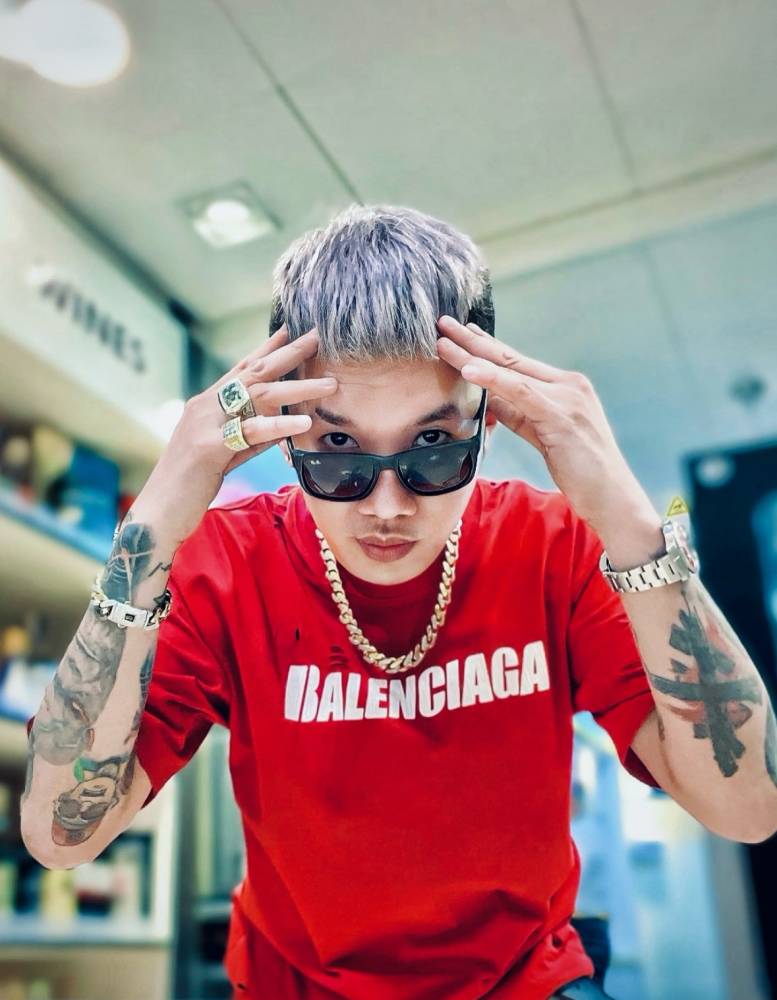
Looking back on their early careers, the rappers received their fair share of comments calling their music, style, and—at times—their fans jejemon. But instead of taking offense, they reclaimed the label. “‘Di naman kami nakakasakit when it comes sa pananamit namin,” Badger says. “Nasa kanila, nasa viewer, at nasa nagja-judge ang problema.”
And if people view them as jejemon, then so be it. “Eh ‘di okay—it worked out for us,” he points out.
In fact, “worked out” might actually be underselling it. As part of Ex Battalion, Rhenn and Badger—together with Bosx1ne (now Honcho), Skusta Clee, Flow G, JRoa, and Brando—helped define the sound of modern Pinoy hip-hop in the late 2010s and turn it into the dominant genre it is today.
Of course, OGs like Gloc-9 continue to bring hip-hop to the mainstream, but the cultural wave Ex Battalion started among a digitally attuned mass audience—thanks to such hits as “Hayaan Mo Sila,” “Need You,” and “No Games”—can’t be denied. They’re mindful not to overstate their impact, though. “Alam ‘yon ng may alam,” Rhenn quips.
And if you had told them back then the impact they would have, they likely wouldn’t have been able to wrap their heads around it. “Ang hirap sabihin noon kasi nakaka-receive kami ng hateful words. Iba rin ang inis ng mga tao noon. ‘Di talaga namin na expect,” he says.
“Hindi pa nila tanggap ang hip-hop nung time na ‘yon. May mga kantang namang kumakalat at nakakatagos [sa mainstream] but not enough to make you expect na [maghi-hit ka rin]. Pero gagawin mo pa rin siya kasi may chance,” Badger adds. “Pero ang lakas lang talaga ng hip-hop ngayon kasi ang dami ring mga bagong magagaling.”
While no longer as active as it once was, Ex Battalion still releases music from time to time—in the ambitious fashion one might expect—such as their one-day, seven-music-video drop last year for the album “Best Seller.”

The members have also been focusing on their own projects. Badger and Rhenn, for instance, recently signed with Universal Records with the intention of collaborating as a duo. For two artists who simply get each other, the decision couldn’t make more sense.
Harmony in contrast
The duo lives under one roof. And to give an idea of how no-frills their songwriting process is: Badger chances upon Rhenn composing a song “tapos eepal ako…kasi wala akong alam sa arranging.” But sometimes, he comes up with his own idea and consults—well, badgers—Rhenn.
Perhaps it’s their contrasting personalities, strengths, and styles. Badger’s flow is more laidback and melodic. Rhenn is more technical and known for being a steady hand in the creative process. While the more reserved Rhenn prefers to stay behind the scenes arranging music, Badger uses his charisma to handle the front-facing aspects of the business.
“Solid talaga kami neto kaya nagiging madali ang trabaho. I can’t explain it pero minsan, may mga tanong na kaya niyang sagutin para sa ‘kin,” Rhenn says.
They wouldn’t give as much as a hint about their new music, no matter how hard we pried—except to say that they have been writing nonstop and have enough in the vault to release more than one album. Their recent listening habits, however, can clue us in.
Rhenn is still into drill and trap music, and lately has been digging amapiano as well. Badger has always had wide-ranging tastes in music—British rock, hip-hop—and has influenced Rhenn to listen to them, even if they’re not his usual style.
“‘Yong mga pagkakaiba namin ng influences at trip namin, pinag-uumpog namin. ‘Yon ang maganda dun,” Rhenn says.
“Hindi kami tumitigil sa pag-innovate,” Badger adds. “It’s always evolving.”