









Grammy glam: Red carpet fashion statement

The Grammys have never been about playing it safe. While other red carpets chase timelessness, elegance, or brand polish, the Grammys have always operated as fashion’s testing ground—a place where artists experiment with identity, exaggeration, and spectacle in ways no other awards show allows.
This is the only red carpet where fashion is expected to provoke. Where being overdressed, underdressed, or outright confusing is often the point. The Grammys do not reward restraint; they reward intention. Whether it lands or not is secondary. What matters is the risk.
Defining cultural moments
Historically, some of the most enduring red carpet moments were born here precisely because they broke the rules. From Jennifer Lopez’s plunging green Versace dress in 2000—a look so disruptive it allegedly helped inspire Google Images—to Björk’s swan dress, which blurred the line between performance art and fashion faux pas, the Grammys have long been the industry’s permission slip to experiment.
These were not “pretty” looks in the traditional sense. They were cultural moments.
That spirit still defines the Grammys today, even as fashion becomes increasingly cautious elsewhere. At a time when many red carpets feel like extensions of brand campaigns—perfectly styled, perfectly approved—the Grammys remain refreshingly unpredictable. Artists show up not just as nominees, but as characters. Their clothes are extensions of their sound, their era, their mood.
This is where fashion stops trying to be universal and starts becoming personal again.
An exhibition of identity
At the 2026 Grammys, the red carpet felt less like a procession of pretty dresses and more like an exhibition of identity through fashion—each look reading like a visual statement rather than a marketing placement.
Some of the most talked-about moments combined sculptural couture with personality in ways few runways could match.
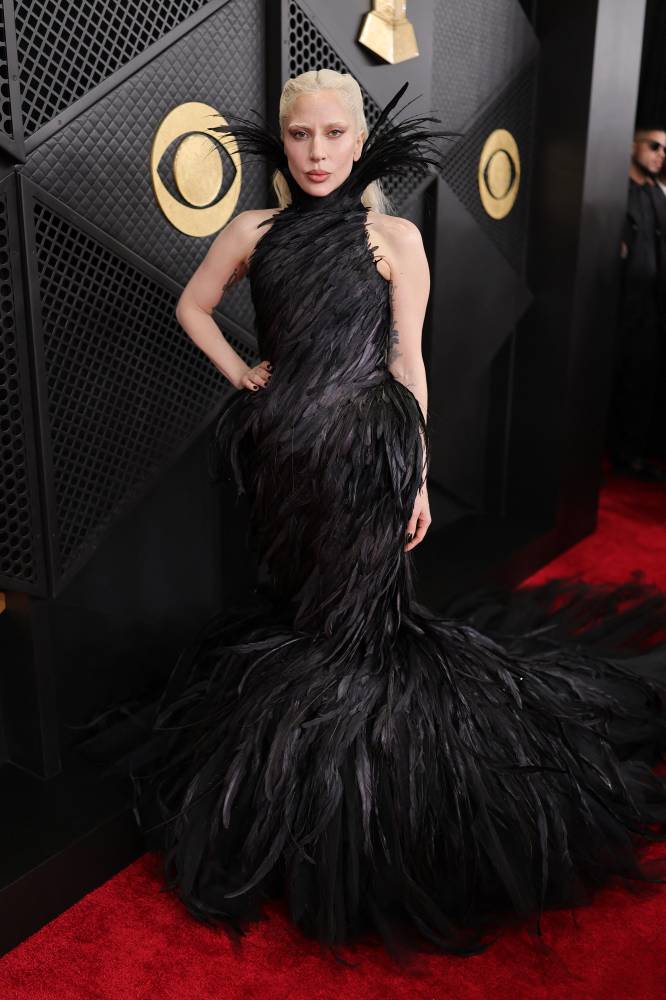
One of the most striking examples was Lady Gaga, who arrived in a custom couture gown by Matières Fecales built from dramatic black feathers that formed a razor-sharp silhouette and lengthy train—a nod to avant-garde storytelling that feels as theatrical as her music itself.
Looks that spark conversations
Part of what makes the Grammys such fertile ground for risk is the audience itself. Unlike film awards, where the red carpet serves a wider, often more conservative viewership, the Grammys are deeply embedded in youth culture, internet discourse, and fandom. The looks are consumed instantly, dissected on social media, memed, defended, and debated in real time. This immediacy encourages experimentation.
A risky look does not need to age well; it just needs to spark conversation. And brands know it.
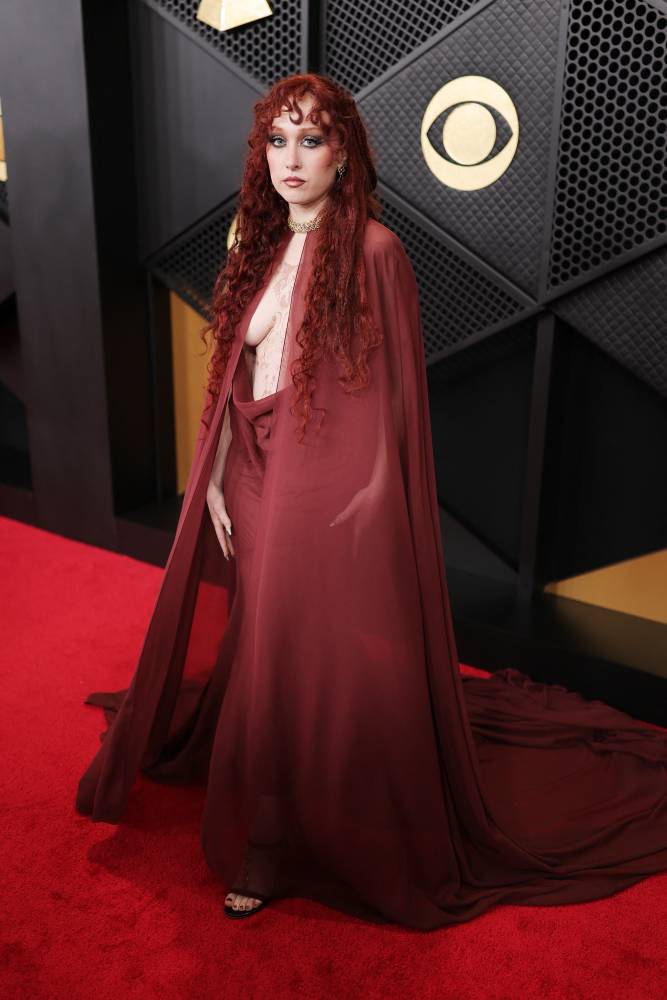
Chappell Roan leaned fully into boundary-pushing with a sheer Mugler gown inspired by archival couture but updated for the modern red carpet, blending sensual architecture with contemporary minimalism and letting the silhouette speak louder than accessories.
Designers use the Grammys as a playground to test silhouettes, materials, and styling ideas that would feel too aggressive for Cannes or the Oscars. Sheer constructions, extreme tailoring, archival pulls, custom creations that border on costume—all of it finds a home here. For emerging designers especially, the Grammys offer visibility without the expectation of polish. A single look can define a career overnight.
Stylists, too, are more willing to push boundaries here. The Grammys reward coherence over convention. A look does not need to fit red carpet norms as long as it aligns with the artist’s narrative. That is why we see outfits that feel deliberately unfinished, hyper-sexual, exaggerated, or strangely minimal in a sea of maximalism. The goal is not approval, but authorship.
Rejection of traditional glamour
In recent years, the Grammys have also reflected broader shifts in how fashion and identity intersect. Gender-fluid dressing, experimental masculinity, and the rejection of traditional glamour codes appear more naturally here than anywhere else. Artists arrive dressed not as “best-dressed” contenders, but as visual statements.
Clothes become language: a way to communicate defiance, softness, anger, joy, or reinvention.
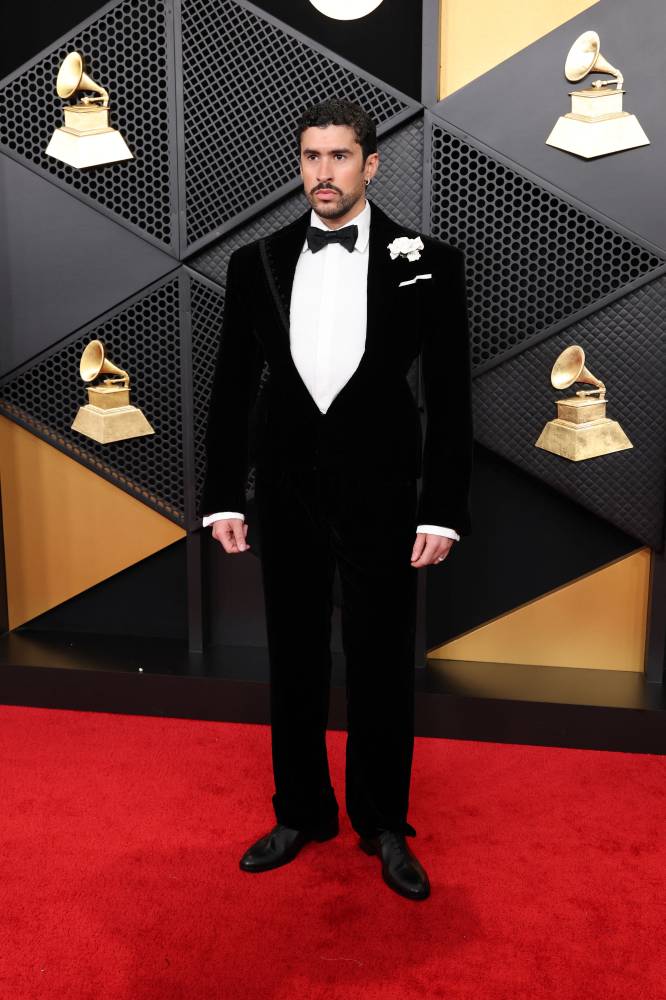
On a different yet equally Instagram-worthy note, the three-Grammy 2026 award-winner Bad Bunny made history with a custom Schiaparelli tuxedo designed by Daniel Roseberry: a black velvet look that paired classic tailoring with surrealist detailing, proving that menswear can be as disruptive and expressive as any gown.
Part of the archive
What is interesting is that even when a Grammy look “fails,” it rarely feels wasted. Unlike other red carpets where missteps quietly disappear, Grammy fashion failures become part of the archive. They live on because they tried it.
In an industry currently obsessed with playing it safe, that willingness to risk embarrassment feels almost radical.

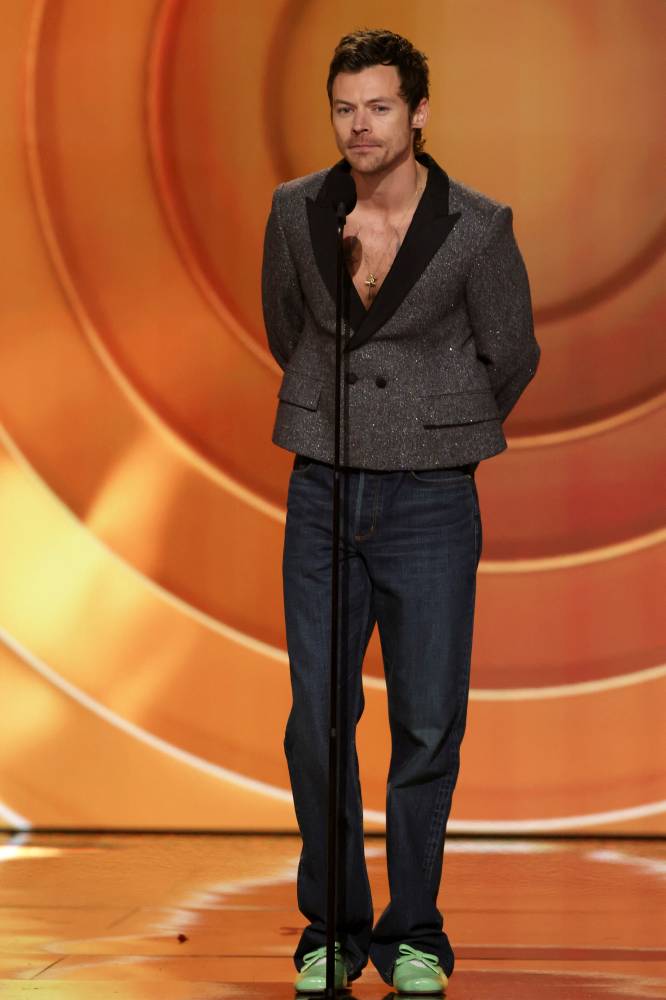
Harry Styles turned heads in a custom Dior look by Jonathan Anderson, slipping into a tailored gray Bar jacket worn without a shirt and paired with straight-leg jeans for a relaxed yet refined vibe. He finished the ensemble with playful mint-green Dior ballet flats featuring delicate bows, adding his signature blend of modern tailoring and gender-fluid flair to the night.
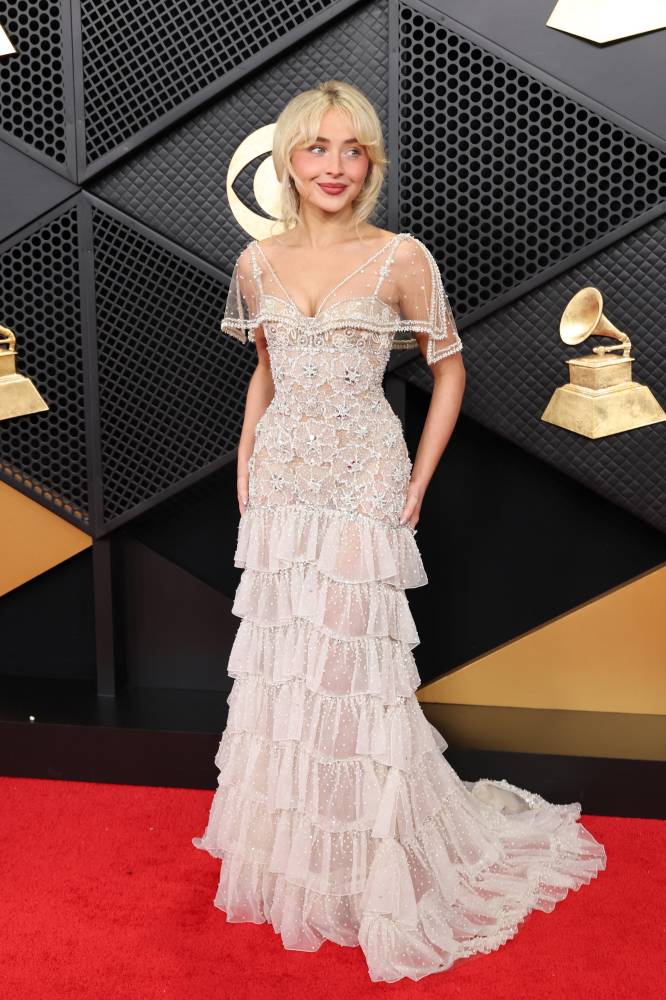
Sabrina Carpenter channeled romantic, Old Hollywood elegance in a custom Valentino, her embellished gown balancing sparkle and modern femininity, showing that glamour does not have to be safe to be sophisticated.
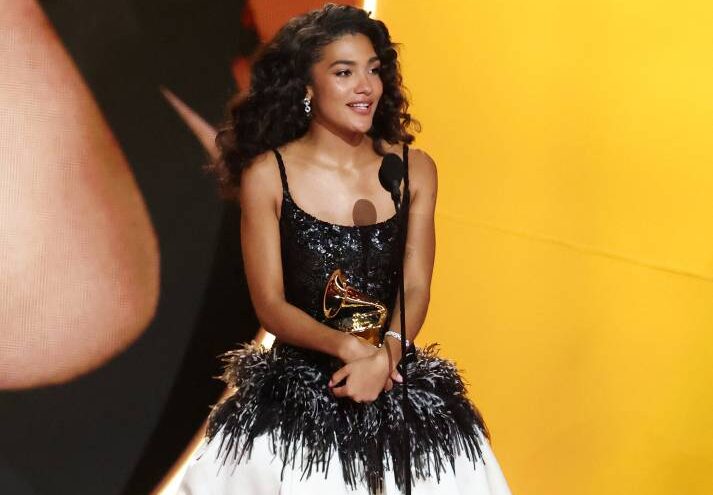
Meanwhile, Olivia Dean offered a striking contrast with a monochrome black-and-white Chanel gown featuring feathered details at the waist that translated couture heritage into modern movement—the kind of look that reads beautifully in motion and still photographs.
Brave enough to try
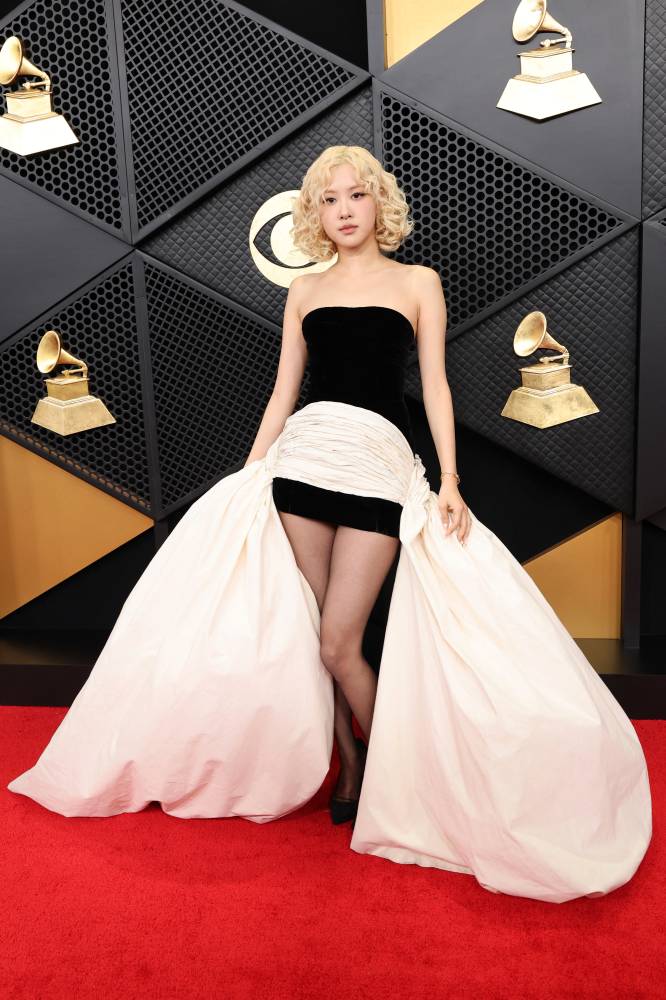
Names beyond tradition also made bold statements. Rosé opted for custom Giambattista Valli haute couture, pairing a sculptural black velvet mini with ivory silk draping that referenced classic silhouettes while feeling totally of the moment.
Even more experimental voices showed up: Ayra Starr in a daring sheer Nicola Bacchilega gown, and Karol G in a pale-blue Paolo Sebastian lace look with transparent heels, proving that red carpet fashion at the Grammys can be both body-positivity and refined.
And maybe that is why the Grammys still matter in fashion conversations. Not because every look is good, but because every look has intent. In a moment when fashion feels increasingly controlled—by algorithms, by brand guidelines, by fear of backlash—the Grammys remain one of the last spaces where fashion can still be loud, messy, excessive, and deeply personal.
A reminder that style is not always about getting it right. Sometimes, it is about being brave enough to try.
******
Get real-time news updates: inqnews.net/inqviber