











Healing monggo beans

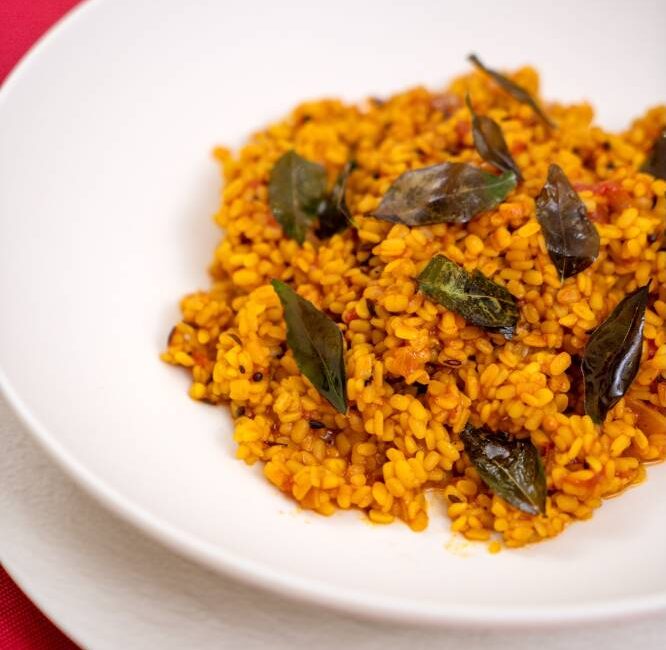
Mung beans, or monggo to Filipinos—the small, green, red, or yellow legumes known scientifically as Vigna radiata—have quietly nourished civilizations for thousands of years. Each variety of colored monggo is used specifically for certain dishes. The green or yellow for soups and curries, or here, our very own guisado; while red monggo is used in delicate desserts as fillings all across Asia.
They are valued not only for their versatility and affordability but also for their remarkable health benefits. What makes mung beans especially fascinating is how they sit at the intersection of food and medicine in both Traditional Chinese Medicine (TCM) and Ayurveda.
Mung beans may look humble, but nutritionally, they are dense and balanced. They are rich in plant-based protein, fiber, complex carbohydrates, and essential micronutrients such as folate, magnesium, potassium, and iron. They also contain antioxidants like flavonoids and phenolic acids, which help combat oxidative stress.
A single cup of cooked mung beans provides around 14g protein and around 15g fiber. Mung beans are low fat, low in glycemic index, and cholesterol-free. Randomized control studies have also shown they are good for blood sugar and lipid control and are a good source of affordable protein. Because of this composition, mung beans are often recommended for weight management, gut health, and sustained energy—especially helpful for active lifestyles.
Mung beans have several health benefits. They are good for digestive support, as they are easy to digest compared to other legumes. Their fiber promotes healthy bowel movements, while their gentle nature makes them suitable even for sensitive digestive systems. They have anti-inflammatory and detoxifying properties as they contain compounds that help reduce inflammation and may assist the body in clearing toxins. This aligns strongly with their traditional use in healing diets. They are rich in potassium and antioxidants, and may help regulate blood pressure and reduce LDL cholesterol levels. Their fiber content also makes you feel full faster, with longer lasting satiety.
I’ve always been an advocate for eating in season—be it eating what food is in season, or eating according to the seasons. In TCM, mung beans are classified as a “cooling” food. This means they help clear internal heat—an imbalance associated with inflammation, fever, irritability, and skin issues. Summer time is the perfect time to eat them. They are commonly used to reduce swelling and inflammation, clear heat and detoxify the body, and support liver function.
A classic preparation is mung bean soup, often consumed during hot weather to cool the body and restore balance. In TCM philosophy, this makes mung beans particularly valuable in tropical climates like the Philippines, where excess “heat” in the body is common. In Ayurveda, mung beans (known as moong dal) are considered one of the most sattvic foods—meaning they promote clarity, calmness, and balance. They are prized for being light and easy to digest, “tridoshic” meaning they are good for all doshas—body composition in Ayurveda, namely Vata, Pitta and Kapha, and are ideal for cleansing and healing diets.
One of the most well-known Ayurvedic dishes is khichdi, a simple combination of mung beans and rice cooked with mild spices. It is often used in detox programs or when recovering from illness because it nourishes without burdening digestion.
Modern nutrition science is increasingly validating what traditional systems like TCM and Ayurveda have long understood: Food can be medicine. Mung beans are a perfect example of this principle—supporting digestion, reducing inflammation, and nourishing the body in a balanced way. In a world of complex superfoods and expensive health trends, mung beans have been an available powerhouse all along.
The first time I realized mung beans were used outside of the Philippines was when I was 18 in university. My university years in London was when I truly learned how to cook, mostly out of necessity, but also fueled by the different cuisines of the friends I made. In my dorm cluster lived a Taiwanese girl, two British Indian girls, and myself. We all shared meals and dishes with each other, and taught each other our favorite recipes from home.
The smell of curry often wafted through the hall and into my room, prompting me to investigate what spices my dormmates were using. There, I learned how to cook dal, made of lentils and several spices. Dal has become a staple in my home, one enjoyed by my daughter in particular. Getting the spices at the Indian market is also a treat on its own, and will last you a long time. This recipe is the version I learned from my college friends, and may not be the authentic way to cook it, but it’s delicious and easy enough for a college kid to make.
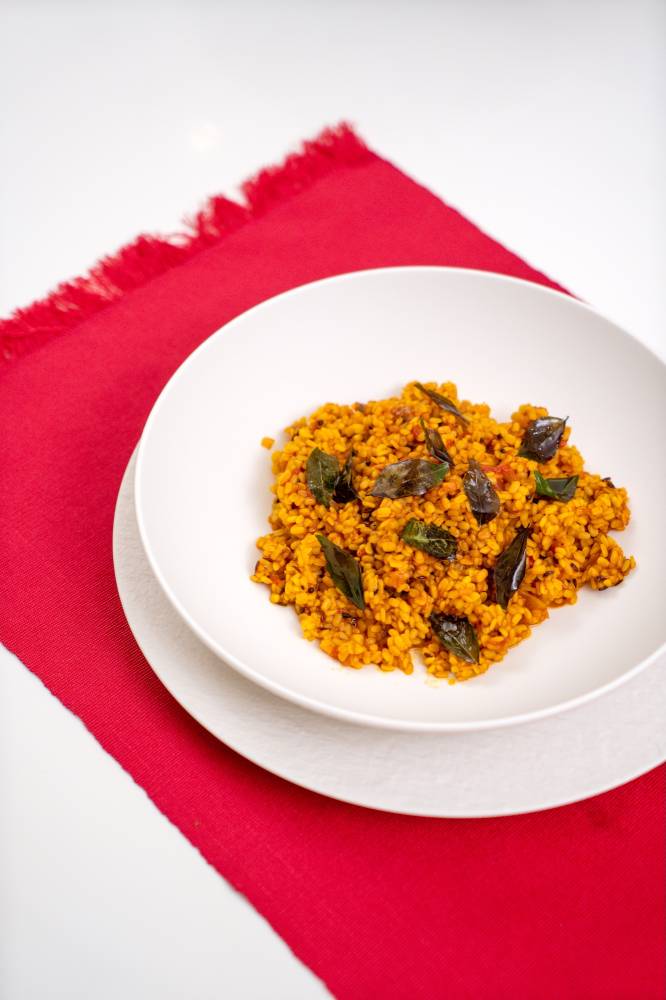
Yellow dal
Ingredients
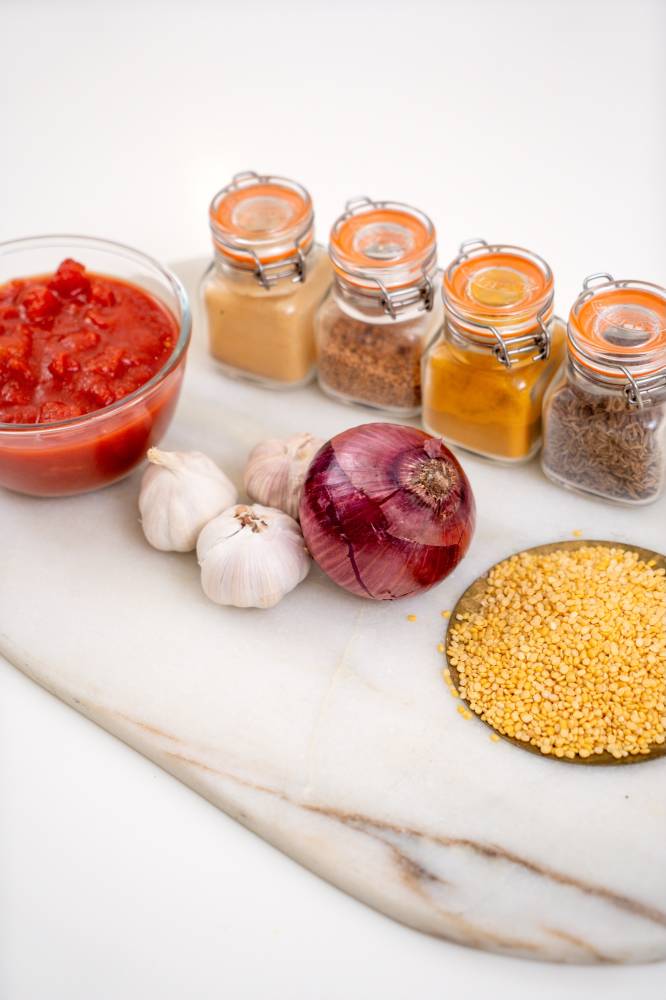
*1 ½ cup green or yellow split monggo (dal)
*1 tbsp coconut oil
*1 whole onion, diced
*2 teaspoons curry powder
*2 teaspoons cumin

*2 cardamom pods
*8-10 curry leaves
*1 cup water
Procedure
1. Heat up a pan and add the coconut oil, onions curry powder, cumin powder and cardamom pods. Sauté gently on low heat.
2. Add the curry leaves.
3. Add the dal and coat in the spice mixture. Season with salt.
4. Add the water and cook until softened.
5. For an extra flavor boost, fry extra curry leaves and serve it on top of the dal (my daughter’s favorite way to eat it!)