










Horror films: The ever-dependable genre

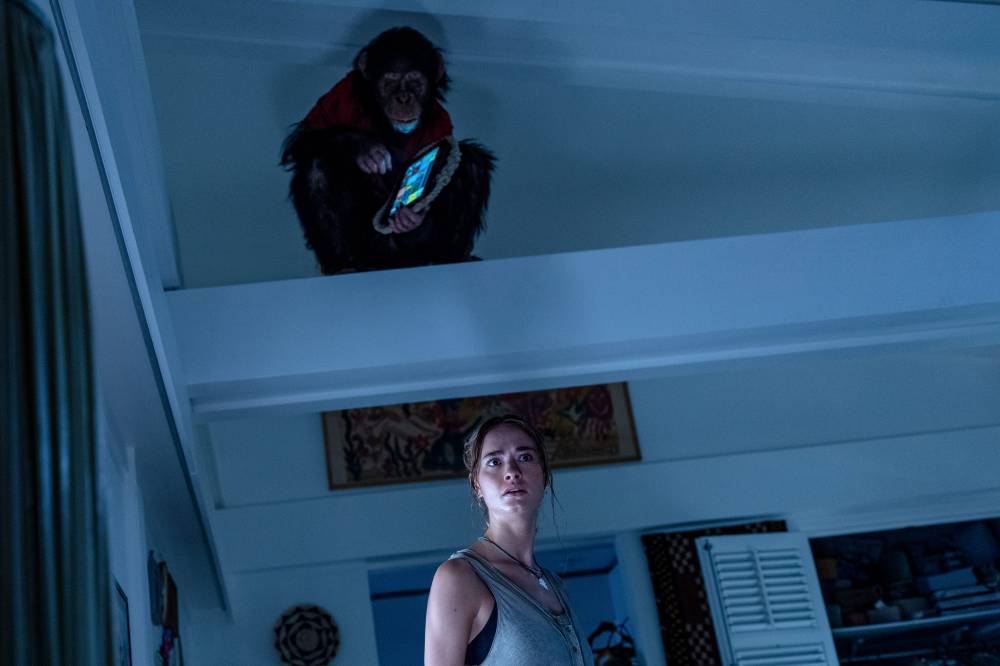
Yesterday, “Primate” opened in cinemas, and it’s refreshing to see a well-crafted creature feature that simplifies its plot to its barest essentials and amps up the terror within a tight 89-minute time frame. It introduces the prospect of a romance between two characters, but this is quickly shelved. Then there is a family drama element that is never fully explored because the foundations of it become crucial in the film’s third act.
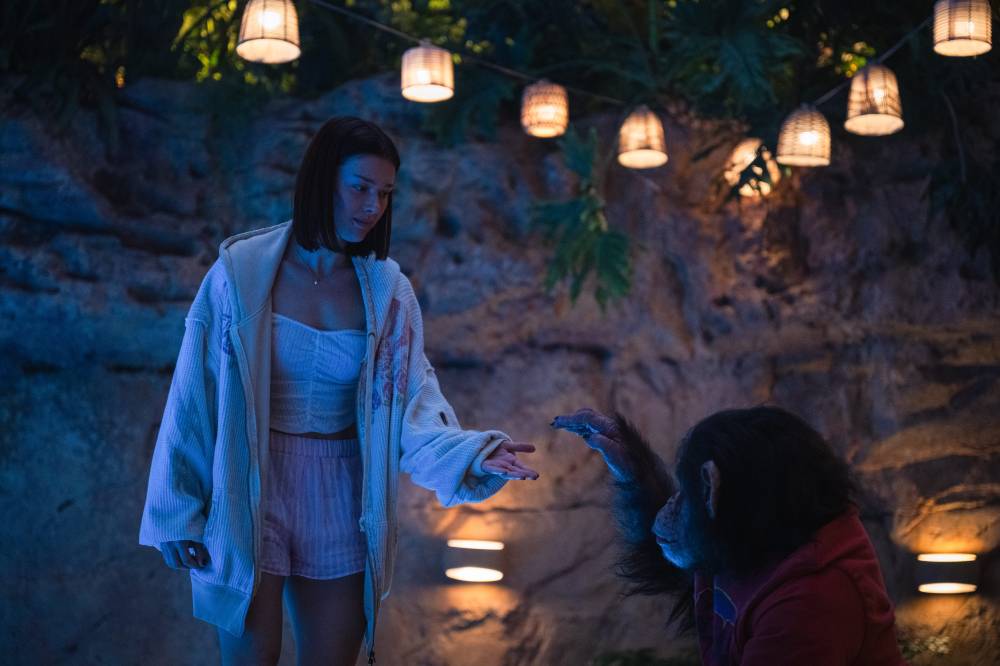
Instead, what we have is enough character work to allow us to see who the victims are, along with their relationships with each other and with the creature: a chimpanzee named Ben, who is trained in sign language and has gone feral after contracting rabies. It’s like an updated version of “Cujo” by Stephen King, but scarier as Ben is stronger, more mobile, and smarter.
Most of Primate’s Act Two is just a cat and mouse game (more ape and human) on how to survive this horrific situation. Director Johannes Roberts keeps the thrills simple. Trapped in a swimming pool—because Ben can’t swim and is afraid of water—Lucy (Johnny Sequoyah) and her friends must figure out a way to get out and call for help. Their phones are scattered in a lavish house with many rooms, a house that Ben is very familiar with.
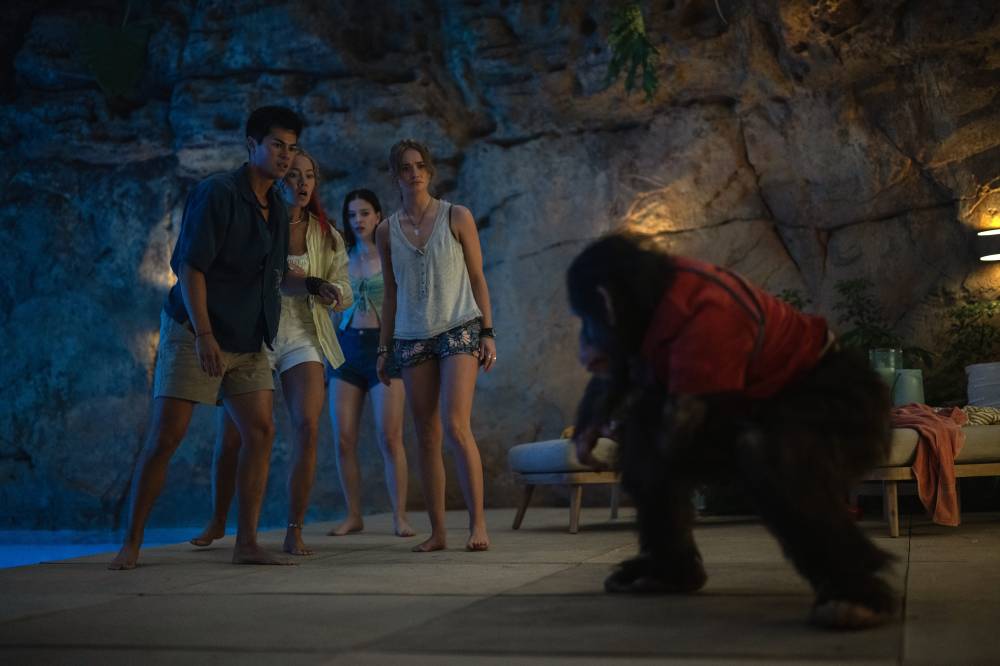
Every moment one of the characters makes it inside, the music goes down, the sound design gets crisp, and it’s prime for jump scares because Ben can come from anywhere.
This simplicity is so refreshing because oftentimes, the creature feature can get bogged down by an impulse in filmmakers to create a story. As much as I love the Godzilla franchise, especially the first of Gareth Edwards, most of the time, I want the film to skip out on all the human elements because I’m really watching to see all the ways the creature will cause havoc and murder all the characters deserving of it (in movie standards anyway).
And “Primate” shows us that simplicity can be the key to a successful horror film.
Not to say that the complex horror films that dominated 2025 were unwelcome. “Sinners,” “Bring Her Back,” and “Weapons” have made it to my ten favorite films of last year. There’s a different kind of joy when the scares are psychological; when the movie plays with your mind.
Subverting horror
Another horror movie that’s currently in cinemas is “28 Years Later: The Bone Temple,” a sequel to “28 Years Later,” and the fourth film in a franchise that began in 2003 with “28 Days Later,” by Danny Boyle and Alex Garland. In the third and fourth installments, screenwriter Alex Garland began subverting the zombie genre, which the film falls into. In “28 Years Later,” the film presents acceptance of the post-apocalyptic world of the story’s setting—an effort to rebuild. It’s framed within the relationship of a young boy, Spike (Alfie Williams), and his parents, played by Aaron Taylor-Johnson and Jodie Comer.
And in the follow-up, Garland now offers hope and salvation.
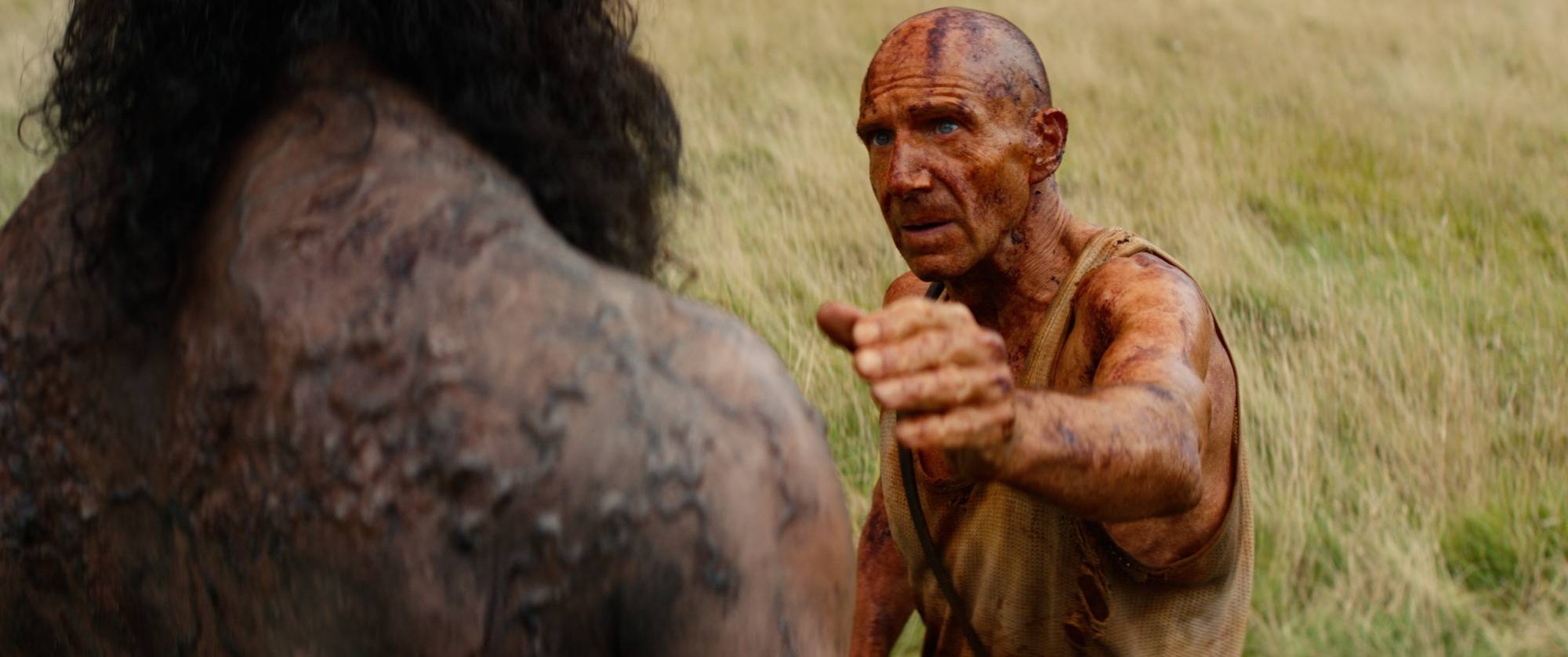
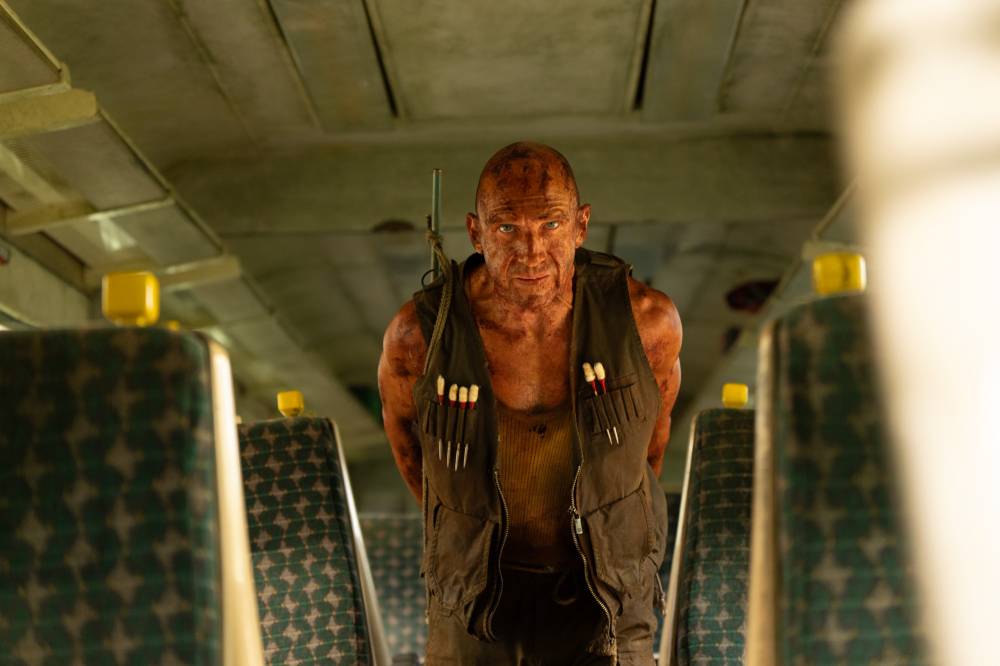
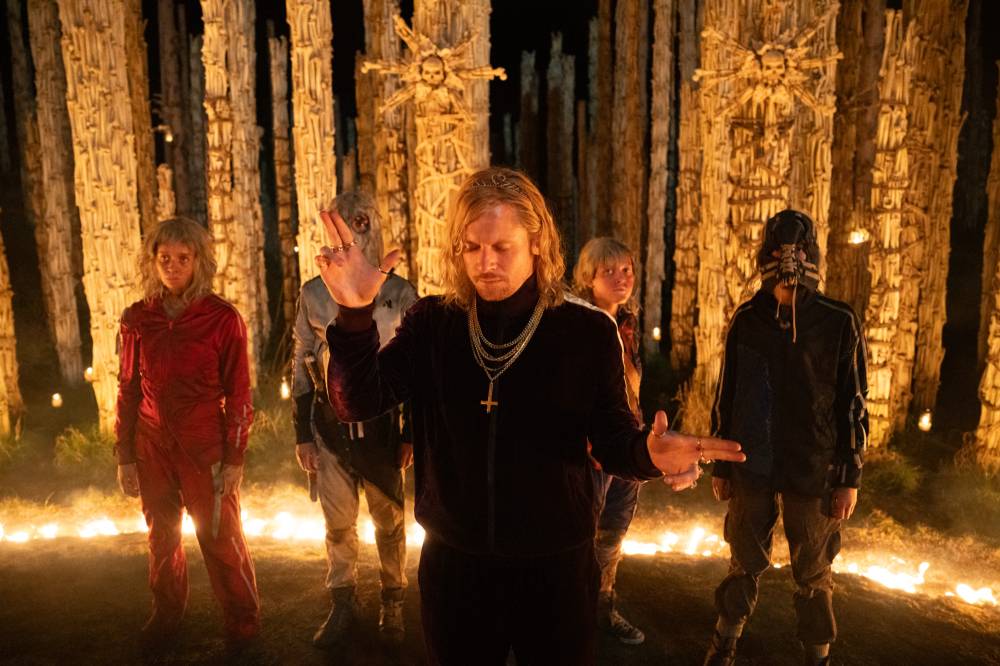
The horror is still present, but it is served side-by-side with a story of redemption as Ralph Fiennes’ Dr. Kelson engages with the powerful and evolved infected, whom they have called Alpha and then later Samson (Chi Lewis-Parry). The horror now stems from the humans who have survived and have gone mad, led by Jack O’Connell’s Sir Lord Jimmy Crystal.
It has always been a mark of good horror to ground its frightening elements as a mirror to society’s dark side; the genre being an allegory to discuss our primal fears. The original zombie movie, George Romero’s “Night of the Living Dead,” which sort of gave rise to the sub-genre of the zombie film has been linked to society’s fear of the industrial revolution’s effect of turning us all into mindless zombies—walking in and out of work, clocking in and clocking out, devoid of humanity, in a constant cycle of endless labor.
In “28 Years Later: The Bone Temple,” what we see now is a reflection of the madness of our present time—humans killing each other while the precious few are truly trying to find a way out.
A dependable genre
It was only two years ago that I realised that horror films don’t just come out around the time of October, around Halloween. Horror films are released at any time of the year, with 2024 marked by scary movies every month. As cinema attendance goes down, the genre is still popular for bringing in the crowds because people love to get scared. And not only do they like to scream and get shocked, but they like to do it with friends.
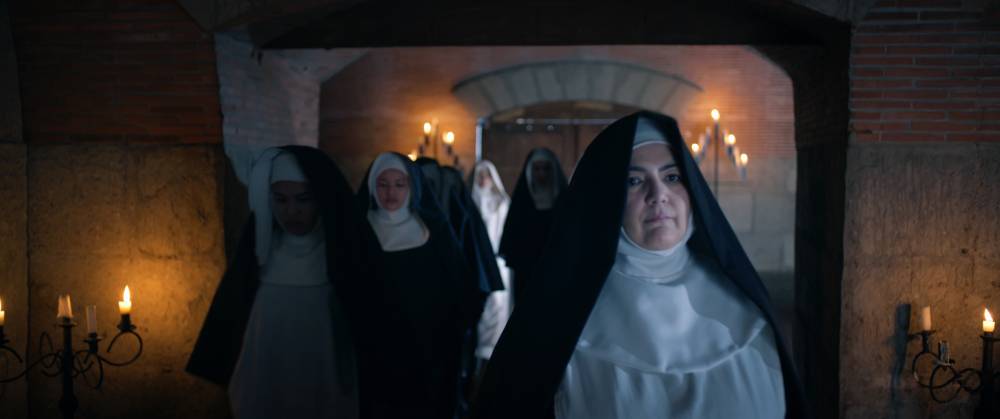
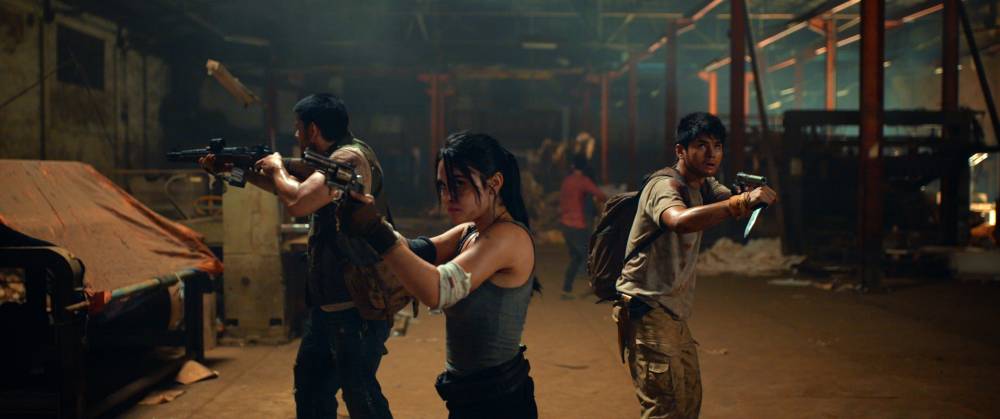
It’s no wonder that the Metro Manila Film Festival (MMFF) always has at least one horror film in the lineup. With “Shake, Rattle & Roll: Evil Origins” doing so well at the box office in the 2025 MMFF, even during the holidays, it goes to show that people still want to get their kicks.
Horror is a genre that is going to stay, for sure. And the wide range that we get every year, in almost every month—from the intelligent psychological horror films to the juicy, jump scare bonanzas of a slasher film—is great to start the year with.
And if anything, the two films show us the genre is anything but tired. There’s still so much to see, and with our world getting scarier by the day, there’s a lot of metaphors one can play with if the filmmakers are creative enough. And they definitely are.