










I used AI to create a health plan for me

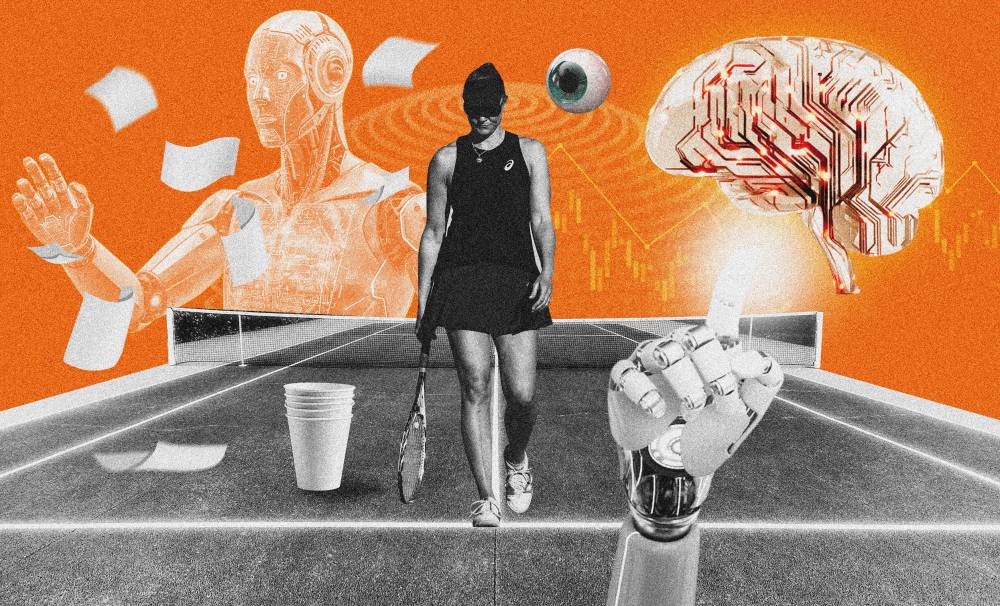
I’ve devoted a good part of 10 years to learning about health, nutrition, and healthy cooking, earning several postgraduate diplomas while I was at it. But there comes a point in a researcher’s career when you hit burnout. I’ve been in the middle of a huge research project for the last year, and in the last six months, I felt like I hit a wall. Too much data, endless amounts of reading, encoding, deciphering statistics… it was all too much.
Plus, in the world of academia, new studies are published daily. I always try to stay relevant—reading on new health trends, the research around it, always relating it to my needs and the needs of my family. I’ve even looked into hormone health, eating right for a woman’s cycle, eating seasonally, veganism, whole food, fasting, not fasting, and lately the effect of cortisol on the body and the relationship to belly fat.
Because when you hit your 40s, suddenly every little thing can contribute to bloating, weight gain, and hormone health. The old tricks that used to work—juice fasts, cleanses, eating crackers for lunch—nothing works the same anymore. And what’s worse is that these things actually can affect your body now.
In the same vein, I’ve become obsessed with my wearable health device—a ring that tracks my sleep, stress, steps, brain age, blood age, recovery, and more. Everything is available now for you to actually have better health.
Information overload
With all the information I had and with all my own research and knowledge, I struggled to put it all together. That’s when I turned to artificial intelligence (AI) to help me make sense of it all.
AI is, and can be, a very scary thing. It can pull up knowledge faster than you can turn a page, with sources from across the internet. It seems to sound compassionate in its replies and seems to have the best intentions for you—something many people seek out in human relationships with coaches, trainers, but maybe don’t get.
AI is a sounding board for your thoughts and goals and is always (mostly) on your side. I felt overwhelmed trying to factor in my menstrual cycle, caffeine intake, training needs, a foot injury, a tennis tournament to prepare for, plus wanting to shed a few pounds as a bonus.
Despite everything I know, I tried AI out and entered all these factors to help me come up with a plan of action.
Connecting the dots
I trained the way most people do: push harder, sweat more, drink coffee, repeat. Tennis days meant early mornings, fasted sessions, caffeine on autopilot, and calorie cuts that looked disciplined but often left me inflamed, exhausted, or stuck at the same weight.
What changed everything wasn’t a new supplement or workout—it was learning how to work with my hormones instead of against them, and surprisingly, AI became the tool that helped me connect all the dots.
Tennis is a high-intensity, stop-start sport. Sprinting, lateral movement, explosive power—it’s fantastic for fat loss if stress hormones are managed properly. Also, I’m learning a new sport—a professional amateur, if you will, at an older age. The problem is that tennis already spikes cortisol, and stacking that with fasted training, too much caffeine, poor recovery, and training hard during the wrong phase of my menstrual cycle was possibly working against me.
So I fed AI my goals: fat loss, tennis training, sensitivity to cortisol, optimization around my menstrual cycle, and the best caffeine sources. One of the biggest breakthroughs I learned was aligning tennis intensity with my cycle phases: the follicular phase (after my period). This is when my body naturally tolerates stress better.
A health plan made by AI
AI structured harder tennis sessions, longer rallies, and slightly higher carbohydrates here to support performance and recovery. In the ovulatory phase, power and coordination peak. Training emphasized speed, agility, and match-like intensity—but with strict recovery rules to avoid overdoing it. In the luteal phase, I used to fail myself. Pushing hard here only raised cortisol and stalled weight loss.
The plan shifted toward shorter tennis sessions, more technical drills, walking, and light strength training, higher protein, and stable blood sugar. Instead of fighting fatigue, I started respecting it—and my body responded.
AI also structured caffeine intake based on training time, cycle phase, and cortisol sensitivity, rotating the type of caffeine used based on the type of training. For example, it told me to wait 90 minutes to take my first cup of tea or matcha, and reserve stronger yerba mate or coffee only for my harder training days or in the follicular phase.
The regulation and non-stacking of caffeine has improved my sleep. On my health ring, I had previously not been able to achieve very restful sleep or good recovery, but since I started following the caffeine intake plan AI created, my sleep and recovery have been hitting ideal numbers. This alone reduced jitteriness, cravings, and post-training crashes.
Instead of aggressive calorie cuts, the plan focused on slight deficits, timed to low-stress phases, enough carbs on tennis days to blunt cortisol, protein consistency across the cycle, and strategic fasting movement—only when hormones supported it.
The result? Small changes on the scale, but nothing as dramatic as the weight loss AI had mapped out for me. I used to exhaust myself walking over 10,000 steps a day, plus playing tennis and doing whatever workout I had planned. This led to a foot injury from my overtrained body.
I asked AI to create a program that would work to help me recover and train smarter. So far, so good.
But on the flip side…
My longtime fitness guru, friend, and fellow columnist, Mitch Felipe Mendoza, weighed in on using AI as a fitness tool. I met Mitch in 2009 after giving birth to my firstborn, and we have been together ever since. Her messages saying “weight today?” still scare me into eating properly til today.

I asked Mendoza to weigh in on the role of AI—and if she thinks it’s ready to replace real live people. “When it comes to workouts, I honestly don’t think the core role of a fitness trainer has changed that much—especially for those of us who practice truly personalized coaching,” she says.
“As a fitness, hormone health, and lifestyle coach with over 25 years of experience, I’ve seen trends come and go. Technology can now suggest it, design workouts and meal plans, but nothing replaces human connection and deep personal understanding. You can’t effectively coach someone if you don’t truly know the person,” she adds.
That human connection, the warmth, the reassurance… that’s something that AI can’t give. The experience of a group class, that sense of community, is something that is sorely missed, as we’ve seen during the lockdown days.
Even back then, I urged Mendoza to meet me online along with other friends for workouts. “In my group online classes, I move and train together with my clients,” she says. “They don’t just follow instructions. They see me as a role model who understands their struggles and goals. When we exercise together, there’s shared energy and joy. We celebrate strength, progress, and effort as a community. AI cannot give this type of feeling. These things go beyond technology.”
What AI can never replace
What made this different wasn’t just information—it was integration. AI didn’t replace a coach or doctor, but it acted like a systems thinker, helping me see how tennis, hormones, caffeine, and weight loss are interconnected.
Has it worked for me? A little bit. My foot injury is slowly recovering, and my sleep and recovery have been good. The caffeine type and timing have helped me to focus without jitters and to respect my body when it tells me it needs to rest—rather than pushing it to do more like I used to.
Weight loss? Maybe a little, but more than that, following the suggested macros has helped me to feel better in different parts of my cycle. AI doesn’t take into consideration the frozen yogurt I have here and there, the bits of chocolate, and doesn’t scold me or give me a look of disapproval that Mendoza does when I go off course from my diet.
It’s also not fun to talk to a computer or app about what I ate today, in the same way I do with Mendoza. It’s these looks, tone of voice, encouragement, and support from real live people that AI will never replace.
Human beings are not designed like robots that accurately reply, nor are we designed to follow things perfectly. We are designed to adapt, to learn, something AI can only do because we can do it first.