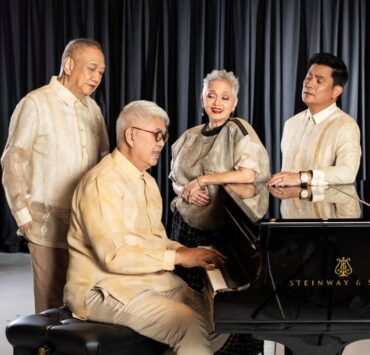










In full stride toward good fortune

Chinese New Year has always carried a sense of forward motion. It arrives with energy and purpose, inviting us to reset, gather, and look ahead with hope. Rooted in more than three millennia of tradition, it marks the beginning of the spring cycle—the transition between winter and summer, a time to honor the past while stepping boldly into what lies ahead.
More than a celebration, it is a philosophy: clear what no longer serves, gather with intention, and set the table—both literally and metaphorically—for abundance.
And hosting a Chinese New Year gathering, especially a thoughtfully curated table, is an invitation to do just that. It is a way of welcoming good fortune not through abundance of things but through meaning, thoughtfulness, and shared moments.
A celebration of renewal
While born from Chinese tradition, the Chinese New Year is a celebration that anyone can embrace. It follows the lunar calendar, beginning with the new moon between late January and mid-February.
Historically, the days leading up to Chinese New Year were a time for settling obligations, cleaning homes, and caring for ourselves—whether that meant a fresh haircut, a facial, a dentist visit, or finally booking that long-overdue checkup—while the day itself was reserved for families to reunite. Offerings were also made to ancestors, honoring the past as a foundation for the year ahead. Everything pointed toward renewal: physically, emotionally, and spiritually.
Symbolism is central to the celebration. Red wards off negativity, gold represents prosperity, and every dish carries meaning—from longevity and abundance to unity and happiness. A lunch setting is perfect: Bathed in daylight, it lets tableware shine, conversation linger, and rituals unfold naturally. It is festive without feeling hurried.
Welcoming the Year of the Horse
This year, we enter the Year of the Horse, a zodiac sign associated with vitality, movement, independence, and confidence. The Horse is admired for its strength and grace, its ability to move forward with purpose and determination. It is a year that favors momentum—new ventures, fresh ideas, courageous steps.
Lucky colors for the Year of the Horse include red for energy and protection, gold for prosperity, and hints of yellow for warmth and optimism. These hues lend themselves naturally to a chic, celebratory table—rich but balanced, symbolic without being overstated.
A table that speaks
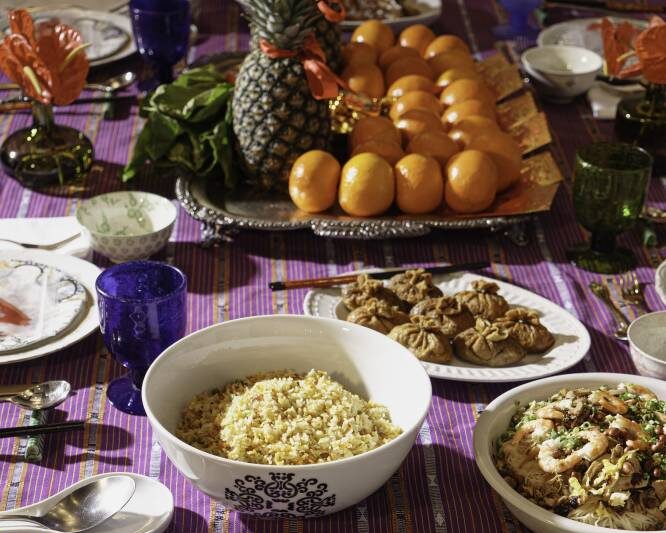
At the dining table, the centerpiece is intentional—Nián Gòng, a visual prayer for prosperity, harmony, and abundance. Inspired by Chinese New Year traditions, it turns food and objects into symbols that quietly invite blessings into the home.
Mandarins represent wealth and luck, pineapples signal incoming prosperity, pechay tied with red ribbons symbolizes protected and growing wealth, rice stands for sustenance, and gold coins placed atop the rice signify lasting fortune. A small gold money bag nestled within the arrangement reinforces wishes of financial abundance and security. Even the palette is purposeful: red for luck, gold for wealth, green for growth, and purple as an accent of abundance.
A modern Chinese New Year table blends tradition with practicality and style. Elegant plates, rice bowls, glasses, and neatly folded napkins are paired with chopsticks and rests, while forks and knives offer a nod to Western dining. Thoughtful placement keeps the table both beautiful and functional, welcoming all guests—whether they are accustomed to chopsticks or not.
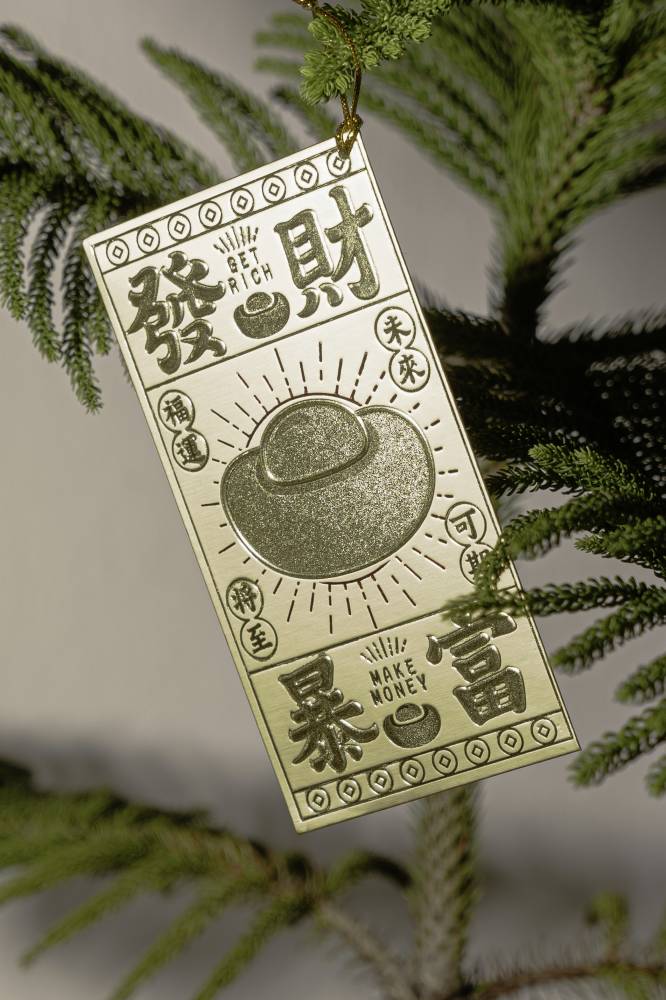
On the coffee table, or in any shared area of the home, angbao envelopes are hung from a branch or a plant, extending the ritual beyond the dining table. After the gathering, guests are invited to pick an envelope—a lighthearted yet meaningful gesture that turns tradition into connection and reminds us that good fortune is meant to be shared.
Taken together, the arrangement conveys a single message: “May this home be filled with wealth, nourishment, protection, harmony, and prosperity that returns year after year.”
A menu that speaks in symbols
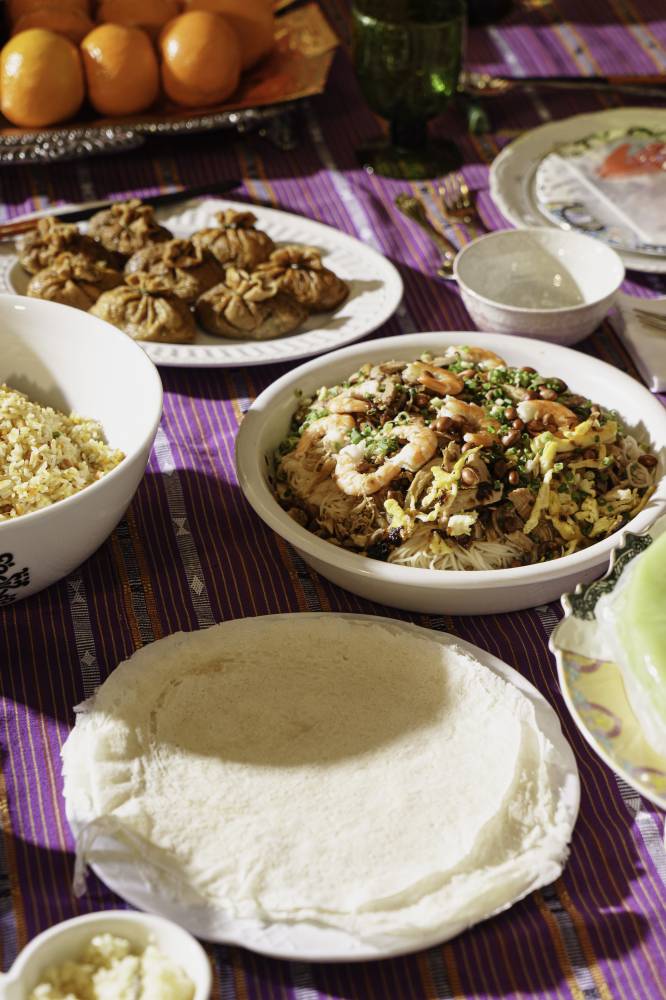
In Chinese New Year traditions, food is never just food. Every dish carries intention, and this lunch menu is curated with meaning in mind.
Fresh Chinese lumpia
Starting light and fresh, fresh Chinese lumpia symbolizes wealth and new beginnings—their shape reminiscent of gold bars. Fresh lumpia feels especially fitting for lunch: light, crisp, and celebratory without heaviness. It speaks of freshness and clarity for the year ahead.
Fried sweet and sour fish (butterfly cut)
Fish is the centerpiece of the meal and essential to the Chinese New Year, symbolizing abundance and prosperity. The butterfly cut represents joy and transformation, while the balance of sweet and sour flavors mirrors life’s harmony. Garnished with yellow mangoes, the dish glows with optimism and golden promise.
Yang Chow fried rice
Rice represents nourishment, stability, and togetherness. Yang Chow fried rice, with its mix of textures and flavors, reflects harmony—many elements coming together in perfect balance.
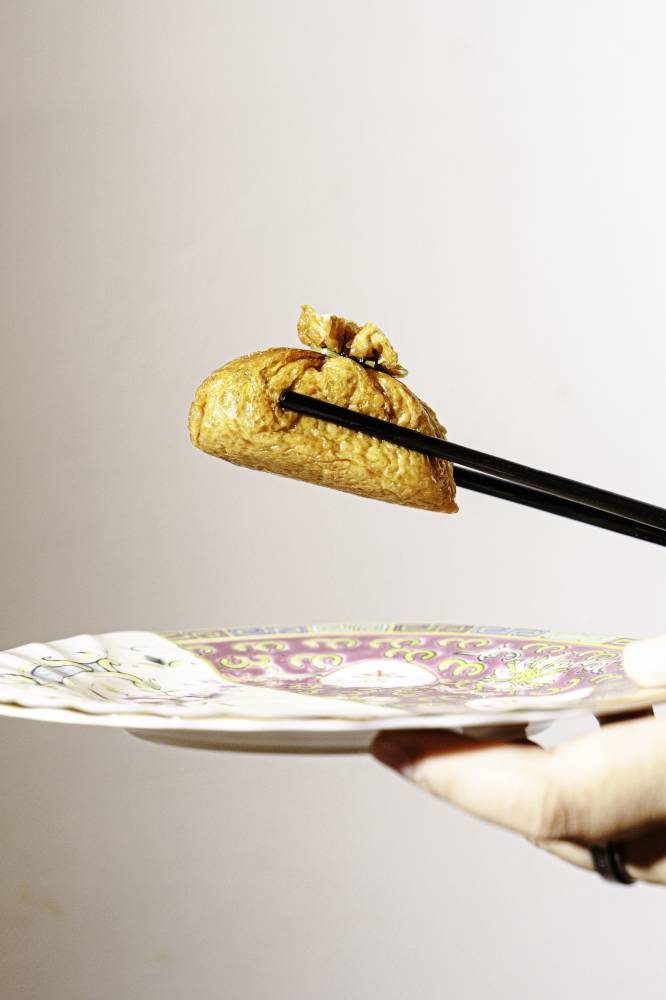
Tofu money bags
These delicate parcels are rich in symbolism. Shaped like ancient money pouches, they represent prosperity carefully gathered and protected. Tofu also signifies humility and simplicity, a reminder that true abundance is grounded in grace.
Misua noodles
Long noodles are served to wish for longevity and good health. Light yet comforting, misua is especially well-suited for a daytime celebration, quietly expressing hopes for a long, fulfilling life.
Tikoy (glutinous rice cake or Nian Gao)
To end on a sweet note, Tikoy, a sweet, sticky rice cake, symbolizes growth, progress, and advancement in the year ahead. Its sticky texture also represents unity and “good luck that sticks,” keeping families, friendships, and prosperity close throughout the year.
Traditionally pan-fried, tikoy offers a golden, caramelized exterior and soft, sweetness inside—a perfect sweet note to end the main courses.

Each dish becomes a wish offered to every guest. This year, as it marks my golden year, I chose to serve green pandan-flavored tikoy, a subtle nod to growth, renewal, harmony, and fresh beginnings.
A fortune at every place setting
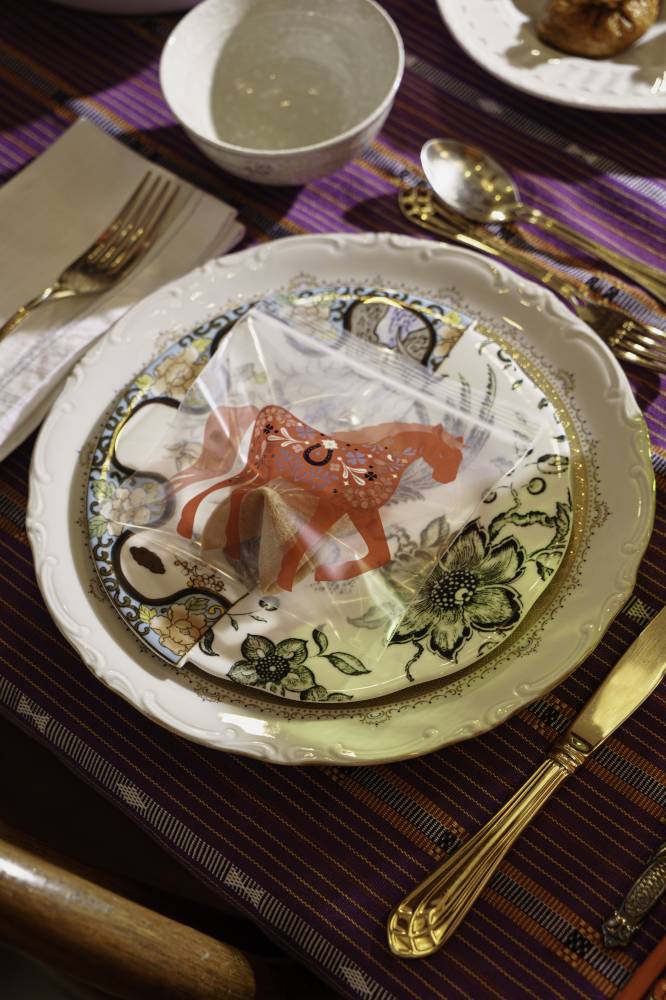
At each place setting, a fortune cookie adds a playful, reflective touch, inviting guests to take a moment to ponder hopes and wishes for the new year. And we can also invite everyone to reflect on what they are grateful for and share it at the table, turning the meal into a celebration of both abundance and connection.
Hosting in full stride
Entertaining for the Chinese New Year is not about extravagance. It is about intention and togetherness. A well-set table, a symbolic menu, a shared ritual—these are the elements that linger.
In the Year of the Horse, we are reminded to move forward with confidence, grace, and purpose. To host is to set that tone. When guests leave carrying an envelope from the money tree, a fortune in hand, and the warmth of a shared meal—having reflected on what they are grateful for and sharing it at the table—you have done more than entertain.
You have welcomed the year with intention, connection, and joy—in full stride toward good fortune. Wishing everyone a Kung Hei Fat Choy!
What to put on a Chinese New Year table
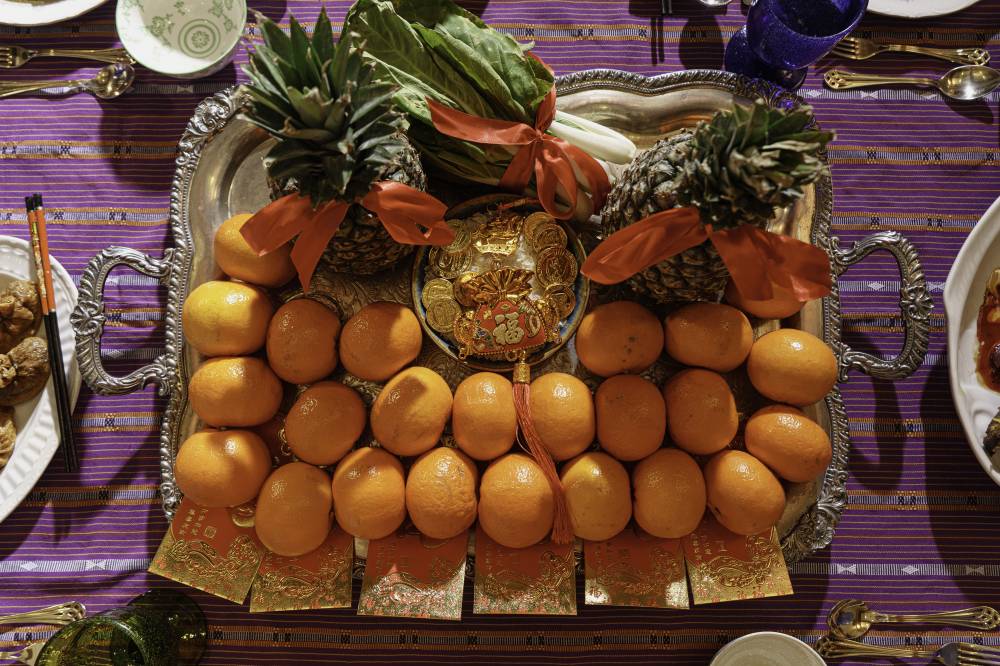
Visual prayer centerpiece (nián gòng)
Ponkan: wealth and luck
Pineapples: incoming prosperity
Pechay: protection and growing wealth
Rice: sustenance and stability
Gold coins: lasting fortune
Red ribbons: protection and celebration
Gold money bag ornament: financial abundance
Year of the Horse ornament: honoring this year’s Chinese zodiac