







In the age of mindful drinking


Mindful drinking has moved from the margins to the mainstream—and the focus isn’t abstinence, but intention. At Ito, this change plays out in real time, making the experience less about what’s missing from the glass and more about why people choose to drink. Increasingly, low-ABV and non-alcoholic cocktails sit comfortably alongside their spirited counterparts, reflecting a broader recalibration in drinking culture: one that favors presence over excess and pace over potency.
Niko Tiutan, co-founder and beverage director of Ito, views the rise of mindful drinking as a matter of choice rather than restriction. His interest in spirit-light alternatives emerged naturally, shaped as much by personal habit as by professional observation. Despite building his career in the beverage world, Tiutan readily admits to having a low tolerance for alcohol—a quirk he has since embraced, using it to inform a more considered approach behind the bar.
“It’s the same for my wife, Alex,” says Tiutan, referring to their shared preference for lower-alcohol options. For the pair, this inclination helped set their overall direction, a move that felt intuitive. “When we launched, we centered our philosophy on local and seasonal produce.”
Leading by ingredient
When designing variations on the classics, Tiutan prioritizes produce, treating it as the starting point of his creative process. This sensibility carries through to the structure of the menu, where each category is built around a defining flavor or ingredient.
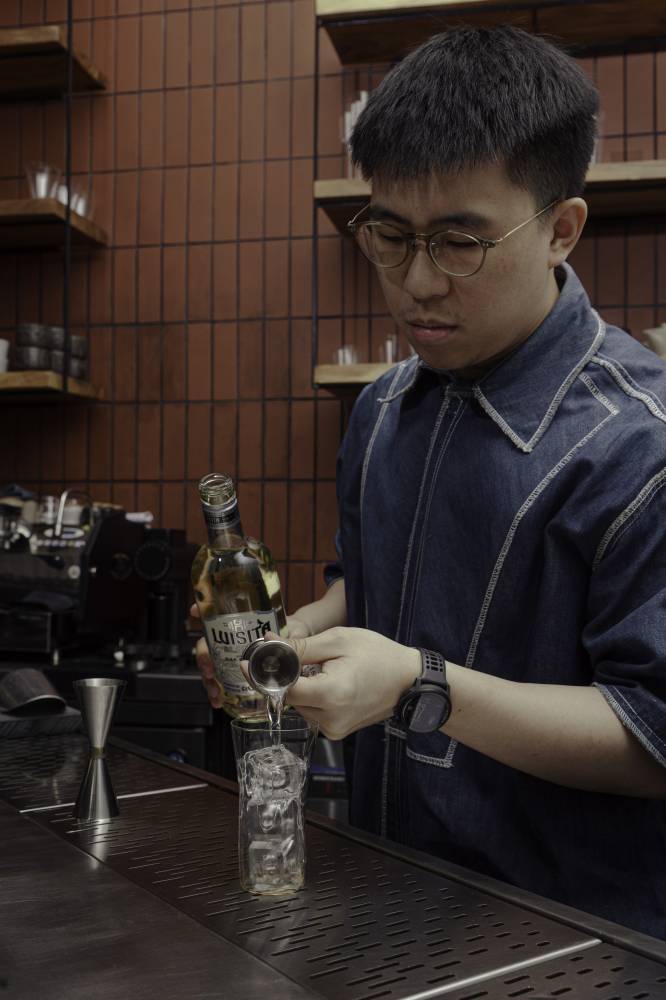
Last Leaf—a riff on his personal favorite, the Last Word, a Prohibition-era cocktail—offers a glimpse into his thinking. Traditionally made with gin, green Chartreuse, maraschino liqueur, and lime juice, the formulation is known for its bright acidity and pronounced herbal depth. At Ito, he reinterprets it through another lens, turning his attention to the aromatic potential of fresh leaves.
Here, mulberry and taugtog form the foundation. Mulberry provides a gentle, tea-like quality without caffeine, while taugtog, a native leaf more commonly associated with its berries, brings a layered fragrance: cool and lightly mentholated with hints of cola. Rather than relying on spirits as the backbone, he lets these elements define the drink’s shape.
Rethinking structure
Resistance to lower-proof and alcohol-free drinks often comes down to a perceived lack of fullness. In response, he looks to both flavor and texture, building cocktails that feel complete even without alcohol’s weight.
Against the wider backdrop of mindful drinking, Alex Tiutan, co-founder and creative director, has noticed a subtle shift among their clientele. “Our regulars who typically gravitate toward higher-ABV cocktails are now curious to try lower-ABV alternatives,” she says.
Dialing it back
Rather than ramping things up, Tiutan has chosen to pare things back. Earlier this year, Ito introduced a new format. Once a reservations-only tasting menu, the space now welcomes walk-ins and offers an à la carte selection, allowing guests to drop in more casually.
For him, the decision reflects an evolving relationship with hospitality itself. “We wanted something a bit more relaxed,” he says. “To remove limitations from the types of beverages we create.”
With the updated format in place, a fresh lineup of drinks soon followed. A quick glance at the menu draws attention to the “Re-engineered” category, a section devoted to playful, imaginative reworkings of recognizable cocktails.
One such example is Chesa, a drink built around egg fruit. Originally conceived by a former member of the team, Chesa is finished with a small addition of clairin, a Haitian rum made from fresh sugarcane. The effect is a note of funk, with just a touch of booziness.
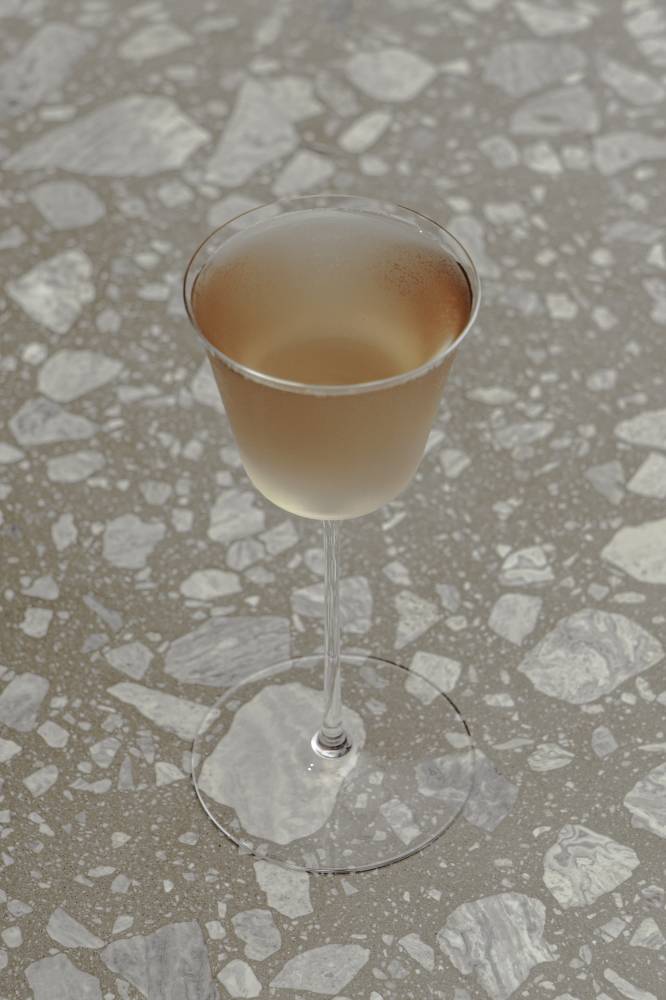
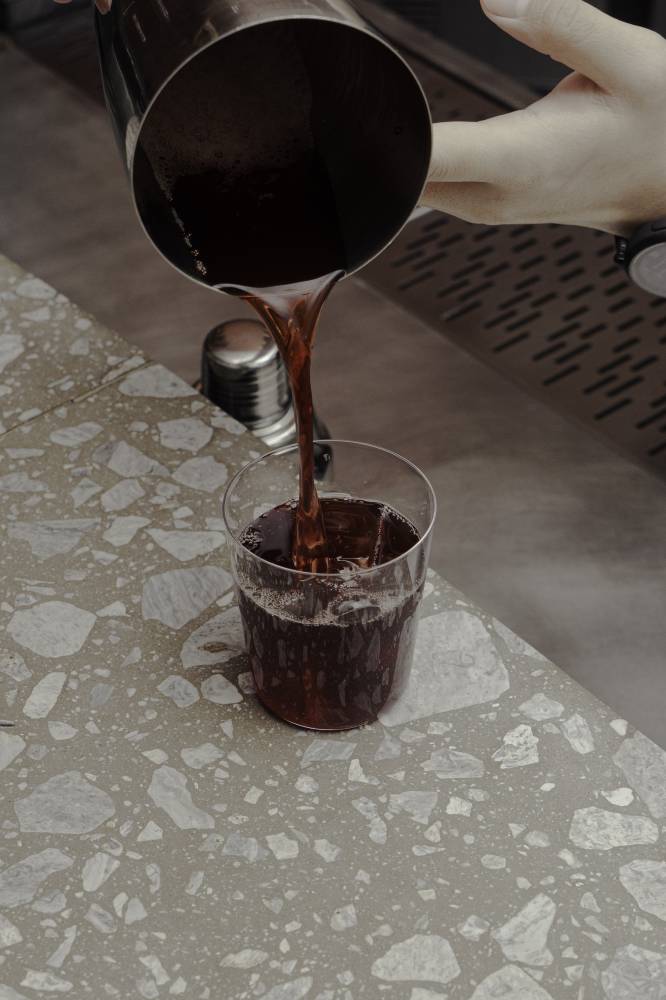
Cascara and Bitters is a similarly light option. In developing the recipe, Tiutan turns to Campari, an Italian aperitif whose moderate strength gives it room to contribute structure and bitterness without overwhelming the drink. At the heart of the composition is cascara, the dried husk of a coffee cherry. To bring its deep red profile into focus, he layers in fruit-driven accents, including a shrub made from sampinit, a local raspberry, alongside a syrup of strawberries and Sichuan peppercorns.
Centering simplicity
In practice, their guiding principle has narrowed toward simplicity. “I want to keep things round and easy to drink,” he says.

Even as Tiutan takes care to give equal weight to low-ABV and non-alcoholic options, he sees them as part of a broader ecosystem rather than an end in themselves. That said, his appreciation for a well-made, boozy cocktail remains intact.
Keeping good company
Three years in, Tiutan continues to view Ito as a gateway of sorts—inviting guests to approach their drinks with greater thoughtfulness. And that perspective extends beyond the bar.
Designed to foster a calmer, more intimate atmosphere, conversation has always sat at the center of the experience they cultivate. “People come here for company,” he says. “But they also come here to explore.” Looking ahead, he’s driven by the chance to open its doors to a wider range of people, from the curious to the well-versed.
As for Alex, that excitement is echoed in the possibility of further collaboration within the industry, underscoring their long-standing support of local creatives.
In the end, Tiutan and his team aren’t offering a prescription, but an invitation: to slow down and enjoy the glass in hand.
This story was originally published in F&B Report 2026, issue 1


