







Intentional travel trends in 2026

Travel isn’t simply about ticking destinations off a list anymore—it’s also about choosing how you want to live, even temporarily. After years of overpacked itineraries and sore feet, travelers seem to be slowing down, staying longer, and becoming more intentional with where their time, money, and energy go.
And while value matters, so does rhythm. Now, culture is no longer just a viewing experience but also something to slip into, even if it’s just for a moment. Through food, music, neighborhoods, and even daily routines, travelers are in search of the simplicities of local living.
Together, destinations now reflect how travel is starting to feel less rushed and more personal. Whether it’s about better value, deeper cultural immersion, or finding a pace that feels sustainable, these places offer a different form of traveling in 2026.
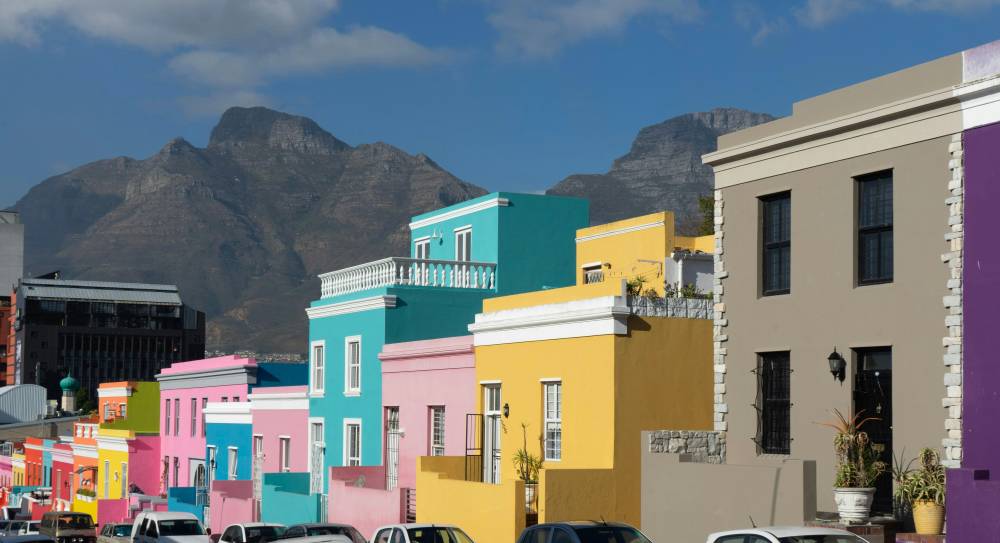
Where value and luxury meet: Cape Town, South Africa
As travel costs continue to rise, value in 2026 isn’t really about going cheap; it’s about choosing places where everyday experiences and costs don’t constantly feel like a splurge. Cape Town makes a strong case for traveling far in exchange for that balance. It’s a place of good food, good vibes, scenery, and a sense of space that is part of a daily lifestyle.
A typical day might include a coastal walk along Sea Point, lunch at a neighborhood cafe on Long Street, and a short drive out to the winelands, where tastings remain relatively accessible. Even within the city, Cape Town’s creative communities, markets, and natural surroundings make it easy to build full, varied days without heavy spending.
It’s the kind of place where indulgence goes hand in hand with daily life rather than being reserved for special occasions.
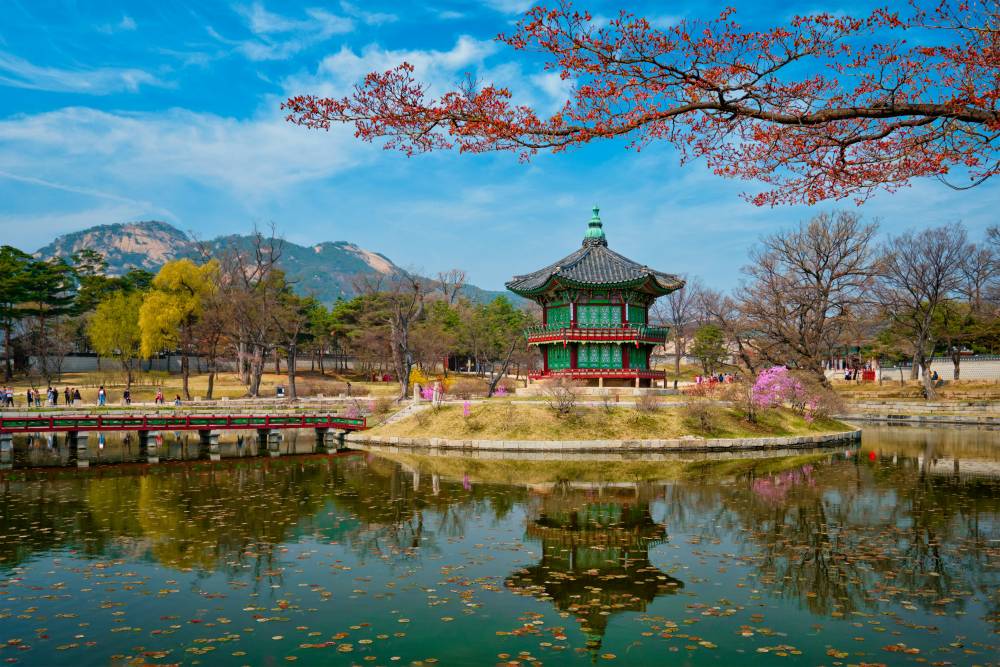
A daily cultural immersion: Seoul, South Korea
In Seoul, culture does not announce itself. Instead, it manifests quietly, in the ways the city moves throughout the day. This city rewards travelers who are interested in immersing themselves in a different way of life. Much of Seoul’s rhythm revolves around food, drink, and its communities.
Drinking in Seoul is rarely a solo activity. You’ll often see office workers crowd into barbecue joints after long days, tables filled with soju bottles and shared plates, while conversations grow louder as the night goes on. There’s a rhythm to it, pouring drinks for one another, refusing the first glass out of politeness, moving from dinner to a second or third location as the night continues.
Late nights spill into noraebang (karaoke) sessions, convenience store stops, or quiet walks around residential streets. Even during the day, Seoul’s pace reflects this after-hours culture, with late mornings, packed lunch spots, and cafés serving as informal extensions of home and work.
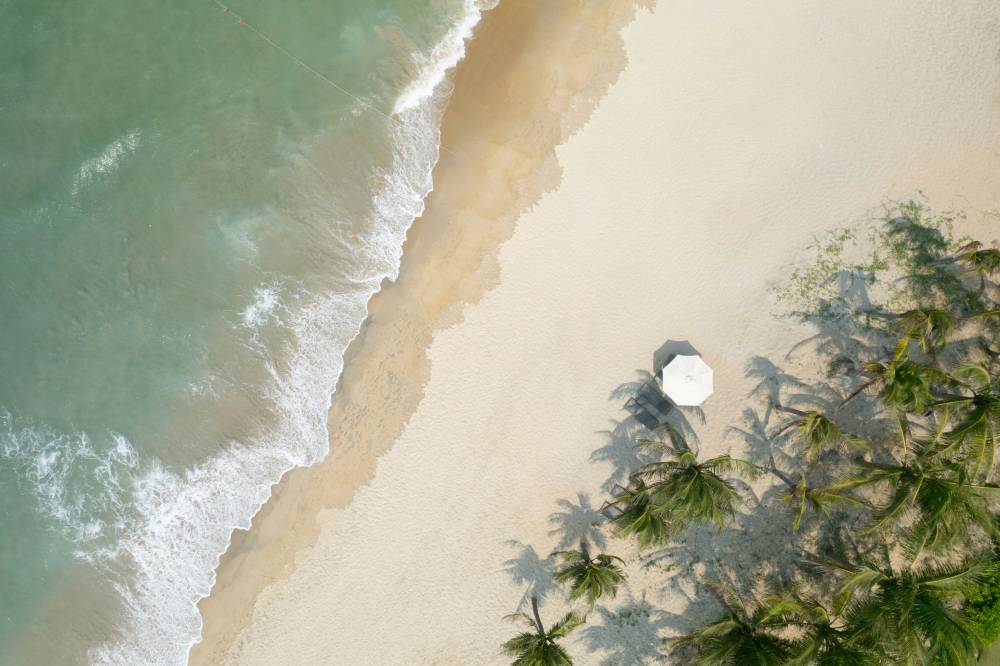
A slow pace: Da Nang, Vietnam
Not every destination demands a quick pace. Da Nang falls under this category, where the appeal is in staying put long enough for the days to repeat themselves. Moving away from a busy itinerary, the city creates a space for schedule and calm.
Mornings tend to start early at cafes and by the beach, where the people swim as the sun comes up. Afternoons continue slowly, shaped by the heat and extended lunches, while evenings bring the people back outside to enjoy the soft breeze along the rivers, food stalls setting up for the night, and the sound of motorbikes filling the street.
The appeal of Da Nang reveals itself in how comfortable and “lived-in” it feels. This traveler’s lifestyle looks forward to how days begin to look alike in the best way, shaped by habits instead of landmarks. Once the peace sets in, there’s very little reason to disrupt it.

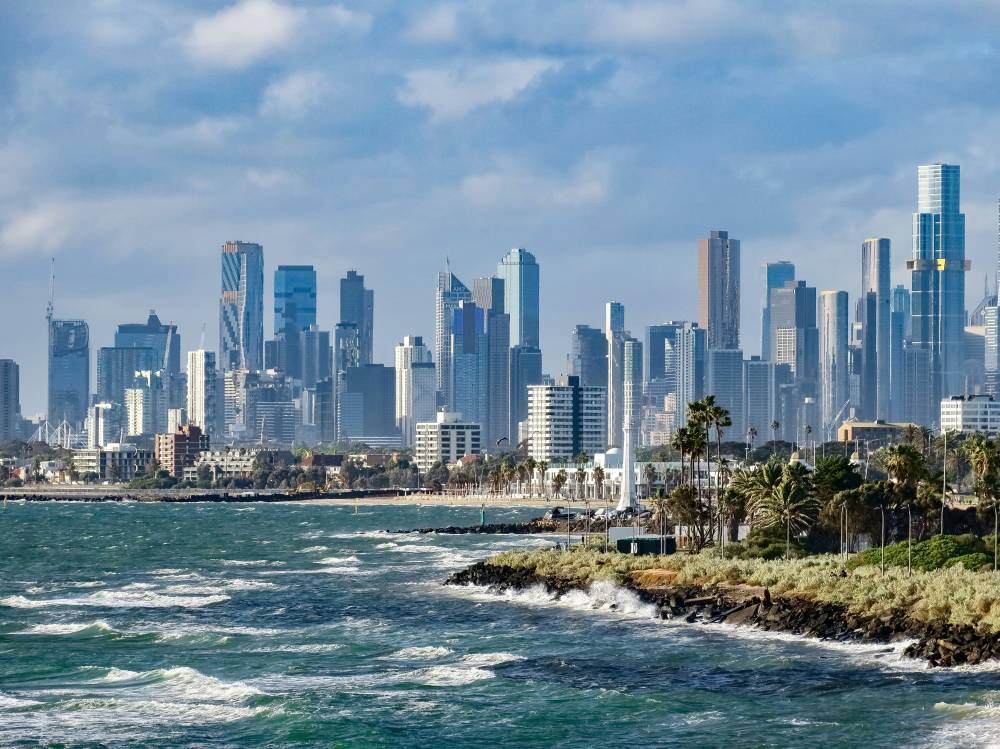
Remote-friendly, urban living: Melbourne, Australia
As remote work becomes the new normal, the lines have blurred between travel and everyday life. Cities that support routine and daily habits cater to today’s digital nomads. Melbourne is the perfect destination for a lifestyle stay—to settle in, even temporarily, without needing to rearrange your life to do so.
Days here can revolve around small, reliable pleasures. Cafes that double as work spaces, long walks through local parks, and tram rides replacing long commutes. What makes Melbourne perfect for this type of traveler is the absence of pressure to constantly optimize your time. Instead, it embraces a steadier pace where travel folds into workdays and weekends, and the pressures of real life.
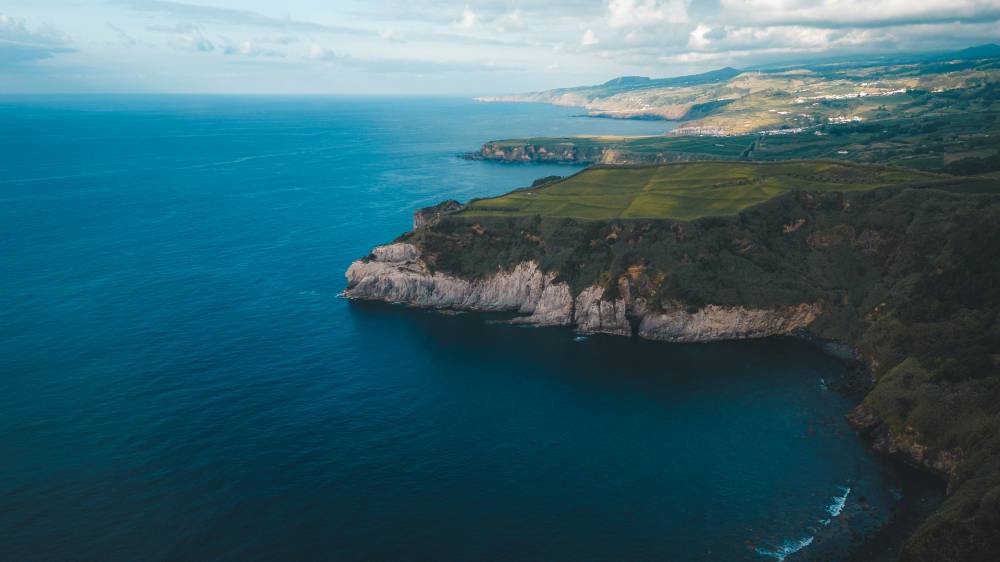
Nature-led restoration: The Azores, Portugal
In such an overwhelming time, wellness travel looks completely different in 2026. Travelers no longer look for spas and treatments and instead, look toward the natural world to heal. The Azores, an archipelago in the center of the Atlantic, offers exactly this.
Days here revolve around the landscape. Among many things, it offers geothermal hot springs, thermal ocean pools, and tea plantations. Meals here are unhurried and made with simple local ingredients, showcasing their natural appeal. Here, there is space to move, time to rest, and the opportunity to heal.
Rhythm over rush, experience over excess
Travel is appealing to just about everyone, but the ways in which we choose to experience it vary. In 2026, these choices are becoming more intentional, shaped by different wants and needs. Some travelers are drawn to value and immersion, while others are looking for a slower pace or time to reset.
Together, these shifts point to a style of travel that values rhythm over rush, and experience over excess.