












Is the high heel dying again?


Fashion loves declaring the end of the high heel. Every few years, the obituary resurfaces: the stiletto is over, practicality has won, comfort has finally defeated glamour. And yet the heel has survived every supposed extinction. It reappears on runways, climbs back onto red carpets, and quietly returns to closets.
Still, something feels different this time.
Step outside the runway bubble and the ground tells a different story. Street style—the real laboratory of modern fashion—has flattened. Ballet flats, loafers, kitten heels, and sleek sneakers now anchor the majority of everyday outfits. The towering stiletto has not disappeared entirely, but it no longer dominates the way it once did.
Part of the shift is practical. After the pandemic reshaped daily routines, comfort became less of a trend and more of a baseline expectation. According to consumer retail reports in recent years, flat shoes and sneakers have consistently outsold high heels in global footwear sales, with flats and casual styles accounting for well over half of women’s footwear purchases. In contrast, demand for traditional high heels has steadily declined since the late 2010s, especially in markets where hybrid work and lifestyle dressing have blurred the line between office and leisure.
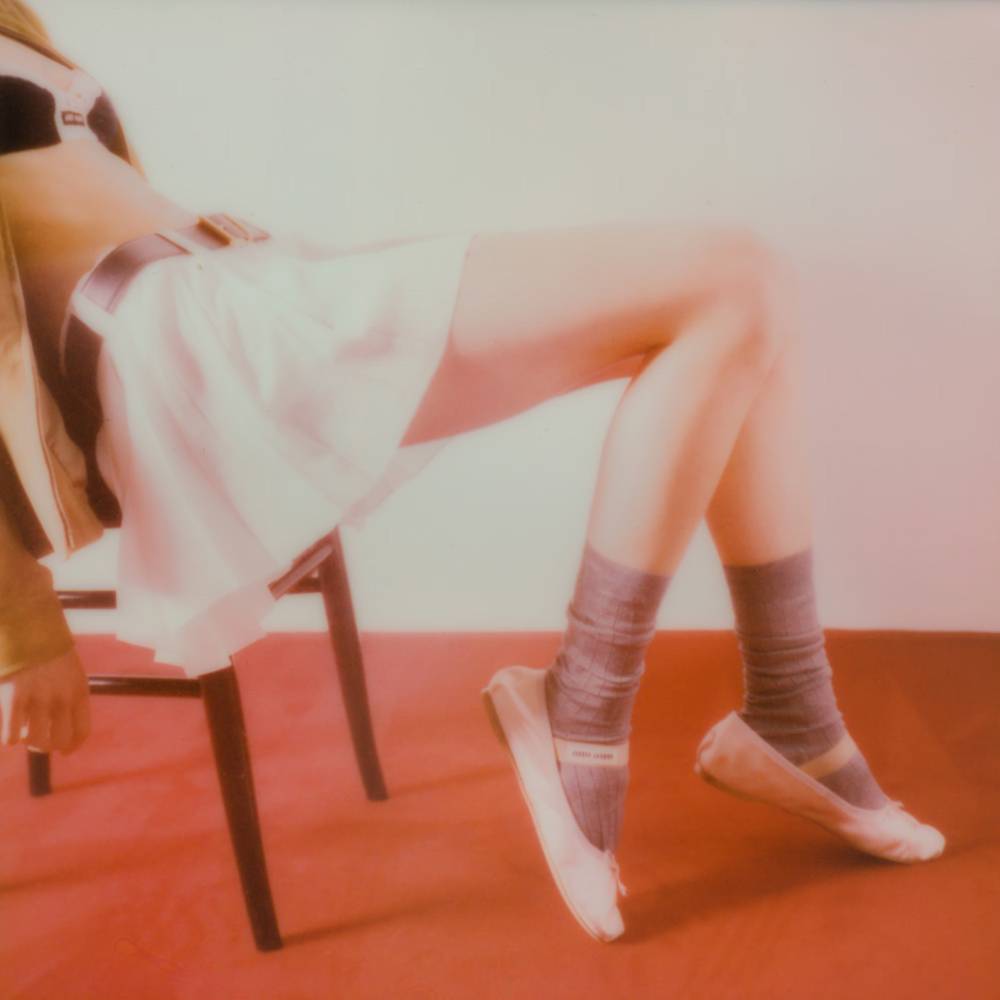
The cultural shift shows up clearly in street style. Ballet flats—once dismissed as overly sweet or even outdated have returned as a defining shoe of the moment. The revival of ballet silhouettes from Miu Miu, especially satin flats and logo-strap versions, helped reposition the shoe as fashion-forward rather than purely practical. Styled with oversized blazers, long skirts, or loose denim, the ballet flat suddenly reads less “safe” and more intentional.
At the same time, loafers have quietly taken over as the modern alternative to the classic pump. The chunky leather loafers introduced by Prada became one of the most photographed shoes during fashion weeks in the last few seasons. Worn with sheer socks, tailoring, or evening pieces, the loafer now carries the same authority the stiletto once symbolized—just without the imbalance.
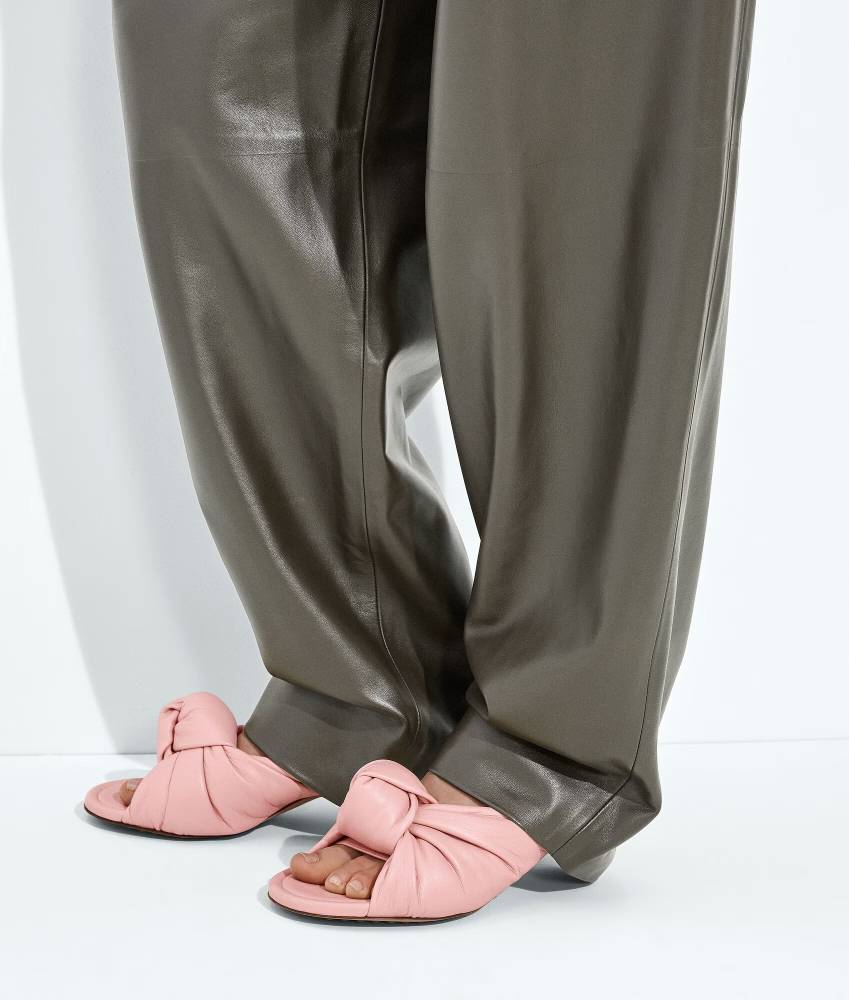
Even when elevation returns, it does so modestly. The kitten heel, once considered the awkward middle ground between flats and stilettos, has been reintroduced by designers as a sleek compromise. Low heels from houses like Bottega Veneta demonstrate how a shoe can still feel refined without demanding height. They lift an outfit slightly while preserving the grounded proportions that dominate contemporary styling.

Those proportions matter. Today’s silhouettes—oversized coats, relaxed trousers, long skirts—naturally sit closer to the ground. A towering heel can interrupt that visual balance, making an outfit feel overly formal or disconnected from the relaxed shapes surrounding it. Flats and low heels ground these silhouettes. They complete them.
There is also a deeper cultural recalibration taking place. For decades, the high heel symbolized a specific kind of power dressing. The sharp pump was the visual shorthand for professionalism and authority, especially in corporate environments where formality defined credibility. But as office culture shifts toward flexibility, creative industries expand, and dress codes loosen, that visual language has softened.
Authority today often reads as ease rather than effort.
Loafers accomplish that. Flats accomplish that. Even the kitten heel suggests composure without spectacle.

None of this means the high heel has disappeared. It still thrives where fashion leans into drama—evening events, editorials, red carpets. But it now feels less like an everyday expectation and more like a deliberate choice.
And that might be the most significant change of all.
Fashion cycles rarely eliminate something entirely. They reposition it. When a piece disappears from daily life, it often returns later with renewed impact. The high heel has survived too many cycles to vanish completely.
For now, though, the ground is winning.
And in a moment when fashion seems increasingly interested in clothes that move with real life—not against it—staying closer to the ground feels less like a compromise and more like a natural evolution of style.


