











Is your makeup still safe?

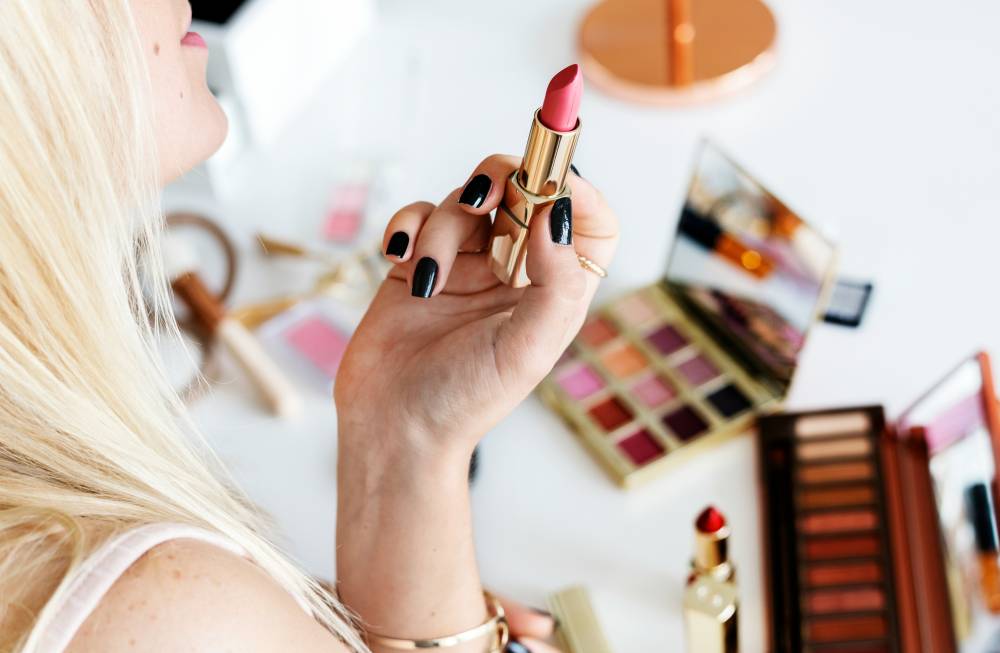
I’ll be the first to admit that I’m guilty of keeping makeup products long after I’ve stopped using them. A limited-edition compact that feels too pretty to toss, a lipstick I once adored but haven’t reached for in months, or a foundation that’s somehow survived three declutters.
And I know I’m not alone.
There’s a loyalty we form with the products that get our faces ready for the world. A blush that never fails, a concealer that rescues every late night, a mascara that has seen us through months of mornings. But beauty, as it turns out, isn’t timeless. Formulas shift. Pigments lose their punch. And sometimes that favorite product quietly crosses the line from trusty essential to something your skin would rather avoid.
Most beauty lovers don’t deliberately hold on to expired makeup; it simply happens. Products live in handbags, desk drawers, and vanity corners, long past their prime because nothing looks obviously “wrong.”
Yet freshness plays a crucial role in both performance and skin health. If you’ve ever wondered whether it’s time to let something go, here’s a guide to navigating makeup expiration with confidence.
How to read PAO dates
If you look closely at your makeup packaging, you’ll find a small open-jar symbol stamped with a number such as 6M, 12M, or 24M. This is the Period After Opening (PAO), and it tells you how long the formula remains stable and safe from the moment you unseal it.
Unlike a traditional expiry date, the PAO reflects real-world use—whether it’s the air exposure, swiping, dipping, or temperature changes that gradually weaken a product’s integrity. Mascaras, liquid liners, and creamier formulas usually sit around the six-month mark, while foundations, lipsticks, powders, and blushes often remain safe for a year or two.
But if you’ve forgotten when you opened something, your senses will almost always reveal the truth.
The signs of aging
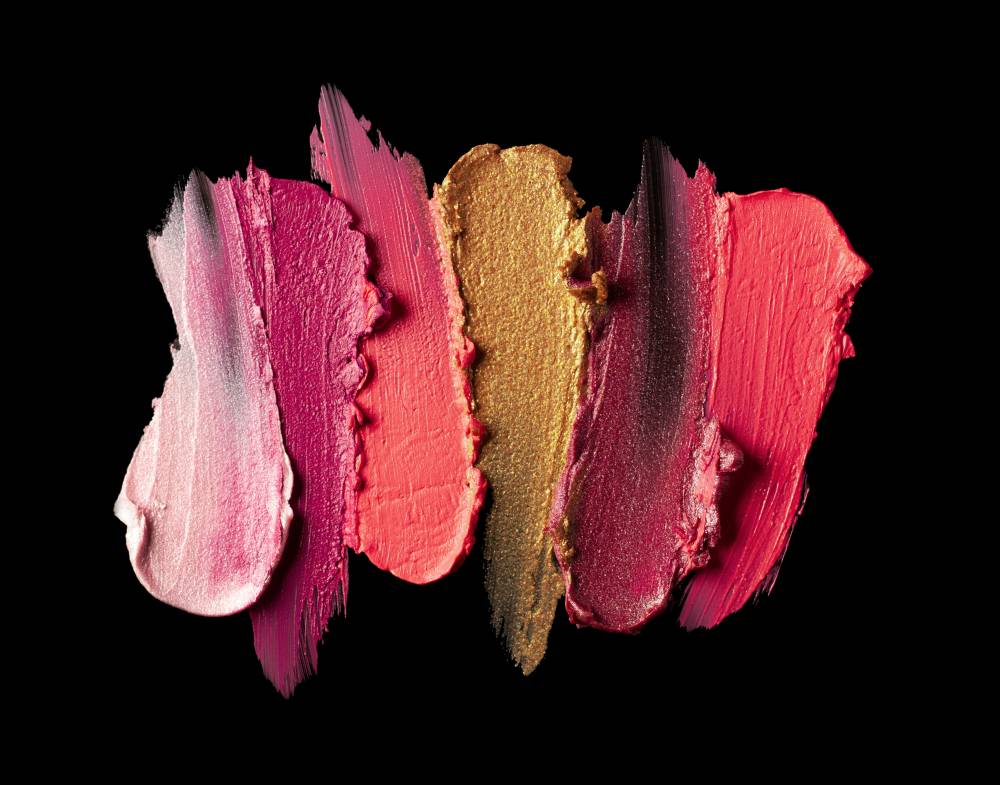
Makeup shows its age in subtle ways. Before consulting any timeline, pay attention to changes in texture, smell, color, and how the product behaves on your skin.
A once-smooth foundation that has separated in the bottle, a mascara that suddenly feels thick or clumpy, or a cream product that has turned grainy all signal that the formula has begun to break down. Shifts in scent are another sign: any sour, musky, or unusual aroma often suggests oxidation or bacterial growth. Pigments may fade or darken, particularly in base products exposed to light and air.
And if a once-loved product starts causing irritation or surprising bouts of congestion, it’s often because its composition is no longer what it used to be. When something feels off, it usually is.
Not all formulas age at the same pace. Products that contain more moisture, such as mascaras, liquid eyeliners, cream blushes, and liquid lipsticks, are naturally more prone to bacterial growth and have shorter lifespans. Meanwhile, powders like blush, bronzer, and eyeshadow, as well as pencil liners and traditional lipsticks, tend to remain stable for longer.
Even so, every product eventually reaches a point where it no longer performs as it should.

Daily habits that shorten a product’s lifespan
Expiration dates, however, are not absolute. They serve as guidelines rather than strict rules and often depend on how well you care for a product. These best-before dates assume ideal storage and usage conditions, but many everyday habits unintentionally shorten a product’s life.
Keeping makeup in a hot, humid bathroom exposes formulas to constant temperature fluctuations that accelerate deterioration. Pumping a mascara wand forces air inside and causes it to dry out more quickly. Dipping fingers directly into jars gradually introduces bacteria, even when hands are freshly washed.
Sharing products, especially those for the eyes or lips, adds another layer of microbial exchange that compromises both safety and performance.
This becomes even more relevant for those who love to collect makeup and rarely finish a product, unless they absolutely adore it. Larger collections naturally mean more items sit untouched for longer periods, making proper care essential.
Storing products in cooler, dry spaces, keeping caps tightly closed, using clean tools, and rotating through your favorites help extend freshness far more reliably than any printed expiration date. Thoughtful habits keep formulas stable, textures consistent, and your collection enjoyable to use rather than just admire.
Keep it fresh without overthinking it
You don’t need a complicated system to keep your makeup in good condition. Writing the opening date on the bottom of a product with a fine-tip marker can be surprisingly helpful.
Meanwhile, a seasonal clean-out allows you to reassess what still feels fresh and what no longer serves you. Wiping down packaging prevents residue from building up. Lightly sanitizing powders with a cosmetic spray helps extend their usability.
These simple practices make your makeup bag feel more intentional, more organized, and far more skin-friendly.
Expired makeup does more than simply underperform. It can place stress on the skin, disrupt the moisture barrier, and introduce bacteria that lead to irritation and breakouts. Letting go of old products isn’t wasteful; it’s protective. It keeps your routine safe, your complexion comfortable, and your beauty practices aligned with how you want your skin to feel.
Makeup is meant to help you look and feel your best, and part of fulfilling that promise relies on freshness. Understanding expiration dates isn’t about fear or fuss—it’s about cultivating a routine that supports your skin and encourages healthy habits.