






It’s a tough time to be a creative

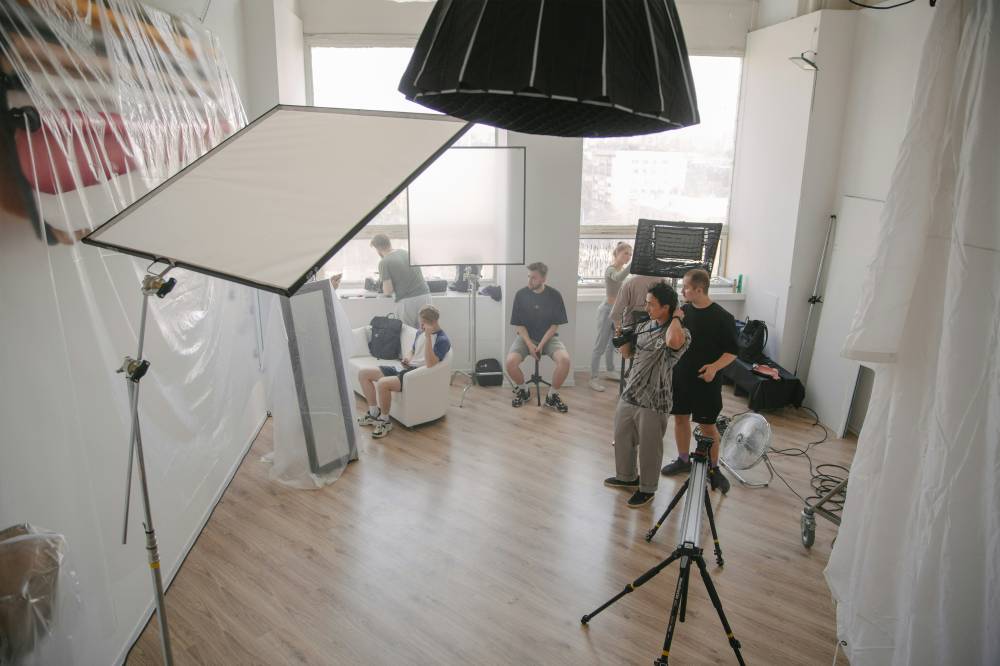
Creatives don’t have it easy these days, or any day for that matter. In fact, Filipino culture has historically looked down upon writers, historians, designers, and any degree not named engineering, business, or nursing. The “walang pera diyan” mindset has affected how we value creative works, treating them as easily-produced, cheap, and made without much effort—think of the instances of “picturan mo nga kami,” “pasulat nga,” or “pagawa naman ng poster,” as if it were an errand you could do without thought.
All the more today: photographs, videos, and entire articles produced with a single press of a button. Creatives aren’t only fighting for greater recognition and improved salaries. They’re fighting for their very right to existence.
But, where do you go when even one of the country’s top magazines (allegedly) doesn’t pay its creatives on time, if at all?
Creatives speaking out
Vogue Philippines has recently come under fire after several Filipino creatives voiced their negative experiences with the local magazine.
On Dec. 30, 2025, Modesto III Banzon, a photographer based in Rome, shared that a project he worked on in March 2024 has yet to be paid for. He noted a tedious email exchange where payments by the publication wouldn’t meet the discussed deadline and would not go through for no apparent reason. “On Dec. 5, 2025, an email said to please note that the payment will be wired next week. Five days later, I received the last email from them stating that they are looking to wire the payment before Christmas,” said Banzon on an Instagram post dated Dec. 30, 2025.
“I am grateful for the opportunity to work with [Vogue Philippines] on different occasions. But I wish you would treat creatives with respect. I hope you pay creatives on time,” shared Banzon.
“Working freelance is already difficult, and this system makes it even harder to survive in this industry. I hope no other creatives experience this in the future, and I hope that this is just an isolated case,” he added.
(Editor’s note: On Jan. 6, 2026, Banzon shared an update via a pinned comment on the same post, saying that Vogue Philippines reached out to him via email the day after posting on Instagram and confirmed that he has received the payment).
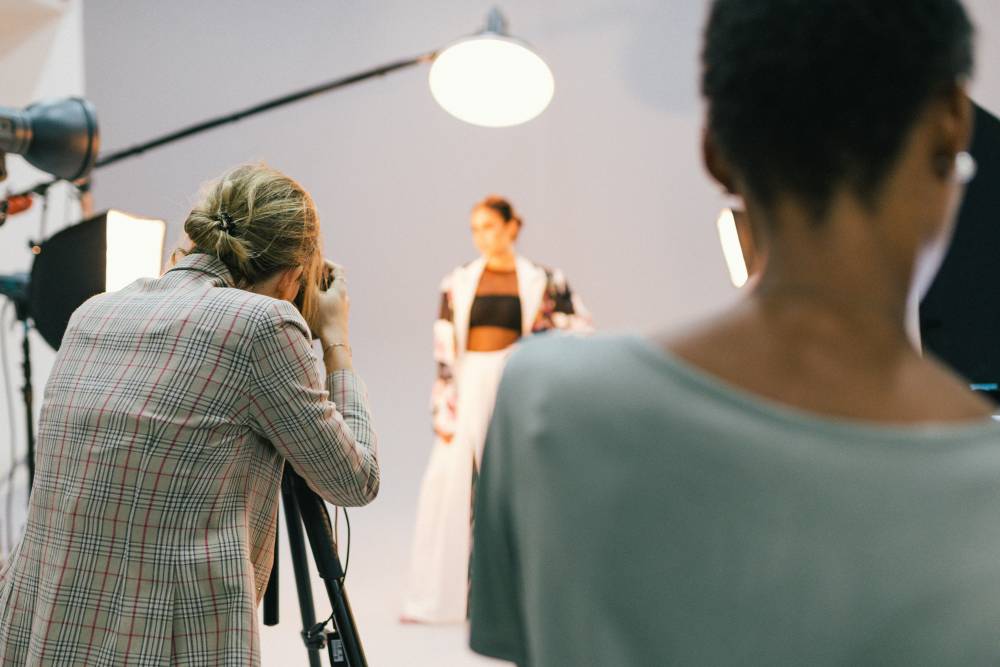
Meanwhile, Jm Tubera, a photographer based in Australia, proved that it isn’t an isolated case. While not necessarily an issue of payment, it showed a trend characterized by a lack of communication. “Up to now, I still can’t believe this happened with a magazine that’s supposed to celebrate Filipino talents and creatives,” said Tubera in an Instagram post.
These testimonies inspired several more creatives to share their experiences. Mox Santos, a photographer based in Dubai, shared that the publication asked his team to produce a shoot. It was never published, and they never got the allowance they were promised. “We all wasted our time and got our hard work unpublished, never got the allowance promised, took out almost $2.5k from my own pocket.”
Jill Damatac, a published author based in California, was asked to write a piece on books by diaspora authors. “I did it within the deadline (I think a week). I did not hear from her after. I followed up and she said that the piece was pushed back; weeks later, they published a similar piece by another writer. I never heard from the editor again.” Damatac’s work was never published, and neither was she paid for the work she did.
It’s the whole damn thing
Unfortunately, this isn’t an isolated case involving just one publication. According to a freelancer we’ve previously worked with—whose identity will be kept anonymous for the sake of privacy—they’ve experienced lapses in payment with several titles under AGC Power Holdings Corp. (AGC PHC), a lifestyle media holding company that also has Rolling Stone Philippines and Billboard Philippines, among others, under its portfolio.
According to them, work dated back to 2024 has yet to be paid for, and they’ve also received little to no updates for several other pending payments for other already-finished projects. As of writing, the contributor claims to be owed just a little under a hundred thousand pesos.

Meanwhile, another freelancer we spoke to explained that the company has a history of failing to deliver on paid projects. For example, they enter into an agreement with a client. The exchange: X number of articles and social media posts for a specified amount. In some cases, delivery falls short of what is promised.
“This has been talked about, and is pretty common knowledge at this point,” they added.
It be your own people
This isn’t exactly breaking news for Manila’s creatives. Way before these experiences came to light, it was practically an open secret, with several writers, stylists, and photographers we’ve worked with, voicing similar experiences albeit in private and off the record.
But as you have probably noticed, those who’ve publicly come out with their stories are mostly Filipinos based abroad with their own set of networks and connections. Meanwhile, the additional testimonies from local creatives were shared under the condition of anonymity.
Regardless, these reveal not only poor business practices but a lack of respect for creatives in general. For an industry facing the risk of obscurity, you’d at least expect proper treatment of writers, photographers, and stylists better than those who wouldn’t understand the value of creative works.
But unfortunately, it is your own people sometimes.