











Know your shape, rock your look

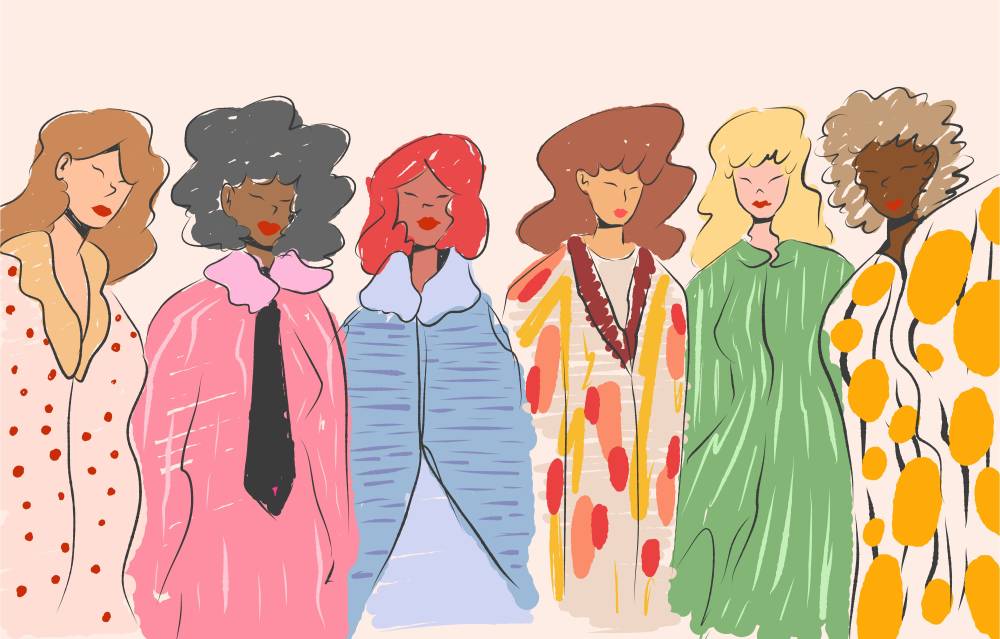
The way clothes fit isn’t just about height or size. It’s also about proportions—the quiet geometry of your body. Your torso length, leg ratio, and the way your shoulders and hips align all shape how an outfit sits, moves, and ultimately feels on you. Style lives in those details.
In fact, some people even pay up to P20,000 for a professional body analysis. But the truth is, you can learn a lot about your own proportions at home with a measuring tape, a mirror, and a little patience.
Your body is also constantly changing, so understanding it yourself allows you to adapt your style as you grow, shift, and evolve.
Understanding proportions
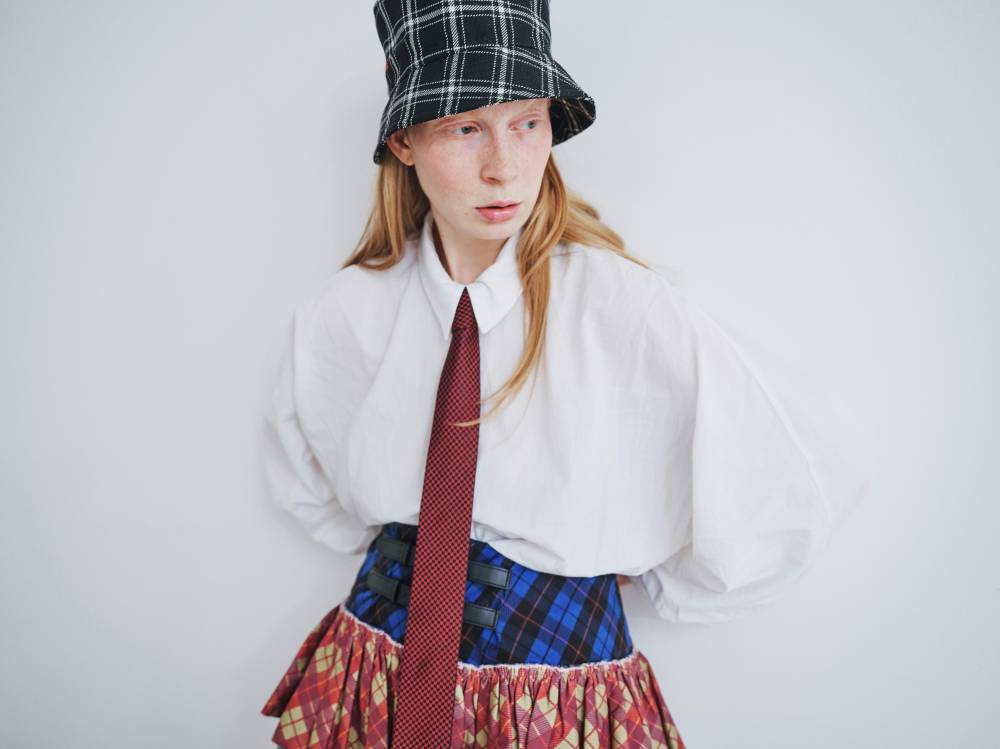
Let’s start with the torso-to-leg ratio. This matters more than most people realize. If you have a longer torso, high-waisted pants often fall at your natural waist, creating a clean, balanced line. If you have a shorter torso, those same pants can rise too high and visually “take over” your midsection. In that case, low- to mid-rise styles can help elongate your torso and create a more fluid silhouette. Neither is better. They’re simply different design puzzles with different solutions.
Now look at shoulder-to-hip proportions. Ever tried on a blazer with shoulder pads and suddenly felt top-heavy? That feeling isn’t only about shoulder width—it’s also about how your shoulders relate to your hips. If your hips are narrower, your shoulders may appear broader in comparison, even if they aren’t objectively “wide.” This is one of the reasons copying someone else’s outfit, stitch for stitch, doesn’t always work. The same garment tells a different story to everybody.
It’s also worth remembering that what you see online isn’t always a fair comparison. A 2023 study published in the National Library of Medicine found that frequent use of image-based social media and appearance-focused motivation are linked to higher levels of body dysmorphic symptoms in young people. In simple terms, the more we scroll and compare, the easier it becomes to feel disconnected from our own bodies.
So when an outfit feels “off,” it’s not about your body at all. It’s just a proportion mismatch. Which makes it all the more important to understand your body shape.
Decoding body shapes
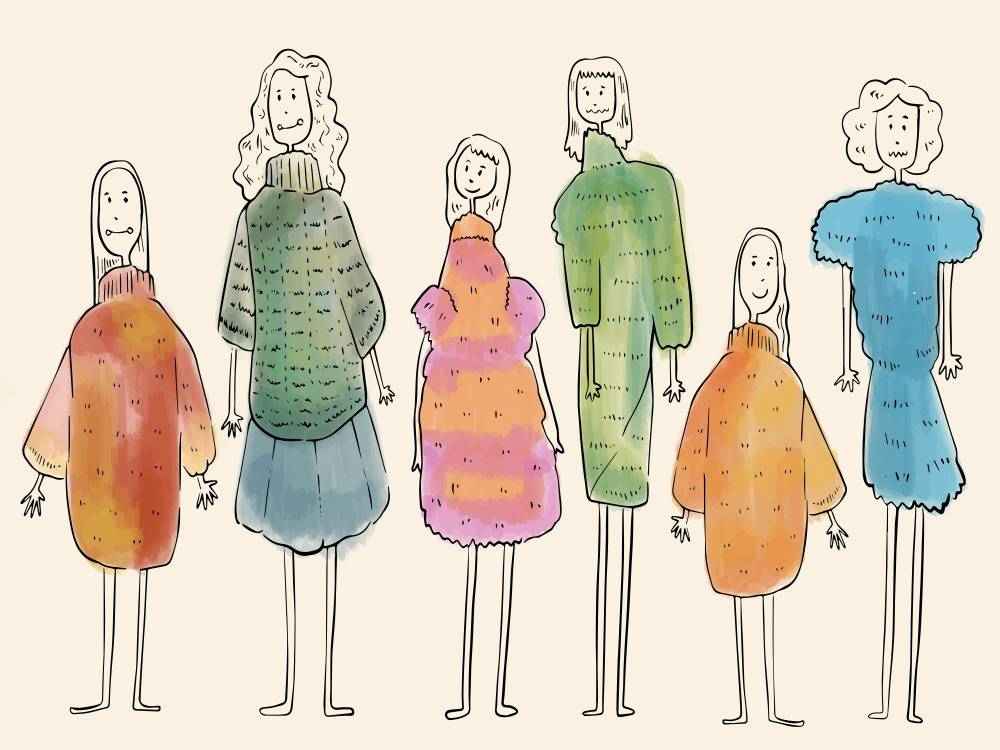
To make sense of these differences, fashion often talks about “body shapes” or “body type.” These aren’t boxes to trap yourself in, but loose maps that help you understand where your volume and lines naturally sit and to better understand your body.
Hourglass shape: features shoulders and hips that appear balanced, accompanied by a more defined waist. Clothing that follows the body’s natural curve—wrap dresses, belted silhouettes, and softly tailored pieces—often highlights that harmony. You need to ensure that you don’t unbalance the body frame by making it either top- or bottom-heavy.
Pear shape: carries more volume through the hips and thighs, with a narrower shoulder line. Adding visual interest on top—through texture, color, or structure—can create balance, while clean lines on the bottom keep the look grounded.
But over time, I realized that clothing can actually complement the natural contours of your body and face, creating a harmonious look. Fashion can highlight and celebrate your shape instead of masking it.
Apple shape: tends to hold fullness through the midsection, with slimmer legs or hips. Pieces that skim, like flowy tops, open necklines, or structured layers, can create length and ease through the torso.

Inverted triangle shape: broader at the shoulders with narrower hips. Softer tops, open necklines, and fuller or wider-leg bottoms can help shift the visual weight downward.
These shapes exist across all sizes, heights, and bodies. You can be petite and pear-shaped, plus-sized and rectangular, tall and apple-shaped. But the labels don’t define you. They simply offer a starting point for understanding how fabric, cut, and proportion interact with your frame.
Wear your shape and own it
Here’s the part fashion rarely says out loud: There is no “ideal” shape and proportion. Whether you’re straight-sized, plus-sized, curvy, lean, tall, or small, your body is not a problem to be fixed. It’s a form to be styled, explored, and experimented with.
The key to effortless style is understanding how your own lines, curves, and ratios work with clothing. Getting dressed should make you feel more like yourself. When you understand your shapes and proportions, you’re not dressing to hide—you’re dressing to express.
Ultimately, fashion is less about fitting into something and more about letting something fit you.