









LA-based Filipino director to direct queer Maria Clara short film

Maria Clara is a figure we’re all familiar with. On one hand, she represents the old idealization of Filipino women, holding the traditional virtues of faithfulness, resilience, and modesty. Meanwhile, her tragic end represents what Filipinos endured under Spanish colonial rule, and a cautionary tale on the dangers of extreme passivity.
For a tale as old as the Philippine Republic and one that is repeatedly studied in schools all over the country—the stories of “Noli Me Tangere,” “El Filibusterismo,” and Maria Clara can only be interpreted and reinterpreted so much.
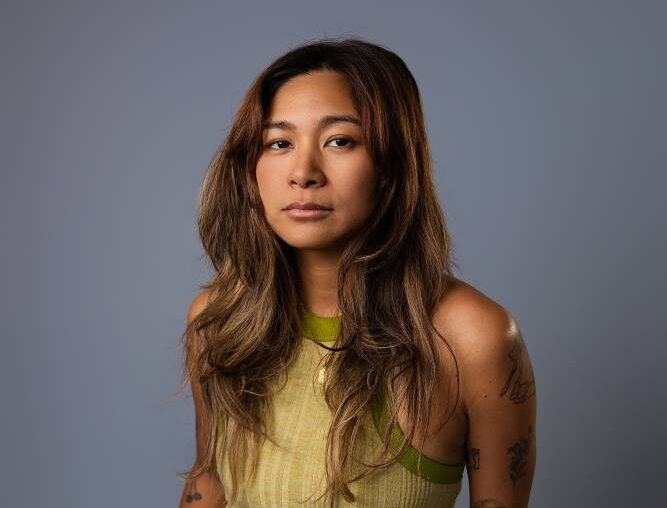
But for Bianca Catbagan, a Los Angeles–based Filipino director, tragedy isn’t all there is to this Filipina literary icon.
Maria Clara reimagined
As part of the 2027 cohort for the American Film Institute (AFI) Directing Workshop for Women+ (DWW+), Catbagan will direct “Royal Blood,” a short film set in the Spanish-colonized Philippines in 1888.
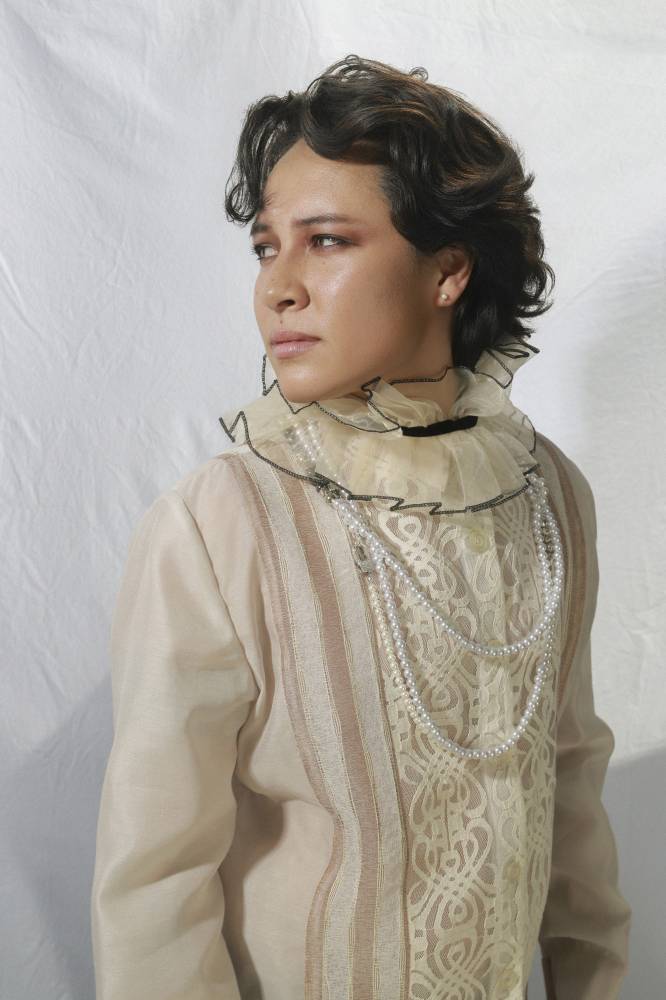
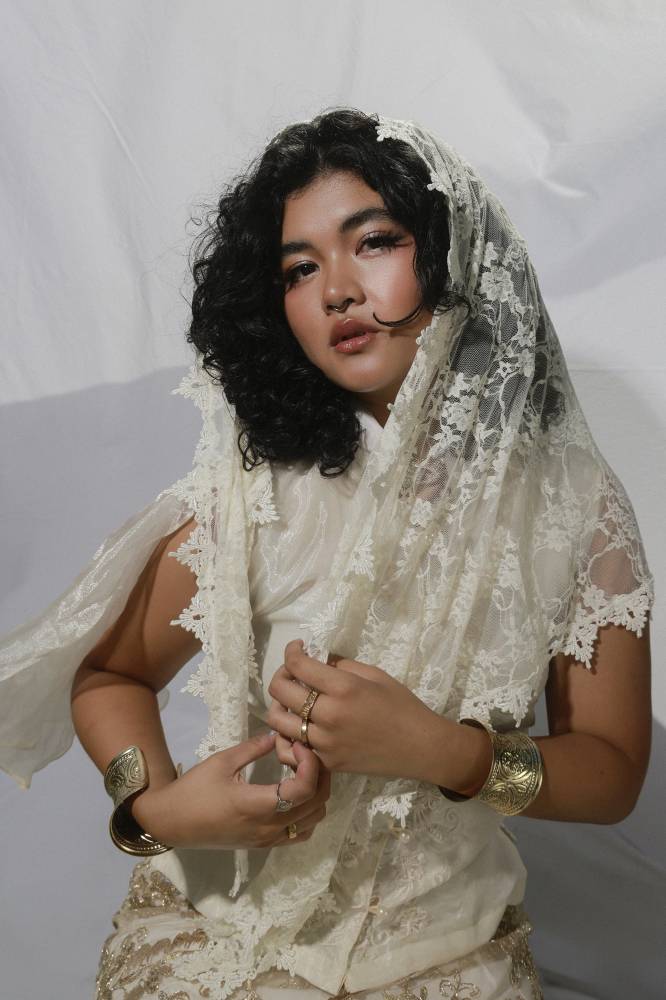
Written by British Filipino filmmaker Andrea A. Walter, the historical drama reimagines Maria Clara through a queer lens and follows on-and-off lovers Victorina and Pepay as they prepare for a grand cotillion. Inspired by the 1988 film “Dangerous Liaisons,” according to Catbagan, “Royal Blood” will explore how Maria’s unexpected arrival will threaten Victorina and Pepay’s relationship.
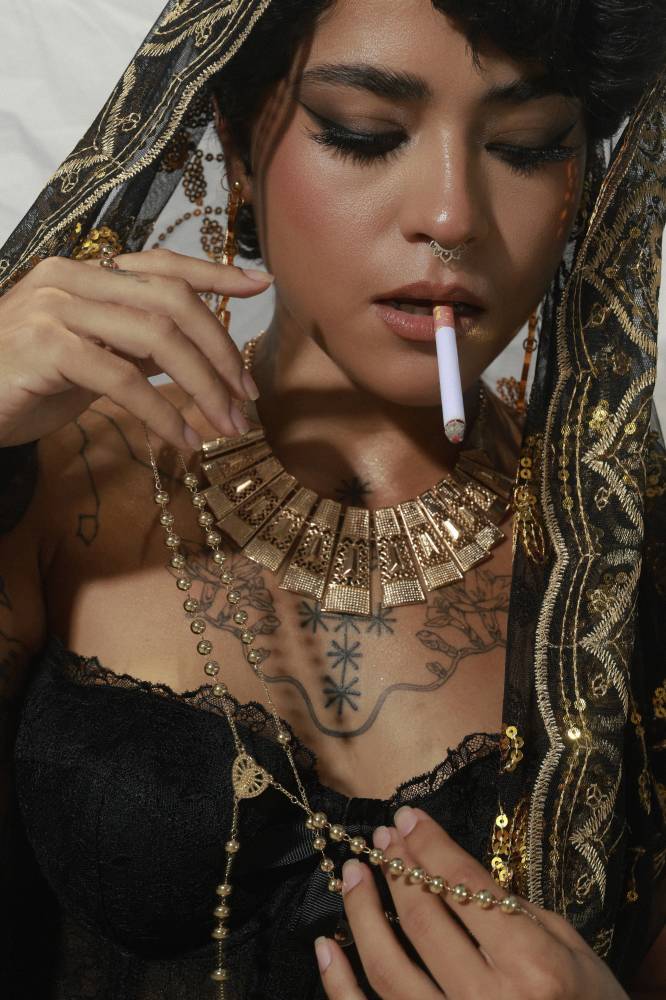
Before its inclusion in AFI’s DWW+ program, Walter’s script had already received early recognition, including a University of Nevada, Las Vegas (UNLV) Department of Film Alumni Seed Grant, support from the Nevada Arts Council, and selection for the “Pitch, Please!” Competition at the Inside Out Toronto 2SLGBTQ+ Film Festival, sponsored by Netflix.
“When I think about babaylan, it shows how there were queer figureheads back in pre-colonial Philippines. I thought it was interesting that we’ve always had that in our nature—that’s something that’s always been very truly Filipino,” shares Catbagan, explaining what drew her to Walter’s script.
“It was about spinning the idealized image of Maria Clara,” she adds. “With ‘Royal Blood,’ I’m reimagining the historical figure of Maria Clara, not as an idealized symbol, but as a rebellious and dangerous woman.”
Celebrity crushes and a digicam
Catbagan finished her undergraduate degree in film and audio-visual communication at the University of the Philippines (UP) in 2010, before heading to Columbia University in 2014 for her Master of Fine Arts (MFA) in Directing and Screenwriting.
While it seems being behind the camera was always in the cards for Catbagan, she shares that it wasn’t the case—and two defining moments led her down this path.
“When I was a kid, I wanted to be an actor because I fell in love with a celebrity on TV. I thought I could be his girlfriend if I became an actor. Another part of it is my dad gave me a camera,” she shares, explaining her roots behind the camera. “Me trying out acting for the first time and having my hands on a camera—those two things side by side were the two parts of filmmaking that I was exposed to.”
“When it came to picking a major in UP, film just felt like the right place to go to. I attribute a lot of my filmmaking experience to my time in UP, and how it shaped so much of who I am.”

The cost of breaking in
Founded in 1974, AFI’s DWW+ program is a tuition-free directing workshop created to address gender inequity in the film industry. Today, the project continues a lineage of Filipino participation in the program that began with filmmaker Marie Jamora, the first Filipino admitted to the workshop.
“Because of her getting into the program, I’ve seen her start directing TV shows—that’s a difficult thing to get into. I feel that in order to break in as an immigrant, you need programs like these,” shares Catbagan, emphasizing the importance of programs like DWW+ for immigrant creatives such as herself.
“It’s an honor to be part of the incredible legacy of female and non-binary directors who have come through AFI’s DWW+ program,” adds Catbagan.
Maria Clara’s tale far exceeds that of the story in which she was originally written in. Beyond lost loves and tragic fates, it captures the feelings of despair and hopelessness a woman endures under a system she has no control over.
Today’s Maria Clara takes shape in various forms, from an underappreciated go-getter in the office to the sole breadwinner in a family that relies on her. Catbagan and “Royal Blood” capture yet another version of the modern-day Maria Clara—not only in the form of a queer person in a society still finding its way to complete and utter acceptance, but also in the form of a Filipina in diaspora, finding her way in a city far away from home.