




Lent, Ramadan, and Holi in the Philippines

As March is quickly coming to a close, let’s recap this month in its religious contexts. March in the Philippines is usually framed by Lent. As a predominantly Catholic country, church services, fasting, and the buildup to Holy Week tend to define the month.
But these days, there’s more than one narrative happening simultaneously. Alongside Lent, Ramadan was being observed across Muslim communities, bringing new daily traditions and routines, while Holi celebrations brought colourful moments in different areas. These observances exist together this month, signaling a religiously auspicious and prosperous time.
Lent: A solemn time for slowing down
Because Lent frames the way March is understood in the Philippines, with around 80 percent of the population identifying as Roman Catholic, its presence is difficult to miss. The season begins with Ash Wednesday, when ash crosses are marked on foreheads, then works slowly toward Holy Week—the most observed period—falling at the end of March into early April.
By then, it is more noticeable. Churches fill throughout the day, and traditions like Visita Iglesia, where people visit multiple churches in a single day, become part of the routine. In some areas, pabasa, the continuous chanting of the Passion of Christ, runs for hours—or even days. Good Friday processions create large crowds, with people walking through streets in coordinated rituals that have been practiced for generations.
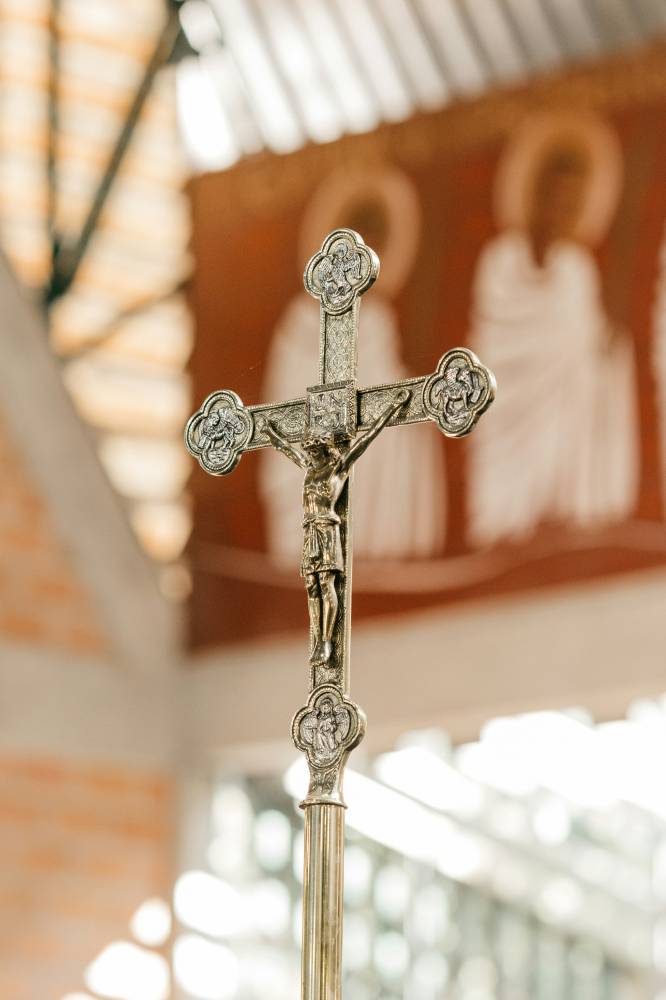
Outside these traditions, the impact of this time is seen in other, smaller ways. Many businesses close or reduce hours during Holy Week, and certain parts of the country noticeably quiet down. Television programming shifts, public spaces empty out, and there’s a general sense of pause.
Lent, in this sense, isn’t just observed; it shapes the pace of the country. It’s structured and widely recognized, deeply embedded in public life and routine.
Ramadan: From fasting to feasting
At the same time, Ramadan was being observed within the Muslim communities in the country. Beginning in mid-February and ending in mid-March, the month is marked by fasting from sunrise to sunset—no food or drink throughout the day. Then, evening rolls around, and families and communities gather together.
In areas like Quiapo, especially around the Golden Mosque, the change is easy to notice just before sunset. Food stalls begin setting up along the streets, and people start gathering, waiting for the call to break their fast. Tables fill quickly with dates, rice meals, grilled meats, and sweet drinks to share between family and friends.
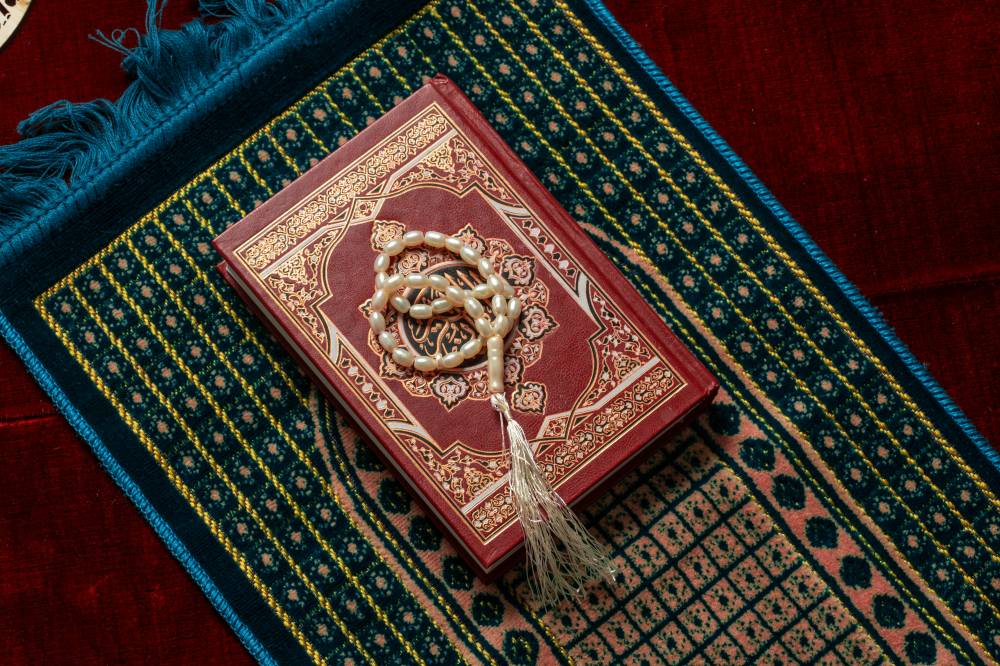
Compared to Lent, Ramadan is less visible on a national level. Its presence is more concentrated in specific areas—parts of Metro Manila, and more prominently in Mindanao, in cities like Marawi, Cotabato, and Zamboanga. In these places, daily schedules adjust more to the religious events, with evenings becoming the busiest part of their days.
And what stands out is how easy it is to miss if you’re not in the right place. These moments don’t always spill into the wider city, but within the communities observing it, the presence is clear and constant.
Holi: Loud, bright, and immediate
Now, earlier in the month, Holi brought a different kind of energy. Celebrated on March 3, the Hindu festival marks the arrival of spring and symbolizes renewal, color, and the triumph of good over evil.
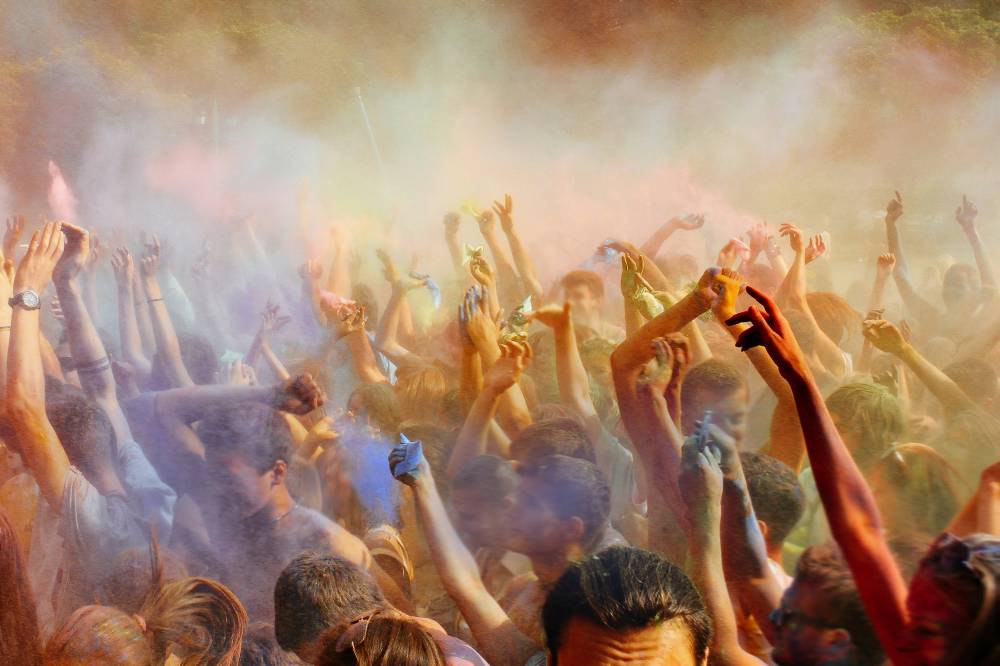
In the Philippines, it’s mainly observed within the Indian community, but its presence is still felt in small, vibrant areas across Metro Manila. In places like BGC and Makati, open spaces fill with music, people dress mostly in white, and bursts of color are thrown into the air.

Throughout the day, crowds gather as powders in bright pinks, yellows, and blues are tossed between friends and strangers, slowly covering their clothes and faces. Some events bring in live DJs or bands, adding to the liveliness, while others feel more informal with groups dancing, laughing, and moving through these splashes of color.
It’s a different kind of celebration. Louder, brighter, and more immediate. Even if it only lasts for a few hours, it leaves a strong impression. It is a moment where the city and the community feel playful and expressive in a way that stands apart from the rest of the month.
The Philippines holds room for all three
What is most interesting, though, isn’t the ways in which we are different, but instead, in how easily everything can fit in the same space. There’s no strict divide, no moment where one observance replaces another. Instead, they happen simultaneously.
One place holds all of it. And though most people may only experience one of the many possibilities this month, what is important is that we see no biases or negativity.
What makes it work isn’t uniformity, but familiarity with difference. Each space carries its own set of expectations, and people move through them— knowing when to observe, when to participate, and when to simply pass through. It’s not something formally acknowledged, but it shapes how the place functions, allowing very different practices to exist without needing to compete for the same meaning.