










Liquid gold: Mead makes a comeback


Harry Potter fans surely remember butter beer, but extra points go to those who remember what type of drink Hagrid had several pints of at the Three Broomsticks, or what drink Dumbledore shared with the Dursleys in “Half-Blood Prince.”
It was a fermented honey drink called mead.
Mead predates other alcoholic beverages such as wine and beer, with many historians tracing it back to African Bushmen in 20,000 BC, making it the oldest fermented drink. Legend has it that mead was created by accident when honey and stagnant rainwater mixed inside baobab trees. Archeological evidence can also be found in Northern China in 7,000 BC, where traces of mead were found in pottery, while the Vikings drank mead during many celebratory events.
Locally, there is the kabawaran, a pre-colonial alcoholic drink made from fermented honey and the bark of the kabawaran tree. In Mindanao, there was a traditional mead known as bais.
For a drink like mead to be so popular in movies, mythology, and history, why isn’t it seen more often in restaurants and bars in modern times? Perhaps one of the few mead makers in the country, located in Fairview, Quezon City, can offer some answers.
From what nature provides
King and Vanessa del Rosario, siblings who share an interest in beekeeping, are the founders of La Mesa Mead. They then put up a small shop, cafe, and manufacturing site for their homegrown mead.
“Mead is very dependent on what nature provides us,” Vanessa says when asked about mead’s decline in popularity over the centuries. “Bees should have the correct elements for them to produce more honey. We are seeing how difficult it is for beekeepers like us to keep the supply going because of the many challenges in weather.”
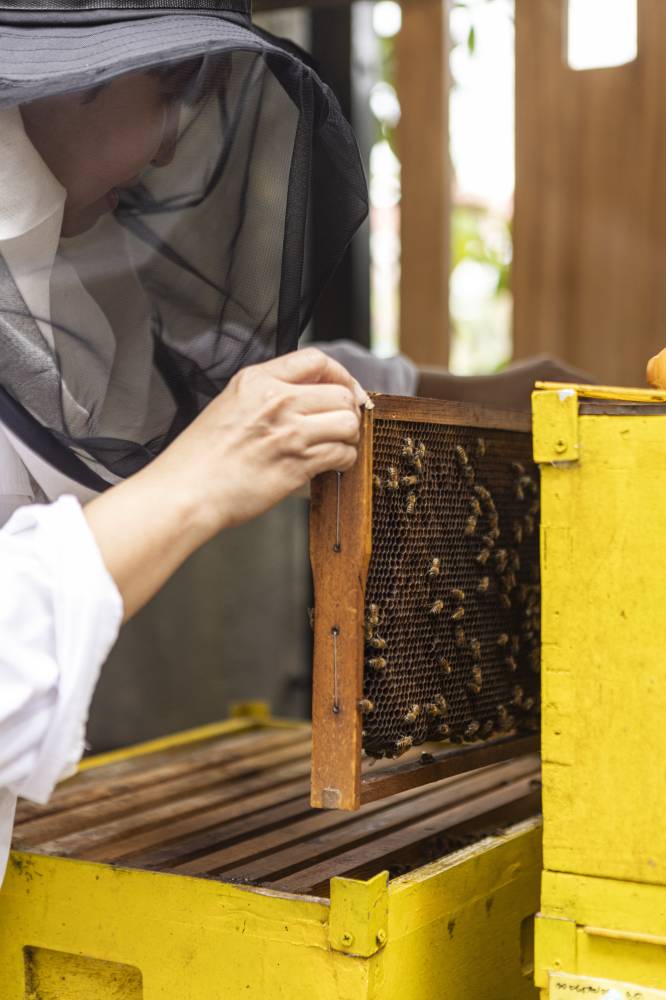
To make mead, it only takes three ingredients—honey, yeast, and water. Honey, just like wine, can vary in taste depending on terroir. The honey’s flavor profile will all depend on the type of flowers they have access to. “We’d expect our mead to be more tropical compared to other meads because our trees and flowers here are different from other countries,” says King.
“Mead will taste different wherever you source your honey. In other countries, it’s more berries. Here, it’s nara, coconut, and mango,” adds Vanessa.
This does not mean, however, that mead is comparable to wine. It is not. “Some people lump mead together with wine because it’s the closest popular category of liquor. People used to call mead honey wine to make it easier to explain,” says King.
In a category of its own
While wine is technically made from fruits (most commonly grapes), mead is in a category of its own. Tannins in wine give it its bitter profile, while mead’s lack of tannins allows it to maintain its natural sweetness.
La Mesa Mead’s Traditional variant remains truest to the local bees’ sweet honey flavor profile with floral notes. Another variant adds arabica espresso to mead, giving the smoky aroma of coffee to balance the sweetness. Their Vida variant is the sweetest of the group, containing three times the honey content as the traditional one.
These three variants all have a 10 percent ABV. Their strongest and newest bottle of mead is the Tagumpay, which incorporates Mindanao cinnamon, cacao nibs, and other Filipino spices that imbue a smokiness and complexity to the drink.
La Mesa Mead sources their honey from several local suppliers. “We use our own honey from our own small bee farm in Quezon City and in Zambales. Right now, we also buy or source honey from other local beekeepers.”

Celebrate like the Vikings do
Globally, mead is seeing growth in market size, and La Mesa Mead is feeling it as well. “Mead is making a comeback. In fact, when we look at our website data, we see a lot of visitors from other countries, which is interesting. There’s really undeniably a growth in mead because people want to drink something unique, something new, and something natural in a way,” reveals King.
“Apart from it being a very good alcoholic drink, it can be used as a base for your cocktail drinks,” adds Vanessa. “We’ve also met people who use it as an ingredient in cooking, an alternative to white wine. There were also chefs who said it’s good for pairing with certain foods.”
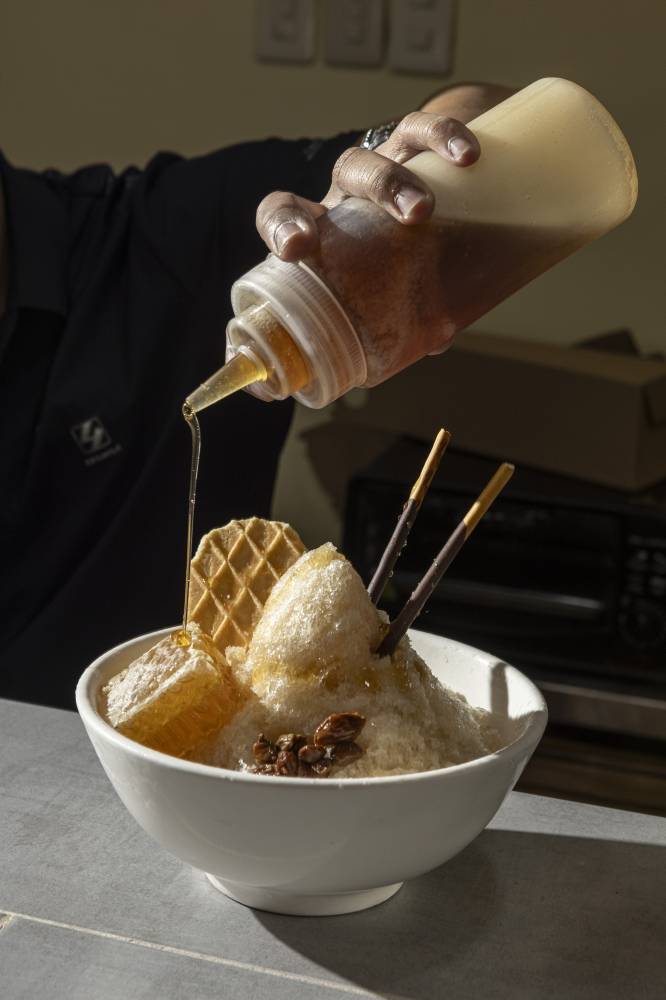
Coffeexmead is their small cafe in Fairview, where mead lovers and those curious to taste can get a glass before committing to a bottle. While they also offer coffee and pastries, they also have a special bingsu on the menu that uses their low-alcoholic variant to make a sweet, icy dessert complete with honeycomb.
Mead is made up of so many factors. The sanitary state of the manufacturing site determines whether wild yeast can hijack the flavors of the mead. The pureness of the honey without any fillers of any sort will be key to reaching fermentation. The health of the bee colonies will tell you how sweet the honey will be and how it will taste. All of this directly depends on the environment.
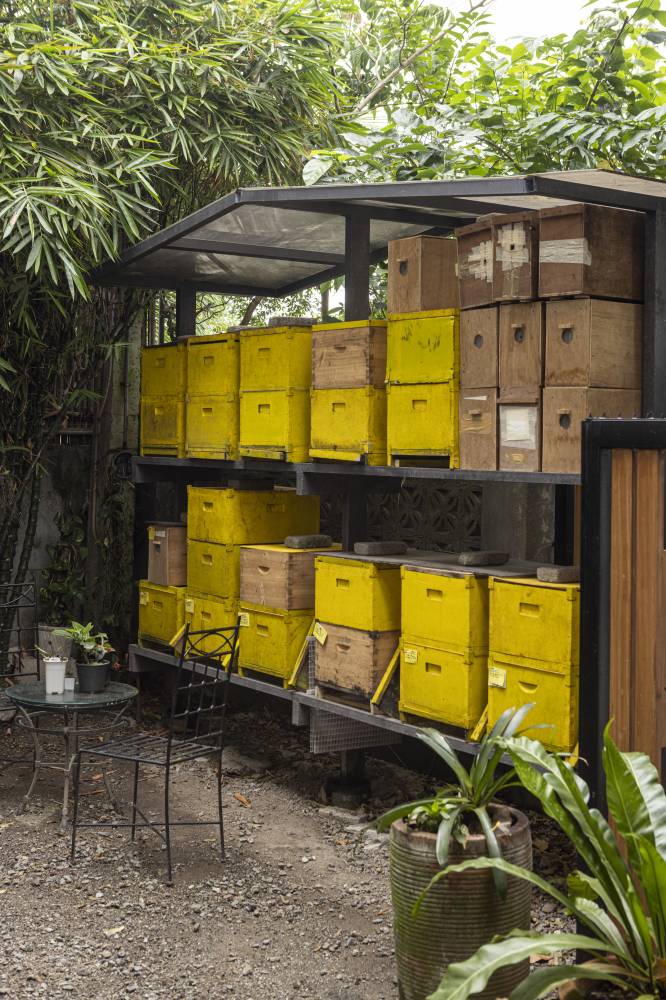
“In Zambales, the people we work with there weren’t very aware of how to treat bees and trees. They actually viewed bees as pests before. After two years of having that bee colony in Zambales, others in the area have approached us asking if they could buy our bees. Now they are also aware that the bees get nectar from narra and other trees. So they’re more aware now and see that the trees are very important,” tells King.
So you can raise that glass of chilled mead proudly and celebrate as the Vikings did. That golden liquid is a sweet portrait of the environment around us.
This story was originally published in F&B Report 2026, issue 1


