










Malas or myth?

Happy Friday the 13th. While the rest of the world is busy panicking over broken mirrors and black cats crossing their paths, Filipinos are operating on an entirely different level—we’ve built an entire belief system around it.
Pamahiin or Filipino superstitions and folk beliefs are not just old wives’ tales. And they are definitely not just about beauty and fashion. They are a way of life. A full operating system for being human in the Philippines: how you eat, sleep, love, grieve, build a home, handle money, and yes, even how you take care of your hair.
They’re the curriculum passed down by lola, nanay, and every tita who ever caught you washing your hair at 11 p.m. and immediately clutched her rosary. Some of these pamahiin are centuries old, a layered blend of pre-colonial Filipino beliefs, Chinese influence, and Spanish Catholic tradition. Others sound like something your tita invented specifically to stress you out. All of them, to some degree, still live rent-free in our heads even for those of us who “don’t believe in that stuff.”
So in the spirit of Friday the 13th, here’s a love letter to the pamahiin that shaped how we sleep, what we wear, how we gift, and how we take care of ourselves for better or malas.
Your lola’s unofficial guide to haircare
No cutting hair or nails at night
One of the most common hair and grooming pamahiin warns against cutting your hair or trimming your nails after dark. Doing so is said to invite malas in its purest form, bad luck, illness, or in some versions even a shortened lifespan.
The practical explanation is straightforward. Before electricity, homes were dimly lit, and sharp tools plus poor visibility were an accident waiting to happen. But practicality rarely dilutes superstition. To this day, there’s still a flicker of hesitation before reaching for nail clippers once the sun goes down.
Never cut your nails on Tuesdays or Thursdays
Forget Mercury in retrograde. Filipino nail care runs on a far stricter calendar. Cut your nails on a Tuesday or Thursday, elders say, and they will bleed. The historical logic behind these specific days has blurred over time, but the ritual remains oddly persistent.
Pull a white hair, more will grow back
Spot a white or gray strand? Resist the urge. According to pamahiin, plucking it only encourages more to sprout in retaliation, as if the follicle takes offense.
Dermatologists have long clarified that each hair grows from its own follicle. Removing one will not multiply the rest. Still, logic and instinct often clash in the mirror.
Don’t sleep with wet hair—you’ll go blind
Few beliefs escalate as dramatically as the warning against sleeping with wet hair. Damp strands against a pillow are said to cause blindness.
The science is less theatrical. Sleeping with wet hair can increase scalp irritation, fungal growth, and breakage. Not ideal, but hardly catastrophic. The exaggerated consequence feels strategic, an effective way to ensure no child argues their way into bed with dripping hair.
Brush your hair 100 times for silky, straight hair
Then there’s the aspirational ritual. Unlike the rest of this list, the 100-stroke brushing belief is something Filipino girls were actively encouraged to do. Brush your hair 100 strokes before bed and you’ll be rewarded with glossy, straight perfection.
In reality, excessive brushing can cause breakage, especially for fine hair. Modern hair science favors gentler handling.
Gift-giving with terms and conditions
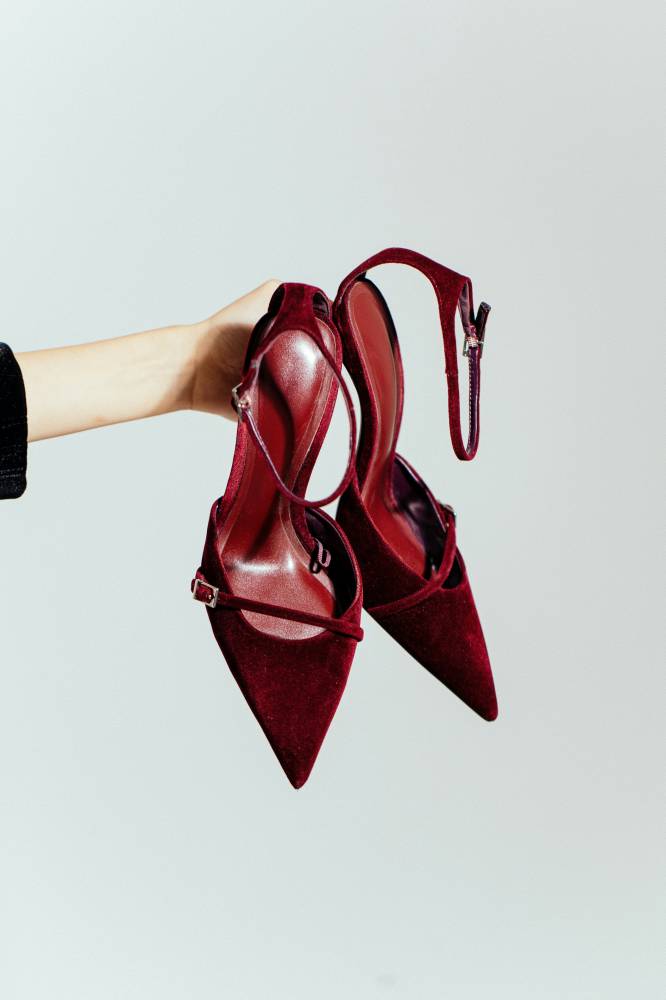
Gifting shoes means someone is walking away
Shoes carry one of the most dramatic reputations in Filipino pamahiin. Give someone a pair, and the belief goes that they will eventually walk out of your life. The symbolism is almost too neat. You are literally giving them the means to leave, and figuratively encouraging distance.
When the recipient is a romantic partner, the stakes rise. Gifting shoes to your boyfriend or girlfriend is said to foreshadow a breakup. They will use those shoes to walk away from you.
Fortunately, the workaround is as practical as it is symbolic. The recipient simply gives the giver a coin in exchange. Any amount works. One peso is enough. The gesture transforms the item from a gift into a purchase, neatly sidestepping the malas. In this belief system, technicalities matter.
Gifted wallet or purse must have money inside
One of the most widely observed pamahiin is simple: never give an empty wallet or purse. Emptiness symbolizes financial lack and sets the tone for future scarcity.
At the very least, place a coin or small bill inside before gifting it. Some even treat that first bill as a financial seed, something that should never be removed so the wallet never symbolically reaches zero. A wallet without money is just a container. With money inside, it becomes a vessel for abundance.
Don’t put your bag on the floor, you’ll lose money
This belief sits neatly between superstition and common sense. Placing your bag on the floor is said to make money flow away from you, a sign of financial carelessness.
Practically, floors are dirty and elevation protects your belongings. Symbolically, it signals how you treat your resources. In this worldview, abundance responds to behavior. Keep your bag off the floor, and keep your money where it belongs.
Wellness, skin, and the pamahiin of self-care

Pasma: The art of not washing your hands at the wrong time
Pasma is one of the most uniquely Filipino concepts on this list: a folk illness caused by exposing warm hands to cold water too quickly. If you’ve been ironing, working with your hands for a long time, or even typing on a keyboard, you’re warned against washing your hands immediately after.
The result, supposedly, is pasma: tremors, stiffness, or a general feeling of weakness in the hands. While not recognized as a medical condition, the belief persists strongly because your mom probably still says it, and you probably still pause for a moment before turning on the tap.

Don’t wet your feet right after a long day in shoes
After hours of walking or standing, pamahiin says do not immediately wet your feet. Doing so is believed to cause ugat, or visible leg veins, because your legs need time to “cool down” before exposure to water.
While the explanation is folkloric, the instinct feels familiar. Modern advice also suggests resting or elevating your legs after prolonged standing to support circulation. Different reasoning, same conclusion. Let your body settle first.
Bathing in milk for smooth, lighter skin
This one sounds luxurious and absurd in equal measure. The belief or traditional practice, depending on who you ask, is that bathing in milk will give you smooth, soft, and lighter skin.
Cleopatra allegedly did it, and beauty historians have found milk baths in various ancient cultures across Asia. The lactic acid in milk is a legitimate exfoliant. So is this a pamahiin or ancestral K-beauty? The line gets blurry here, and, honestly, that’s part of what makes Filipino beauty beliefs so interesting.
Calamansi as natural deodorant
The logic seems wrong on paper: Why would you use a sour, acidic citrus fruit to prevent body odor? And yet, the pamahiin insists: Rub calamansi on your underarms and you won’t smell maasim even though calamansi itself smells sharp and sour.
The science actually backs this up; citric acid creates an inhospitable environment for odor-causing bacteria. Dermatologists would caution against it for sensitive skin, but it remains a widely shared beauty tip passed down through generations.
Fashion as protection, fortune, and function
Red underwear on New Year’s Eve for luck and prosperity
Popular across many Asian cultures but embraced wholeheartedly in the Philippines: wearing red underwear on New Year’s Eve (and Day) is believed to attract prosperity, good luck, and protection in the coming year. It’s intimate, invisible, and deeply intentional; the ultimate personal talisman. It costs nothing to believe, and the underwear is cute regardless.
Think twice before wearing black to weddings and birthdays
In many cultures, black is the color of mourning and that association doesn’t disappear just because you’re a fashion-forward guest with an impeccable eye for styling. At Filipino weddings and birthday celebrations, all-black outfits still make some guests and hosts uneasy. It signals grief, endings, or bad energy at events meant to celebrate life and joy. Fashion has reclaimed black as a neutral, and many younger Filipinos no longer follow this, but the hesitation lingers.
Wear your clothes inside out when you’re lost
More emergency protocol than fashion choice. If you find yourself lost, especially in an unfamiliar area, turn your shirt inside out. Pamahiin says this disrupts the spirits or unseen forces that led you astray.
It acts as a symbolic reset. When direction feels compromised, change what you can control. Long before GPS, flipping your shirt was not absurd. It was strategy.