










Method dressing: How fashion is saving Hollywood

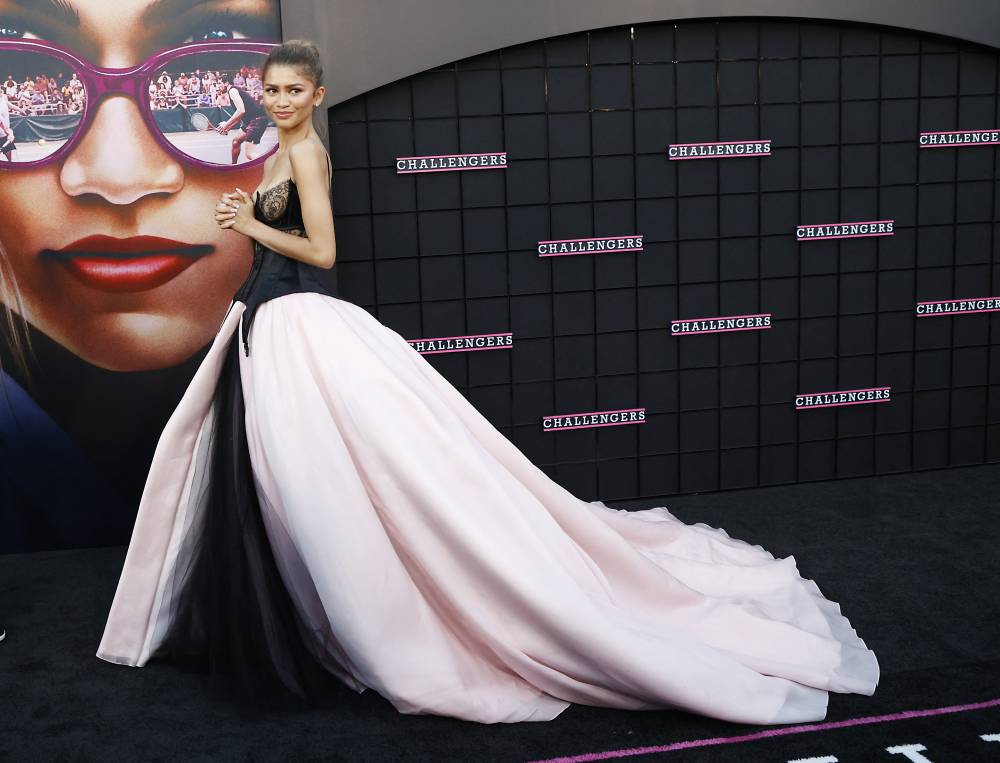
Method dressing riffs on method acting, the performance style associated with figures like Lee Strasberg. Instead of staying in character emotionally, celebrities stay in character stylistically—wearing outfits that echo their roles even during press tours.
The concept is deceptively simple. When promoting a film, actors dress in ways that reflect its themes, aesthetics, or visual motifs. Yet its impact is anything but simple. In a content-saturated landscape, method dressing transforms every public appearance into a continuation of the story, creating cultural touchpoints that extend far beyond trailers, posters, or standard marketing.
Method dressing as a form of cultural conditioning
The modern gold standard arrived with Margot Robbie during the press tour for “Barbie.” Rather than merely wearing pink, Robbie and her stylist curated archival recreations of actual Barbie dolls—down to vintage silhouettes and hyper-feminine accessories. Each outfit functioned as a live-action Easter egg, amplifying cultural conversation and turning the press tour into an event in itself.
“Wuthering Heights,” the latest cinematic adaptation of Emily Brontë’s classic, presents a compelling case study in the transformative power of method dressing. The costumes for the movie were designed by Sandy Powell, a British designer with two Oscars and three BAFTAs to her name, celebrated for creating some of cinema’s most unforgettable looks, including Keira Knightley’s iconic green dress in “Atonement.”
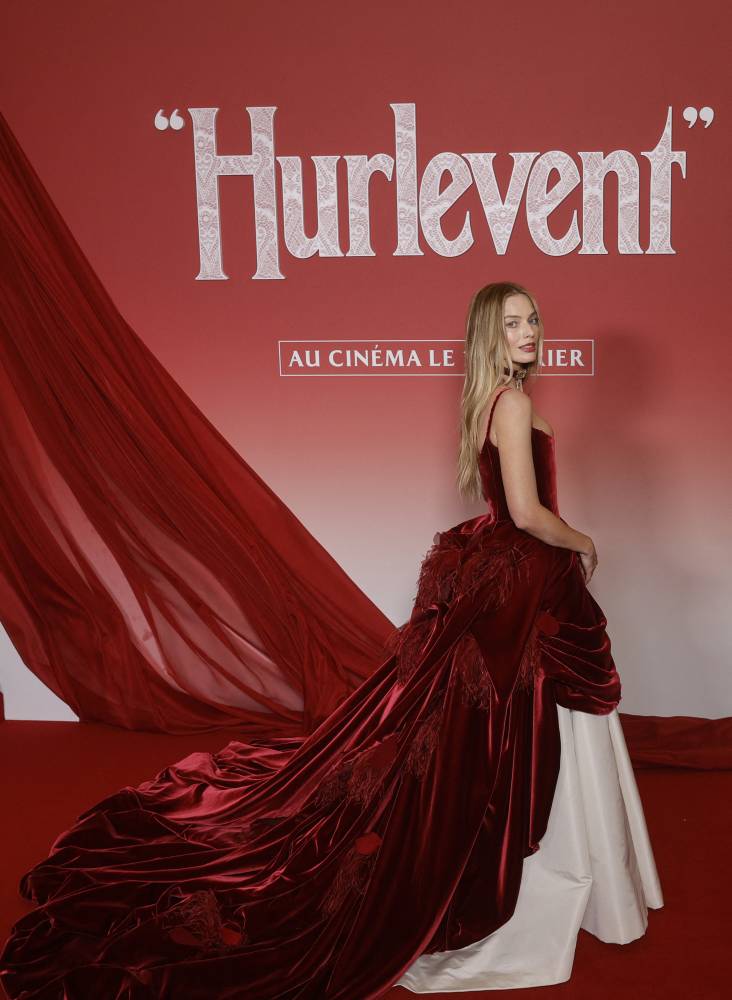
Upon the initial look at the costume designs alongside the trailer, reactions were mixed. Critics and viewers argued that the outfits suggested the film would not remain faithful to Brontë’s novel. The striking red “latex-like” dress, along with other modernized silhouettes, reinforced the perception that the adaptation prioritized spectacle over authenticity. Many of the materials used did not exist in the historical period, fueling concerns that the film might be a weak adaptation of the beloved book.
When the press tour began, however, method dressing fundamentally reshaped the conversation. Robbie and her co-stars donned ensembles that evoked Victorian motifs while seamlessly blending contemporary design elements. Custom and archival pieces from fashion houses such as Chanel, Schiaparelli, and Vivienne Westwood captured the Gothic romanticism of “Wuthering Heights” while signaling a fresh, cinematic reinterpretation.
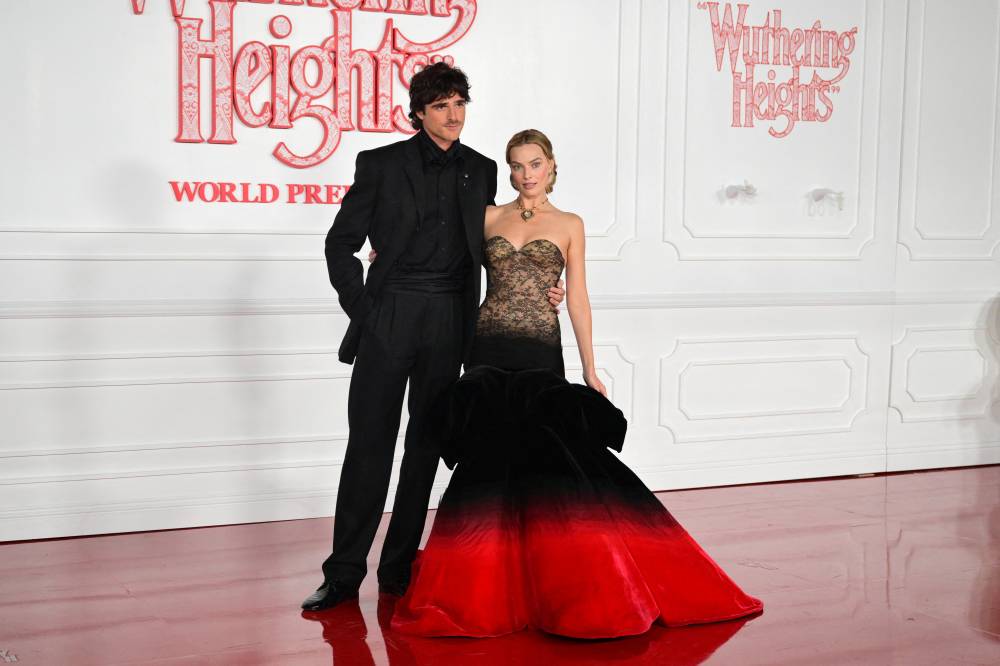
Media coverage quickly pivoted from criticism of historical inaccuracy to excitement over the film’s aesthetic identity. Method dressing in this case reframed expectations. Carefully aligning the actors’ public appearances with the film’s visual world, the press tour allowed audiences to anticipate the mood, energy, and emotional palette of the movie rather than focusing solely on historical fidelity.
And in doing so, method dressing functioned as a form of cultural conditioning, giving the film a chance to succeed on its own terms.
The strategy clearly worked. “Wuthering Heights” topped the box office charts, earning $34.8 million in ticket sales in its first three days in North American theaters and securing the year’s biggest opening weekend. Content creators on social media and writers across various publications even defended the film, arguing that the costume design does not owe audiences strict historical accuracy and that the deliberate anachronisms enhance the movie’s overall cinematic impact.
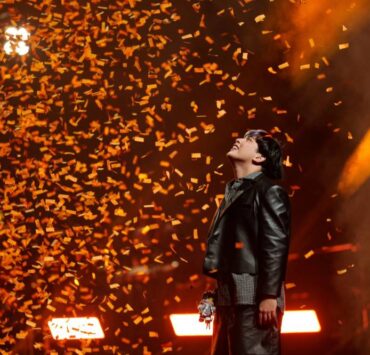
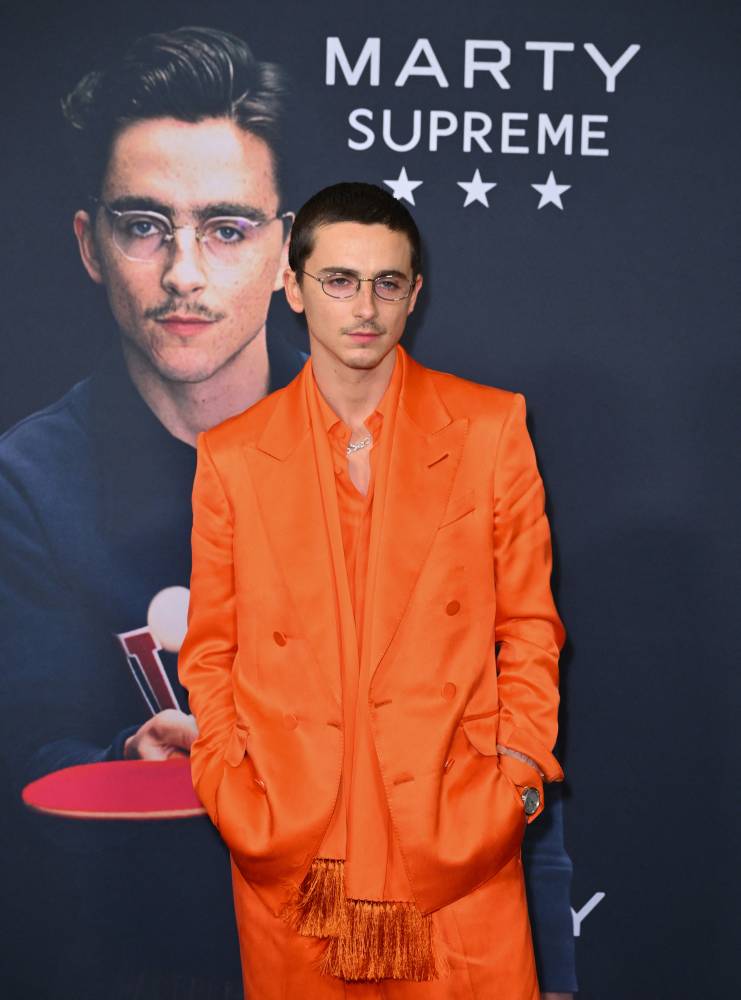
Another example of method dressing this year comes from the press tour for “Marty Supreme,” where Timothée Chalamet demonstrated how color can become central to a film’s visual mythology.

Rather than conventional suits or generic red‑carpet attire, Chalamet’s promotional wardrobe leaned into a signature “Marty Supreme orange.” The color became a unifying motif across appearances, with Chalamet debuting coordinating orange looks with Kylie Jenner at the Los Angeles premiere and cast members embracing the shade in interviews.
Method dressing as Hollywood’s lifeline
Hollywood is struggling in ways it rarely admits publicly. Streaming services have fragmented audiences, and theatrical windows have shrunk. The merger of Netflix and Warner Bros., among other industry shifts, has increased pressure on creators and executives alike.
“Hollywood needs all the help we can get, as it is challenged right now and there’s a lot of pressure,” says Debra Birnbaum, editor-in-chief of award-season news and prediction site Gold Derby, on the latest episode of the Back Row podcast. Method dressing, in this context, is one of the best marketing strategies that helps studios capture attention, generate conversation, and, ultimately, bring audiences into theaters.
In a way, method dressing restores an old Hollywood concept that had been eroded by social media and streaming. Where audiences once flocked to theaters for the glamour and pageantry of cinema, today, attention is splintered across streaming services platforms, algorithms, and short-form content.
But now, red carpet appearances and press tours provide a bridge between traditional Hollywood spectacle and contemporary media consumption.