






Nadine Lustre isn’t ready to be a mother—but you can call her one

Before Nadine Lustre became the Nadine Lustre, she was just like any other showbiz hopeful, shuttling across the city for auditions. Almost every day, she and her mother would take the MRT from Quezon City to Makati for her VTRs. The lines were long, and the days even longer.
By the time they were finished, night had already fallen. But before braving the commute back home, they would stop at a mall for a quick dinner of fried rice and siomai—“with lots of chili oil,” she recalls. This routine would go on and on. But though seemingly mundane, the accumulation of these moments turned into an indelible memory.
“I won’t forget that. Now that I’m older, I look back on those times with fondness,” she says at a recent press conference. “It was simple but happy.”
Not done growing up
But more than nostalgia, reminiscing about that part of her life also made her realize what motherhood entails. There she was, pursuing her dreams, guided by a woman who had to give up hers. Lustre is now 32, and her mother was 21 when she had her. She could only imagine what that must have been like.
“I’m wondering what she went through during her 20s. I know things weren’t easy for her because she had to give up a lot for my sake,” she says.
Lustre spent her 20s figuring herself out and discovering life; her mother had to do the same while raising another life. It’s an immense responsibility. And she must admit that even now, that’s something she doesn’t think she could do.
“I’m already 32, but I feel like I’m still not done growing up,” she says. “I discovered a lot about myself during my 20s—things I don’t think I would have been able to learn had I become a mother early.”
While real-life motherhood is beyond her at this stage in her life, she’s willing to take on that role, even if only in front of the cameras.
Fears of typecasting
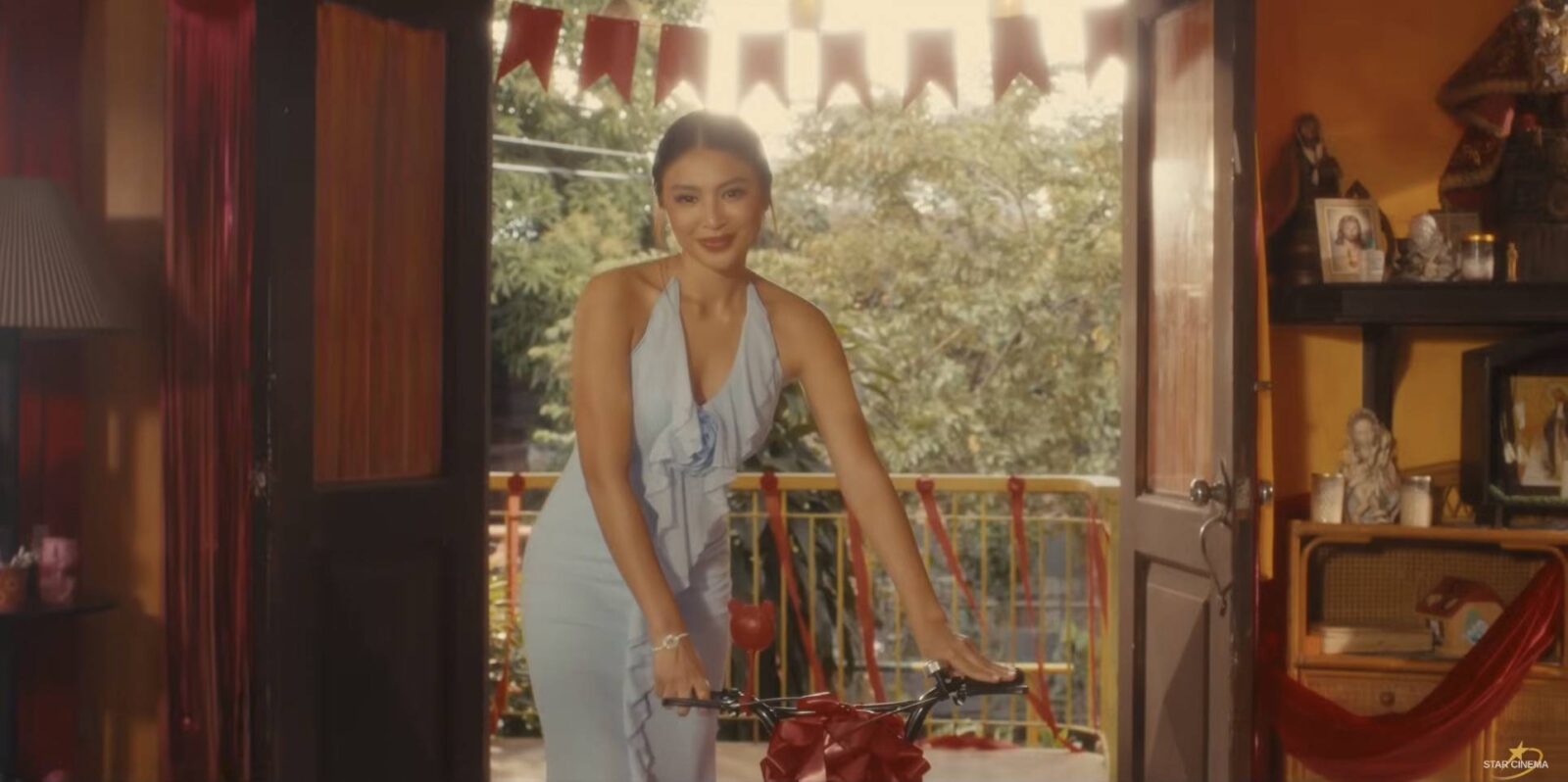
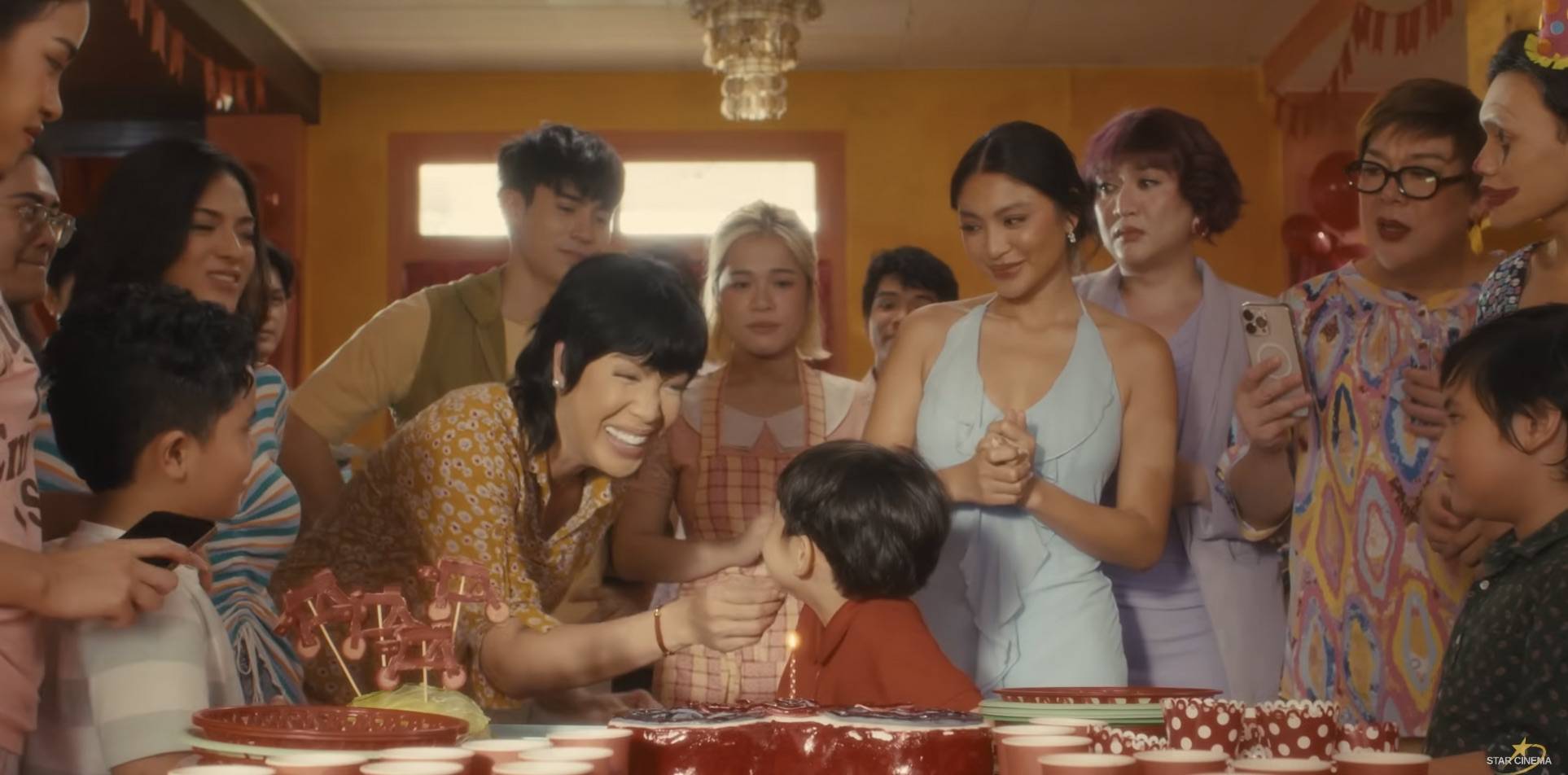
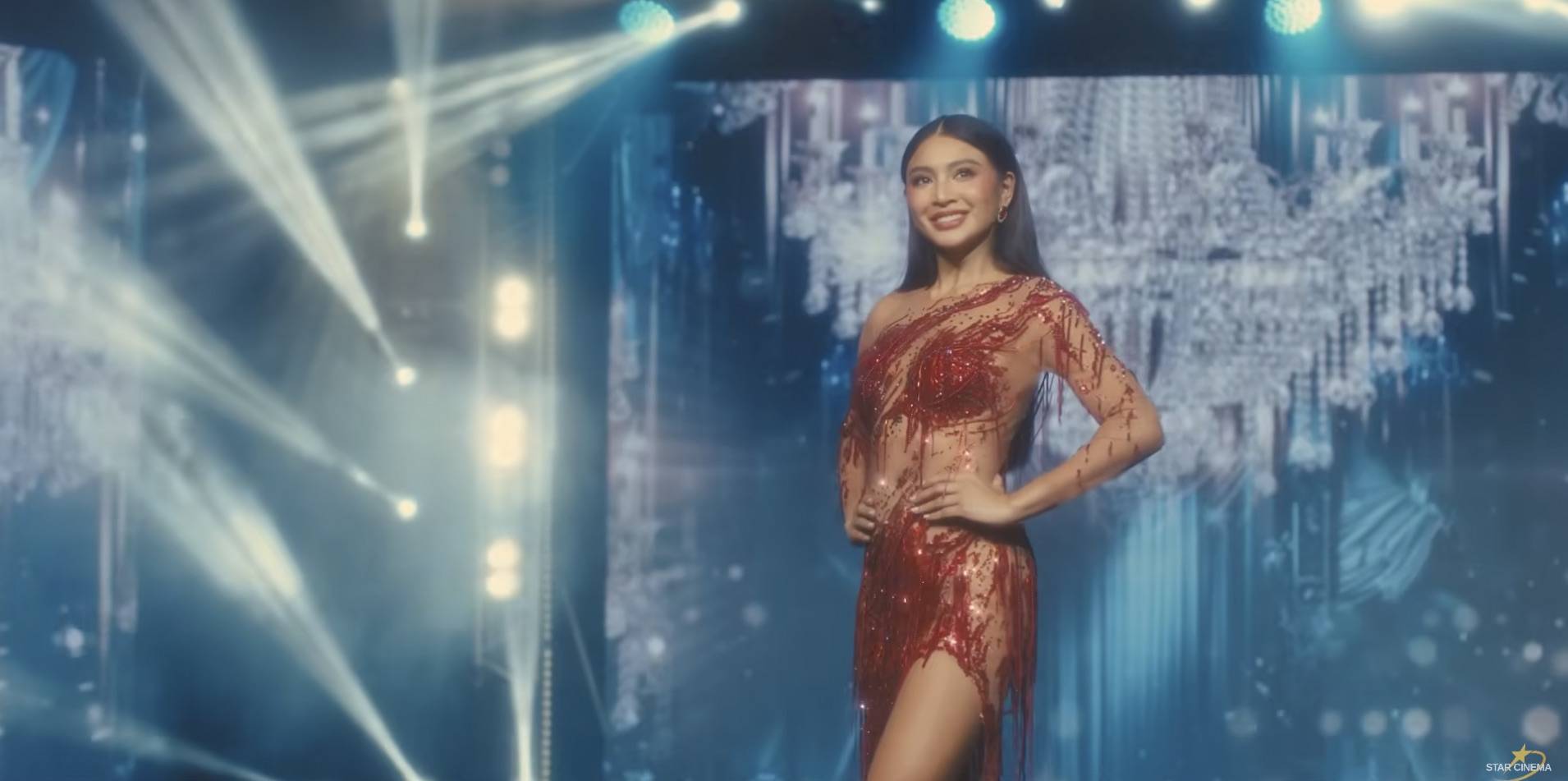
In “Call Me Mother”—a Metro Manila Film Festival (MMFF) entry she co-headlines with Vice Ganda—Lustre plays Mara, a former teenage beauty queen who lives a life of regret after giving up her son Angelo (Lucas Andalio) to work as a high-fashion model.
Twinkle (Vice Ganda) contacts Mara to finalize the adoption so he can take the kid with him for his new job overseas. But Mara insists that she will sign the papers only if Twinkle agrees to train her and help her win the country’s most prestigious beauty pageant.
Lustre wasn’t planning on joining this year’s MMFF. In fact, she wanted to take a break from acting for a year to focus on her other passions and business ventures. And at first, the thought of portraying a mother didn’t help her case. In the local industry, an actress transitioning to mother roles is often—and unfairly—perceived as a sign of her aging or a decline in her status as a romantic lead.
“People feared that I might get typecast in that kind of role in the future. Baka biglang mag-mature ang tingin sa ‘kin,” says Lustre, a three-time FAMAS (Filipino Academy of Movie Arts and Sciences Awards) acting award winner and recipient of multiple other accolades.
But the prospect of working with Vice Ganda is an opportunity too good to pass up. Her first film, “Petrang Kabayo” (2010), saw her playing support for the superstar comedian. Reuniting now, this time on equal billing, would be a full-circle moment. And so, when director Jun Robles Lana pitched her the project, all she needed to see was Vice Ganda’s name to get on board.
Sure enough, the script eventually showed that she made the right decision. Although the film is primarily a comedy, the subjects it explores are no laughing matter.
Lana says it aims to depict the adoption process—the complexities, tedium, and the mental and emotional toll that come with it—as honestly as possible. It’s challenging enough for traditional couples or single individuals, and even more so for queer people, he points out.
Chosen family
The film also challenges the definition of motherhood, portraying it as something not solely based on gender, but on presence; not on control, but on letting go. It also asks us to rethink what family and sacrifice actually mean.
“My character, Mara, taught me that not being ready for motherhood doesn’t make you a bad person,” Lustre shares. “It’s a beautiful story about motherhood and its different faces and forms. I think it’s important to have this kind of material because it might spark a conversation.”
Working on the film was a learning experience, but it hasn’t necessarily changed her feelings about becoming a mother. What it did, however, was reinforce the importance of the word “mother” not only as a label, but as a term of respect.
Lustre herself is no stranger to being called one. She’s “mother,” as her fans and colleagues would hail her, for her acting chops, progressive takes on femininity and relationships, her outspokenness on politics and social issues, and even her social media “estetik.” In turn, she calls nurturing people she looks up to—those who “inspire you and make you feel so loved and cared for”—“mothers,” too.
After all, Lustre would like to believe that family isn’t always determined by blood. “You can choose your family, and I think that’s such a beautiful thing,” she says.