











New diet guidelines say to double up on protein, but nutrition experts are wary

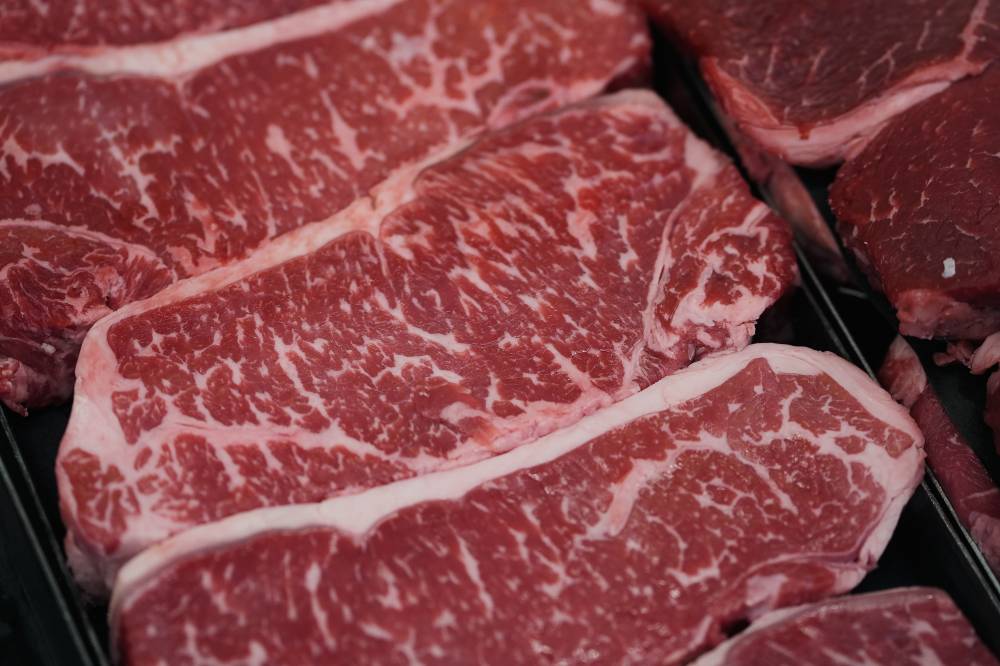
Protein just got a big boost from US health officials. The latest federal dietary guidelines tell Americans to “prioritize protein foods at every meal” and advise increasing daily intake—up to double the amount of previous recommendations.
“We are ending the war on protein,” Health Secretary Robert F. Kennedy Jr. says in a White House post on social media.
The guidance—including a new food pyramid—emphasizes red meat, whole milk, and other animal sources of protein, while downplaying plant-based offerings.
But top nutrition experts question the protein push, saying that Americans already consume more protein than they need, and there’s no new evidence that people need to drastically ramp up consumption. For many people, eating much more protein could lead to more fat and more cases of diabetes, they say.
“If you’re actively building muscle with strength or resistance training, more protein can help,” says Dr. Dariush Mozaffarian, a Tufts University nutrition expert. “Otherwise, you’re getting enough.”
Meanwhile, others worry that the dietary advice will accelerate the trend of companies encouraging Americans to embrace extra protein in foods, including bars, cereals, and snacks—even water.
Sales of protein-enriched packaged food will increase at a time “when one of the main messages is ‘eat real food, eat whole foods,’” says Christopher Gardner, a nutrition expert at Stanford University. “I think they’re going to confuse the public in a big way.”
Here’s what you need to know about the new protein recommendations.
What is protein, and how much do people need?
Protein is a macronutrient that is in every cell in the human body. It’s vital for the growth and repair of muscle, bone, skin, hair, and other organs and tissues. It’s made of building blocks called amino acids, including some that the body doesn’t make and must come from food.
For decades, the US dietary guidelines and other sources have recommended that people consume 0.8 grams of protein per kilogram of body weight each day, or about 54 grams daily for a 150-pound person.
The new recommendation advises people to consume 1.2 grams to 1.6 grams of protein per kilogram of body weight—up to double the previous advice. The guidance even says that adults should consume at least 100 grams of protein per day, with half or more coming from animal sources.
The average adult man already consumes about 100 grams of protein a day, or twice the old recommendation.
Why did the new dietary guidelines change?
The previous protein recommendations were calculated to prevent nutritional deficiency, according to a scientific review published with the new dietary guidelines. “It represents the lowest intake that maintains equilibrium in most healthy adults but does not reflect the intake required to maintain optimal muscle mass or metabolic function under all conditions,” the review says.
The new document relied on evidence from 30 studies that looked at the effects of higher protein diets on weight management and nutrient adequacy.

It concluded that protein intakes well above the previous guidance “are safe and compatible with good health.”
What’s the harm of eating more protein?
Nutrition experts noted that trials focusing on weight reduction aren’t typically used to make dietary recommendations for the general population. And, in a new article published in the Journal of the American Medical Association, Mozaffarian says that there is little evidence, outside of use for strength or resistance training, that “higher protein builds muscle or provides other health benefits.”
“In fact, excess dietary protein can be converted to fat by the liver,” Mozaffarian writes. That can increase the risk of the development of dangerous fat in the abdomen that surrounds vital organs and boost the risk of diabetes, he adds.
Protein in processed foods
Other nutrition experts say that the recommendation to eat more protein could be useful if it helps achieve another key goal of the new guidelines: encouraging people to eat more whole foods and fewer highly processed foods such as packaged snacks and cookies.
“The main problem with the food supply is the processed carbohydrates,” says Dr. David Ludwig, an endocrinologist and researcher at Boston Children’s Hospital.
But that will be a tall order for consumers faced with a slew of processed packaged foods—including toaster pastries, cereals, and salty snacks—imbued with the halo of added protein. “I think the American public’s gonna go buy more junk food,” Gardner says.