










New Year wellness approaches that give lasting results

Instead of diving into strict diets, influencer workouts, or perfectionist goals at the start of the year, what if we focused on what our bodies truly need—eating food that is satisfying and energizing, giving ourselves proper rest and gentle movement, and tuning in to our natural energy rather than forcing everything at once?
Often, extreme goals, like losing weight quickly or following rigid routines, leave us burned out by mid-year. The cycle of starting, quitting, and restarting drains time, energy, and motivation. So this year, I focused on three strategies to honor and respect my body more than ever.
These aren’t traditional New Year’s resolutions—they’re practices I maintained consistently. But the results were really impactful: my hormones and overall health improved, my daily motivation stayed strong, and my capacity to do and give more reached its best state ever.

If there’s one thing you should check daily in 2026, it’s your heart rate
Forget obsessing over the scale. Instead, focus on health markers like resting heart rate, stress levels, and daily energy. These reveal far more about your long-term health and resilience than any number on the scale ever could.
Focusing solely on body weight often pushes people toward quick-fix strategies, such as burning excessive calories or following restrictive diet fads. These approaches disrupt the body’s balance, elevate stress, and can lead to illness, burnout, weakness, and mental health struggles.
Tracking your heart rate, on the other hand, gives a clear picture of your body’s overall state. It provides insight into your stress levels, recovery, sleep quality, fitness, and how your energy flows throughout the day.
You can start by tracking your resting heart rate and, over time, add monitoring your stress levels using a fitness tracker that measures heart rate variability. Combined with your heart rate, being aware of these health markers is a total game-changer. They shift your focus away from the scale while supporting the best body composition results—more muscle mass, less body fat—because improving your internal state has a far more powerful effect than simply chasing numbers on the scale.
Adhere to a satiety-centered nutrition approach
Stop following diets that leave you thinking about food all day, intensify cravings, and make you feel like you’re constantly suffering. Instead, focus on an eating style that provides around 80 percent fullness and true satisfaction while supporting long-term health.
This is achievable, but it requires creating a system that works for you and that you genuinely enjoy. It’s not just about feeling full—it’s also about paying attention to meal timing, food combinations, quality, and portion sizes. Doing so helps regulate blood sugar, cortisol, appetite, and hunger hormones, ensuring you get the best possible health benefits.
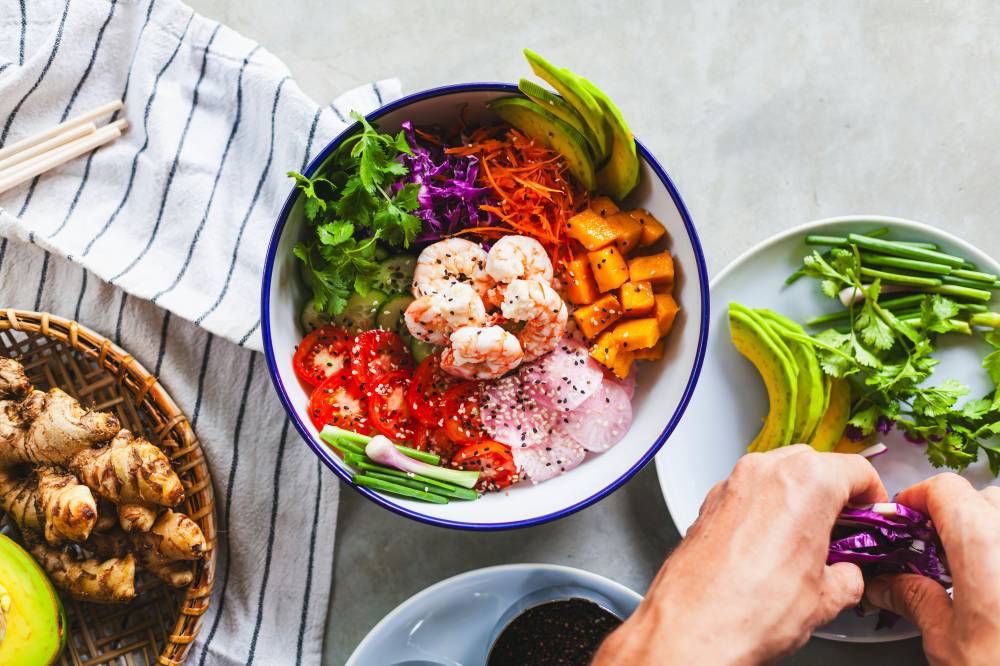
For me, the approach that worked best included a heavy breakfast, a moderate lunch, and a light-to-moderate dinner within a 12-hour eating window. Meals are composed of plenty of fiber and protein, sourced from vegetables, nuts, seeds, fish, chicken, and lean meats, paired with healthy fats like avocado, olive oil, and nuts, and light-to-moderate carbs like buckwheat, quinoa, sweet potatoes, pumpkin, corn, chickpeas, and beans.
And because everyone has a unique genetic makeup, schedule, lifestyle, health status, and hormonal state, this approach should be tailored to your bio-individuality.

In addition, allow yourself the occasional treat. I follow a “worth-it” rule—if I choose to eat something sugary, it has to bring me real enjoyment. This year, I’ve been savoring Japanese ice cream or certain cakes every once in a while, and each bite gives me genuine happiness without derailing my overall approach.
Let your body’s natural ups and downs of energy guide your decisions
To achieve lasting fitness results, you need to practice consistency first, gradually increasing intensity only once the habit is established. The ability to stick with a routine and notice progress (feeling stronger, faster, and more capable) is what makes a habit sustainable. Often, it’s not the intensity or the trendiest workout that matters most, but factors like accessibility, enjoyment, social connection, measurable results, and how it fits your energy levels.
For me, running has proven to be consistent—once the habit was in place, I could focus on improving speed. With strength training, it’s about progressively increasing weights rather than jumping into extreme routines.
Equally important is respecting your body’s need for rest. Forget forcing yourself to follow rigid schedules or relying on coffee to get through the day. Many people push their limits and turn to caffeine or energy drinks for a quick boost. While these may temporarily increase alertness, they mask your body’s signals and increase stress, leaving you more drained in the long run.
Maybe this year, it’s time to refocus on what your body is truly telling you and respond with the right mix of rest and movement—knowing when to slow down, when to stop, and when to push a little harder. Only you can be the expert of your own body. Mastering the skill of listening to your body and understanding its signals through how you feel is key to lasting health and performance.