











Not even BTS could please everyone with ‘Arirang’


The pressure that artists and celebrities go through is one that is often talked about but rarely ever acknowledged.
But as a fan who discovered BTS in their “Love Yourself: Tear” era, watching their live comeback performance in Gwanghwamun Square put something to mind that I’d never quite thought about til then: How do you prepare for something the whole world is watching out for?
Other K-pop groups have had their comebacks in studios and controlled environments, but for BTS, not only did they hold it in a historical landmark, but they also broadcast it live for millions to tune in to. Who else could presume to understand that level of pressure?
And for their return album “Arirang,” how do you live up to the expectations from millions of ARMY who each have their own idea of what BTS’ sound truly is? What if it sounds too Western? Should it showcase more of their roots? There’s no right answer to any one of these questions, and they were always bound to disappoint in one way or another.
But listening to “Arirang,” it’s clear BTS didn’t even bother appeasing anyone.
Unlike anything in K-pop
Most K-pop albums and comebacks circle around the main title track.
For “Arirang,” not only was “Swim” unlike your typical main single, but it also wasn’t even the strongest track in the album. It’s in full English, has minimal instrumentation, and has a relatively relaxed choreography. In short, it’s the opposite of what many had come to expect from BTS.
Even Jimin, during their Studio Notes recording, shared that he was once against having “Swim” as the title track. He thought it was too laid-back and differed greatly from the high-octane singles they were popular for. But even he acknowledged that it was the song that best fit their current situation.
“It’s about swimming each day. When you’re in the military, you count down the days… you have to swim past it, we have to keep moving forward,” explain RM and J-Hope.
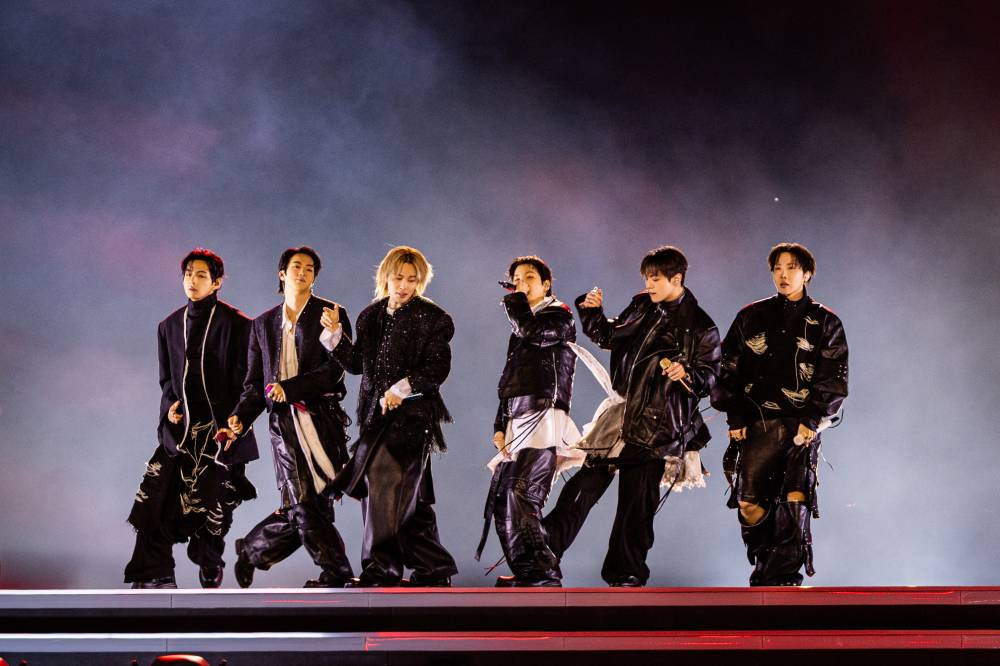
Not Korean enough?
Arirang, for those unfamiliar with the term, refers to Korea’s most popular traditional folk song. It is regarded as an unofficial national anthem and is recognized as a UNESCO Intangible Cultural Heritage of Humanity.
For an album that not only features heavy use of English but also sounds and production techniques predominant in Western music, ongoing online discourse has described BTS’ title choice as disingenuous or misleading.
But when Arirang itself refers to feelings of longing and resilience, it seems some just conflated Korean representation with hanboks and traditional instruments. We already had “Idol” for that.
Jiye Kim put it best in an opinion piece on Teen Vogue: “A Korean artist does not have to be limited to using their country’s traditional instruments and speaking in their own language to be a Korean artist, just as much as I do not have to eat certain foods and wear certain clothes on a certain day of the year to be Korean.”
But for those who’d still claim that “Arirang” isn’t Korean enough, only three of the 14 tracks in the album are in full English, while the rest have a Korean-English split you’d normally expect in any K-pop track.
Not to mention, “Body To Body,” the first track of the album, literally featured a brief traditional Arirang performance. Meanwhile, “No. 29,” which only played a singular bell toll at the beginning, had about a minute and a half of silence that followed.
RM later confirmed that the bell sound came from the Divine Bell of King Seongdeok, which is designated as South Korea’s National Treasure No. 29.
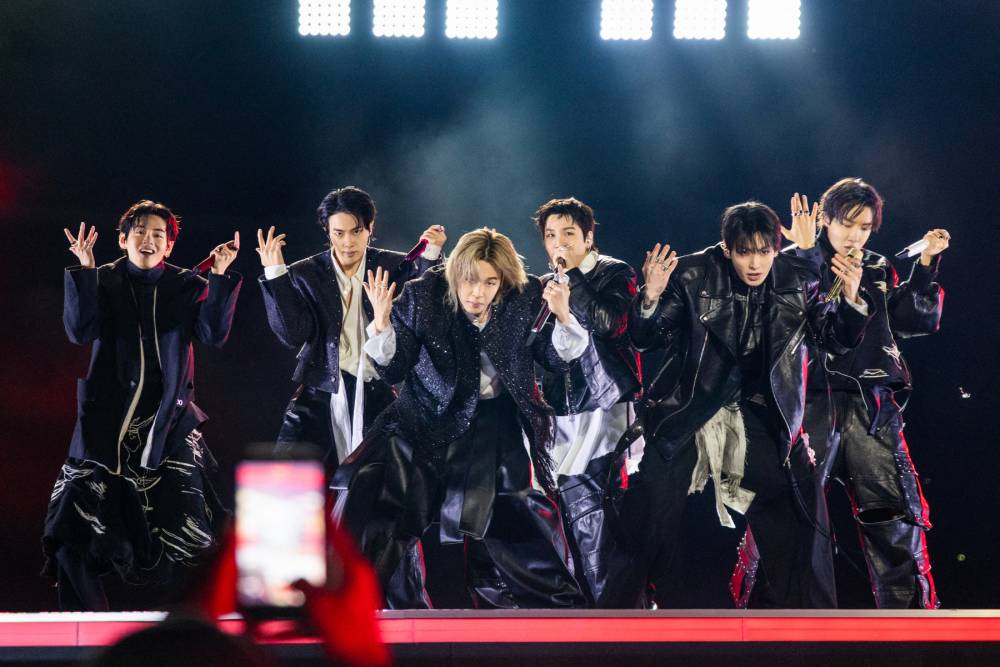
Now, is that Korean enough?
“Arirang” and the markers of BTS’ growth

“Arirang” doesn’t quite sound like anything BTS has ever put out. Even as some would liken it to the hip-hop style from their earlier years, working with producers such as Diplo and Ryan Tedder has added a Western touch that separates it sonically from prior releases.
But beyond a combination of their early hip-hop roots and modern Western production, “Arirang” also represents the years of individual growth each BTS member went through.
While BTS found tremendous success with full English songs such as “Dynamite” and “Permission To Dance,” lyrically, these hits haven’t been anything special and have been, frankly, pretty surface-level. “Arirang” has taken BTS’ songwriting to the next level, with their English lyricism catching up to what one would expect from releases in their native language.
Sonically, it’s also clear that the rap line had tremendous influence on the selection and curation of the album, with much of the first half of “Arirang” containing flashes of what you would see in a J-Hope, Agust D, or RM solo project.
But on the vocal side of things, Jin, V, Jimin, and Jungkook never disappoint anyway.
BTS 2.0
What makes this comeback particularly special is that it goes beyond music: It’s a personal reunion between a BTS that didn’t quite believe they’d remain relevant after their hiatus, and the fan who kept waiting for them.
This time, however, they don’t seem quite concerned about whether or not you like the version of BTS that came back.
******
Get real-time news updates: inqnews.net/inqviber