





Oil crisis, weak response—rooted in privilege and complacency

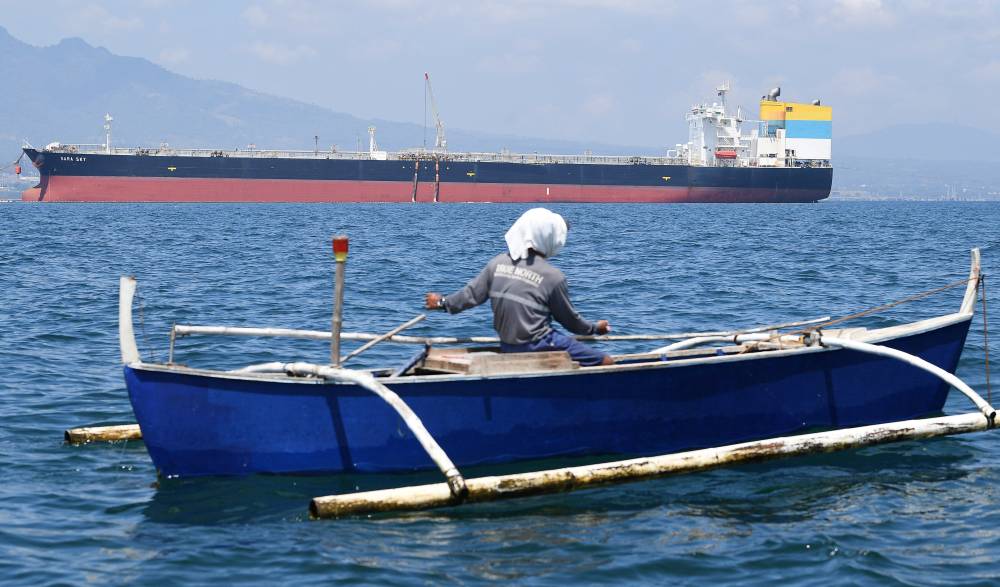
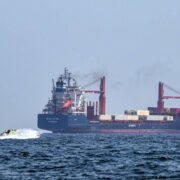
Overnight and from a war no one wanted, the global economy has turned on its head. Restrictions in the Strait of Hormuz have cut the world approximately 20 percent of its oil supply, raising prices across the board. And for countries—particularly the Philippines—where the majority of its oil imports are sourced from the Middle East, the effects have been especially dire.
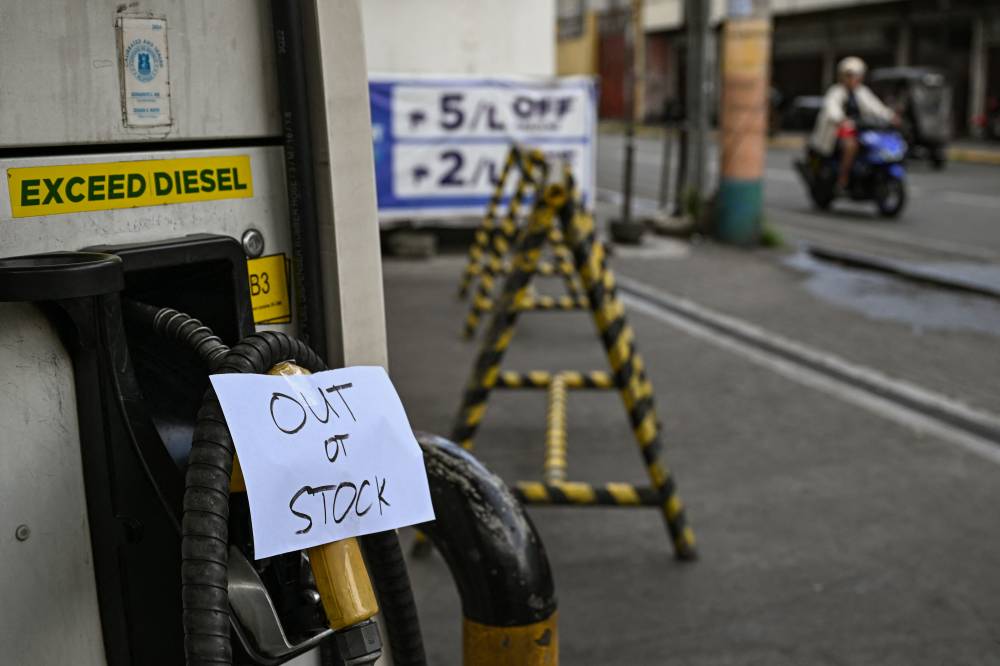
Gas prices have breached the three-digit mark, severely affecting those whose livelihoods depend on the road. Meanwhile, everything else seems to have been caught by the wave, affecting the food, energy, and transportation sectors as well.
What’s been done so far
In response to the oil crisis, the Marcos administration has put several cost-alleviating measures into motion, including declaring a State of National Energy Emergency, reducing mall hours nationwide, providing jeepney drivers a P5,000 cash subsidy to offset high gas prices, and securing oil from other countries to maintain a healthy reserve.
Yet despite these, the general public continues to carry the burden of adaptation—to lower personal costs and make the necessary lifestyle changes until the situation blows over, at least according to Energy Secretary Sharon Garin.
On paper, the national government seems to be doing all it can to limit the effects of a global oil supply crisis. In fact, guaranteeing a steady supply of oil for approximately the next five months has steered the country past a dire worst-case scenario, which by itself is laudable.
But frankly, crisis readiness is part of good governance, and we’ve been caught severely unprepared by this. It doesn’t help that our lack of options isn’t only caused by a war thousands of miles away from us, but also a corner we’ve written ourselves into through ill-advised dependency and complacency.
An unhealthy dependency
The global shortage has put into question how and where we source our oil. For a country that imports 98 percent of its crude oil from the Middle East, 97 percent of its liquid petroleum products, and 91 percent of its liquefied petroleum gas (LPG) stock from Asian refineries, we’ve always been dependent on the Persian Gulf.
It’s no wonder that prices here are easily subjected to market shifts and global supply changes.
But aside from being dependent on exterior sources for our energy needs, we too have virtually no control over how our oil is priced. Republic Act (RA) No. 8479, or the “Downstream Oil Industry Deregulation Act of 1998,” reduced government participation in dictating petroleum prices in exchange for a competitive market and a stable supply of oil.
“I do believe this system is only effective during good times. In bad times, it does not work very effectively. So this is why I think we need to revisit it,” says Garin.
Mitigating the immediate effects of the shortage
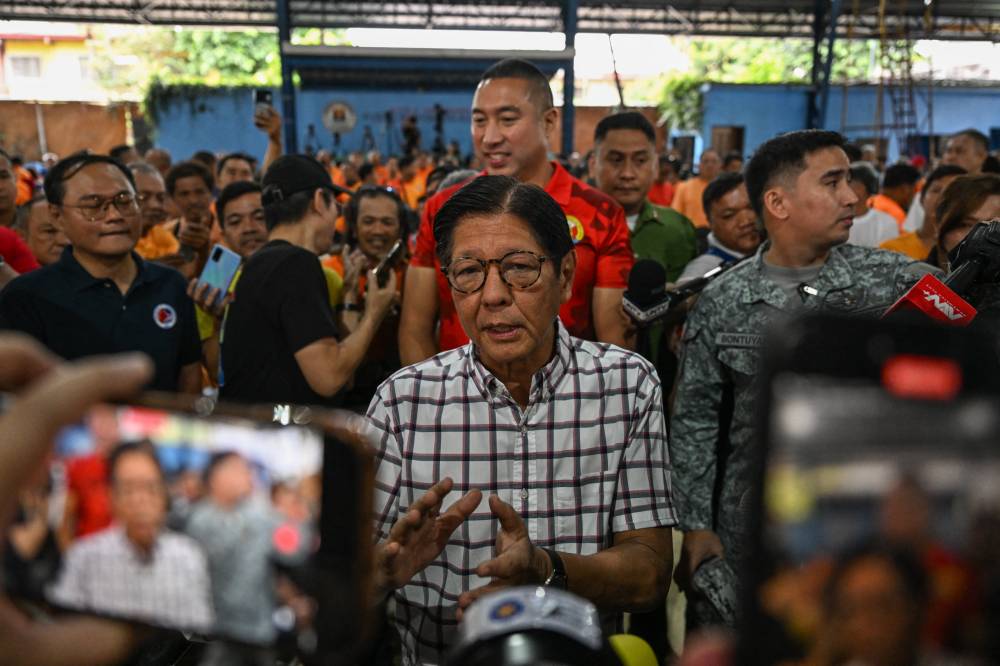
In response to clamor to repeal RA 8479, President Ferdinand “Bongbong” Marcos Jr. maintained that, while he is open to it, he is currently focused on mitigating the immediate effects of the shortage. “As I said before, nothing is being discounted, meaning we are discussing everything that can be done so that we can do something to help alleviate the impact of the war in the Middle East,” he says.
“But what we are focused on now is immediate; you know, amending the oil deregulation law will be a long discussion,” he adds. “I don’t know when it will happen.”
Simply shifting from importation to local production isn’t something that can be so easily done, either. So what can be done? Are the government’s hands simply tied at this point?

Taxes are another area that President Marcos is eyeing. He is keen on cutting excise taxes, which are priced at P6 per liter for diesel and P10 per liter for unleaded gasoline, LPG, and other petroleum products. But there are also calls for cutting down the 12 percent value added tax that is heavily inflated by increased transportation and importation costs.
Complacency stemming from privilege
“Our former national leaders from 1986 or from Cory, FVR, Erap, PNoy, Digong, and until today, Bongbong, practically did nothing. We drifted along, assuming global oil markets will always supply us, that prices will remain manageable, that alternatives will appear when needed,” writes Jake J. Maderazo in his opinion piece titled “Nation on brink: This oil crisis may destroy everything we built.”
But it’s not as if we never knew this could happen. The writing was always on the wall—that our current setup leaves the public at risk during times of crisis.
Energy Transition Advisor Alberto de Luzon III shares in a conversation with ANC: “It will not be the last [energy crisis]. The last was during COVID, and now just a few years later, we have this. It will always happen. Forty years in this business and we never learn.”
The Marcos administration has met the bare minimum insofar as ensuring we have a guaranteed supply of oil for the next three months. But unfortunately, this global crisis has unveiled an unsustainable system in urgent need of fixing. Because even if the Philippines secures enough oil for the next year, prices will remain reliant on and heavily dictated by a global market in flux. In short, this short-term “victory” will mean nothing to the sectors of society that are most vulnerable amid the shortage.
From where we’re standing, the administration looks more than pleased that they’ve bought themselves enough time, and avoided the worst-case scenario. But as it stands, our PUV drivers and farmers—everyone will simply have to hold their breath till Trump decides to end his silly war. That is simply not good enough.