











Olympic figure skaters offer wellness tips for weekend athletes

The figure skaters at the Winter Olympics make it look easy. But elite skaters also fight injuries, much like the rest of us who work out, go to the gym, or swim to stay fit.
“No athlete at this level is 100 percent fully healthy,” Gretchen Mohney, the director of medical and performance services for US Figure Skating, tells The Associated Press from Milan. “It’s about managing whatever it is that may be breaking down.”
The key for Olympic skaters is getting quick treatment. If a knee swells, the back aches, or a sharp blade leaves a gash, figure skaters at the Olympics have physicians, athletic trainers, and physical therapists to help.
Mohney, who holds a doctorate in interdisciplinary health sciences, listed several red flags that skaters and staff watch for, and wellness tips for weekend athletes.
Some warning flags
1. Treat acute injuries immediately
“Recognizing and responding to acute injury is huge and what we are going to do about it versus ignoring it, because it usually gets worse,” Mohney says.
2. Treatment of chronic injuries
Elite figure skaters can’t take six weeks off, and at the Olympics, it’s perform now or never. “We don’t say rest for two weeks, we say let’s get you to perform as safely as possible… without causing further injury,” Mohney says.
3. Loss of mobility and compensation
Stretching and warm-ups are critical. “When we lose mobility or flexibility, our bodies start to compensate, and the stress is put on another part,” Mohney explains.
4. Dealing with overuse
Mohney says vary the volume and intensity of training. Skaters compete year-round. She used the example of skaters arching their back repeatedly to do layback spins. “You are going to have back pain no matter who you are,” she says. “All of our athletes vary their training. You want to make sure you are changing your load so the body can recover.”
‘The hard ice always wins’
Dr. Fred Workman has been a team physician for US Figure Skating for 25 years, and lately he’s treating more concussions. This might surprise some who see only the elegance, but figure skating has been pushing the limits of performance, and there’s fallout.
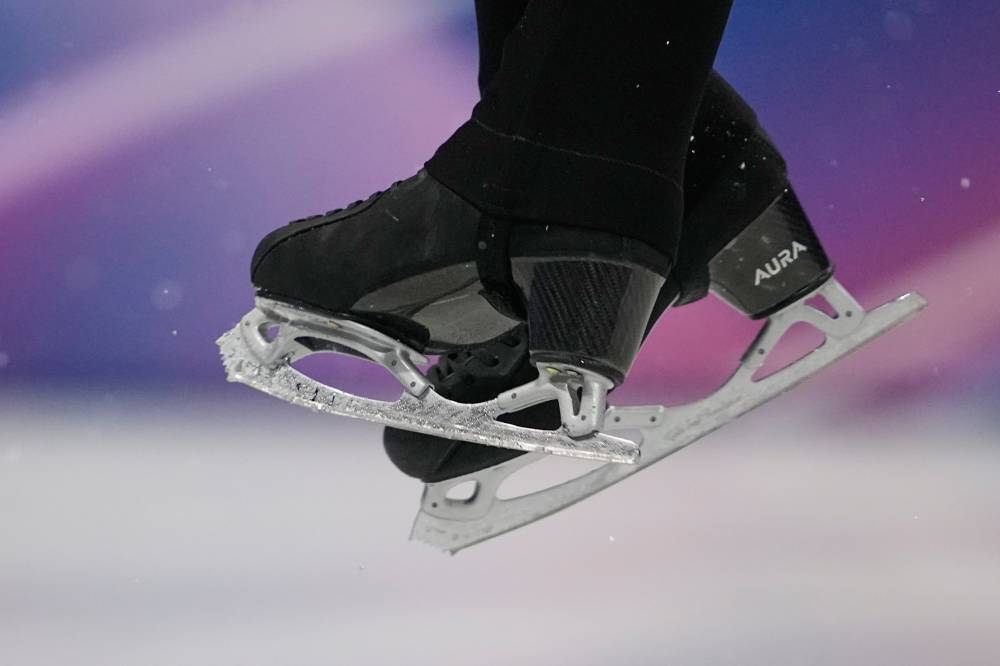
Other frequent injuries include lacerations from knife-edge skates, or hip, knee, ankle, and foot injuries—and shoulder injuries for men lifting partners overhead in the pairs event.
“They’re doing overhead lifts, spinning around on the ice—and smiling,” Workman says. “Skaters are doing much more demanding and aggressive—risky if you will—maneuvers. The hard ice always wins. When you fall on the ice, something is going to give.”

Building skills—and life skills—outside the ice
Part of Workman’s job is diagnosis and treatment. The other is a holistic approach to guiding young athletes. This also includes managing stress and mental health. “Life doesn’t always go your way,” Workman says. “We’re in a judged sport. You may not always get the scores you think you deserve. But how do you handle it? You have to get yourself mentally focused and be ready to perform.”
Ilia Malinin’s two falls last week in Milan are a reminder of the pressure elite skaters face.
Away from competition, Workman asks skaters to add variety to their training—and to their lives. “Not only cross-train in your sport, but cross-train as a human,” he says. “Diversify your interests. A very common mistake is spending all of your time on the ice and less time in off-the-ice training.”
Workman suggested a wider view, even for elite athletes at the Olympic level. He referenced a television ad the NCAA ran several years ago, which reminded college athletes that their life is now sports—but it won’t always be.
“At the end of the day, competitive careers end,” Workman says. “Why do we even have sport? It’s to build resilience, to build the life skills you need.”