










On ideas, inventions, and integrity

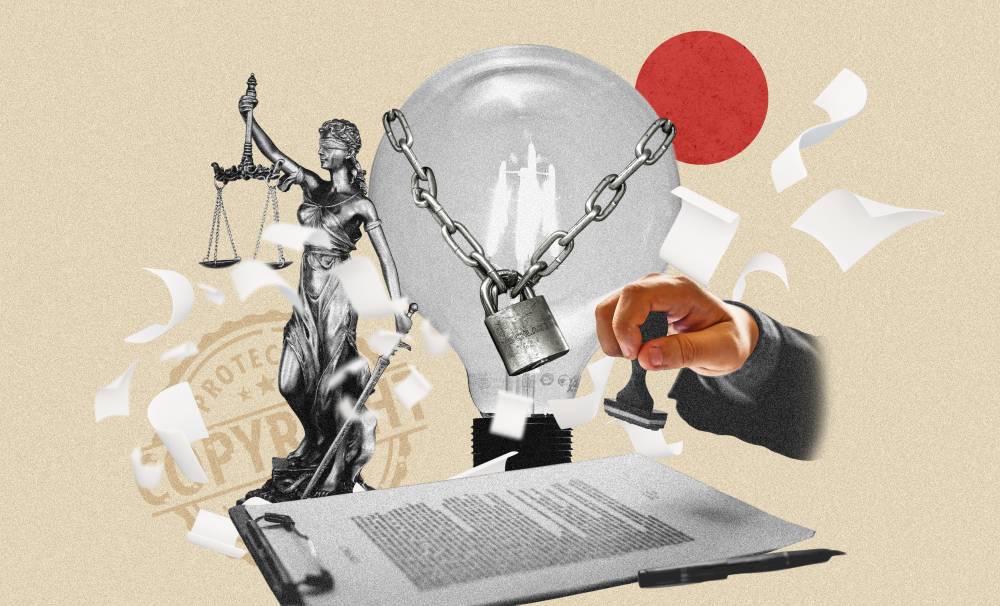
While ideas are free, how one expresses ideas, brands their business, and builds inventions are not. In the rise of innovation, invention, and content creation, those who produce original ideas—such as artists, writers, musicians, entrepreneurs, scientists, and inventors—deserve legal protection over their work. More than that, these creators are entitled to be rightfully credited as the source of their brainchild, and to receive proper attribution for it.
Above all, they should be able to seek legal protection for their intellectual property so that they can enjoy the fruits of their mental and emotional labor.
To address this, R.A. 8293, also known as the Intellectual Property Code of the Philippines (Republic Act No. 8293), was the law passed to protect one’s intellectual property. It was enacted precisely to ensure that inventors and creators’ efforts to enhance innovation are rewarded. Even ordinary people who create content on a smaller scale are able to seek intellectual property protection, as long as they produce output that meets the criteria that warrant it.
Copyright vs. trademark vs. patent
Under the Intellectual Property Code, there are three main types of legal protection: copyright, trademark, and patent, and the differences will be discussed below.
Copyright
Copyright, under Section 172 of the Intellectual Property Code, is the form of protection that applies to literary and artistic works such as written work, songs, films, photos, drawings, and the like. A creator’s protection under copyright is automatic and arises upon the moment of creation—there is no need for registration for its effectiveness.
One of the most common types of copyrightable content are those uploaded on social media platforms, as it is considered a form of expression made by the original creator. The copyright protection lasts for the lifetime of the author, and for a certain number of years after their death, depending on the nature of the work.
Patent
Patent, under Section 21 of the Intellectual Property Code, is the exclusive right given to an inventor to make, sell, and distribute their innovation. It is the proper form of legal protection for inventions and technical solutions to everyday problems, such as machines, devices, and other types of equipment.
For an invention to be patentable, it must be novel, have an inventive step, and have industrial applicability. The validity of a patent lasts for 20 years from the time of its filing date.

Trademark
A trademark, under Section 121 of the Intellectual Property Code, protects one’s names, logos, symbols, or slogans that distinguish goods or services from those of other proprietors. Put simply, it is protecting one’s brand in the area of commerce.
For trademark protection to become effective, registration is necessary for one to obtain exclusive rights to use a name or logo for the business. A trademark is there to safeguard businesses from copycats who can use a similar name and potentially confuse customers.
Creativity deserves protection
Aside from legal protections such as copyright, patent, and trademark, the Intellectual Property Code likewise provides for sanctions against those who violate others’ intellectual property rights. It penalizes acts such as infringement, piracy, and counterfeiting, among others.
In the end, intellectual property law reminds us of a simple truth: Behind every song, brand, and invention is a person who created it—and that creativity deserves protection.