






On memory, movement, and the spaces that hold us

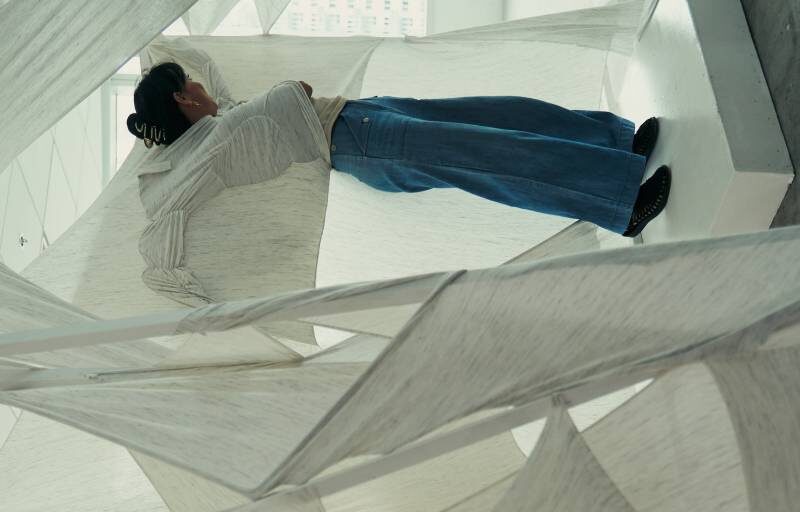
After last year’s atmospheric staging inside the Doña Sisang Mansion in Old Manila, the sixth edition of the event shifted into a markedly different landscape this 2025: a stripped-down office floor in Makati, emptied of cubicles but rich with possibility. It is an unconventional choice for a festival centered on movement yet perhaps precisely the right one for this year’s theme, “Muscle Memory.”
Looking back at the festival held on Oct. 25 and 26, Fifth Wall explored how the architecture we inhabit teaches us to move in ways we rarely question: the rhythm of elevator doors, the hum of fluorescent lights, the choreography of office life. Fifth Wall founder Madge Reyes describes this iteration as an invitation to engage with space more directly—not just as spectators but as bodies in motion, coexisting with the installations scattered across the floor.
This edition continues Fifth Wall’s commitment to treating dance not as a discipline confined to stages but as a lens for understanding culture, labor, architecture, and the rituals that make up a day. In “Muscle Memory,” that lens is directed toward the routines we perform without thinking, and the gestures that remain even long after we’ve left the places that shaped them.
A city mapped through movement
“Muscle Memory” featured works from a diverse group of designers and artists: industrial designer Es Se, architect Lando Cusi, artist and fabricator Marco Ortiga, fashion designer Novel, and culture hub WHYNoT, among others. Each installation served as a response to the implicit choreography embedded in urban life.
To move through the festival was to be reminded of how much of our physical behavior is inherited from the environments we occupy. The installations used texture, scale, sound, and shadow to reorient the audience’s sense of direction. Some worked with restraint; a single repeating structure, a line that guides the viewer’s gaze. Others encouraged play, offering the kind of physical interaction that reminded guests of childhood muscle memory: reaching, balancing, navigating.
Placed in the middle of an office floor, these works brought into sharp focus the idea that cities teach us habits without asking. The festival framed the act of walking, pausing, or turning a corner as choreography, revealing how architecture shapes instinct, and vice versa.
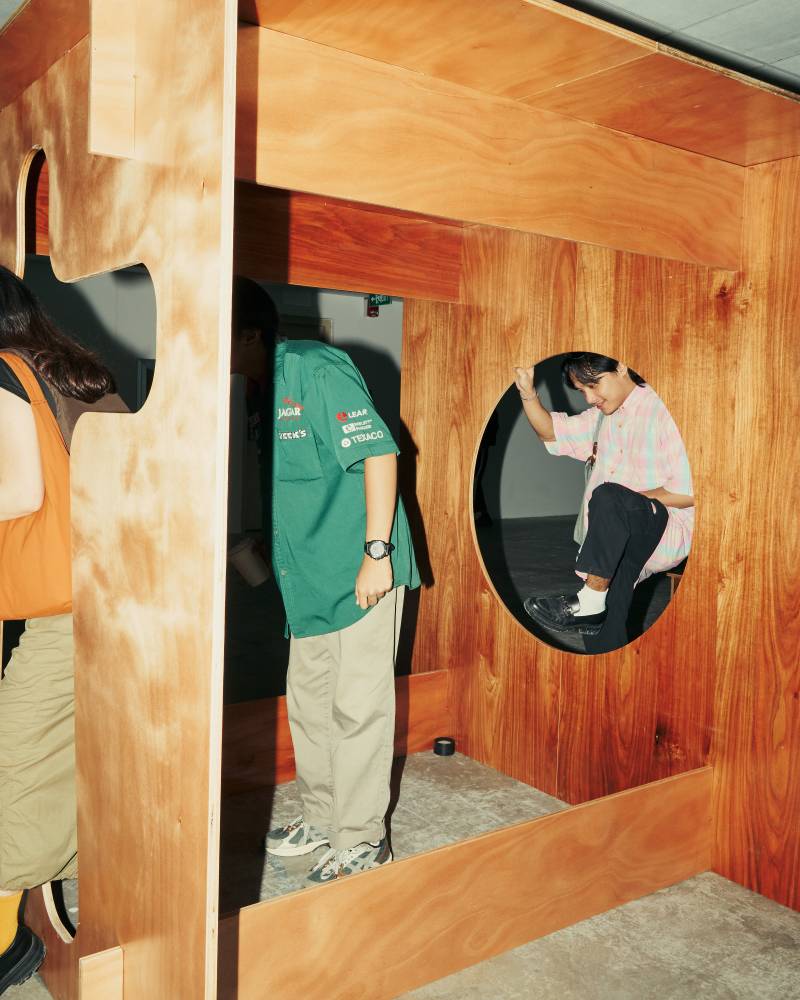
An empty floor, a full experience
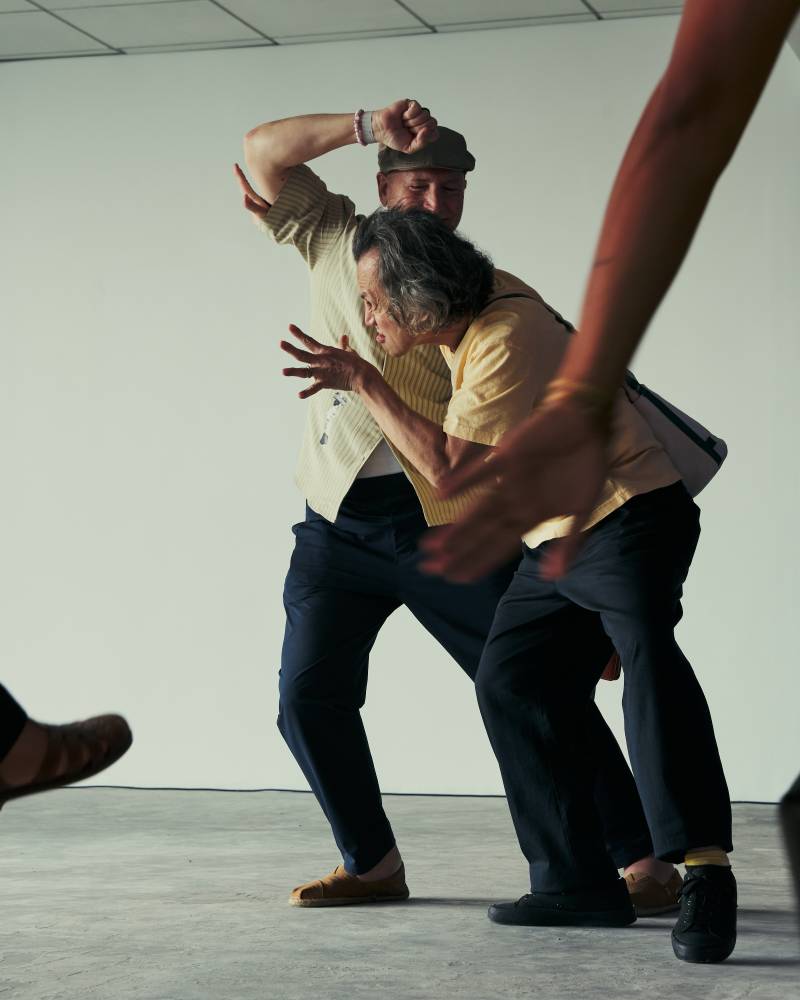
One of the most compelling aspects of this year’s edition was the way visitors were guided through the space. Instead of moving independently, guests were led by performers who acted as both hosts and vessels for interpretation. Each guide provided their own distinct rhythm, some humorous, some reflective, others more performative—adding yet another layer to Fifth Wall’s ongoing conversation between body and space.
Using guides emphasized how context shapes experience: the same installation felt different depending on who led you and how you were encouraged to move within it. Fifth Wall has always blurred the lines between performer and spectator, but this year’s approach made the transition even more fluid. The guides didn’t simply explain the pieces but also carried the audience through them.
It was an intentional disruption of the museum-like stillness that often encases art. Instead, Fifth Wall created a living, moving container; a reminder that spaces are activated not by their walls but by the bodies that traverse them.
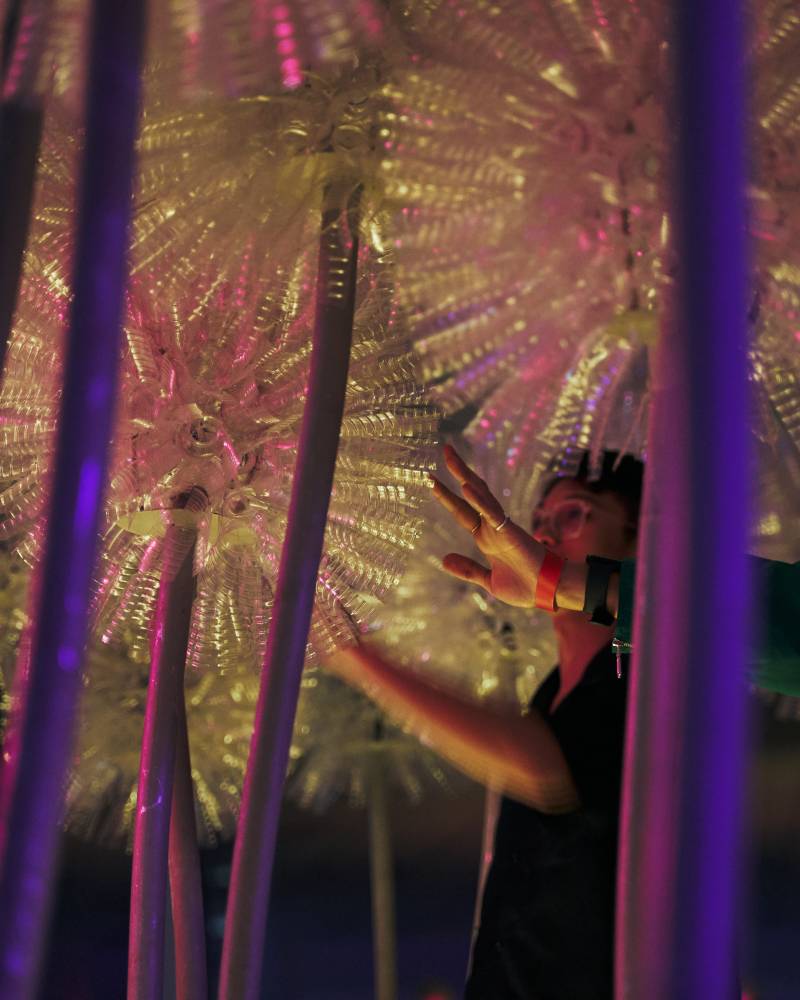
The architecture of daily life
Among the participating artists, several installations captured the monotony and quiet intensity of office life. The repetition of standing up, sitting down, waiting for breaks—these gestures, when isolated, become almost meditative. They are acts of labor, but they are also movements of endurance and ritual.
That tension between work and art, labor and expression, resonated throughout the festival. Many of the participating artists themselves straddle both worlds by balancing day jobs with creative practice, blurring the lines between necessity and passion. Their installations reflected this reality: that making art today often means navigating between two demands, two economies, two modes of being.
“Muscle Memory” then becomes not just an exploration of movement but also a commentary on how bodies navigate through cities, offices, and creative industries. It asked: What movements do we carry because we choose them? And what movements are simply the residue of systems we live within?
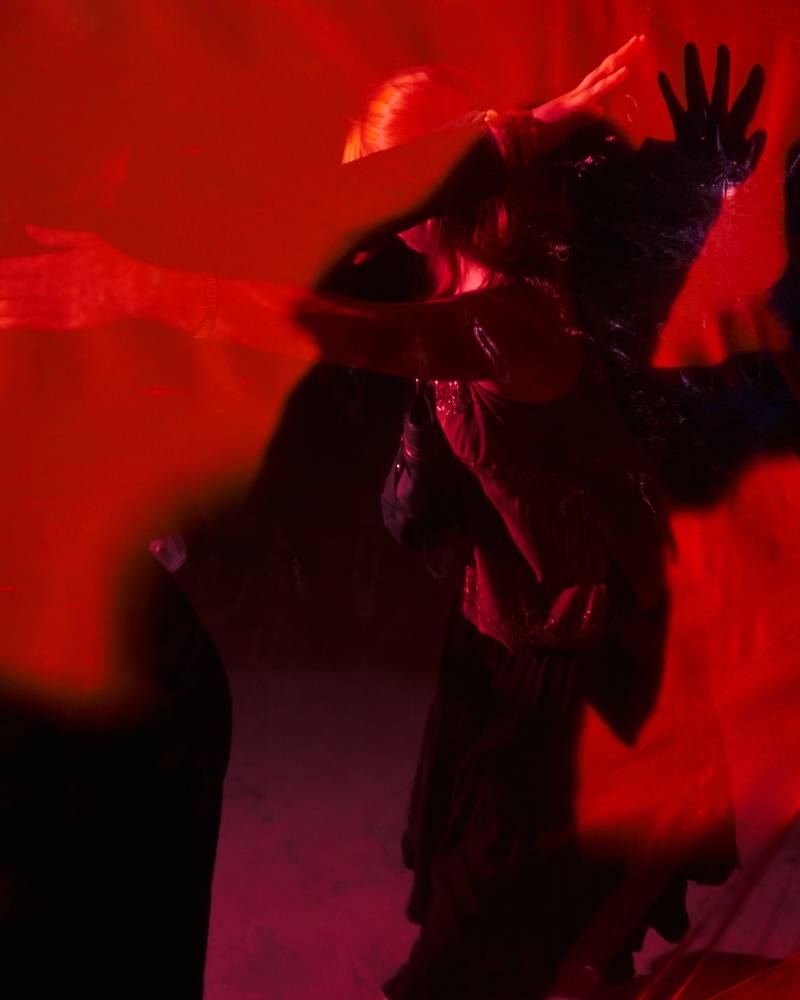

Beyond physical walls
Across its five years, Fifth Wall has expanded the traditional boundaries of dance by rooting it in the everyday. This year’s office venue emphasized that ethos. Within its stark hallways and exposed flooring, dance became a form of remembering not through choreography but through the echoes of movements that remain in the body long after repetition turns them unconscious.
The installations pushed viewers to consider the architecture of their own routines: the way we claim space, relinquish it, or move through it without noticing. They asked how muscle memory shapes identity, how environments shape behavior, and how bodies hold memory even when the mind forgets.
The result was an environment that felt both familiar and estranged; an ordinary office transformed into a site of reflection. What was once a workplace became a landscape for wandering, questioning, and relearning how to move.
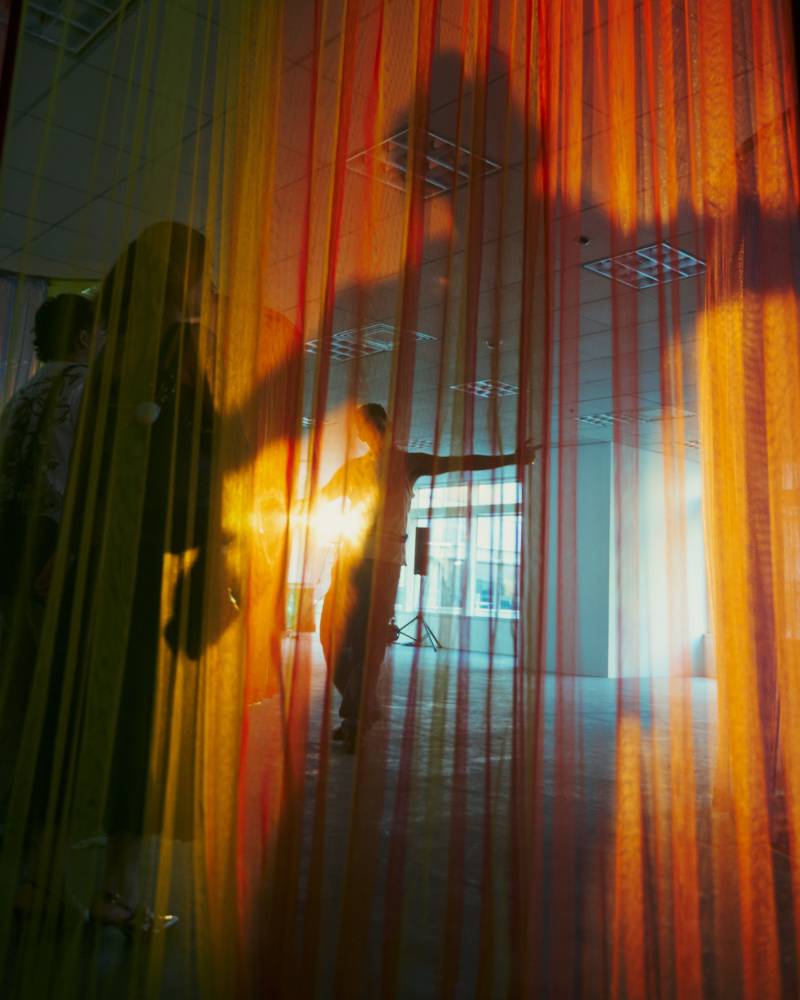
A platform that keeps expanding its walls
“Muscle Memory” once again affirms Fifth Wall’s place as one of the country’s most thoughtful platforms merging dance with interdisciplinary art. It doesn’t present dance as spectacle but as a field of inquiry: a way of seeing cities, bodies, and routines with fresh eyes.
This year’s edition is quieter than previous ones but also more intimate. By choosing an office floor as its stage, Fifth Wall invited the audience to enjoy mundane moments, to remember that movement is not reserved for performers but is an inherent part of being human.
In the end, the Fifth Wall reminds us that memory lives not only in the mind, but in the body—in the steps we repeat, the gestures we inherit, and the spaces that shape how we move through the world.