









OPM pop rock for the heartbroken, slandered, and foolishly in love


Pop rock is always a good idea for hugot, and with Filipino lyrics, it hits even harder. With driving melodies, dramatic climaxes, and unbearable longing, these songs heal and uplift—but not without punching us in the gut first.
“Naghihilom”
Sponge Cola and Gigi de Lana
In this power rock ballad, Yael Yuzon and Gigi de Lana ruminate on the complicated aftermath of heartbreak. Their voices start off sounding like hollow, distant echoes from opposite ends of a cavernous hallway—creating a feeling of isolation as they try to sit with their pain.
Yuzon’s writing here is sparse, but no less cutting: “Sa bawa’t pagpunit ay merong tahi / Naghihilom / Natututo.” If anything, their economy allows each word to take space and marinate in Sponge Cola’s familiar alternative rock sensibilities.
And while De Lana mostly sings with measure, she eventually surges with the pulses of drums before belting it all out in a dramatic climax. The two voices seemingly finally find and confront each other in a moment of release, only to capitulate into haunting chants. This is a song you put on in a videoke after a few bottles.
“At first, I didn’t fully grasp its gravity, but it revealed itself to me after a few listens,” De Lana says.
“I want people to feel what they need to feel, to remember or forget, and hopefully sing with us,” Yuzon adds.
“Una”
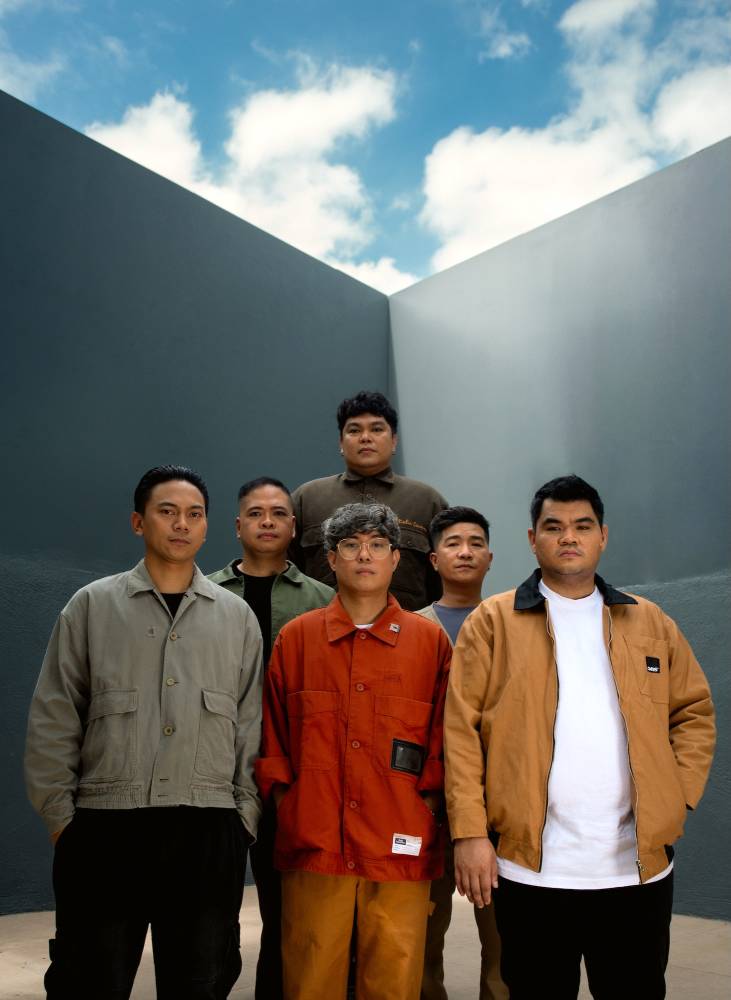
Silent Sanctuary
Once in a while, a band reaches back into its archives and finds a piece of its soul that still resonates today.
Silent Sanctuary did just that with their latest release, “Una”—a rock ballad whose origins stretch back to 2009. For loyal fans, the melody may ring a bell, as it was originally recorded as a demo and performed in the band’s early live sets.
Now, more than two decades into their career, the band has dusted off the song to reveal its vintage spark and give it the full “rockestra” treatment that Silent Sanctuary is known for. And true to form, “Una” doesn’t so much rip through as drift on a melancholic wave of cello and violin. The occasional crashes of percussion and guitar, meanwhile, give the song just the right emotional edge to convey the pain and longing for someone who has already grown distant.
Released in time for the band’s upcoming shows in Japan and Singapore, the song is also a heartfelt thank-you to listeners, old and new. “Sana hindi kayo magsawa, dahil hindi kami magsasawa gumawa ng kanta para sa inyo,” vocalist Sarkie Sarangay says.
“Madama”
Route xYz
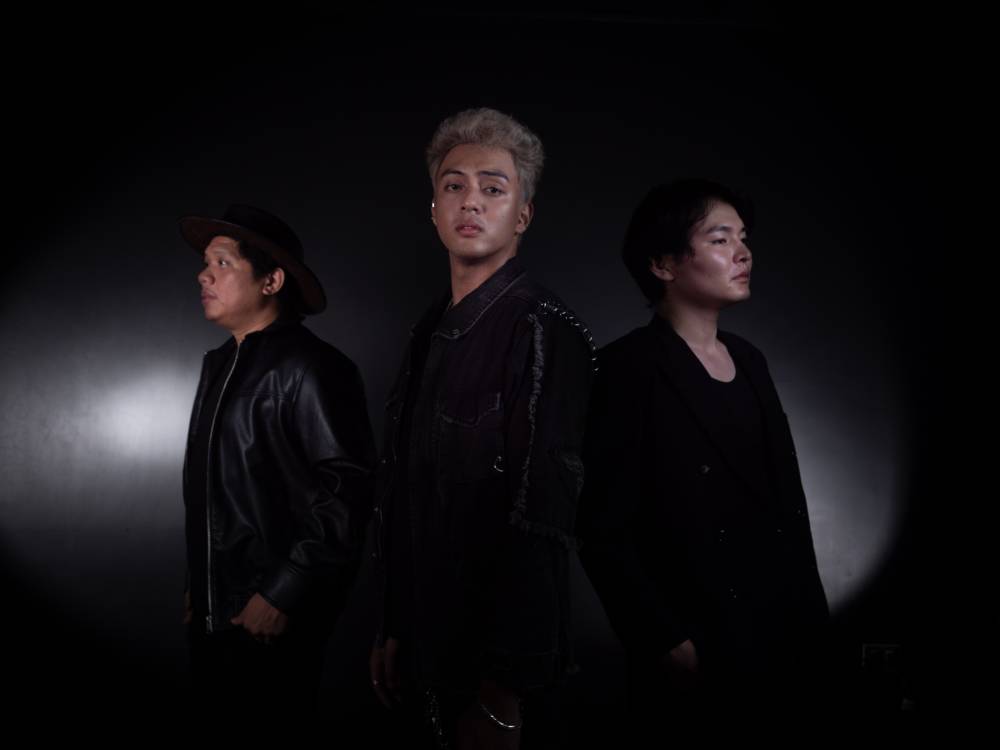
With sweeping strings and layered harmonies, the newly launched band Route xYz delivers a song cut from the same cloth as Silent Sanctuary’s “Una.” But unlike the more intimate, vocal-forward arrangement of the previous track, “Madama” has an anthemic drive that gives it a cinematic, movie score vibe.
Written by Route xYz leader Lem Belaro—the former Callalily drummer and composer behind some hits such as “Stars” and “Magbalik”—“Madama” explores a love that exists but can’t be fully felt. Rendered with longing, restraint, and a touch of Callalily nostalgia, the song’s message stays true whether it marks a farewell to a lost love or a forbidden connection.

“BNT”
Nior
The title says it all. Nior’s new single “BNT,” or “Buhay ng Tanga,” tells of the pitfalls of love and the habits people unwittingly repeat until they become toxic. Running on adrenaline, frontman Brian Nucup wrote the lyrics overnight, but the realizations that fueled them didn’t come easily. In the end, it might as well be a playful dig at—or perhaps advice to—himself.

“It took me time to process what is rational and what is not,” Nucup says of people’s need to work through their feelings amid being foolishly in love. “I felt like I was singing the song for myself.”
The song mostly falls on the alternative pop end of the rock spectrum, but there are tinges of retro, too. A familiar device appears in the form of a fuzzy voicemail interlude. Some passages sound as if tinted with sepia and muffled by the warmth and crackle of analog.
But don’t let its breezy nature fool you—the song is a cautionary tale: “Huwag magpakatanga sa mga bagay na ‘di naman dapat,” Nucup says. “‘Di worth it!”

“Gaga”
Ramona (Andrea Brillantes)
While Andrea Brillantes has built a successful career from child star to Gen Z idol, her journey hasn’t been without the complications of intrigue and public outrage. So perhaps it’s only fitting that, for her foray into music, she decided to do away with her screen name and use her real name, Ramona. And Ramona isn’t about to just grin and bear the slander.
Her debut single, “Gaga,” is a proverbial middle finger to the rumor mill and to those who just want in on the tea or chaos without knowing who she really is or what actually happened. The song turns fake news into fuel for her fire. And what better way to express that ire, by channeling her inner rebel with an early-2000s pop punk-inspired ditty?
With grungy guitars and jagged textures, the song is exactly how Ramona envisions it: “bold, emotional, a little rebellious, a little messy, and not trying to be perfect.” And while she delivers it in her unmistakably sweet voice, she does so this time with refreshing sass and sarcasm. In the liberatingly powerful coda, for instance, she chants and flips the script on the labels used to box in and disparage women: “Ang bobo daw ni Gaga / Pokpok daw si Gaga / Laos na daw si Gaga.”
“People talk, people guess, people decide what’s true before they even know anything,” Ramona says. “‘Gaga’ just throws it all back.”